More Small Units or Fewer Large Ones? Choosing a Capsule Home Unit Mix
The same budget buys different mixes of capsule home sizes. Here is how to choose between more compact units and fewer large ones.
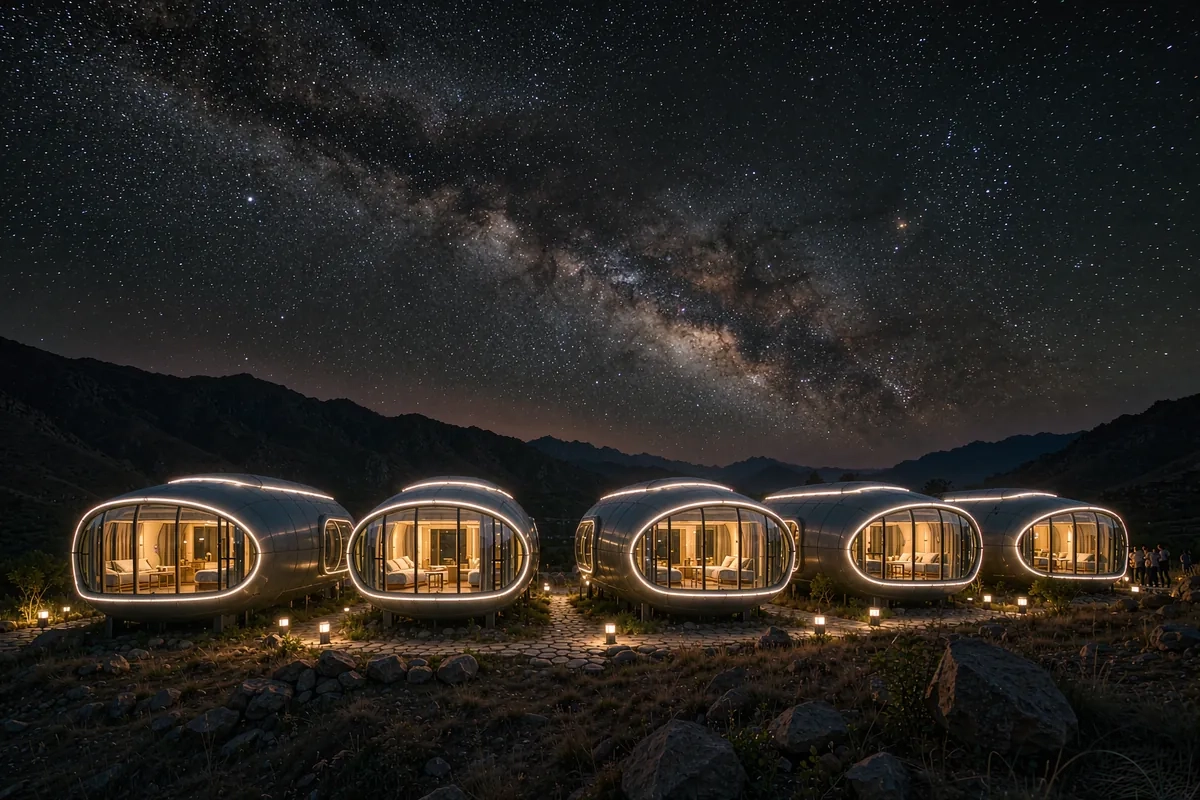
Given a fixed budget and a fixed site, almost every operator faces the same choice: buy more compact units, or fewer large ones. It is one of the few decisions that shapes revenue, operations and guest experience simultaneously, and it is usually made too quickly - often by comparing headline unit prices rather than what each mix produces over a season.
The short answer: choose the mix from your booking pattern, not from unit price. If most of your demand is couples and solo travellers, more compact units will outperform. If your demand is families and groups, a smaller number of larger units will. When demand is genuinely mixed, a deliberate combination usually beats either extreme, because it widens the range of bookings you can accept without widening your site.
What Each End of the Range Actually Buys
| Factor | More compact units | Fewer large units |
|---|---|---|
| Capital per sleeping place | Often lower | Often higher |
| Nightly rate achievable | Lower per unit | Higher per unit |
| Occupancy resilience | One empty unit hurts less | One empty unit hurts more |
| Site area required | More footprints, more circulation | Fewer footprints, more privacy |
| Housekeeping load | More units to turn, but faster each | Fewer units, longer turns |
| Service connections | More connection points | Fewer connection points |
| Maintenance exposure | Spread across more units | Concentrated |
| Booking flexibility | Can sell one or many | Suits larger parties only |
Neither column is better in the abstract. The right answer depends on which rows matter for your demand and your site.
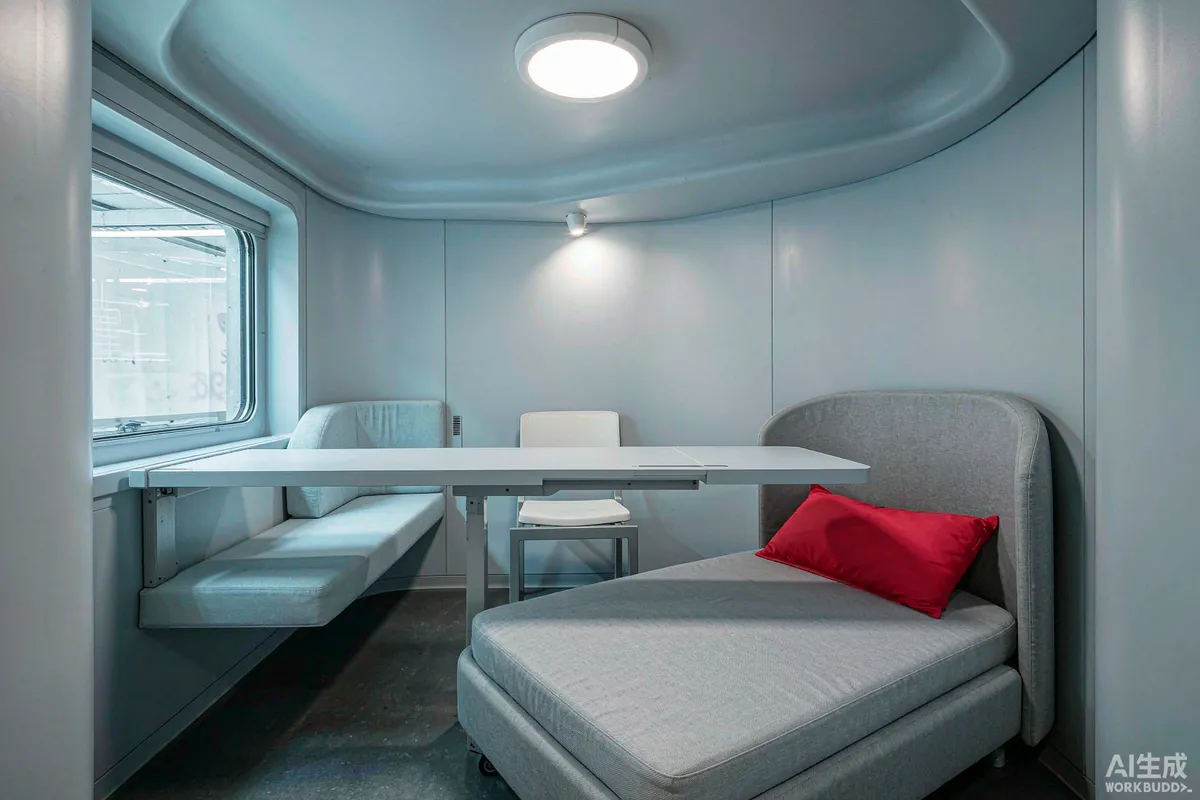
Start From the Booking Pattern
Before comparing unit prices, look at what your market actually books. The relevant questions are simple and most operators can answer them from their own data or from comparable listings nearby.
- What party size dominates? Two adults is the most common short-stay booking in most markets.
- How much of your demand is groups or families? That share determines how many large units you can fill.
- What is the length of stay? Longer stays justify more space per guest.
- Do guests book one unit or several? Group bookings of several small units can be more flexible than one large unit.
- What is the shoulder-season pattern? Smaller units are often easier to fill off-peak at a lower rate point.
If you cannot answer these from data yet, build the mix conservatively - weighted toward the smaller end, with a minority of larger units - and let the first season's booking data shape the second order.
The Operational Consequences
Unit mix is an operating decision disguised as a purchasing decision. Two effects matter most.
Turnover and housekeeping
More units means more turns, but each turn is quicker and can be done by a smaller team. Fewer large units means longer turns - more beds, more bathrooms, more surfaces - and a bigger impact if a single unit is out of service for maintenance. Ask which pattern your staffing model actually supports.
Maintenance and downtime
With many small units, losing one to maintenance costs a small share of capacity. With few large units, the same event costs a large share. If your operation cannot tolerate a big capacity drop, that argues for a wider spread of smaller units - and it is one of the strongest arguments for the compact end of the range.
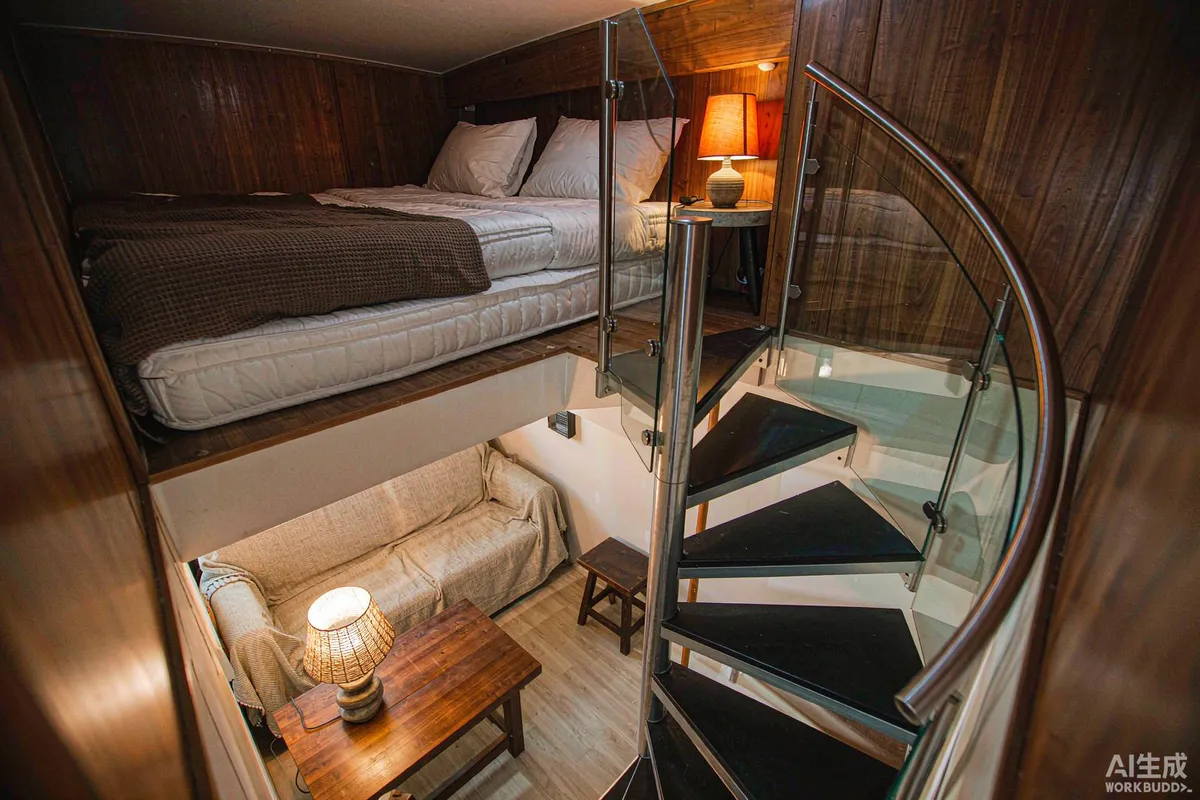
Site Geometry Sets the Ceiling
Often the site, not the budget, decides. More units need more footprints, more circulation, more parking, more service runs and more separation between neighbours. Privacy is the constraint that appears last and bites hardest: a compact unit placed too close to its neighbour rents for less and reviews worse.
- Test the layout on a plan before ordering, with realistic setbacks and circulation.
- Count service connection points - power, water, drainage, data - and what each costs.
- Check the delivery route for the number of units you intend to place.
- Leave room for the next phase if you expect to expand.
Revenue per Square Metre, Not per Unit
The comparison that actually informs the decision is revenue per square metre of site per year, net of housekeeping and maintenance. A large unit's higher nightly rate is only better if it is occupied often enough to beat the smaller units it displaced. Model it simply:
- Estimate realistic occupancy for each unit type in your market, by season.
- Multiply by the achievable nightly rate.
- Subtract housekeeping, utilities, maintenance and any platform commission.
- Divide by the site area each option consumes.
- Run the same model for a shoulder-season scenario, not just peak.
The shoulder-season row is the one that separates the options. Mixes that look close at peak occupancy often diverge sharply when occupancy drops.
Why the Middle Mix Usually Wins
A deliberate combination - mostly compact units with a smaller number of larger ones - tends to outperform both extremes because it matches the shape of real demand. It lets you sell into the couples market at volume, take family and group bookings you would otherwise turn away, and shift inventory between segments as the season changes. It also gives you operational redundancy: one large unit out of service does not empty the site.
The cost of a mixed fleet is slightly more complexity in ordering, spares and housekeeping. In practice that is a small price for the booking flexibility, and it is why most established sites end up mixed rather than uniform.
Mapping the Decision onto a Size Range
Once the commercial logic is settled, it helps to express it in the size range you are actually buying. Haishu's Galactic A series, for example, runs from the compact A30 through the mid-sized A50 to the larger A70, which is offered in double-deck configurations - so a single product family can cover all three roles in a mixed site rather than forcing you to deal with several suppliers.
- A30-class compact units - the volume tier for couples and solo travellers, and the cheapest capacity to add.
- A50-class mid-sized units - the flexible middle: comfortable for two, workable for a small family, and the easiest to resell into either segment.
- A70-class larger and double-deck units - the group and family tier, where the higher rate depends on that demand being real in your market.
Expressed this way, the mixed-fleet answer usually looks like a majority of compact and mid-sized units with a minority of larger ones - and it keeps ordering, spares and housekeeping within one product family, which is where a mixed fleet's complexity cost is lowest.
A Worked Comparison
Consider a site with room for roughly the same built area either way. Option A is eight compact units; Option B is four large units. At peak, both may sell out and Option B may even return more, because fewer larger units can command higher rates. At shoulder-season occupancy of around half, the picture often reverses: eight compact units at a lower rate point are easier to fill partially than four large ones, and the empty large units cost proportionally more.
Add a third consideration - one large unit out of service for a week costs a quarter of Option B's capacity but only an eighth of Option A's - and the compact-weighted mix tends to win on risk as well as on shoulder-season revenue. Run the numbers for your own rates and occupancy; the structure of the result is usually more stable than the specific figures.
Approvals and Occupancy Limits
How many units you may place, and how many people each may accommodate, depends on local planning rules, fire strategy and the services available on site. Confirm what your site is permitted for before you size the order. Requirements may vary by application, market and applicable standard. A mix chosen on commercial grounds still has to fit the permission you hold.
How to Decide
- Establish the dominant party size in your market.
- Model both mixes at peak and at shoulder occupancy.
- Check the site can carry the larger count with adequate separation.
- Weight toward the compact end unless group demand is clearly proven.
- Keep the second order flexible so the first season's data can change the mix.
Get those five right and the unit mix stops being a guess. It becomes the decision that quietly determines how well the site performs for years.
More from the Blog

Capsule Home Cost Guide: What You Really Pay in 2026
EXW, shipping, install and the hidden line items — a transparent breakdown of total landed cost.
Read article →
How to Install a Capsule Home in 3 Days: A Step-by-Step Guide
From site prep to first guest — the exact sequence our install crews follow on every deployment.
Read article →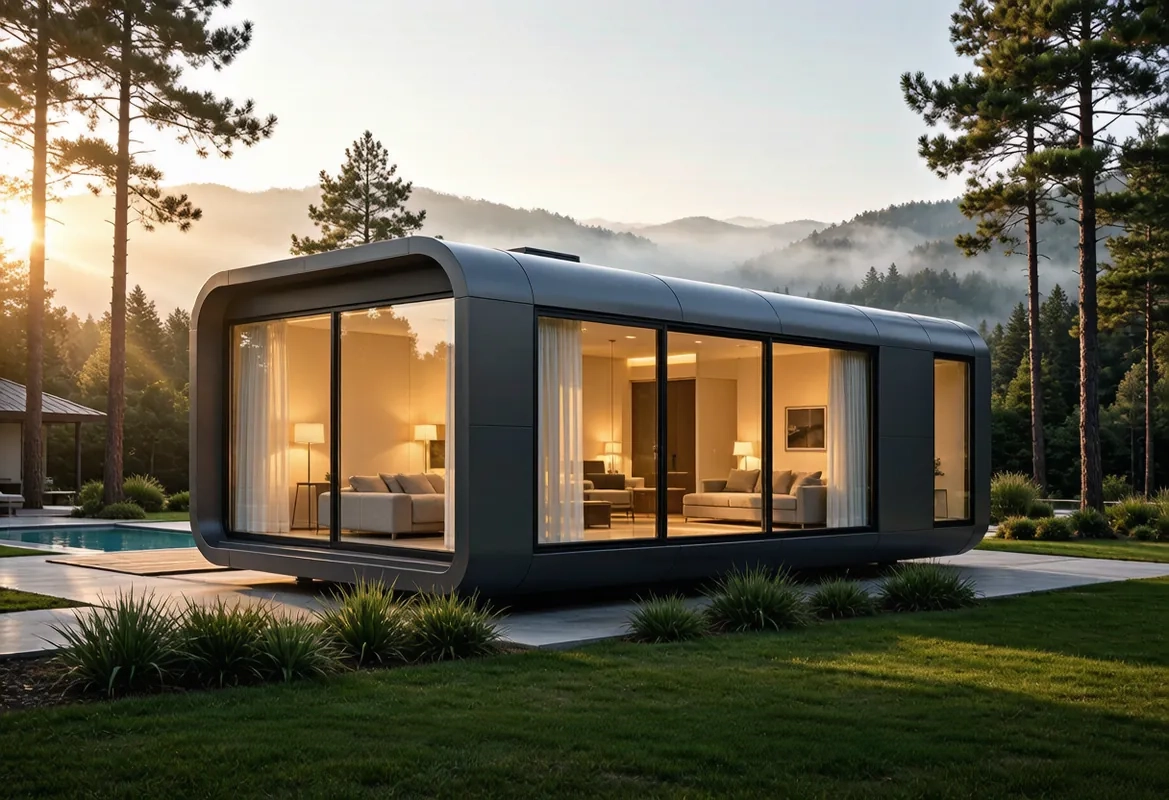
Real Owners, Real Numbers: Success Stories
How a lakeside resort, a Spanish glamping site and a Singapore dealer hit their targets.
Read stories →Talk to the Factory
Ready to Ride the 2026 Wave?
Get the latest catalog, pricing tiers and a layout sketch for your land — straight from the engineering team.