Capsule House Vietnam: Phu Quoc Coastal Resorts
Capsule house projects in Vietnam: central coast wind design, humidity in the north, coastal development approvals, import steps and port logistics.
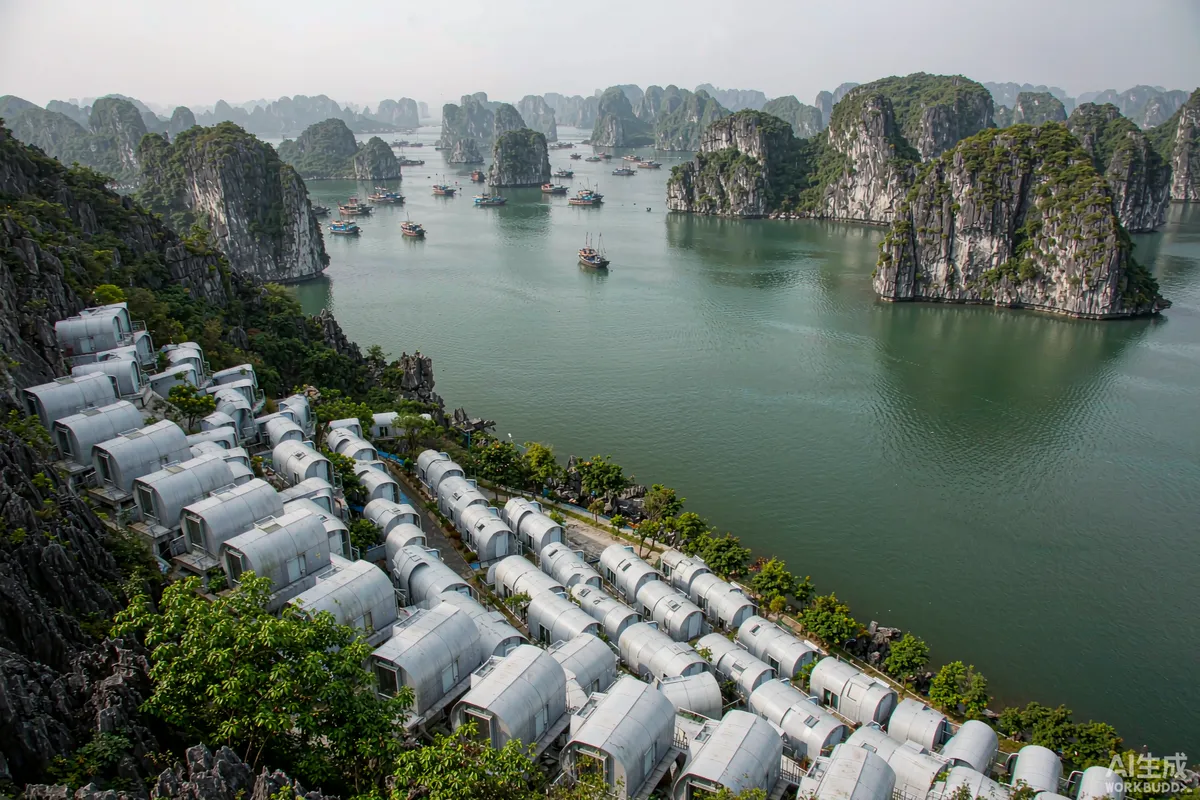
Vietnam is a long country with a long coastline and genuinely different conditions along it: a humid, cooler north, a typhoon-exposed central coast, and a drier, warmer south. A capsule house specification that suits Phu Quoc will not suit Da Nang, and neither will suit the northern highlands. This page sets out what changes where, what to ask about wind, and the approval and import steps to confirm before placing an order. Models and dimensions are on the product pages.
Three Coastal Zones, Not One
| Zone | Conditions | What drives the specification |
|---|---|---|
| North (Ha Long, Hai Phong, Hanoi hinterland) | Humid subtropical; cool, damp winters; hot summers | Dehumidification, condensation control, heating provision for the cool season |
| Central (Da Nang, Hoi An, Quy Nhon) | Exposed to tropical storms and typhoons; heavy seasonal rain | Wind load and anchoring, drainage capacity, glazing protection |
| South (Phu Quoc, Vung Tau, Mekong fringe) | Warmer year-round with a distinct dry season; island logistics | Solar control, salt exposure, barge and ferry delivery |
The table is a starting frame for discussion. Every site has a microclimate, and a sheltered cove behaves differently from a headland a kilometre away.
Wind Load on the Central Coast
Wind is the single most important technical question on a central-coast project, and it is answered by calculation rather than by description.
- Ask for a stated design wind speed for your site, produced by a qualified local engineer against the applicable Vietnamese design standard. Do not accept a general statement that a unit is "typhoon resistant".
- Separate the unit question from the foundation question. Whether the shell survives is a factory question; whether it stays where it was put is a local design question, and it depends on the ground.
- Define the anchoring interface in writing. The connection between the unit's chassis and the local foundation is the most common gap in the division of work.
- Consider glazing protection. Large panes are the most vulnerable part of the envelope to wind-borne debris, and shutters or impact-resistant glazing should be considered deliberately.
- Check uplift, not only sideways force. On an exposed site, the load that moves a light structure is often the one acting upwards.
Requirements may vary by application, market and applicable standard. Confirm the design basis with a locally qualified engineer before finalising the specification.
Humidity, Rain and the Dry Season
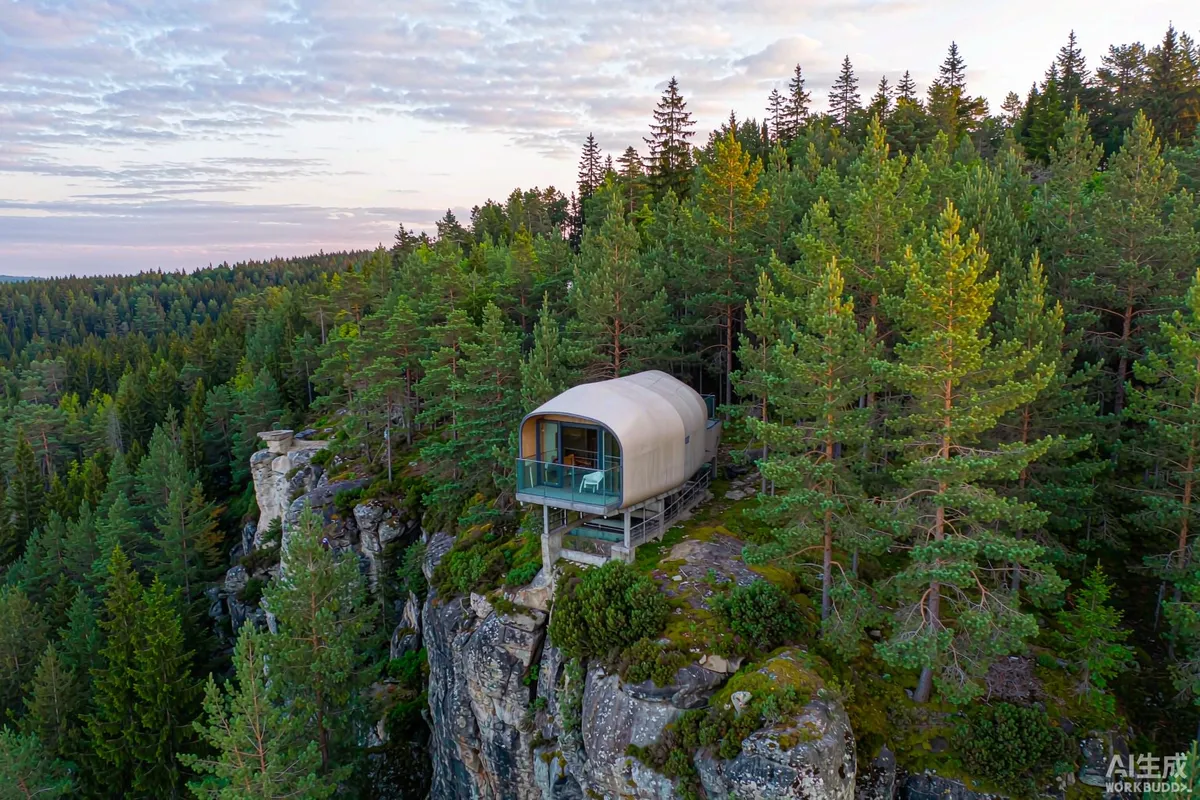
- In the north, the damp cool season is the comfort challenge. Heating and dehumidification matter more than additional cooling capacity, and a specification built only around cooling will underperform.
- In the central zone, the challenge is rainfall intensity. Roof, gutter and ground drainage should be sized for the burst, with an overflow path.
- In the south, solar gain dominates. External shading, solar control glazing and orientation are the highest-value measures, and they are cheaper than equipment.
- Everywhere, condensate from continuous air conditioning must be drained rather than collected.
Coastal Development and Approvals
Coastal tourism development in Vietnam is an active policy area, and the applicable requirements should be established before drawings are produced.
- Land use and investment approval. Establish whether the plot is designated for tourism use and what the approval route is for your project type.
- Coastal and environmental provisions. Projects within coastal protection or environmentally sensitive areas may face additional assessment requirements, and the assessment is usually the longest lead item.
- Construction permitting. Whether the units are treated as buildings or as movable structures changes the submission entirely, and this question should be answered first.
- Operating licence. Letting to guests is a separate licence from the construction approval.
Provincial practice differs. Use a local consultant who has been through the specific office rather than relying on a national summary. Requirements may vary by application, market and applicable standard.
Import and Compliance
- Confirm the classification of the product with your clearing agent before shipment, since duty treatment follows the classification.
- Confirm documentation requirements - certificates, declarations and any conformity or labelling obligations - at the time of order, not from a previous project.
- Ask the supplier which documents they will issue, in writing, and put that list in the contract.
- Plan for inspection. Where goods are examined at port, the delay is a cost; build it into the programme.
Ports and Last-Mile Logistics
- Match the port to the site. Northern projects are typically served from Hai Phong, central projects from Da Nang or nearby, southern projects from the Ho Chi Minh City ports.
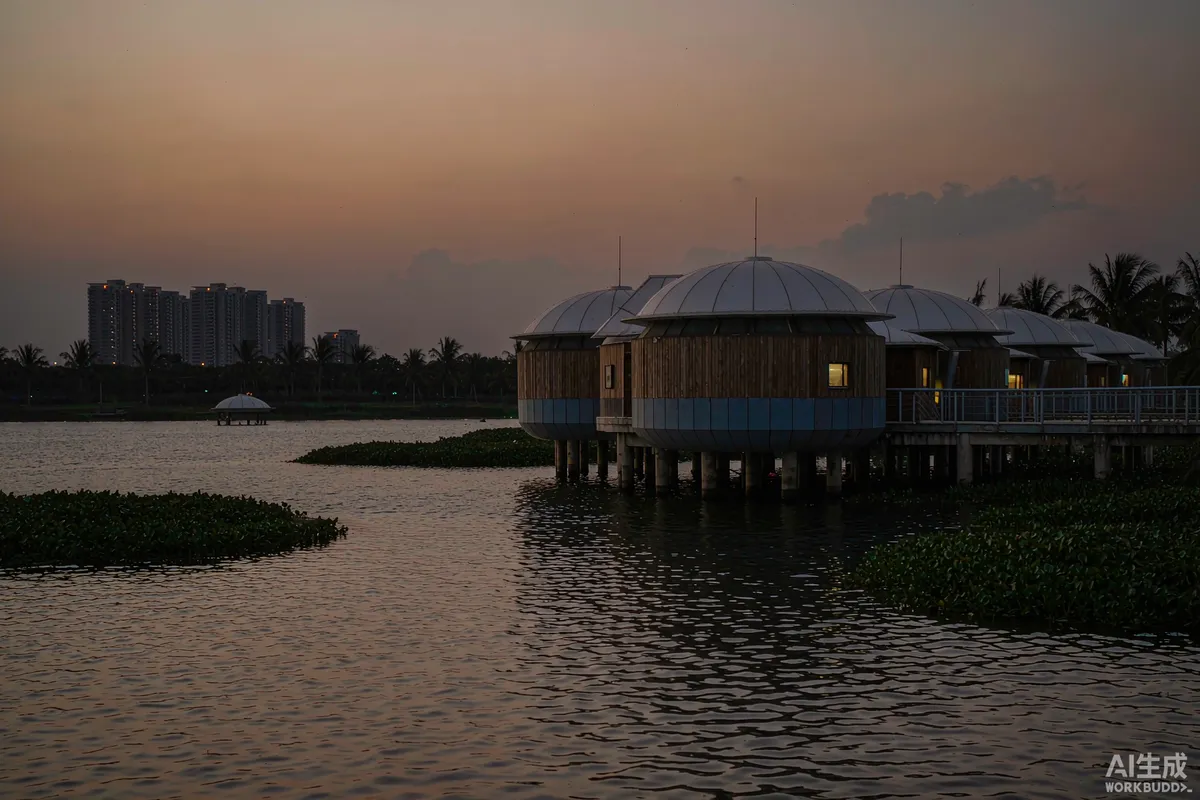
- Phu Quoc and other island sites add a sea leg. Confirm vessel capacity, deck space for the packed dimensions, and the landing method at the island end.
- Survey the road route for the packed width and weight, including bridges, ferries and any urban restriction.
- Confirm crane availability locally before booking the vessel, because mobilising one from a city costs time as well as money.
Site Types and Unit Mix
- Phu Quoc beachfront. Salt, solar gain and island access; the highest visual scrutiny and the highest achievable rate.
- Da Nang and Hoi An. Strong existing tourism market, more straightforward logistics, and a mature contracting base.
- Ha Long and the north. Karst scenery, cooler season, and a wind and drainage question on steep ground.
- Highlands. Distinct product, cooler nights, access and drainage on slopes, and a different guest mix.
Working With Local Contractors
Vietnamese contractors build quickly and adapt well, provided the brief is issued in a form they can price from.
- Issue drawings rather than renderings. Foundation loads, anchoring requirements and service positions are what the contractor needs; an image does not convey them.
- Assign the foundation and anchoring design locally. Both depend on ground conditions and should carry local professional responsibility.
- Confirm in writing who supplies the fixings between the chassis and the foundation, since this item falls between two trades and is often assumed rather than agreed.
- Agree a defect and snagging process before handover, with a named person and a date for each item.
- Confirm the availability of consumables locally - sealants, filters, gaskets - because a resort waiting three weeks for a gasket is losing revenue.
Guest Mix and Rate Positioning
Vietnam's resort market is competitive and well supplied, which changes how a distinctive unit should be sold.
- Sell one clear thing - the view, the setting, the design - rather than a list of features.
- Do not compete on rate against conventional rooms. The relevant comparison is with other unusual inventory.
- Price the shoulder season deliberately. Demand varies by zone and by season, and one rate across the year leaves revenue unused.
- Count the changeover cost. Glass, a wet room and a distinctive interior take longer to turn around than a standard room.
- Set expectations about weather. Guests who understand the season are more satisfied than guests who did not.
Phasing a Vietnamese Resort
Phasing suits this market because the first season answers questions that cannot be answered on paper.
- Size phase one to operate independently - access, check-in, utilities and housekeeping, not merely the units.
- Use it to test the achievable rate before committing to phase two.
- Keep the phase boundary on the services routes so later phases connect to what was built first.
- Do not commit land for later phases in the first application unless there is a reason to; a smaller submission is usually a faster one.
- Record what the first season teaches about noise, temperature and drainage before designing the next phase.
For typhoon-related detail in a comparable market, see our typhoon-rated specification guide. Cost structure is covered in the cost guide and the price page. To discuss a specific site, send the location, exposure and access details.
More from the Blog

Capsule Home Cost Guide: What You Really Pay in 2026
EXW, shipping, install and the hidden line items — a transparent breakdown of total landed cost.
Read article →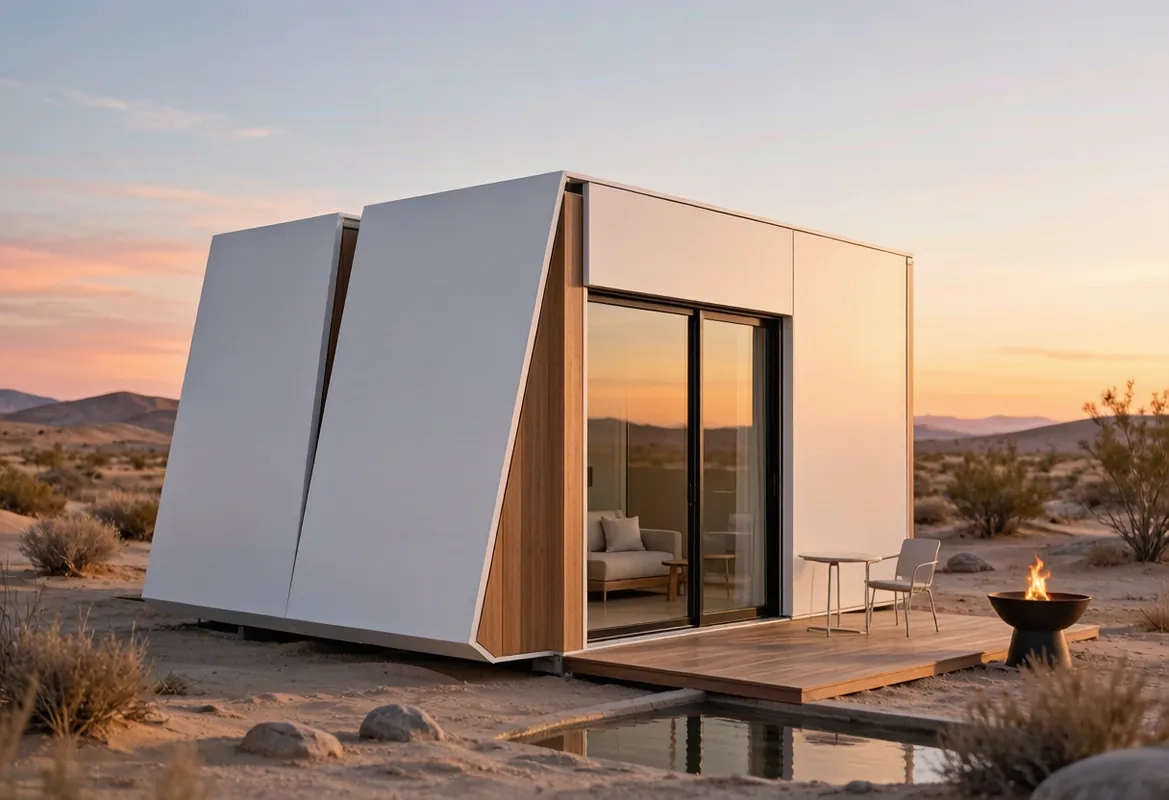
How to Install a Capsule Home in 3 Days: A Step-by-Step Guide
From site prep to first guest — the exact sequence our install crews follow on every deployment.
Read article →
Real Owners, Real Numbers: Success Stories
How a lakeside resort, a Spanish glamping site and a Singapore dealer hit their targets.
Read stories →Talk to the Factory
Ready to Ride the 2026 Wave?
Get the latest catalog, pricing tiers and a layout sketch for your land — straight from the engineering team.