Keeping Winter Access Open to a Capsule Home Site
Access determines whether a winter site operates at all. Road specification, plough contractor brief, snow storage, ice control and what guests realistically need to drive.
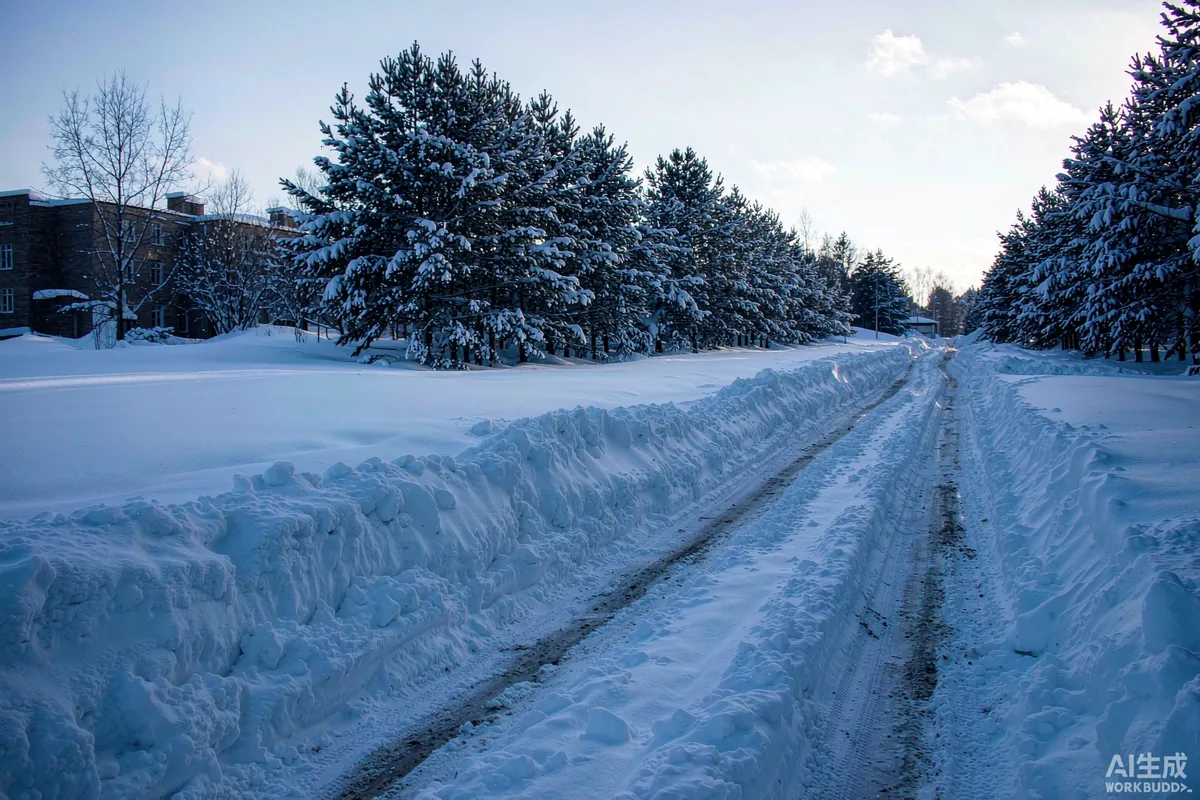
Winter occupancy is decided less by the unit than by the last few hundred metres of road. A capsule home can be perfectly comfortable in freezing conditions while being unreachable, and guests do not distinguish between those two failures - they simply cannot get in. Whether a site works through winter is mostly settled at three points: how the access was built, who clears it and under what instruction, and what you told guests to expect before they set off.
The Road Was Decided Years Earlier
Most winter access problems trace back to a specification made when the ground was dry. If the access route is being built or upgraded, these are the decisions that matter later.
- Gradient. Ice changes what is drivable. A slope that is fine in summer can stop a two-wheel-drive car in February.
- Base and drainage. A well-drained compacted base freezes solid and predictable; a wet base becomes ruts that turn to ice.
- Surface choice. Bound surfaces clear reliably and take ploughing; loose gravel migrates under a plough blade and needs constant regrading.
- Width and passing places. Clearing pushes snow to the sides, narrowing the running width by the season's end if there is no room to store it.
- Turning provision. Whatever delivers your units needed for access will need the same again for a winter service call.
- Camber and falls. Standing water refreezes; a route that sheds water causes far fewer ice problems.
Retrofitting a route is expensive because it usually means re-excavating. Worth deciding at the outset if winter opening is part of the plan.
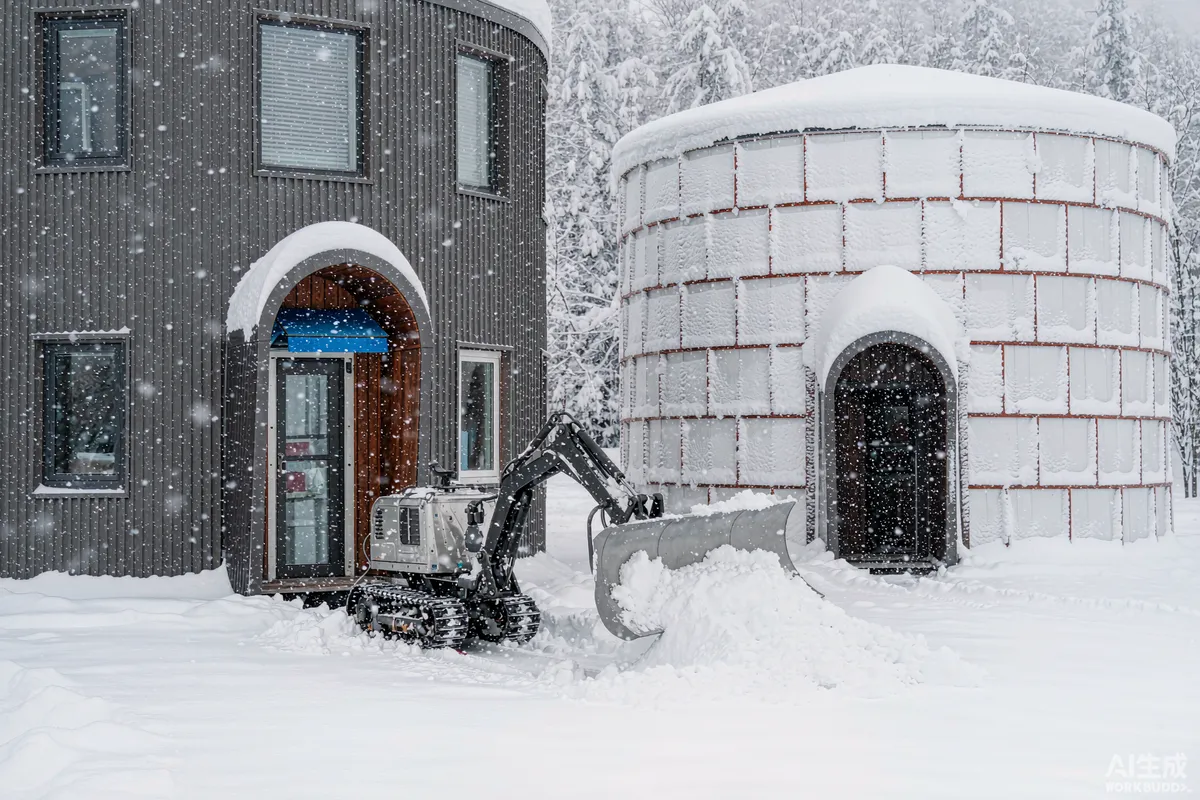
Briefing a Clearing Contractor
A plough operator cannot guess what matters to you. The brief is what turns "driveway ploughed" into a site you can operate.
| Item | What to specify |
|---|---|
| Trigger | At what snow depth they attend, rather than leaving it to their judgement |
| Timing | Whether clearing happens before a defined morning hour, given checkout and changeover times |
| Priority order | Access road first, then unit paths, then parking - written down |
| Snow storage | Exactly where piles go, so parking and sightlines survive into March |
| Damage liability | Whose responsibility markers, edges and surfaces are |
| Contact | Who decides on the day, and how they are reached out of hours |
Agree in writing before the first snow. The phone call you make during a storm is not the moment to discover that your contractor assumed daytime-only attendance.
Markers, Edges and What Gets Damaged
Most winter damage is not dramatic - it is accumulated strikes against things hidden under snow.
- Mark route edges, hydrants, valve covers and anything low before the first snow settles.
- Mark the units themselves where guests reverse, since a compact cluster has tight turning.
- Record where hardscape edges are with photographs before winter, to compare in spring.
- Keep plant equipment and any service enclosure clearly clear of plough routes and snow storage.
- Expect to repair something in spring, and budget for it rather than treating it as an accident.
Guest Vehicles: What They Actually Drive
The gap between what an operator imagines and what guests arrive in causes more winter incidents than the weather does.
- Assume two-wheel drive and road tyres unless you have evidence otherwise for your market.
- State vehicle requirements clearly at booking, and again in the pre-arrival message, not only on the listing page.
- Describe the last stretch honestly - length, gradient, surface and whether it is ploughed on request or routine.
- Offer a realistic alternative such as a meeting point with parking, rather than hoping.
- Plan for night arrival, which is common in winter and changes how much guidance guests can follow.
Ice Control Near a Sensitive Site
De-icing material does not stay where it is spread. It moves with meltwater into soil, planting and water, and repeated use accumulates.
- Match the material to conditions; some products stop working below a certain temperature, and applying them anyway wastes material.
- Use the least quantity that achieves the result - more is not more effective.
- Consider grit or sand for traction on routes where plants or watercourses sit alongside.
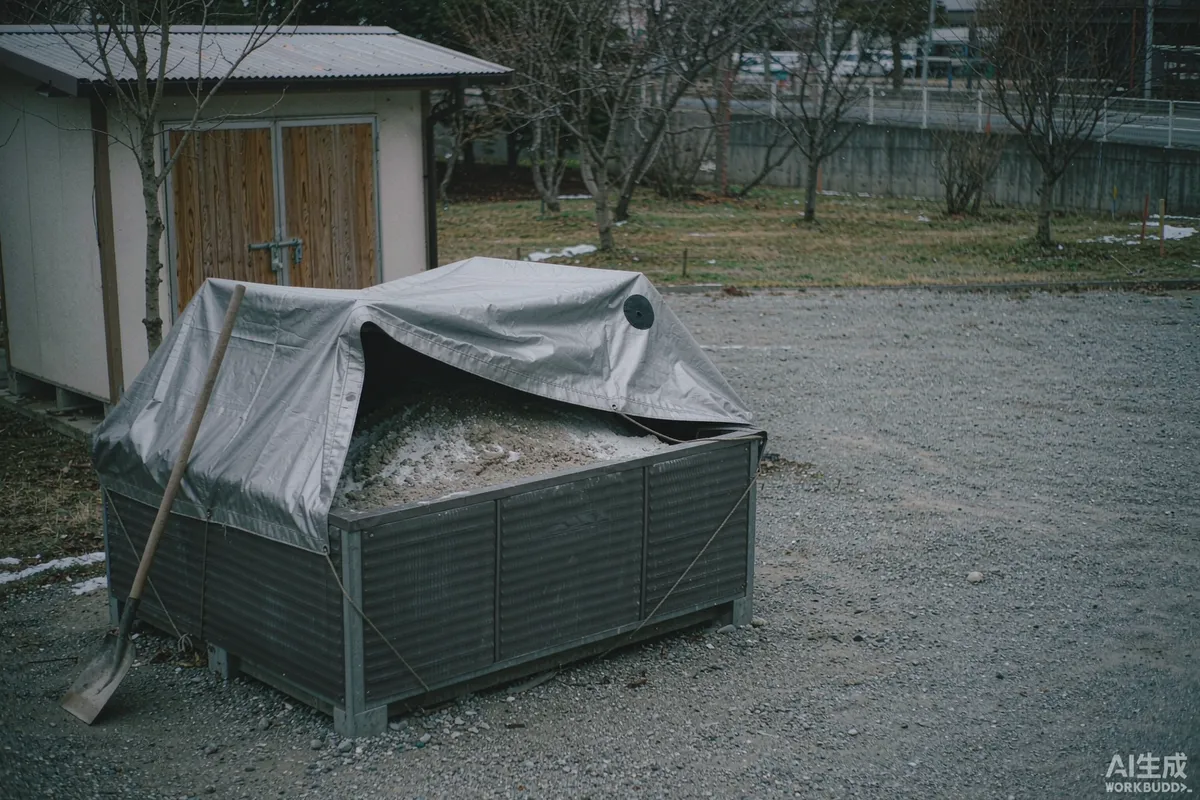
- Store under cover and covered against rain, since wet product freezes into an unusable block.
- Where the-site drains to a watercourse or lies within a sensitive catchment, confirm what is permitted before establishing a routine.
Runoff, nutrient loading and product restrictions are regulated differently between jurisdictions, and some catchments prohibit certain materials outright. Confirm with the relevant local authority rather than adopting whatever the nearest municipality uses on its roads. Requirements may vary by application, market and applicable standard.
Autumn Preparation Checklist
- Confirm the clearing contract is signed, with the brief attached.
- Mark edges, hydrants, valves and unit corners while ground is visible.
- Photograph surfaces and edges for spring comparison.
- Replenish and cover grit stocks.
- Check route lighting, including anything that failed during the darker months last year.
- Clear drainage along the route before it freezes, so meltwater has somewhere to go.
- Update guest messaging with winter arrival information.
- Decide and publish whether units remain open, and on what notice a closure happens.
Finally, keep a simple log through the season: dates cleared, incidents, damage, and any day access failed. By the second winter that record shows which parts of the arrangement actually work, and it is far more persuasive to a contractor or insurer than impressions recalled in April.
Snow Storage Is a Space Problem
Every pass of a plough moves snow sideways, and over a season that accumulation quietly consumes the site. Routes narrow, parking disappears, and sightlines at junctions close up - all without anyone deciding to close them.
- Identify storage areas on the plan before winter, ideally somewhere low-value and sunny, rather than discovering them by where the plough happens to push.
- Keep junctions and sightlines clear even if it costs a second pass, since visibility failures are how vehicles meet each other.
- Reserve parking deliberately and check mid-season whether winter accumulation has taken any of it.
- Watch roof and door zones. Snow stacked against a unit entrance or under a panel edge causes problems unrelated to access.
- Plan for the big one. The routine clear is easy to agree; the exceptional one, when storage is full, is where arrangements break down.
Discuss whether hauling snow off site is available before you need it. For most winters the answer is no, and knowing that in advance changes how quickly a mild season's accumulation is dealt with.
Deciding Whether to Operate at All
Some sites should not open in winter, and discovering that in January is expensive. The decision is commercial as much as operational.
- What does the season cost? Clearing, grit, additional heating, higher maintenance and staff all sit against the revenue those nights produce.
- Can you honour a booking reliably? A site that closes unpredictably damages reputation far more than a site that states its season clearly.
- Is there useful work in the low season? For many parks, the off-season is for maintenance, refurbishment and planning, which is difficult to do around guests.
- What does the access actually cost? If keeping one booking served requires three call-outs, the arithmetic has answered itself.
- State the season publicly and keep it stable. Seasonal operation is entirely legitimate; unexplained closure is not.
Whichever you decide, write the closure and reopening procedure down, including the winter monitoring arrangements that apply while the site is shut. A closed site is not an unmanaged one - utilities still need attention, and access for whoever is attending costs exactly the same amount of planning.
More from the Blog

Capsule Home Cost Guide: What You Really Pay in 2026
EXW, shipping, install and the hidden line items — a transparent breakdown of total landed cost.
Read article →
How to Install a Capsule Home in 3 Days: A Step-by-Step Guide
From site prep to first guest — the exact sequence our install crews follow on every deployment.
Read article →
Real Owners, Real Numbers: Success Stories
How a lakeside resort, a Spanish glamping site and a Singapore dealer hit their targets.
Read stories →Talk to the Factory
Ready to Ride the 2026 Wave?
Get the latest catalog, pricing tiers and a layout sketch for your land — straight from the engineering team.