Window Coverings for Capsule Homes: Privacy, Glare and Heat
Panoramic glass needs the right coverings. Here is how to choose blinds, curtains and shading for a capsule home without losing the view.
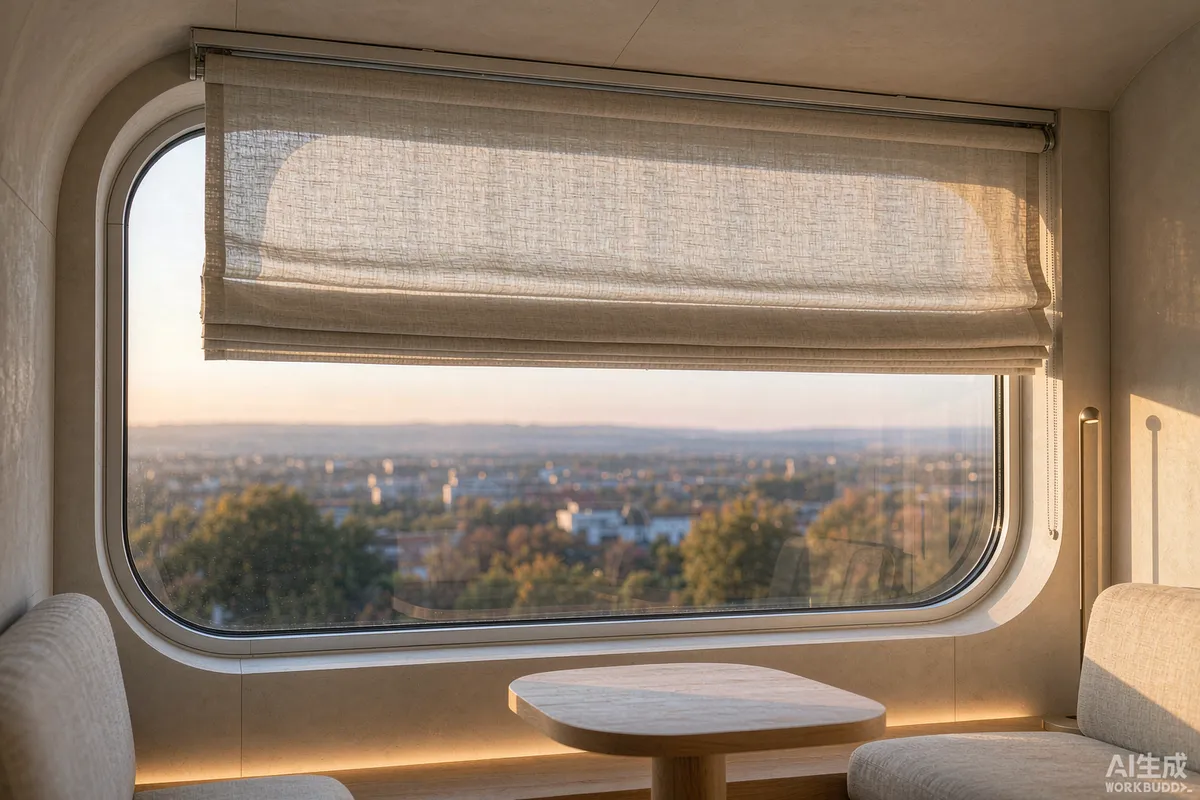
Panoramic glazing is the reason guests book a capsule home, and it is also the reason they sometimes sleep badly, complain about heat, or feel exposed after dark. Window coverings resolve all three - but only if they are specified for the window you actually have. A large curved or near-full-width opening is not a standard domestic window, and off-the-shelf solutions usually either do not fit or block the view when open.
Decide what the covering has to do before choosing it: block sightlines at night, cut glare during the day, reduce solar gain, or retain heat. These pull in different directions, and a single product rarely does all four well.
The Three Jobs, and Why They Conflict
- Privacy needs opacity - usually at night, when the interior is lit and the exterior is dark.
- Glare control needs partial filtering - reducing brightness while keeping the view.
- Heat control needs to stop solar gain before it enters - which generally means shading on the outside, not the inside.
That last point is the one people get wrong. An internal blind reduces glare and provides privacy, but the solar energy has already passed through the glass and is now inside the room. External shading - an overhang, an awning, a screen, or planting - stops it before it enters and is far more effective against heat.
Options for a Large Panoramic Opening
| Option | Privacy | Glare | Heat | View when open | Notes |
|---|---|---|---|---|---|
| Roller blind | Good (blackout fabric) | Good (screen fabric) | Modest | Full - retracts to a small roll | Simplest fit; two fabrics often better than one |
| Curtains | Good | Moderate | Modest | Partial - stack-back takes space | Adds softness and warmth; needs a track that suits the window shape |
| Vertical or panel blinds | Good | Adjustable | Modest | Partial | Practical for very wide openings |
| External shading / awning | Low | Good | Best | Partial when deployed | The effective answer to summer heat |
| Switchable or tinted glazing | Varies | Good | Good | Retained | Cost and specification questions worth asking |
Most units end up with a combination: an internal blind for privacy and glare, plus external shading where summer heat is a real problem.
Fitting to a Curved or Wide Opening
This is where projects go wrong. A blind for a wide opening needs a headrail that spans it without sagging and a fabric roll that does not bow as it gets larger. Very wide spans may be better handled as two blinds meeting in the middle than as one enormous one.
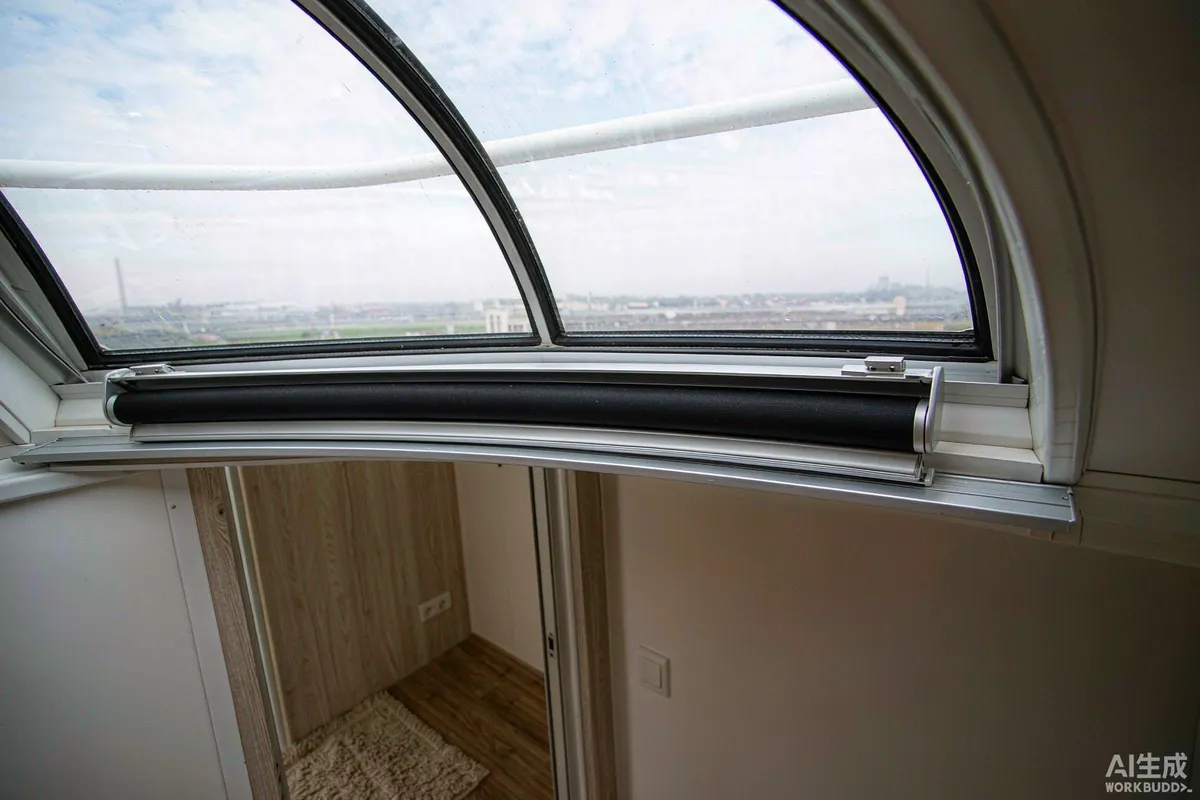
- Measure at the factory stage, not after the unit arrives - the recess dimensions determine everything.
- Ask whether the fixing points are reinforced, particularly for a heavy blackout fabric on a wide span.
- Check the reveal depth so the covering can sit inside the reveal rather than protruding into the room.
- Consider side channels for blackout performance - without them, light leaks around the edges.
- Decide manual or motorised early, because a motorised option needs a power provision at the window.
Privacy Without Losing the View
Guests generally want the view by day and privacy by night. A single blackout blind forces a choice between them. Two layers solve it neatly: a translucent screen fabric for daytime glare that still lets you see out, and an opaque layer for night.
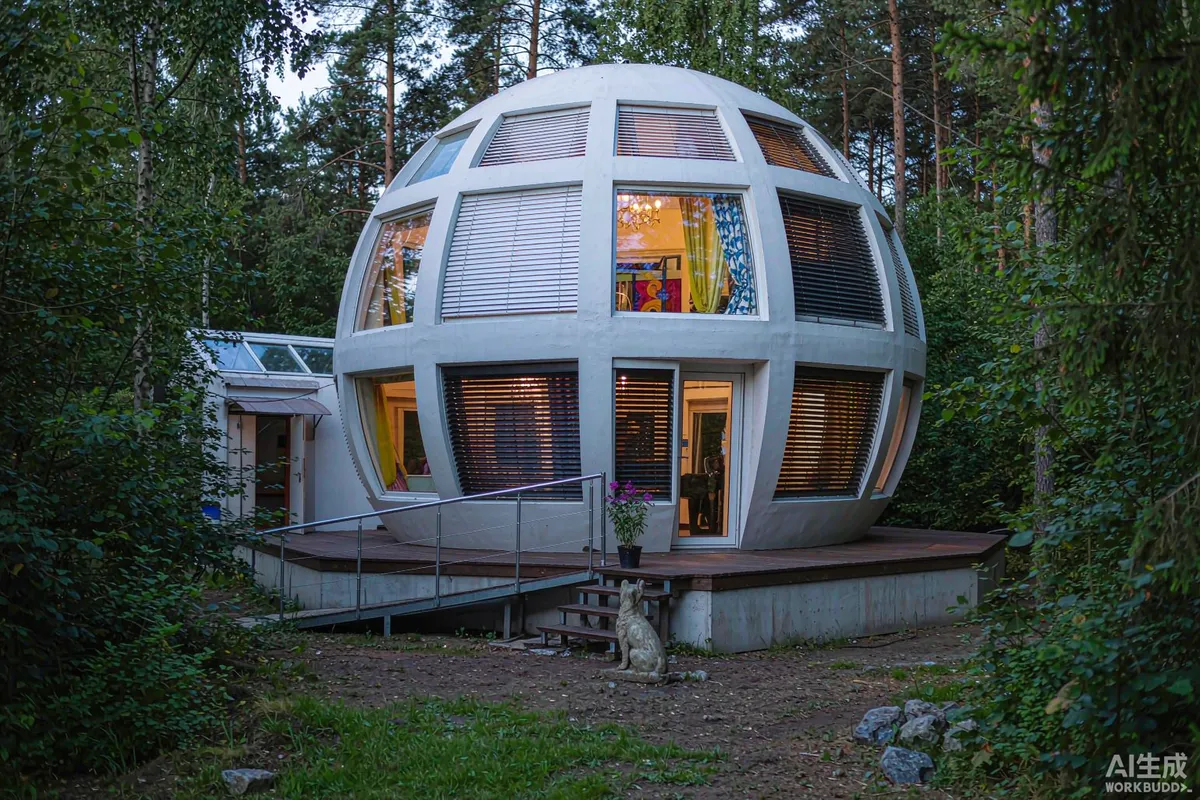
Also consider sightlines from outside the unit. A unit that feels private from the inside can still be overlooked from a path, a neighbouring deck or a road. Walk the site at night with the lights on before deciding what needs covering - that is the only reliable test.
Fabrics and Durability in a Rental
Rental use is hard on window coverings. They are pulled daily, often by guests who are not trying to be careful, and they collect dust and moisture at the window line.
- Choose a fabric rated for the location - moisture resistance matters near large glazing where condensation occurs.
- Avoid pale fabrics that show handling marks around the pull edge.
- Specify a chain or wand that cannot tangle, and check any child-safety requirement that applies to corded products where you operate.
- Confirm the covering is replaceable and that a spare can be ordered without replacing the whole assembly.
- Inspect at every turnover - a blind that will not retract is a maintenance call waiting to happen.
Heat, Glare and Where the Sun Actually Is
Before specifying, establish which façade takes the sun and when. A west-facing window produces afternoon glare and heat at exactly the time guests are in the room; an east-facing one affects early morning. That determines whether you need external shading, a higher-performance blind fabric, or both.
If summer heat is a genuine operating issue at your site, prioritise external shading over a more expensive internal product. Stopping energy before it crosses the glass is more effective than managing it afterwards. Requirements may vary by application, market and applicable standard.
Cleaning, Access and Long-Term Wear
Large glazed areas get cleaned more often than any other surface in the unit, and from both sides. Choose coverings that can be wiped down rather than only vacuumed, and check that the fabric can actually be reached at the top of the window - a blind mounted at four metres is a maintenance problem rather than a design feature.
Ask how the covering is removed for cleaning or replacement. In a rental, the realistic assumption is that at least one blind will need replacing during the life of the unit, and the difference between a ten-minute swap and a half-day job is worth establishing at purchase.
Blackout and Sleep Quality
Guests who book a panoramic unit often want to wake with the view, and a meaningful number of them also want to sleep past sunrise. Without a proper blackout layer, a large east-facing window ends that debate at first light.
If you want genuine darkness, three things matter in combination rather than individually: an opaque fabric, side channels or a close-fitting recess to stop light leaking around the edges, and a top seal so light does not spill over the roll. A blackout fabric alone, hanging in an open recess, leaves a bright line around the frame that defeats the point.
Consider whether every window needs the same treatment. Blackout in the sleeping zone and a lighter screen fabric elsewhere usually gives a better result - and a better view - than blackout across the whole glazed wall.
A Short Specification Checklist
- What the covering must do - privacy, glare, heat, or darkness.
- Exact recess dimensions and reveal depth, taken from the drawings.
- Headrail span and whether fixing points are reinforced.
- Fabric type, opacity and moisture resistance.
- Manual or motorised, and power provision if motorised.
- Whether side channels are needed for the level of darkness required.
- Replacement availability and lead time.
- Any child-safety requirement applicable to your market.
Properly specified, coverings make the glazing more useful rather than less: comfortable at midday, dark enough to sleep, private at night - and gone completely when the guest wants the view. That is the outcome to aim for.
More from the Blog

Capsule Home Cost Guide: What You Really Pay in 2026
EXW, shipping, install and the hidden line items — a transparent breakdown of total landed cost.
Read article →
How to Install a Capsule Home in 3 Days: A Step-by-Step Guide
From site prep to first guest — the exact sequence our install crews follow on every deployment.
Read article →
Real Owners, Real Numbers: Success Stories
How a lakeside resort, a Spanish glamping site and a Singapore dealer hit their targets.
Read stories →Talk to the Factory
Ready to Ride the 2026 Wave?
Get the latest catalog, pricing tiers and a layout sketch for your land — straight from the engineering team.