Capsule Home Warranty and Spare Parts: What to Confirm Before You Buy
What a capsule home warranty usually covers, which spare parts to keep on site, and the questions that make an after-sales claim straightforward.
Warranty and spare parts are rarely the reason someone buys a capsule home, and often the reason they recommend - or do not recommend - a supplier afterward. Before you sign, get four things in writing: what is covered, for how long, what is excluded, and how a claim is made. Everything else is detail.
The Four Questions
- What is covered? Structure, shell and finish are usually treated separately from appliances and consumables.
- For how long, and from when? From dispatch, from delivery, or from commissioning? The start date matters when a unit sits in storage or in transit.
- What is excluded? Wear items, misuse, unauthorized modification, and damage in transit are the usual categories.
- How is a claim made? Who to contact, what evidence is needed, and who pays freight on a replacement part.
Ask for the answers as a document, not a verbal assurance. A short, clearly written warranty is a better sign than a broad promise with no process behind it.
Typical Coverage Structure
| Element | Common treatment |
|---|---|
| Structural frame and shell | Longest coverage period |
| Exterior finish and sealing | Medium period, often with maintenance conditions |
| Glazing sealed units | Covered against seal failure, not against breakage |
| Interior finishes and joinery | Shorter period, workmanship-related |
| Appliances | Often covered by the appliance maker, not the unit maker |
| Consumables - filters, gaskets, bulbs | Usually excluded |
Treat this as a framework for questions rather than a statement of what any given supplier offers. Coverage differs by supplier, by component and by market, and the only version that matters is the one attached to your order.
Conditions That Quietly Void Coverage
Most warranty disputes are not about the defect; they are about a condition that was not met. The recurring ones:
- Unauthorized modification. Cutting the shell, adding penetrations or altering the wiring without approval.
- Unapproved cleaning products or sealants. These can damage coatings and finishes.
- No maintenance record. Where coverage depends on routine care, a log is your evidence.
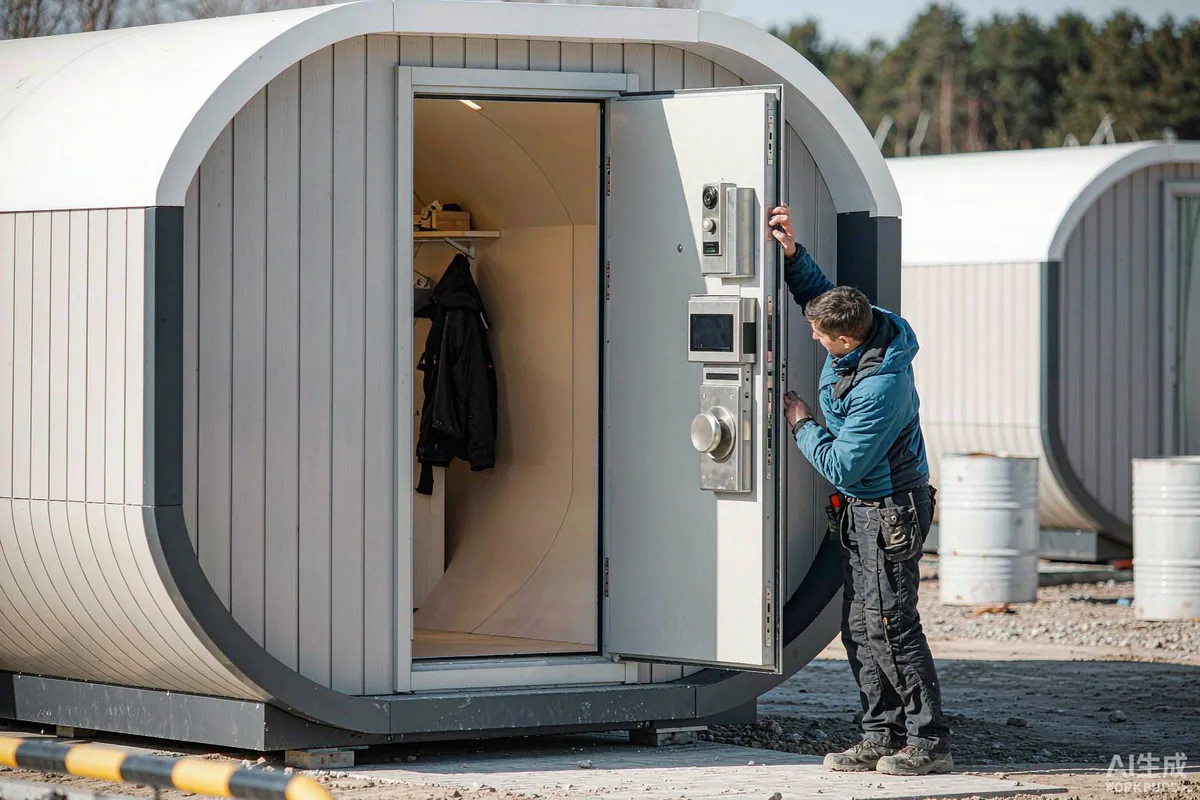
- Transit or lifting damage not noted on delivery. Record it on the day, with photographs, or it becomes your problem.
- Installation outside the agreed method. Supports, anchoring and service connections should follow the supplied drawings.
How to Make a Claim Easy to Approve
Support teams can only act on what they can see. A short, consistent evidence pack turns a slow exchange into a quick decision:
- Unit serial or order reference, and date of delivery
- Three photographs: the wider context, the detail, and any label or marking
- A one-line description of when it started and whether it is getting worse
- What you have already checked or tried
Send it in one message rather than across several days. If a part is needed, ask for the part number rather than a description - part numbers remove ambiguity when a replacement ships internationally.
Spare Parts Worth Holding On Site
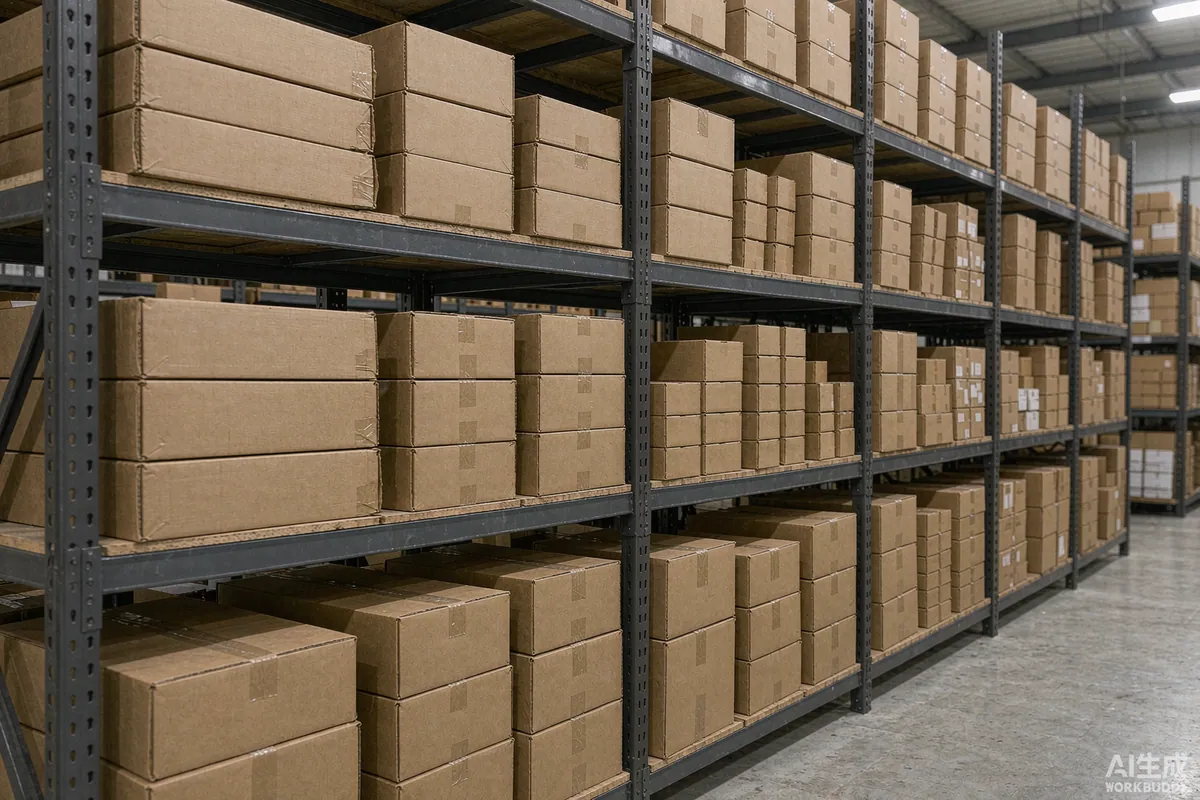
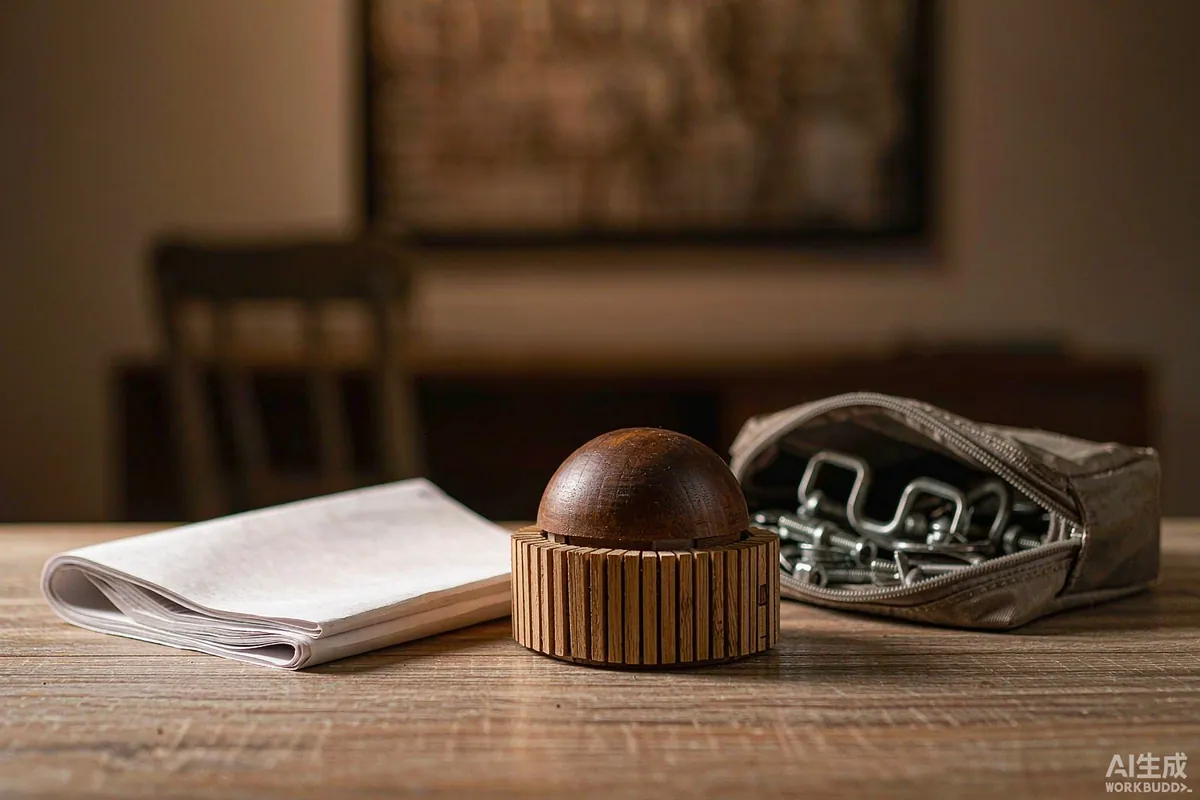
You do not need a warehouse. For a single unit, a small box covers most situations; for a small fleet, standardize the same box per unit so anyone can find the right item.
- Door and window gasket offcuts or a spare length, as specified for your unit
- A spare door handle set and cylinder with keys
- Hinges and screws matching the fitted hardware
- Replacement filters for the ventilation system
- A spare sealed-unit bead or clip set if glazing is bead-glazed
- Fuses and any replaceable control module specified in the handover documents
- A small quantity of the specified exterior sealant and touch-up finish
Store parts in a labelled, dry place inside the unit and record what you used, so the box gets refilled rather than quietly emptied.
Owners vs. Professional Work
Cleaning, filter changes, gasket care and hardware adjustment are reasonable owner tasks. Electrical work, refrigerant circuits, structural supports and sealed-unit replacement are not - they need a qualified tradesperson and, in some cases, they need to be reported to the supplier first so that coverage is preserved. When in doubt, ask before acting; an unauthorized repair is the most common way to turn a covered defect into an uncovered one.
What to Ask a Dealer or Distributor
If you are buying through a dealer rather than directly, the after-sales chain is only as strong as its weakest link. Ask:
- Who holds the warranty - the factory, the dealer, or both?
- Who stocks spare parts locally, and what is the typical lead time for a non-stocked item?
- Is there a trained technician in the region, and what is the call-out process?
- What training and documentation are provided to the local service partner?
Across the Haishu A Series
Warranty structure is the same across the Galactic A series, but the practical risk profile is not. A compact A30 has fewer openings and fewer components to maintain. An expandable A50 or A70 adds a moving mechanism that should be included in the routine inspection, and a double-deck unit adds an internal stair and upper-level glazing to the walk-around. Whichever model you choose, the two habits that matter most are the delivery-day inspection and the maintenance log - both take minutes and both protect you later.
Before You Sign
- Get the warranty document, and read the exclusions first
- Confirm the start date and the claim route in writing
- Note the serial number on delivery and photograph the unit before unwrapping
- Ask for the recommended spare parts list and order it with the unit
- Keep handover documents, keys and parts together, one set per unit
Warranty When the Unit Changes Hands
Capsule homes are movable, and they are sometimes sold - as part of a property, or as a unit on its own. Whether warranty coverage follows the unit or stops with the original buyer is a question worth asking before you buy, because the answer affects resale value.
Transferability
Some warranties are given to the original purchaser only; others follow the unit for the remaining term. Ask which applies, whether a transfer needs to be registered, and whether there is a fee. If you are buying with a view to resale, a transferable warranty is a genuine selling point and should be reflected in the documents you keep.
What a Second Owner Inherits
A buyer inherits your maintenance history as much as your unit. A log showing regular care, plus the original specification and any replacement parts fitted, is worth real money at the point of sale - it converts an unknown object into a documented one.
- Pass over the full handover pack, including the specification sheet and the spare parts list.
- Include the maintenance log and photographs of any work carried out.
- Declare any modification honestly; an undisclosed change discovered later costs far more than it saves.
- Confirm with the supplier whether coverage continues, and get it in writing.
Insurance and Insurable Value
Insurance for a factory-built dwelling is not always identical to insurance for a site-built one, and some insurers will ask for the specification and the serial number. Having both to hand shortens the conversation. If the unit is let to guests, tell the insurer - a material change in use affects cover, and discovering that after a claim is the wrong time to find out.
None of this is complicated. It is just easier to do at the beginning than to reconstruct three years later from memory and a box of unlabelled keys.
More from the Blog

Capsule Home Cost Guide: What You Really Pay in 2026
EXW, shipping, install and the hidden line items — a transparent breakdown of total landed cost.
Read article →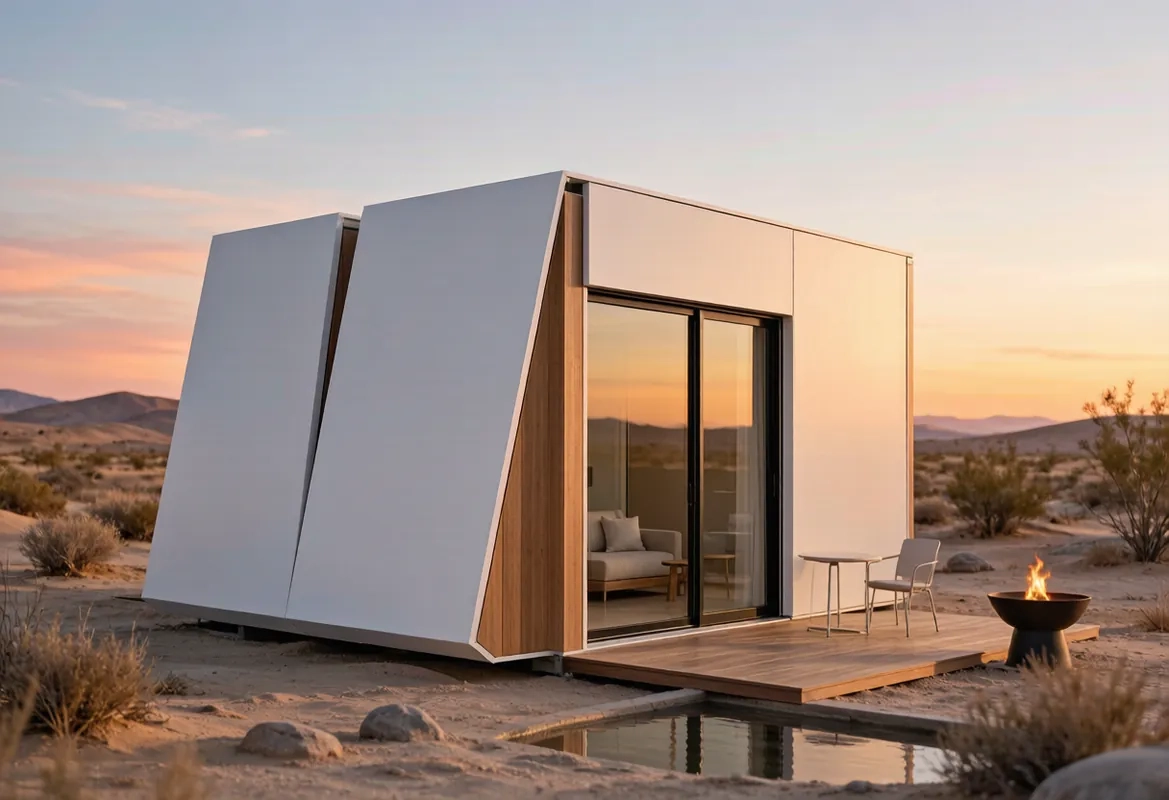
How to Install a Capsule Home in 3 Days: A Step-by-Step Guide
From site prep to first guest — the exact sequence our install crews follow on every deployment.
Read article →
Real Owners, Real Numbers: Success Stories
How a lakeside resort, a Spanish glamping site and a Singapore dealer hit their targets.
Read stories →Talk to the Factory
Ready to Ride the 2026 Wave?
Get the latest catalog, pricing tiers and a layout sketch for your land — straight from the engineering team.