Space Capsule Home vs Yurt: Choosing for a Rental Site
A practical comparison of capsule homes and yurts for short-term rental - envelope, seasonal performance, installation, maintenance, guest expectations and what each implies for operation.
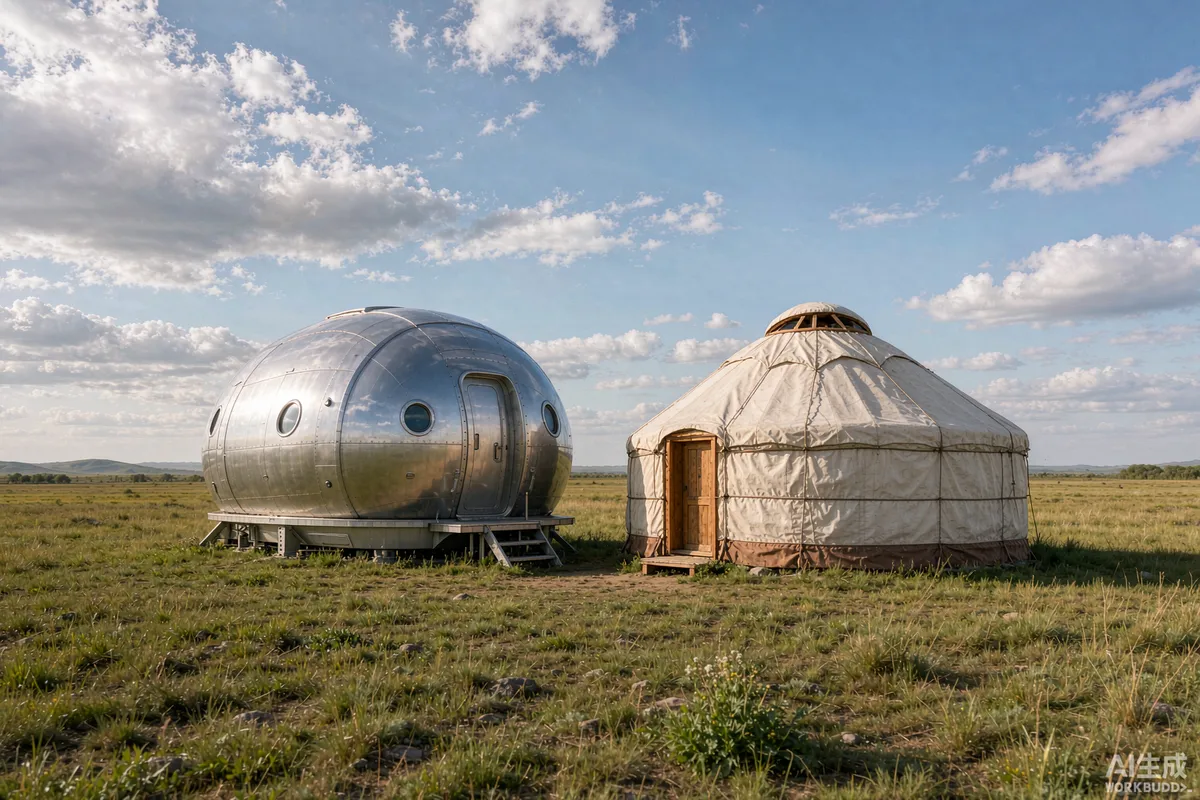
Operators choosing between a capsule home and a yurt are usually choosing between two different businesses rather than two buildings. Both create the distinctive stay that guests seek out, and both photograph well. They differ in what they need from the site, what they can offer across a full year, how much maintenance they absorb, and how they are likely to be treated by local planning. This comparison is written for rental and park operators; specific performance depends heavily on the individual product and the site, so treat it as a framework for questions rather than as a verdict.
Where Each Comes From
The two have different design histories, and it shows in how they behave.
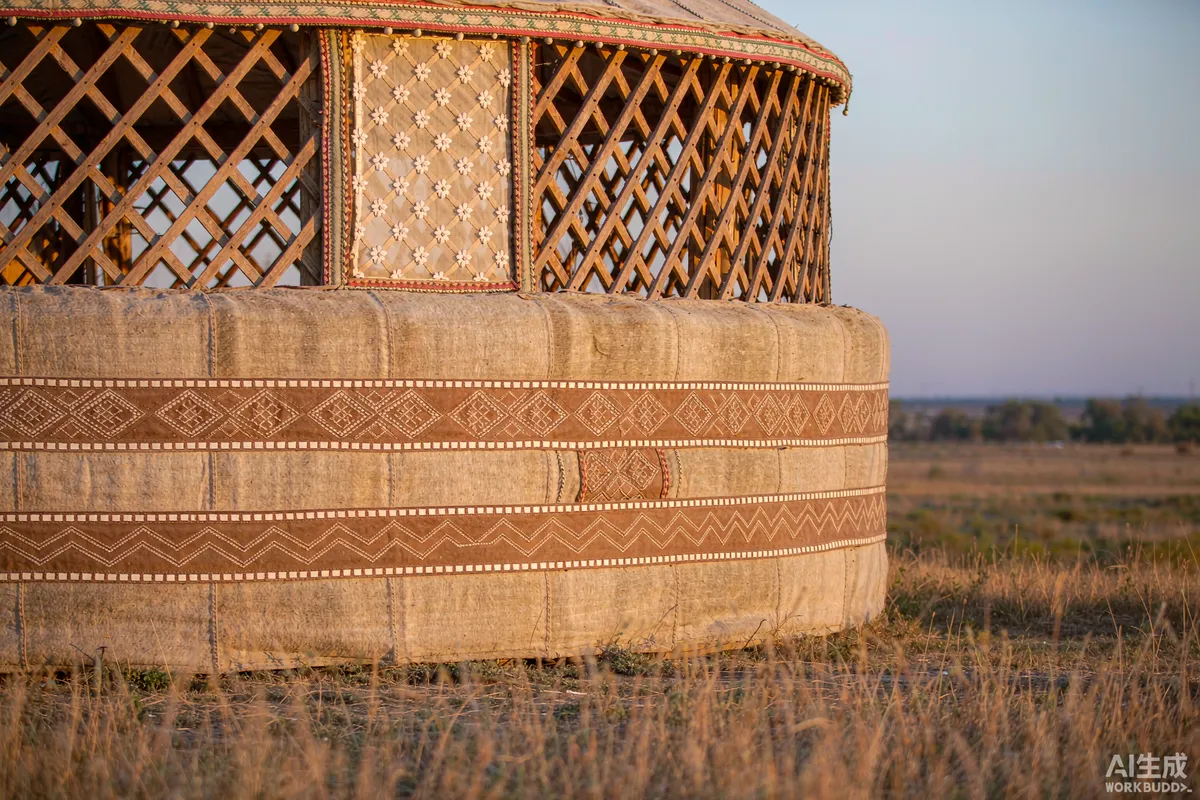
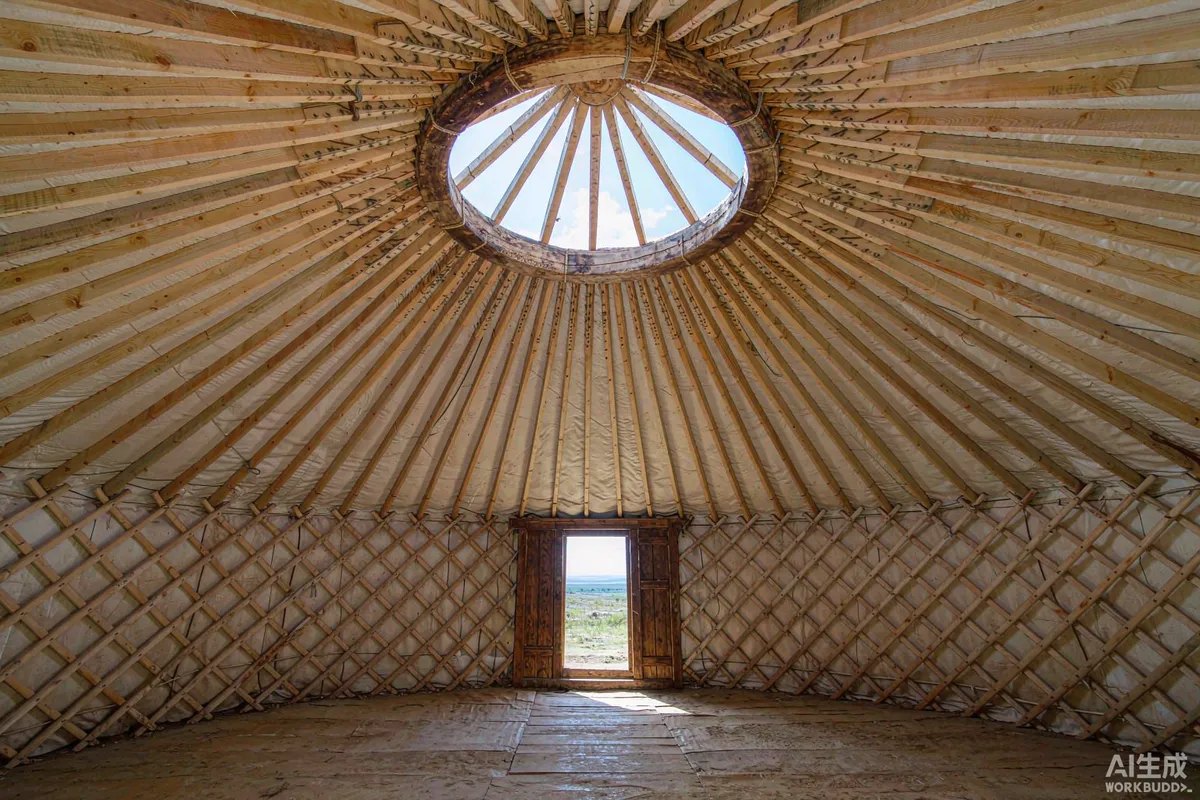
- Yurt. A tensioned fabric or canvas skin over a lattice and rafter frame, with a roof ring. Lightweight, quick to erect, and a well-established format in glamping.
- Capsule home. A factory-built unit with a rigid insulated shell, structural frame and large glazing, delivered substantially finished, with services installed before it arrives.
That difference - a tensioned membrane versus a rigid insulated envelope - drives almost everything that follows.
Side-by-Side on the Points That Decide It
| Factor | Capsule home | Yurt |
|---|---|---|
| Envelope | Rigid, insulated panels with glazing and sealed joints | Tensioned fabric over a frame, insulated liners available |
| Seasonal range | Designed for year-round use including heating and cooling | Comfortable in mild conditions; cold-weather performance depends heavily on specification and heating |
| Acoustic separation | Generally strong, being a sealed rigid structure | Fabric transmits sound; separation between units is limited |
| Services | Bathroom, kitchen and electrical systems installed at factory | Typically a separate or adjacent facility building, or a fitted-out platform |
| Installation | Crane or specialised placement on prepared supports; short on-site programme | Erected on a platform by a small team over a short period |
| Transport | Shipped as a complete or near-complete unit; access and route matter | Components ship compactly and move easily to difficult sites |
| Maintenance | Seals, glazing, mechanical systems, exterior finish | Fabric tension, weatherproofing, treatment, eventual cover replacement |
| Wind and snow | Engineered structure with defined load considerations | Performance depends on design and site exposure; ask for the rating |
| Replacement cycle | Structural envelope with a long service life | Covers and membranes are consumable over time |
Read the table against your climate and your calendar rather than in the abstract. In a mild, summer-weighted season, several of the capsule advantages simply do not get used. In a four-season location, the same list looks very different.
What the Capsule Home Buys You
- A genuinely sealed, insulated envelope. Heating and cooling behave predictably, and the unit is comfortable in conditions where a fabric structure needs considerable help.
- A private bathroom and kitchen inside the unit. This changes the guest proposition materially - no shared facility block, no walk outside in the rain.
- Acoustic separation. In a cluster, this matters more than most operators expect and is difficult to replicate with fabric.
- Security and weather-independence. A lockable rigid structure tolerates wind, rain and unoccupied periods differently.
- Shoulder and winter revenue. The practical effect is a longer bookable season rather than a higher rate alone.
What the Yurt Still Does Well
The capsule format is not a straightforward upgrade, and there are situations where a yurt remains the better decision.
- Sites that are difficult to reach. Components carried in by hand or by small vehicle reach places a delivered unit cannot.
- Lower capital per unit. Entry cost is generally lower, which allows a site to start with more units and learn the market.
- A lighter physical and visual footprint. Relevant where the site is sensitive, or where screening is hard to achieve.
- Proven guest appeal in its own right. Some guests specifically seek the tented experience, and it photographs differently.
- Flexibility. Repositioning within a site, or changing the mix, is generally easier.
A mixed site is a legitimate answer. Using tents as the seasonal layer and rigid units as the year-round core lets occupancy flex with demand instead of forcing every unit to earn across all twelve months.
Questions That Settle It
- How many months can you realistically sell? This is the single most decisive question. If the answer is five, the seasonal advantage is worth less.
- Does each unit need its own bathroom? If the market expects it, the comparison largely resolves itself.
- What does the access route allow? A delivered unit needs a route and a placement method; a packaged structure needs far less.
- How close will units sit? Acoustics become the deciding factor in tight clusters.
- Who maintains it locally? Fabric tensioning and mechanical systems call for very different skills, and availability varies by location.
- What does planning permit? Structures are classified differently between jurisdictions, and the distinction is often decisive rather than procedural.
- What happens in year five? Cover replacement and envelope maintenance are different cost profiles; both should appear in the model.
On the last two points, do not rely on assumptions. Classification, permitted use, fire safety provisions and insurance treatment differ substantially between markets, and a structure that one authority treats as temporary may be treated as permanent by another. Confirm with the relevant local authority and insurer before committing capital. Requirements may vary by application, market and applicable standard.
How to Compare Quotes Honestly
The two formats rarely quote on the same basis, which makes a direct price comparison misleading.
- Compare delivered and commissioned cost rather than unit price - including foundation, craneage, connection and any site works.
- Compare what is included. One quote may include bathroom, kitchen and appliances; the other may require a separate facility building.
- Put maintenance into the model. Cover replacement and envelope upkeep are real costs at different intervals.
- Compare bookable nights, not buildings. A unit that sells eleven months is not the same asset as one that sells five, whatever the purchase price.
- Ask each supplier for references operating in a comparable climate, and ask what they would do differently.
The decision that ages poorly is usually the one made on unit price alone. The decision that ages well is the one made on seasonal revenue, operational effort and what the local market will actually pay for.
What Guests Actually Notice
Operators often compare specifications when guests compare experiences. A few things consistently drive reviews, and they do not always align with the specification table.
- Whether the bathroom is private and indoors. This dominates reviews more than any design feature on either side of the comparison.
- Whether the unit was warm enough, or cool enough. Temperature complaints appear whenever the envelope cannot hold the plan.
- Whether they could hear the neighbours. The factor most often underestimated during planning, and hardest to fix afterwards.
- Whether the space felt dry and sealed. Damp, draught and insects are the recurring negatives in tented accommodation reviews.
- Whether arrival worked. Clear access, a door that opens, and heating already running matters more than either format's aesthetics.
None of this makes one format correct. It does suggest reading guest feedback from comparable sites in a comparable climate before deciding, since that evidence is considerably more predictive than any product comparison written from the outside.
The Five-Year Picture
Capital cost is the visible part of the comparison and rarely the decisive one over a five-year horizon.
- What needs replacing, and when? Fabric covers, tensioning hardware and sealed joints sit on very different cycles.
- What does an outage cost? A unit taken out of service for repair loses bookable nights at peak if it happens in season.
- Who can repair it locally? Availability of suitable trades varies enormously by region and directly affects downtime.
- How does insurance treat it? Premium and classification may differ between structure types, which is worth establishing before purchase rather than at renewal.
- What is it worth at resale? Both have second-hand markets, but liquidity differs by location and by how standardised the unit is.
Expressed per bookable night over five years rather than per building, the ranking between the two options frequently changes - and it usually changes in favour of whichever format suits the local season length and the skills available nearby.
More from the Blog

Capsule Home Cost Guide: What You Really Pay in 2026
EXW, shipping, install and the hidden line items — a transparent breakdown of total landed cost.
Read article →
How to Install a Capsule Home in 3 Days: A Step-by-Step Guide
From site prep to first guest — the exact sequence our install crews follow on every deployment.
Read article →
Real Owners, Real Numbers: Success Stories
How a lakeside resort, a Spanish glamping site and a Singapore dealer hit their targets.
Read stories →Talk to the Factory
Ready to Ride the 2026 Wave?
Get the latest catalog, pricing tiers and a layout sketch for your land — straight from the engineering team.