Capsule Home vs Tiny House on Wheels: How to Choose
Both are small, factory-built and delivered complete. The difference is mobility, classification, services and how each one ages on your land.
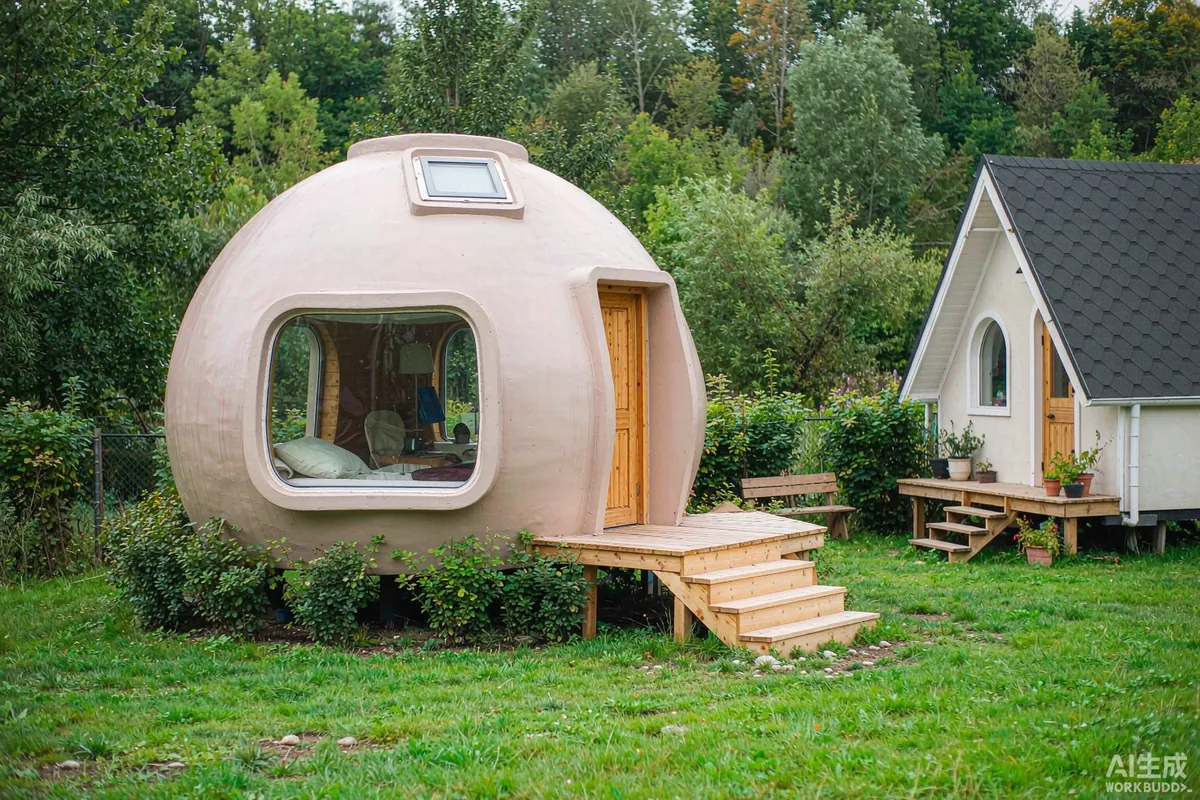
A capsule home and a tiny house on wheels are both small, factory-built and delivered complete, which is why they get compared. The real difference is what happens next. A tiny house is built to a road-towing format and is usually classified as a vehicle or a trailer-based structure; a capsule home is built as a building that happens to be transportable by ship or truck. That single distinction drives classification, permitting, financing, insurance and how each one wears over ten years. Choose on what you need the structure to be, not on floor area.
The Short Answer
If you need to move it frequently by road under your own arrangement and keep it legally mobile, a tiny house on wheels has the advantage. If you want a permanent-feeling building with a proper envelope, glazing and services, on land you own or lease long-term, a capsule home is the stronger choice. Most buyers who started by comparing size end up deciding on classification and services instead.
The Core Difference
| Aspect | Capsule home | Tiny house on wheels |
|---|---|---|
| Built as | A building with a steel frame and insulated envelope | A trailer-mounted structure built to towing dimensions |
| How it travels | Container, flatbed or low-loader; lifted into place | Towed behind a vehicle on its own chassis |
| Typical classification | Often treated as a building or relocatable structure | Often treated as a vehicle, caravan or movable dwelling |
| Services | Connected at fixed points below or beside the unit | Often designed for temporary hook-ups and quick disconnect |
| Glazing | Large fixed panoramic panels, insulated build-up | Smaller openings, constrained by transport vibration |
| Height | Can be double-deck with full headroom on both levels | Constrained by road clearance limits |
That height row matters more than it looks. A double-deck capsule gives two full-height levels; a road-legal tiny house generally cannot, which is why loft beds with restricted headroom are common in one and not the other.
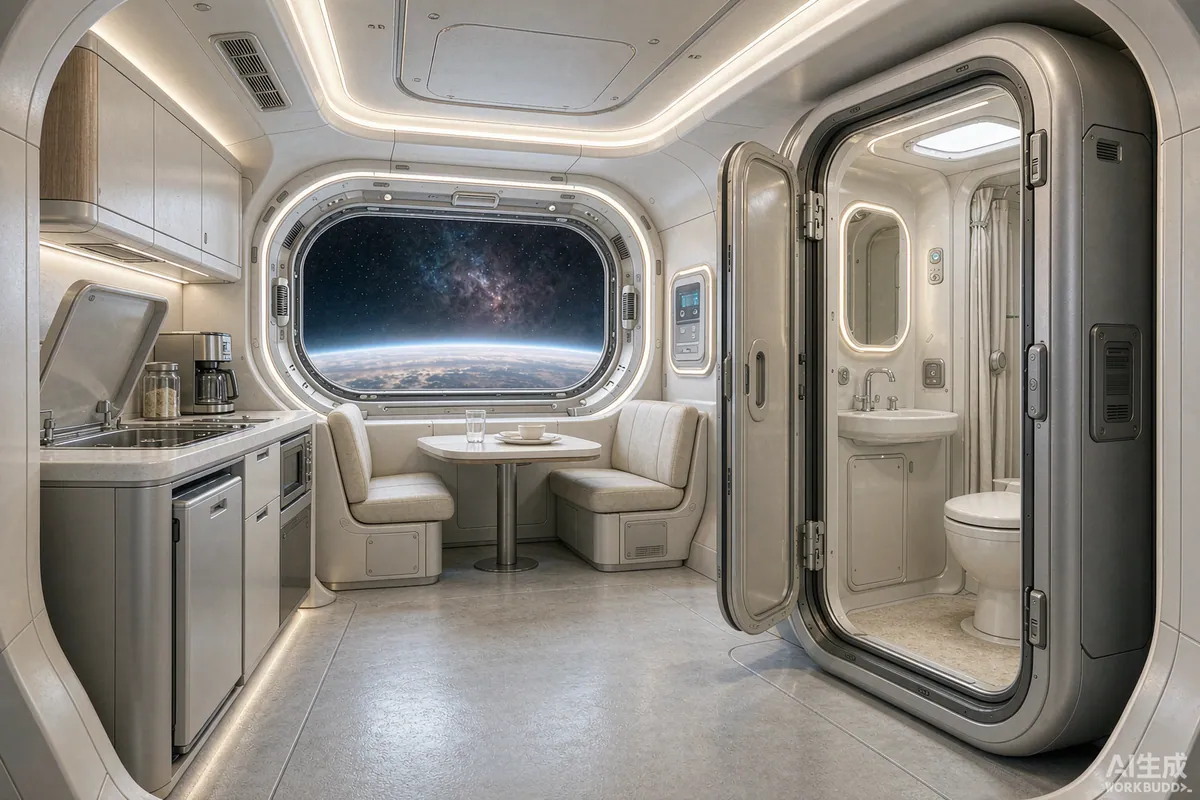
Classification Decides Almost Everything
Before you compare prices, find out which box your authority puts each option in. It determines whether you need a building permit, whether you can connect permanently to mains services, whether a lender will treat it as security, and which insurance product applies. The same physical object can be treated very differently in two neighbouring jurisdictions, so ask locally rather than relying on what you read online. Requirements may vary by application, market and applicable standard.
This is also where the "movable" advantage of a tiny house can cut both ways. Being classified as a vehicle avoids some building requirements and creates others - registration, towing rules, and restrictions on where it may be parked or lived in.
Transport: Road Versus Sea
A tiny house is designed to be towed, which is genuinely convenient if you expect to relocate often and locally. A capsule home is designed to travel in a container or on a flatbed, which suits long-distance and international moves but needs a crane and a delivery plan each time. In practice: frequent local moves favour the tiny house; one long-distance move to a site you intend to keep favours the capsule.
Consider the condition of your access as well. A towed unit needs a road a trailer can negotiate and ground firm enough to support it. A delivered unit needs a route a truck can use and space for a crane - and the same site surveys apply either way.
Envelope, Comfort and Longevity
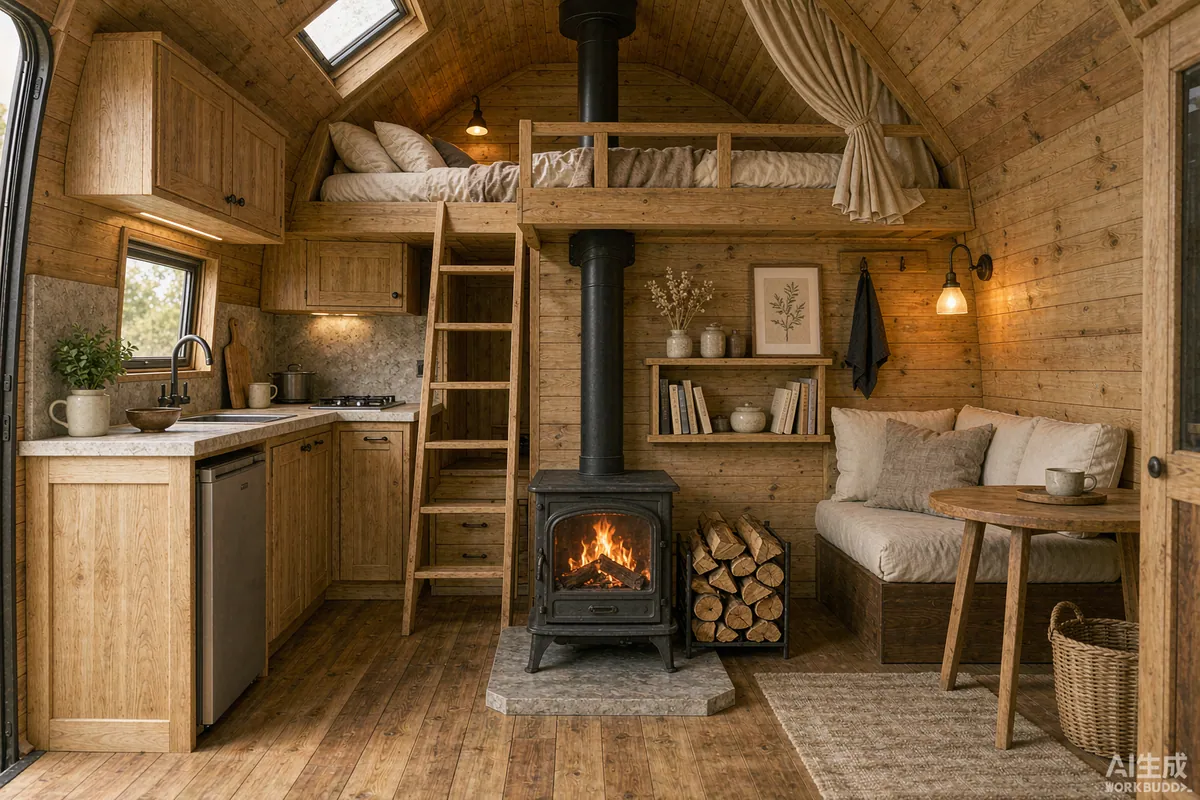
Because it is not constrained by towing weight, a capsule home can carry a heavier insulated envelope and larger glazing. That shows up in three practical ways: steadier internal temperatures, less condensation risk on the glass, and lower running cost for heating and cooling. It also usually means a quieter interior, since mass and sealed construction reduce both airborne and impact noise.
A tiny house built to a towing format is optimised for weight, which tends to mean thinner insulation and smaller openings. That is not a defect - it is the correct engineering for something that will be towed at speed - but it does change how the space performs in temperature extremes.
For longevity, look at corrosion protection, the glazing sealing system and how services are run. Ask both suppliers the same questions; the answers are more informative than the marketing.
Services and Utilities
- Water and drainage. A fixed building-format unit usually connects at defined points to a mains or tank supply and a drain or soakaway. A towed unit more often uses temporary hook-ups and holding tanks.
- Electrical. Confirm voltage, frequency and the supply capacity at your site for either option, and have the final connection made by a qualified electrician.
- Heating and hot water. Both need the same sizing logic - envelope first, equipment second.
- Internet. Plan it. Remote sites fail on connectivity more often than on power.
Cost: Compare the Same Things
Quotations for the two are rarely structured the same way, which makes direct comparison misleading. Put both on the same basis before deciding:
- The unit, at the same Incoterm or delivery basis.
- Delivery to your site, including crane or towing.
- Foundation, ground works and access improvements.
- Service connections and any permits.
- Insurance and, if applicable, registration.
- A realistic contingency.
Then consider residual value. A structure that can be re-sited and re-sold as a building behaves differently from one that depends on a road-legal chassis staying in good condition.
Which Fits Which Buyer
| Situation | Usually the better fit |
|---|---|
| Permanent home on land you own | Capsule home |
| Glamping or resort unit intended to stay put | Capsule home |
| Frequent relocation between sites | Tiny house on wheels |
| Site with road-towing access but no crane access | Tiny house on wheels |
| Need for two full-height levels | Capsule home (double deck) |
| Jurisdiction that only permits movable dwellings | Tiny house on wheels |
Questions to Ask Either Supplier
- How is the unit classified in my area, and what have other buyers experienced?
- What is the wall and roof build-up, and what is the glazing specification?
- How is it delivered, and what does my site need to make that possible?
- Where do services connect, and are the connection points accessible later?
- What is the maintenance schedule, and what documentation comes with it?
- Can I inspect before shipment?
Insurance and Financing Compared
The two options sit in different boxes for insurers and lenders, and the difference is worth checking before you commit rather than after. Ask each insurer which product they would use, what classification they are quoting on, and whether they have placed similar risks before. A structure treated as a building is usually assessed on construction, foundation and location; one treated as a vehicle or movable dwelling is often assessed on security, storage and how it is used. Neither is necessarily better, but the cover, the excess and the exclusions differ enough to change the annual cost.
Financing follows the same pattern. A unit classified as a building on owned land is easier to secure lending against, because there is land and a structure. A movable unit may need a different product - sometimes closer to vehicle or equipment finance - and the rates and terms reflect that. If you need finance, ask the lender how they would treat each option before you choose, because the answer can matter more than the price difference between the two.
The Takeaway
Decide between these two on classification, transport and services rather than on size or style. If your plan is a long-term building on a known plot, the capsule home's envelope, glazing and headroom will usually serve you better. If your plan is genuine mobility and your local rules favour movable dwellings, the tiny house remains the right tool. Either way, get the classification answer first - it narrows the decision faster than any comparison table.
More from the Blog
Capsule Home Cost Guide: What You Really Pay in 2026
EXW, shipping, install and the hidden line items — a transparent breakdown of total landed cost.
Read article →
How to Install a Capsule Home in 3 Days: A Step-by-Step Guide
From site prep to first guest — the exact sequence our install crews follow on every deployment.
Read article →
Real Owners, Real Numbers: Success Stories
How a lakeside resort, a Spanish glamping site and a Singapore dealer hit their targets.
Read stories →Talk to the Factory
Ready to Ride the 2026 Wave?
Get the latest catalog, pricing tiers and a layout sketch for your land — straight from the engineering team.