Space Capsule Home vs Park Model RV: What Buyers Should Compare
A practical comparison of space capsule homes and park model recreational vehicles - envelope, insulation, transport, installation, lifespan and how each is treated on site.
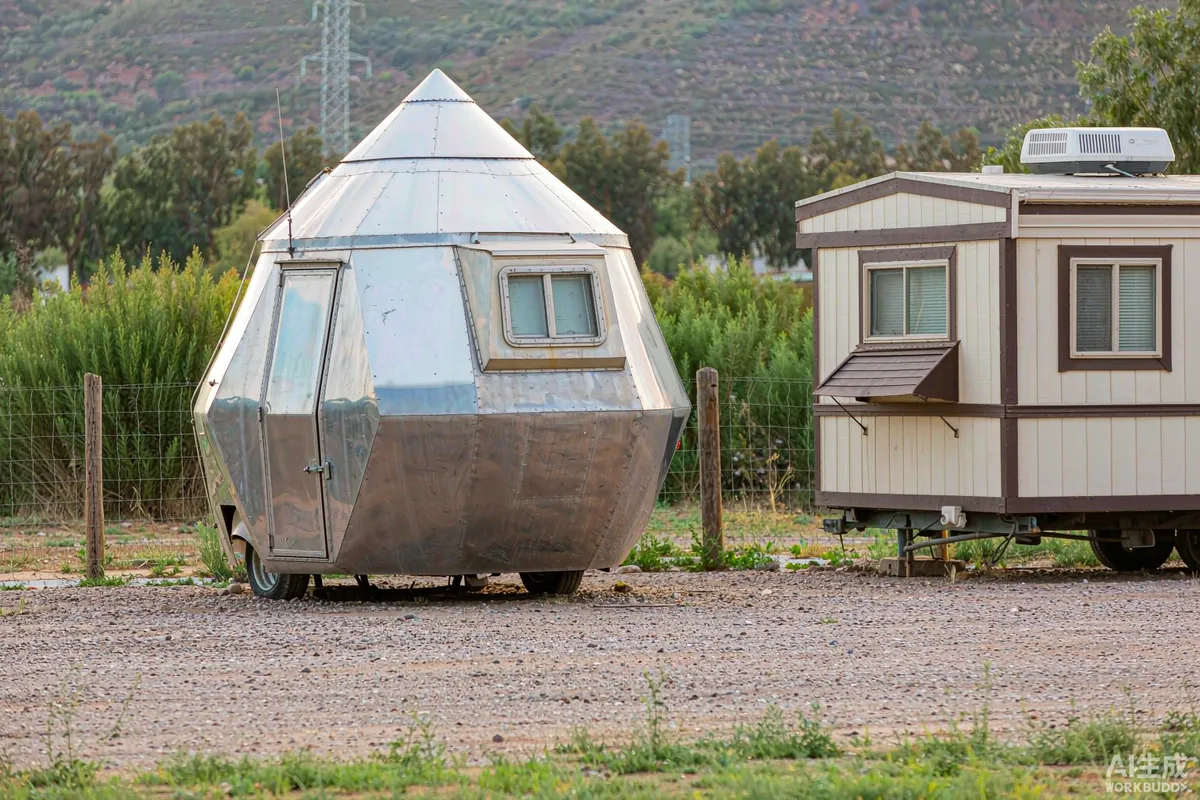
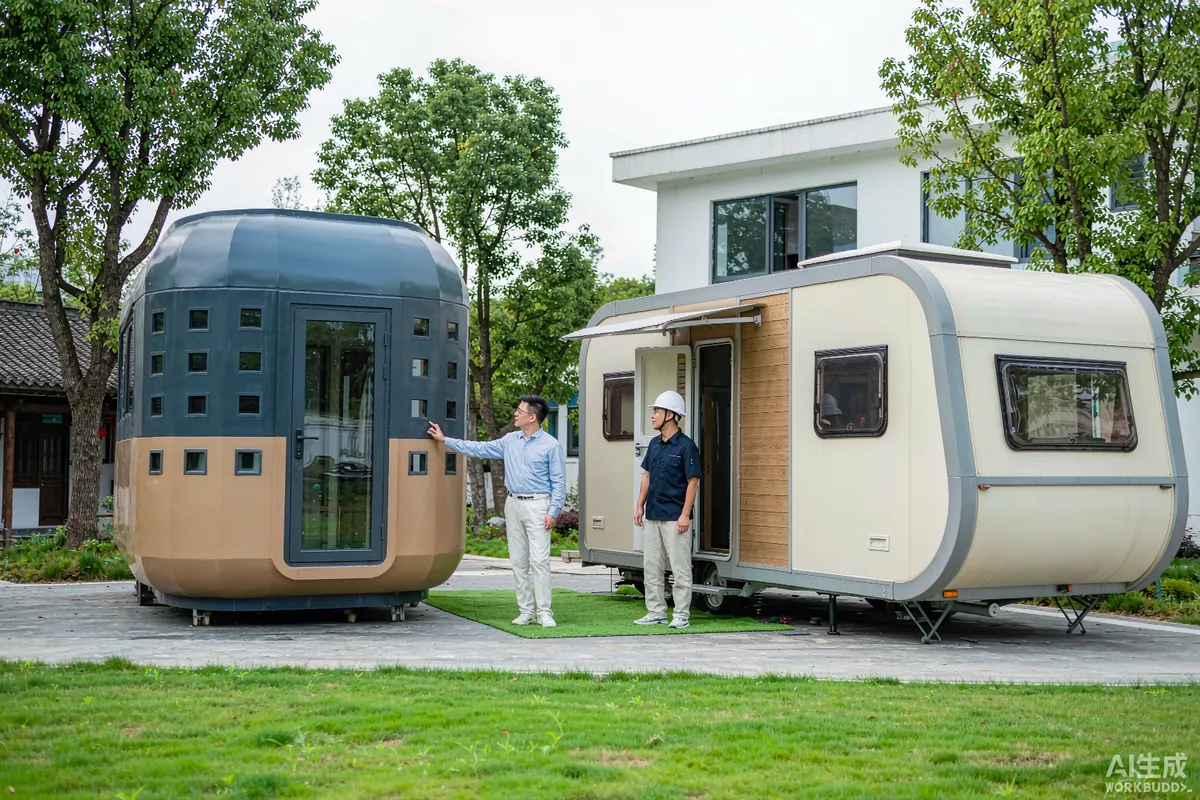
Buyers comparing a space capsule home with a park model recreational vehicle are usually comparing two different answers to the same question: how to place comfortable, movable accommodation on a site quickly. Both arrive largely finished, both can be relocated, and both avoid conventional foundations in many cases. They differ in how they are built, how they are transported, how they perform thermally, and how they are likely to be treated by local authorities and insurers. Which of those matters most depends on whether the unit is a permanent installation or a movable asset - and that single question decides most comparisons.
Start With the Question That Decides It
Before comparing specifications, decide what the unit is.
- A movable asset that will be relocated, resold, or reconfigured as demand changes favours whichever product holds its mobility, transport efficiency and resale market best in your region.
- A long-term installation on one site for years favours the option with the better envelope, thermal performance and durability, because those qualities compound over time.
- A mixed fleet may legitimately include both, with movable units covering peak demand and fixed units forming the core.
Writing that down first prevents the most common buying error: comparing on purchase price alone and discovering later that the relevant difference was in operating cost or in how the unit could be sited.
Where the Differences Actually Show
| Comparison point | Space capsule home | Park model RV | Why it matters to a buyer |
|---|---|---|---|
| Building envelope | Factory-built panels with a sealed, insulated assembly and large glazing | Constructed to recreational vehicle practice, typically lighter wall build-ups | Affects comfort in temperature extremes and the cost of heating and cooling |
| Transport form | Delivered as a compact unit or in folded/expanded form depending on model | Built to travel on the road with widths and dimensions set for towing | Determines route limitations, escort needs and cost of moving |
| Installation on site | Placed on prepared supports, connected to services | Placed, levelled, and connected; often designed for quicker redeployment | Drives groundwork cost and how fast a site can open |
| Thermal behaviour | Tight envelope, strong performance with continuous insulation | More variable; depends heavily on the specific model and its specification | Shows up in winter heating cost and summer cooling load |
| Interior character | Residential finishes, panoramic glazing, open plan | Typically more compact, with built-in furniture and RV-style systems | Shapes the guest experience and the price point you can charge |
| Relocation | Possible, but planned as an occasional event | Designed for repeated movement | Matters if you expect to redeploy seasonally |
| Classification | Treated differently between markets | Often falls under vehicle or recreational unit frameworks | Affects permitting, insurance and how it can be financed |
The classification row is the one buyers most often skip and later regret. Whether a unit is treated as a vehicle, a structure or something in between influences permits, insurance, taxation and financing - and it can differ between two neighbouring jurisdictions. Requirements may vary by application, market and applicable standard.
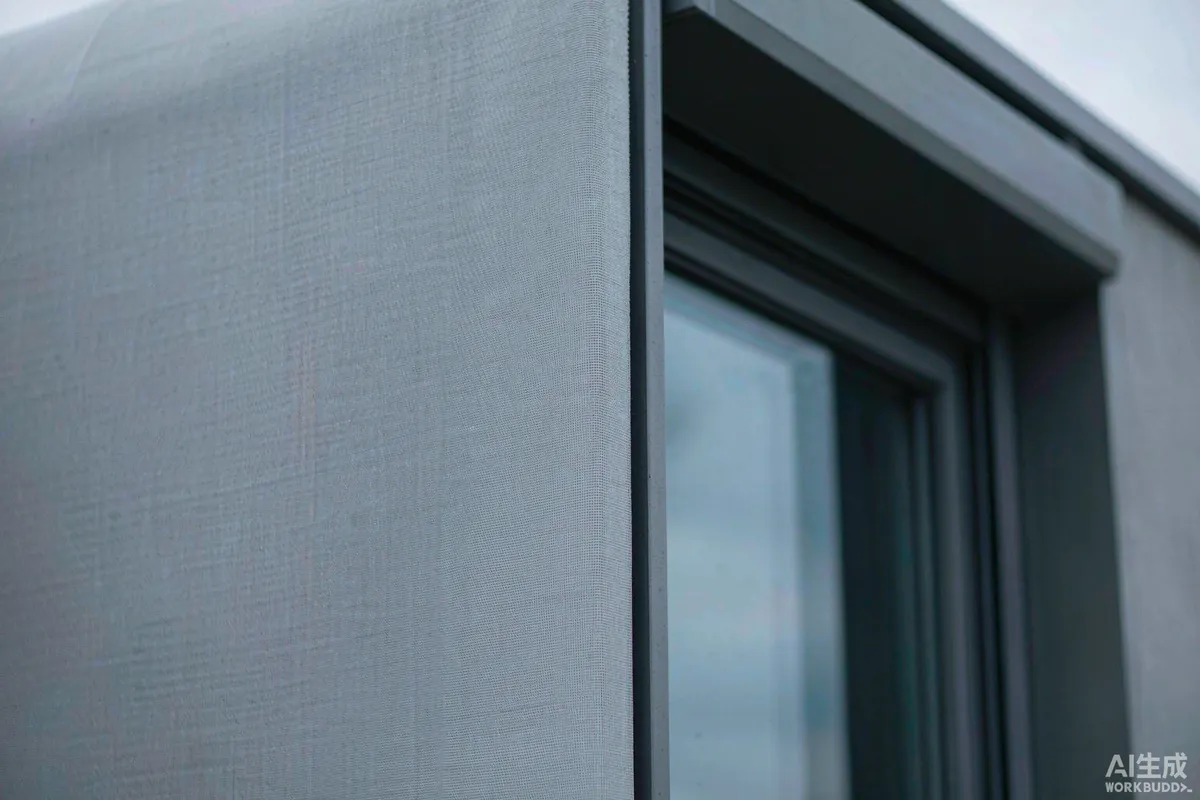
Thermal Performance: The Difference That Compounds
In mild weather, both options perform acceptably. The difference appears at the edges of the season, and it appears every year of the asset's life.
- Continuous insulation. A panel assembly that keeps insulation unbroken at junctions performs differently from one with thermal bridges at every frame member.
- Air tightness. A sealed envelope reduces uncontrolled heat loss, but requires deliberate ventilation to manage moisture.
- Glazing. Large panoramic panels are a large part of the heat balance; specification of the glass unit and frame matters at least as much as the wall.
- Thermal mass. Lighter structures respond faster to heating and cooling, which can be an advantage or a disadvantage depending on occupancy pattern.
For a park operating through a cold winter or a hot summer, the annual energy difference between a well-specified envelope and a light one is often larger than the difference in purchase price amortised over the same period. Ask for the specification in comparable terms - insulation type and thickness, glazing specification, and air-tightness approach - rather than a comfort claim.
Delivery, Access and Placement
How a unit reaches the site and what it needs when it arrives is frequently the hidden cost in a comparison.
- Route survey. Width, height, weight and turning radius determine whether a unit can reach the site at all.
- Placement equipment. Whether a crane, a lift, or towing is required, and what the site can accommodate.
- Ground preparation. Both need a prepared, level, drained base; the type and cost differ with the product and the site.
- Service connections. Power, water and drainage hook-up positions should be confirmed before the unit is specified, not after it lands.
- Expansion or unfolding. Where a unit arrives compact and expands on site, confirm the clearances and the crew needed.
Lifespan, Maintenance and Resale
Both categories can serve a park well for years with proper maintenance, but the maintenance profile differs.
- Exterior finishes. Panel systems and vehicle-type finishes age differently and have different repair paths.
- Seals and glazing. Large glazed areas need periodic seal and drainage inspection regardless of product type.
- Chassis and running gear. A product designed to be towed carries components that require their own maintenance even when the unit never moves.
- Interior wear. Rental use is hard on finishes in any product; specify with turnover in mind.
- Resale market. Depth of the second-hand market differs by region and by category; ask local operators, not only sellers.
Matching the Product to the Business Model
Specifications matter less than fit. The same unit can be the right or wrong purchase depending entirely on how the business intends to use it.
- Short-stay holiday rental. Guest experience and photography carry the most weight; envelope comfort matters because reviews mention temperature and noise.
- Seasonal park with a closed winter. Durability through closure, ease of seasonal shutdown and start-up, and resistance to condensation during idle periods come to the front.
- Year-round staff or workforce accommodation. Robust interiors, straightforward maintenance, and predictable running cost per occupant matter more than the arrival impression.
- Backyard or ancillary use on an existing property. Classification, placement constraints and visual integration often decide the question before performance does.
- Event or temporary deployment. Speed of placement, transport efficiency and redeployment cost dominate; long-term envelope performance matters less.
Write the primary use in one sentence and let it resolve the trade-offs. A buyer who says "we will use it for everything" usually ends up with a compromise that suits none of the uses particularly well, and the clearest sign of that is a specification assembled from whichever option was cheapest on each line.
How to Decide in an Afternoon
- Write down whether the unit is movable or permanent for you.
- Ask both suppliers for the same five specifications: envelope build-up, glazing specification, insulation, transport dimensions, and placement requirements.
- Confirm classification and permitting treatment with the local authority for your intended use.
- Ask your insurer how each would be covered on your site.
- Speak to one operator already running each type in a comparable climate.
Those five steps will usually produce a clear answer. Where they do not, the honest conclusion is often that a mixed fleet - a permanent core plus movable capacity for peak periods - serves the business better than committing entirely to one category.
More from the Blog

Capsule Home Cost Guide: What You Really Pay in 2026
EXW, shipping, install and the hidden line items — a transparent breakdown of total landed cost.
Read article →
How to Install a Capsule Home in 3 Days: A Step-by-Step Guide
From site prep to first guest — the exact sequence our install crews follow on every deployment.
Read article →
Real Owners, Real Numbers: Success Stories
How a lakeside resort, a Spanish glamping site and a Singapore dealer hit their targets.
Read stories →Talk to the Factory
Ready to Ride the 2026 Wave?
Get the latest catalog, pricing tiers and a layout sketch for your land — straight from the engineering team.