Capsule Home vs Geodesic Dome: Which Glamping Unit Should You Buy?
Geodesic dome or capsule home? Compare comfort, season length, installation, durability and revenue potential before choosing a glamping structure.
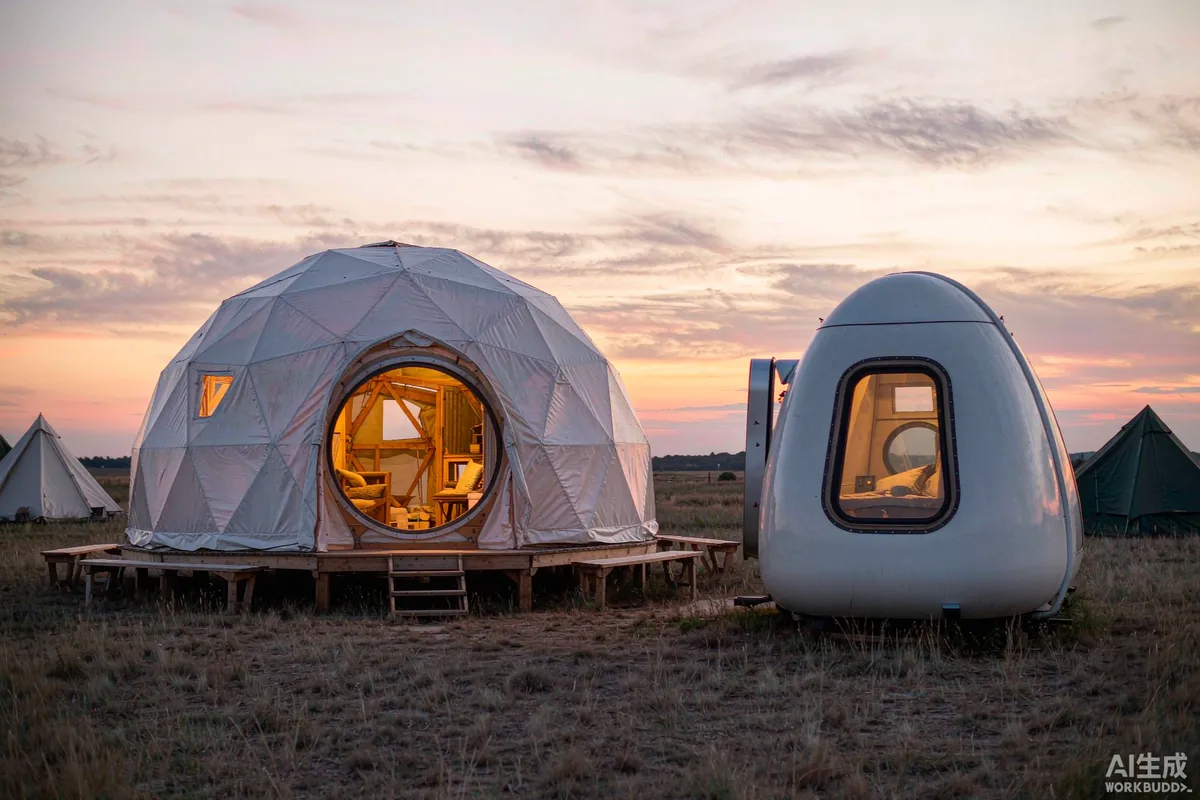
Both structures are bought to create distinctive, bookable accommodation, and both photograph well. The difference is what happens after the photographs: a dome is essentially a high-quality membrane structure, while a capsule home is an insulated, factory-finished building. That difference drives season length, maintenance, achievable rate and how many nights a year you can actually sell.
The short version: choose a dome where budget, speed and a light footprint dominate, and where your season is mild. Choose a capsule home where you want year-round operation, a conventional interior with a bathroom and kitchen, and a rate that reflects a building rather than a tent.
What Each One Structurally Is
A geodesic dome is a framed structure - usually steel or aluminium struts - covered with a tensioned membrane, often PVC-coated fabric or a similar material, sometimes with an insulated liner. Its strength comes from the geometry, which distributes load efficiently across the frame.
A capsule home is a factory-built unit with a structural frame, an insulated envelope, a vapour-control layer, factory-fitted glazing and a finished interior. Wiring, plumbing, bathroom and kitchen are installed before it ships.
Thermal Performance and Season Length
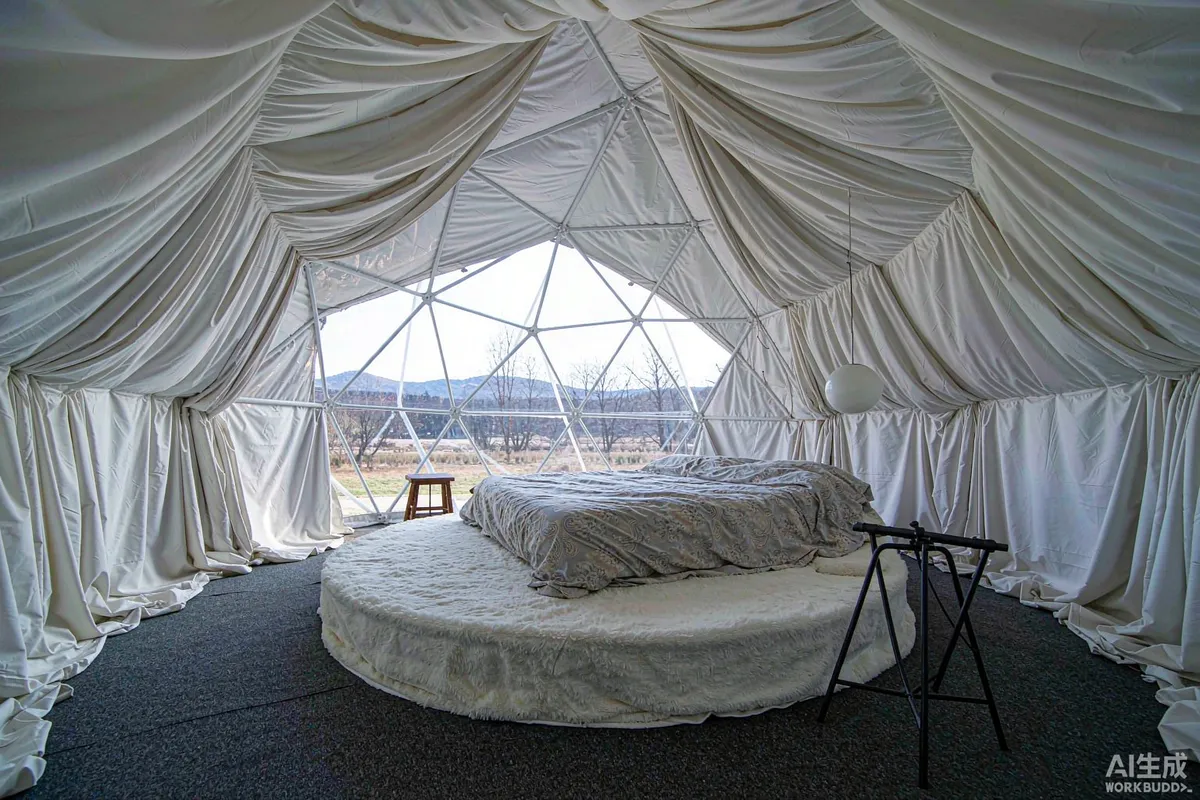
This is the largest practical difference. A single-layer membrane has limited insulating value. Insulated liners improve it, but the enclosed volume is large and largely glazed or membrane-clad, which makes heating and cooling a significant load in extreme conditions.
A capsule home has a designed wall build-up with continuous insulation and double or triple glazing. In cold winters or hot summers that translates into a materially longer comfortable season - and a longer season is worth more than a small difference in nightly rate, because it adds bookable nights rather than shifting them.
Interior Fit-Out
Domes are usually fitted out on site. Plumbing and sanitary provision are commonly added as a separate pod or as an external facility, depending on what your local rules permit. Electricity is straightforward; water and waste are the complications.
Capsule homes arrive with the bathroom, kitchen and services already installed and tested. That reduces on-site trades and shortens the gap between delivery and first booking - which is a real financial variable, not just a convenience.
Durability and Maintenance
| Factor | Geodesic dome | Capsule home |
|---|---|---|
| Envelope | Membrane; finite service life, replaceable | Hard shell; refinishable |
| Wind and snow | Check rated loads and anchoring carefully | Check rated loads and anchoring carefully |
| UV exposure | Primary ageing mechanism for the membrane | Affects exterior finish; manageable |
| Seals and joints | Fewer rigid joints, more tensioned fabric | Seals at panels and glazing; inspectable |
| Repair | Patch or replace cover | Replace panel or component |
| Maintenance pattern | Regular tension and membrane checks | Periodic seal, finish and service checks |
Neither structure is maintenance-free. The question is which maintenance pattern your team can actually sustain, and which failure mode you can absorb: a damaged membrane panel is a different problem from a worn glazing seal.
Installation and Site Work
A dome typically arrives as a kit and is assembled on site, which is less demanding in terms of crane access and ground bearing. That makes domes viable on sites where a delivered unit would be difficult or expensive to place.
A capsule home is lifted into position by crane onto prepared supports, then connected to services. It needs vehicle access and a crane standing area - the constraint that most often decides whether a particular plot can host one. Where access is good, installation is fast and largely independent of local trade availability.
Living Inside Each One: Noise, Condensation and Light
Two practical differences affect guest comfort more than buyers expect, and neither is obvious from the marketing photography.
Noise and rain. A membrane roof transmits sound differently from an insulated solid roof. Heavy rain on fabric is audible, wind noise is part of the experience, and sound carries within the open volume of a dome. Some guests find that atmospheric; others find it hard to sleep through. A capsule home with a solid insulated envelope is quieter in the same weather.
Condensation. A single-layer membrane is a cold surface. Moist interior air condenses on it readily in cool weather, which can produce drips and damp bedding in a way an insulated wall does not. Insulated liners and good ventilation help, but this is inherent to the construction type rather than a defect. Ask what ventilation provision is made and how condensation is managed before you commit.
Light. Both structures deliver daylight well. The difference is when it arrives: a transparent dome roof brings first light into the room very early, which is charming in principle and a complaint in practice from guests who wanted to sleep. Consider whether a covering is available for the sleeping area.
Guest Experience and Rate
Domes deliver volume, light and a sense of occasion. Guests who want to sleep under a transparent roof and watch the sky genuinely love them, and that experience commands a premium in mild conditions.
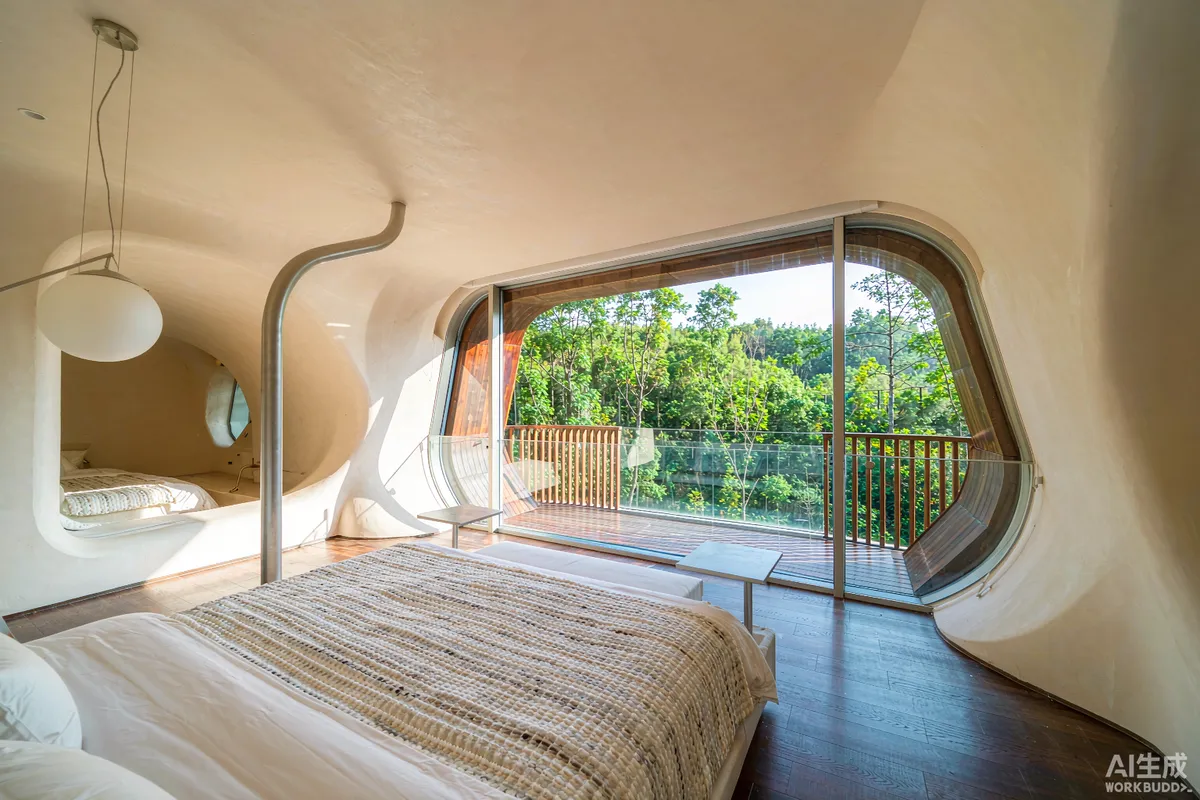
Capsule homes deliver quiet, thermal comfort, privacy and a conventional interior. They suit guests who want the view without the camping element - including older guests, families and anyone staying more than a couple of nights.
In practice many sites run both, because they attract different booking profiles and smooth occupancy across the year. If you can only run one, the deciding question is your climate: a dome in a cold winter is a seasonal asset, a capsule home is not.
Cost Structure and Expected Lifespan
Purchase price is the least useful comparison between the two, because the cost profiles are shaped differently. A dome typically has a lower entry cost and lower freight and installation cost, but the membrane is a component with a finite service life that will eventually need replacing. A capsule home has a higher entry cost, heavier logistics, and a hard envelope that can be refinished rather than replaced.
The comparison that matters is cost per bookable night over the period you intend to operate, including the membrane replacement or exterior refurbishment you should be budgeting for. Doing that arithmetic honestly often changes the ranking, particularly if you plan to operate year-round for a decade or more.
- Entry cost: generally lower for a dome.
- Installation: lower for a dome where crane access is poor.
- Recurring envelope cost: membrane replacement versus periodic refinishing.
- Energy cost: higher for a membrane structure in extreme conditions.
- Bookable nights per year: generally higher for an insulated unit.
Planning and Classification
How each structure is treated by your local authority can differ, particularly around permanence, foundations and sanitary provision. This can affect whether you need consent at all, and it is worth confirming before ordering either type. Requirements may vary by application, market and applicable standard.
A Decision Shortcut
- Mild climate, limited access, tight budget: dome.
- Cold winters or hot summers: capsule home.
- Year-round operation: capsule home.
- Site with poor crane access: dome.
- En-suite bathroom and kitchen required in the unit: capsule home.
- Shortest path from purchase to opening, where access is good: capsule home.
- Maximising visual drama per unit of spend: dome.
Whichever you choose, buy based on the season you can sell, not on the season you enjoy. The structure that earns is the one that stays comfortable and bookable in the months when your competitors are closed.
More from the Blog

Capsule Home Cost Guide: What You Really Pay in 2026
EXW, shipping, install and the hidden line items — a transparent breakdown of total landed cost.
Read article →
How to Install a Capsule Home in 3 Days: A Step-by-Step Guide
From site prep to first guest — the exact sequence our install crews follow on every deployment.
Read article →
Real Owners, Real Numbers: Success Stories
How a lakeside resort, a Spanish glamping site and a Singapore dealer hit their targets.
Read stories →Talk to the Factory
Ready to Ride the 2026 Wave?
Get the latest catalog, pricing tiers and a layout sketch for your land — straight from the engineering team.