Sub-Metering Water and Electricity Across a Capsule Home Park
Running several capsule homes on a shared supply? How sub-metering works, what to meter, where meters go, and how to use consumption data operationally.
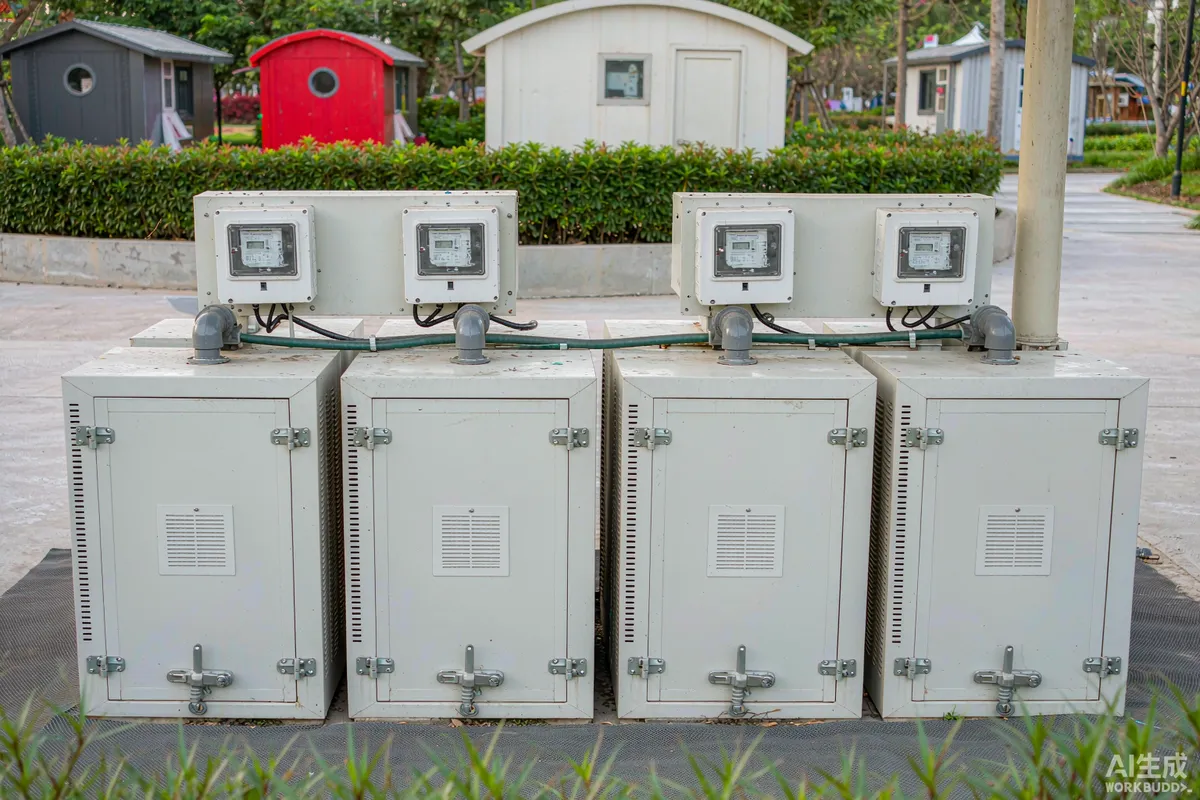
If you run more than one capsule home from a shared supply, a single bill tells you almost nothing. You cannot see which unit is consuming what, you cannot tell a genuine increase from a running toilet, and you cannot charge a long-stay occupant fairly. Sub-metering - a meter per unit behind the main supply - solves all three, and it is far easier to install during site build than to add later.
The decision is not really about billing. Most operators find that the operational value - spotting leaks, verifying performance and planning capacity - is worth more than the amounts recovered from occupants.
Why Sub-Meter
- Fair allocation. Where an occupant pays for consumption, a shared bill cannot be divided credibly.
- Leak and fault detection. A unit drawing water with nobody in it is visible immediately rather than at the end of the quarter.
- Behaviour feedback. Occupants who can see consumption use less of it, particularly for heating and hot water.
- Verification. You can confirm that the system performs as specified rather than assuming it does.
- Capacity planning. Real per-unit data tells you what the next phase of expansion actually needs.
- Dispute resolution. A reading with a date ends an argument that a shared estimate never will.
What to Meter
Start with the services where the cost is material and the consumption varies between occupants.
- Electricity - usually the largest variable, and the one most affected by heating, cooling and appliance use.
- Water - lower cost in most markets, but the highest diagnostic value, because a leak shows up here first.
- Gas, where supplied - meter it if it is used for heating or cooking and billed to you.
- Any communal service you intend to recover - shared laundry, EV charging, or a shared hot water system.
Do not meter everything just because you can. Each meter adds cost, a reading task and a failure point. Meter what you will actually use.
Per-Unit Meters or a Central Bank?
| Arrangement | Advantages | Trade-offs |
|---|---|---|
| Meter at each unit | Simple to associate with a unit; easy for an occupant to see | More enclosures to protect; more walking to read |
| Central meter bank | One secure, weatherproof location; faster reading round; tidier visually | Requires a home run from each unit; labelling discipline critical |
| Remote-reading meters | No walking; data history; alarms possible | Higher cost; depends on network coverage and power |
| Sub-metering panel with breakers | Combines protection and metering | Specification and access requirements to check |
The arrangement that suits your site depends on layout and how often you need readings. A compact cluster of units suits a central bank; units spread over a large plot often suit per-unit enclosures, particularly if you intend to read remotely anyway.
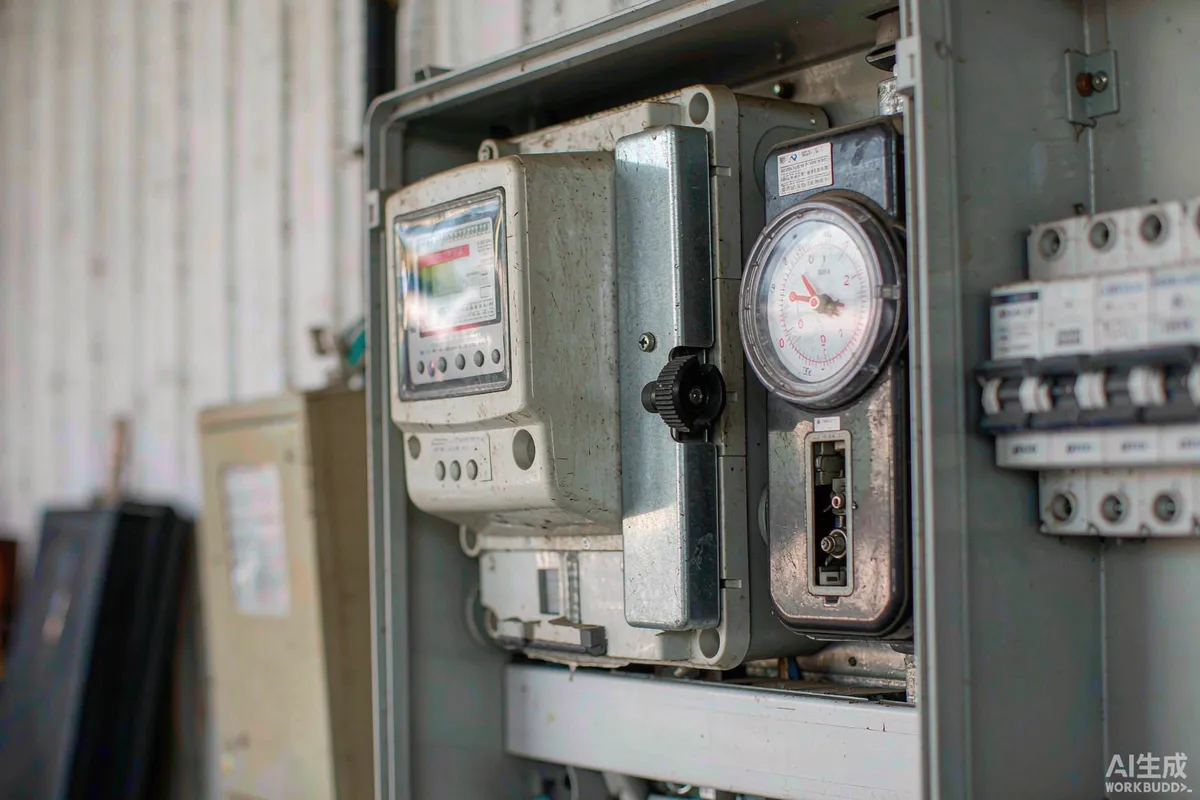
Specification Basics Worth Getting Right
Meters are commodity products, but the surrounding specification is where projects go wrong. Confirm these before ordering.
- Rating appropriate to the load - sized for the unit's actual demand, not simply the largest available.
- Accuracy suitable for the purpose. A meter used for charging needs to be appropriate for that; check what applies in your market before relying on it for billing.
- Enclosure rating matched to the exposure - water and dust ingress protection for outdoor locations.
- Temperature range appropriate to your climate, including any unheated enclosure.
- Readability - a display that can be read and photographed without opening the enclosure in the rain.
- Pulse output or communications if you intend to read remotely or log data.
- Isolation so a meter can be changed without shutting down the whole site.
- Access for the supply authority or contractor without entering an occupied unit.
Where meters are used for charging occupants, legal metrology and tenancy rules vary considerably between markets. Confirm what applies before you install. Requirements may vary by application, market and applicable standard.
Installation, Labelling and Baseline Readings
This is the unglamorous part that determines whether the system is useful or a source of arguments.
- Give every meter the same identifier as the unit - the same one used in bookings, maintenance and signage.
- Label durably and identically on the enclosure, the meter and the circuit protection.
- Photograph each meter at installation with its label and its first reading.
- Record baseline readings with a date before any occupancy.
- Record meter serial numbers against the unit in your asset records.
- Produce a one-page site schedule showing unit, meter location, serial and baseline.
- Test each meter by running a known load or a known volume before handover.
A mislabelled meter discovered after six months of occupancy is effectively unrecoverable data. Spend the extra hour at installation.
Reading, Billing and Disputes
A reading is only useful if it is recorded consistently. Choose a routine and keep it.
- Read on a fixed cycle, ideally at changeover of a long-stay occupant as well.
- Photograph the reading with a visible date and unit identifier.
- Record the unit of measure so nobody confuses units later.
- State the charging basis in the agreement - what is metered, what is included, and how the rate is set.
- Disclose it before booking, not at checkout; unexpected utility charges generate the worst kind of review.
- Keep a simple dispute process - a re-read, a photograph, and a decision.
- Do not bill a shared or common-area cost through a unit meter.
Using the Data Operationally
The readings are worth more as a diagnostic than as a bill. A few simple comparisons catch most problems.
- Zero-occupancy consumption. Water flowing in an empty unit is a leak until proven otherwise.
- A step change in one unit compared with its own history.
- Outliers across the fleet. One unit using several times its neighbours' consumption on a similar week is worth a visit.
- Continuous low-level flow, which usually indicates a fitting rather than a burst.
- Seasonal comparison to check whether heating control changes had the intended effect.
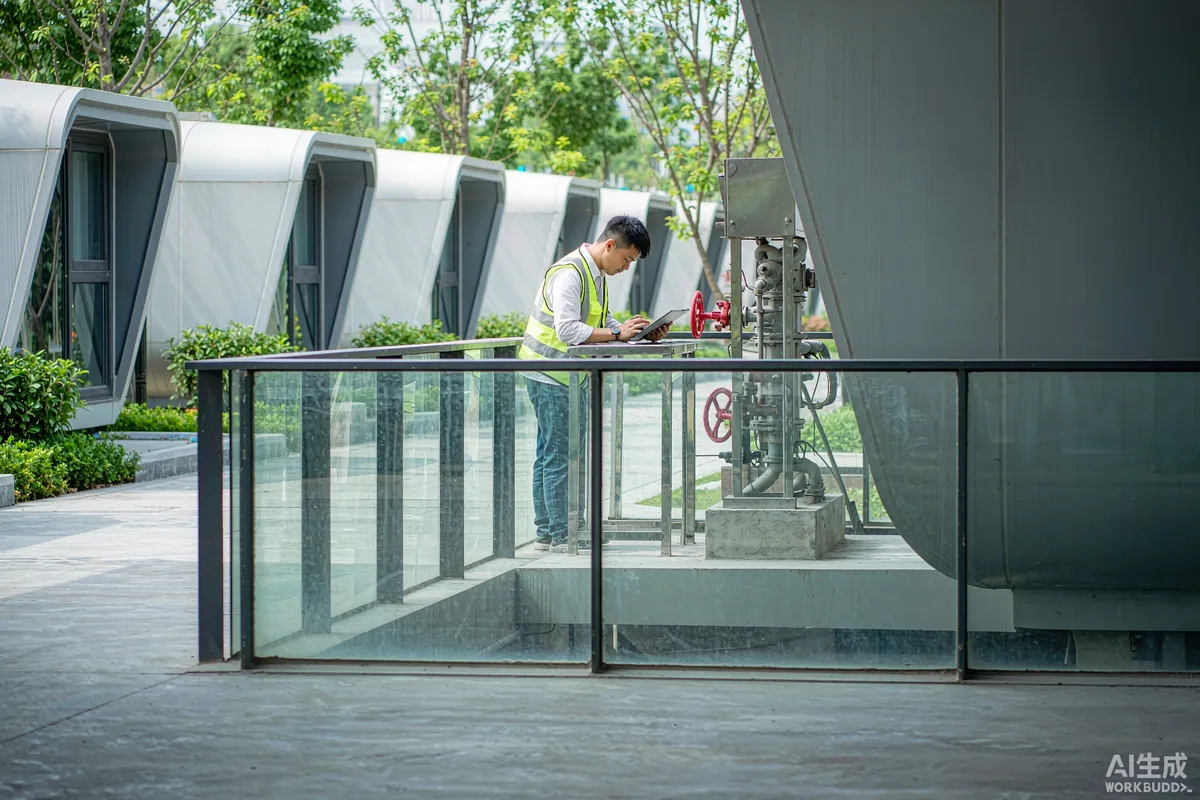
Where remote reading is available, set a threshold alert rather than a dashboard nobody opens. The value is in being told, not in having the data.
Maintenance and Failure
- Inspect enclosures annually for seal condition, condensation and insect ingress.
- Check that displays are still legible - some degrade in direct sun.
- Confirm the meter still reads after any electrical work on the unit.
- Keep a spare of the type you fitted, since replacements become harder to source over time.
- Document any meter change with the old and new readings and serials.
- Plan for the occupant-facing question - who they contact when they think a reading is wrong.
A Short Checklist
- Decide what to meter, based on what you will actually use.
- Choose per-unit or central bank to suit the site layout.
- Specify rating, accuracy, enclosure protection and temperature range.
- Label everything with one consistent unit identifier.
- Record baseline readings and serials before occupancy, with photographs.
- Set a fixed reading cycle and a photographic record.
- Disclose the charging basis in advance, in writing.
- Set threshold alerts for zero-occupancy consumption and outliers.
Sub-metering is one of those unexciting site decisions that quietly improves everything else: fairer charges, faster fault detection, better expansion planning and fewer arguments. Install it while the trenches are open.
More from the Blog

Capsule Home Cost Guide: What You Really Pay in 2026
EXW, shipping, install and the hidden line items — a transparent breakdown of total landed cost.
Read article →
How to Install a Capsule Home in 3 Days: A Step-by-Step Guide
From site prep to first guest — the exact sequence our install crews follow on every deployment.
Read article →
Real Owners, Real Numbers: Success Stories
How a lakeside resort, a Spanish glamping site and a Singapore dealer hit their targets.
Read stories →Talk to the Factory
Ready to Ride the 2026 Wave?
Get the latest catalog, pricing tiers and a layout sketch for your land — straight from the engineering team.