Shared Water Supply and Pressure Across a Cluster of Capsule Units
How to size pipework, avoid pressure drop and prevent backflow when several capsule homes draw from one connection - plus the commissioning checks worth doing before guests arrive.
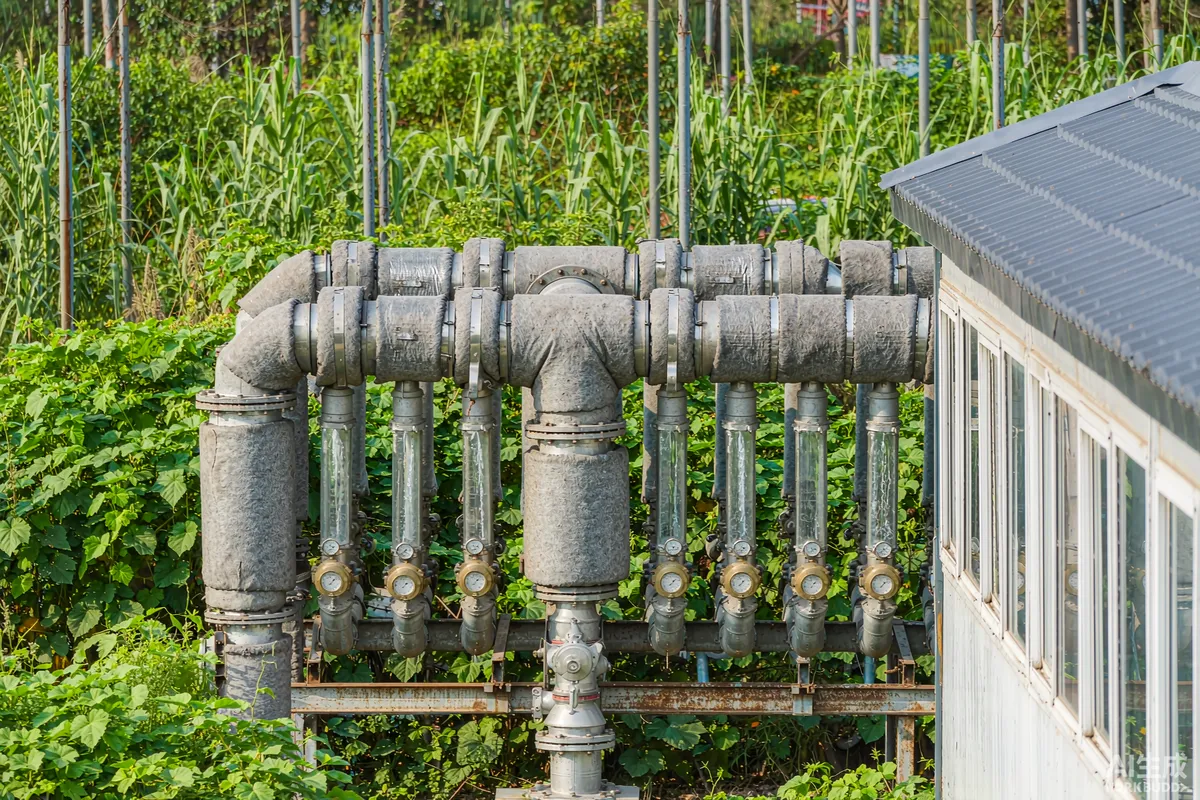
The first two or three capsule homes on a site will usually run happily off whatever water connection exists. The fifth or sixth is where the complaints start: pressure dropping to a trickle when two showers run at once, the far unit getting cold water last, and a dishwasher cycle stealing pressure from a neighbouring unit. None of this is a fault in the units. It is a distribution network sized for one building being asked to serve several. Sorting it out is straightforward if it is done during design, and disruptive afterwards, because most of it is underground.
Estimate Peak Simultaneous Demand, Not Average Use
Water systems fail at peak, and by definition nobody uses the average. The calculation that matters is the worst realistic moment, which for most parks is the checkout morning.
- List the fixtures per unit. Shower, basin, kitchen sink, any appliance, any outdoor tap or tub.
- Assign a realistic flow to each from the fixture specification rather than a round number.
- Decide how many units can be at peak together. Not all of them - but on a changeover morning, more than you might assume.
- Account for simultaneous uses within one unit. A shower running while a dishwasher fills is common.
- Compare against available supply. Whether the source is mains, a borehole or a stored supply with a pump, its capacity is a hard ceiling.
Use the result for pipe sizing, not for reassurance. If the numbers say the source cannot support the plan at peak, the answer is storage - a buffer tank and pump - which also buys resilience when the source is interrupted.
Ring or Radial
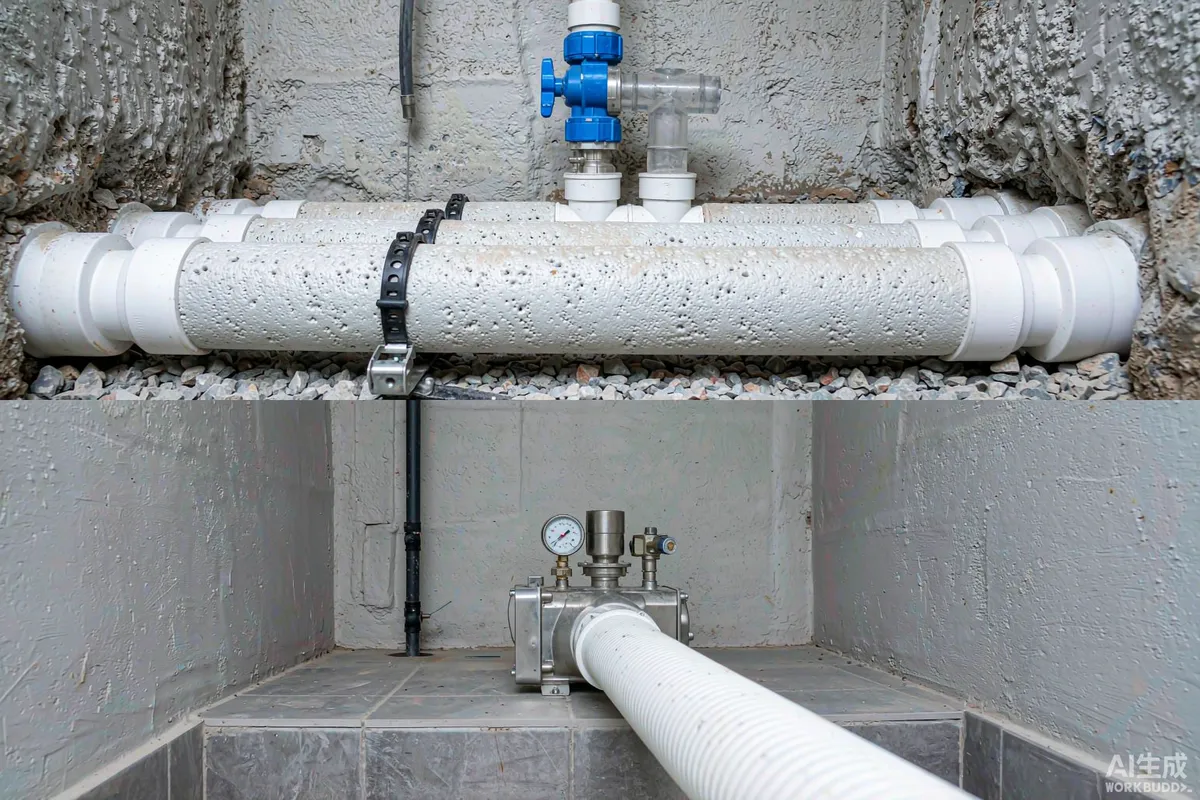
Two layouts are common, and the choice mainly affects pressure balance between units and how faults present.
| Layout | Behaviour | Fit |
|---|---|---|
| Radial branches from a manifold | Each unit fed by its own run; simple to isolate and meter | Clusters laid out near one shared point |
| Ring main around the cluster | Water reaches any unit from two directions; better pressure balance at distant points | Units spread along a loop, or a long, linear layout |
| Single daisy chain | Cheapest, but the last unit suffers first and faults affect everyone downstream | Generally worth avoiding beyond two units |
Whatever the layout, fit an isolating valve at every branch so one unit can be worked on without taking the whole cluster out of service. That single requirement is what turns a burst fitting from a site-wide closure into a half-hour repair.
Pressure: Three Separate Problems
"Low pressure" complaints have at least three causes, and each has a different fix. Diagnosing them before specifying equipment saves considerable money.
- Inadequate source pressure. The supply simply cannot push hard enough. A booster pump addresses this, provided it has enough flow available to boost.
- Oversubscribed pipework. Adequate at rest, collapsing under simultaneous draw. Larger diameter or a ring layout addresses this.
- Flow restriction. A partly closed valve, a clogged filter or a fixture with a restrictive aerator. Cheap to fix, and frequently the actual answer.
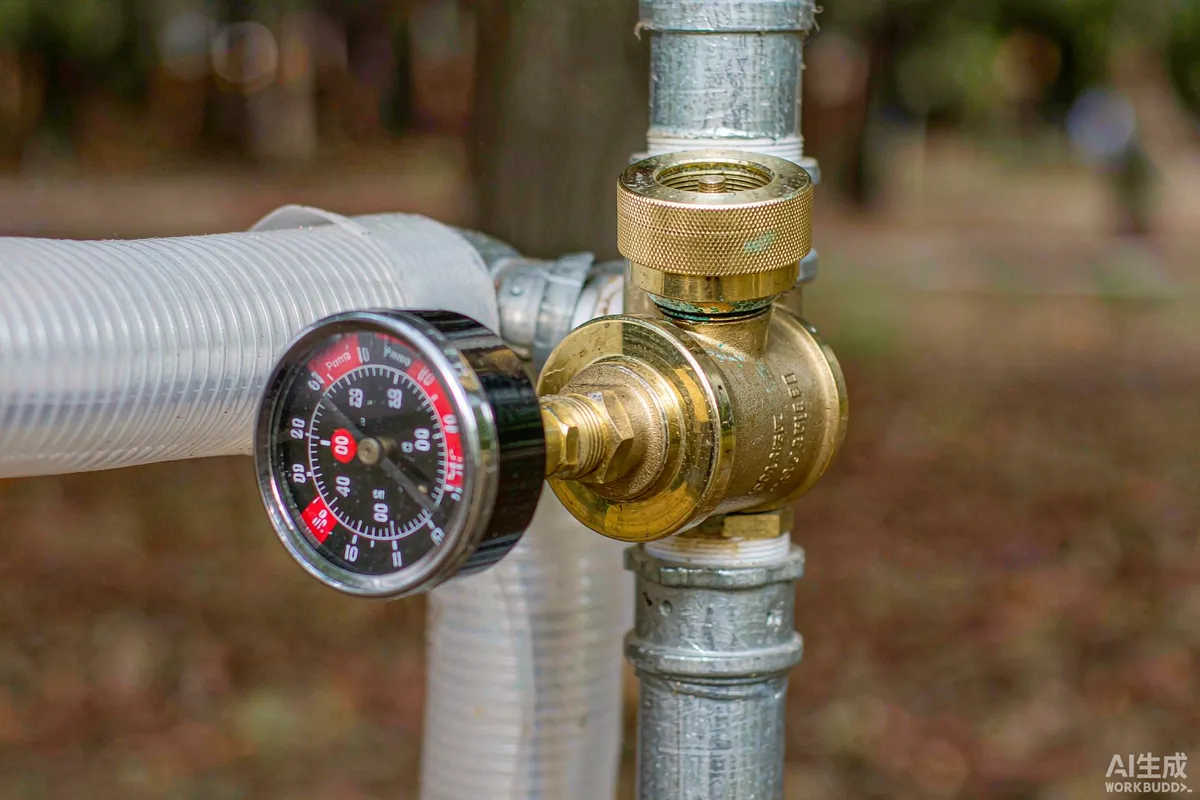
Measure before assuming. A static pressure reading at the source and a second reading at the far unit while several fixtures run will tell you which of the three you have. Static pressure alone is misleading, because a supply can look fine at rest and fail entirely under load.
Backflow and Contamination
Once multiple units share a network, a pressure drop in one part of it can draw water backwards from another. This is the reason backflow prevention exists, and it is not optional on a shared supply.
- Fit appropriate backflow protection at the point of common connection, and additional protection where any unit has a non-potable circuit.
- Keep separate anything that is not potable - irrigation, rainwater, tub fill - and label it physically, not just on a drawing.
- Check whether any appliance installed in the units requires its own protection at the point of connection.
- Have the installation inspected by someone qualified for the work, rather than relying on how it looks when finished.
The correct device type depends on the hazard category, which depends on what is connected and local rules. This is not a decision to make from a catalogue. Requirements may vary by application, market and applicable standard.
Freeze Protection and Heat Loss
Distribution pipework runs through the ground and through unheated voids, and it is far more exposed than anything inside a unit.
- Insulate all external and shallow runs, including valves and the manifold itself - fittings freeze before pipes do.
- Keep burial depth below the local frost depth where freezing occurs, or provide trace heating with its own circuit.
- Lag any above-ground section thoroughly and check it seasonally, because insulation degrades when wet.
- Plan drain-down points at the low ends so sections can be emptied before a closure.
Commissioning Checks Before First Guests
Do these once, with nobody staying, and repeat them annually. Each takes minutes and each has prevented complaints elsewhere.
- Simultaneous draw test. Open showers in the two furthest units at once and read pressure at both. Note the numbers.
- Isolation test. Close each branch valve and confirm only the intended unit is affected, and that supply returns without air locks when reopened.
- Leak test. Pressurise and observe over several hours, not several minutes - slow leaks do not show quickly.
- Label everything. Valves, branches and unit numbers. Unlabelled infrastructure is useless at the moment it matters most.
- Record as-built positions. Photograph before backfilling; pipe runs are rarely where the drawing said they would be.
- Verify any booster or control set by creating a demand and watching behaviour, rather than trusting the settings.
Questions for the Installer
- What simultaneous demand has the pipework been sized for, and in what units was that expressed?
- Where are the isolation points, and can each unit be shut off independently?
- What backflow protection is fitted, and what hazard category was it selected for?
- How is freeze protection provided, and what happens during a power outage?
- What pressure is expected at the furthest fixture under peak conditions?
- What documentation, label set and as-built record will be handed over?
Underground distribution work is the last thing anyone wants to redo, and the first thing that gets value-engineered. Resist that. Pipe diameter costs little during installation and a great deal afterwards, and the difference between adequate and generous is usually one size.
Metering and Cost Allocation
Once several units share one connection, someone will eventually want to know what each one used. Metering each branch is considerably easier during installation than later, and the reason to consider it is diagnostic as much as financial.
- A per-unit meter localises leaks. Consumption that does not fall when a unit is empty points directly at a leak rather than at usage.
- Readings give a baseline. Once you know normal consumption per unit per guest-night, an outlier is visible immediately.
- Allocation is simpler with data. Whether costs are shared equally or apportioned, having the figures avoids the argument.
- Remote reading saves effort. Where monitoring is already installed on site, adding water reading costs little and removes manual rounds.
Utility billing for sub-metered accommodation is regulated in some markets, particularly where consumption is recharged to occupiers, and the applicable rules depend on tenancy type and location rather than on what the equipment can do. Check before installing anything intended for recharging. Requirements may vary by application, market and applicable standard.
More from the Blog

Capsule Home Cost Guide: What You Really Pay in 2026
EXW, shipping, install and the hidden line items — a transparent breakdown of total landed cost.
Read article →
How to Install a Capsule Home in 3 Days: A Step-by-Step Guide
From site prep to first guest — the exact sequence our install crews follow on every deployment.
Read article →
Real Owners, Real Numbers: Success Stories
How a lakeside resort, a Spanish glamping site and a Singapore dealer hit their targets.
Read stories →Talk to the Factory
Ready to Ride the 2026 Wave?
Get the latest catalog, pricing tiers and a layout sketch for your land — straight from the engineering team.