Securing a Capsule Home: Theft, Access and Remote Sites
A relocatable unit on an exposed plot needs a different security plan from a suburban house. Layers, hardware, lighting and what to do about vacant periods.
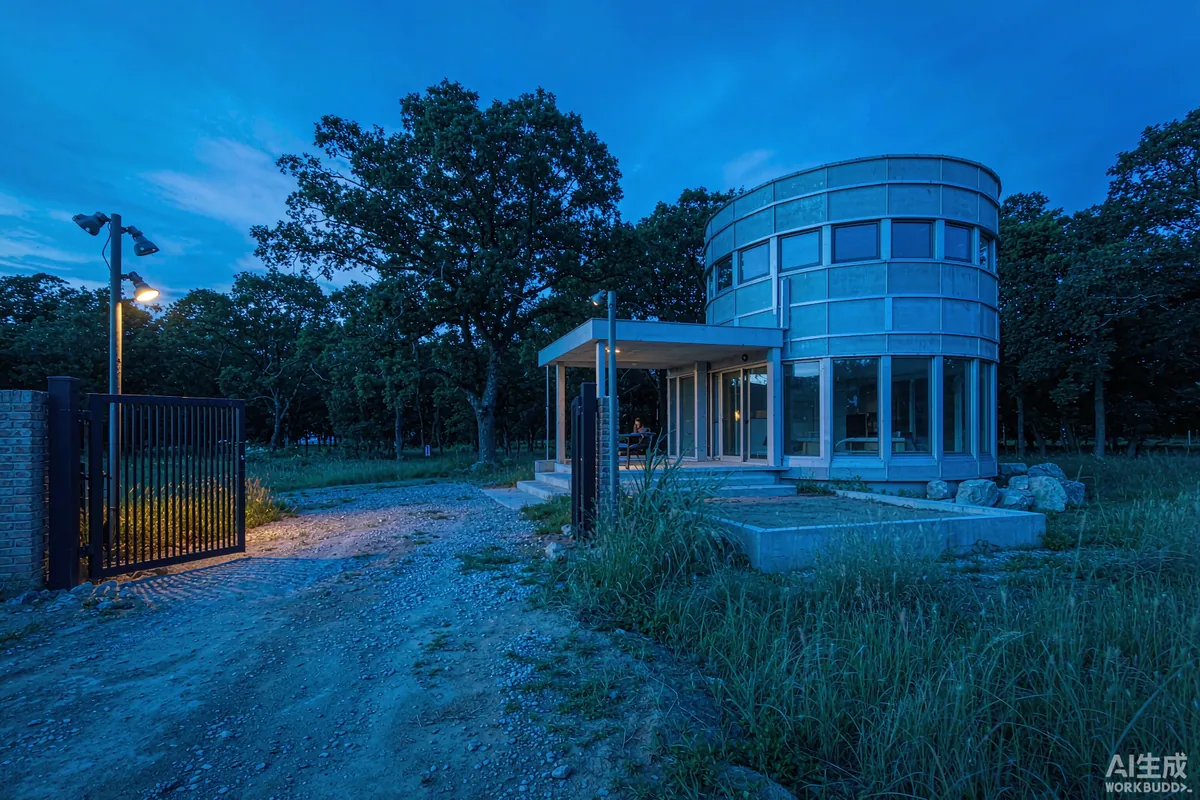
A capsule home on an open plot is not secured the way a suburban house is. There is no shared fence line, no neighbour's window overlooking the door, and often nobody on site for days at a time. The practical answer is layering: make the unit hard to enter, make the approach visible and uncomfortable at night, make the unit traceable and hard to resell, and have something recording if the first three fail. None of those layers is expensive on its own; the combination is what changes behaviour.
The Short Answer
Fit good locks on a reinforced door, anchor the unit so it cannot be lifted or towed, light the approach, put a camera where it can see faces and a vehicle, and keep a serial-reference record and photographs in case you ever need to prove ownership. For remote sites, add a monitored alarm and a neighbour or contractor who checks in. For long vacant periods, remove the obvious signals that nobody is around.
Think in Layers, Not in Products
- Deter. Lighting, visible cameras, tidy grounds and a locked gate. Most opportunistic theft is decided in the first ten seconds.
- Delay. Laminated glazing, a solid door with a proper lock, and anchored piers. Delay is what turns an opportunity into a risk.
- Detect. Cameras, a door contact, a motion sensor. Detection matters even when you cannot prevent the event, because it produces evidence.
- Recover. Serial references, photographs, and a unit that is identifiable. A stolen structure is only recoverable if it can be recognised.
Buyers often spend the whole budget on the first layer and none on the last. In practice the recovery layer costs almost nothing and is the one that decides whether an insurance claim succeeds.
The Entrance: Where Most Failures Start
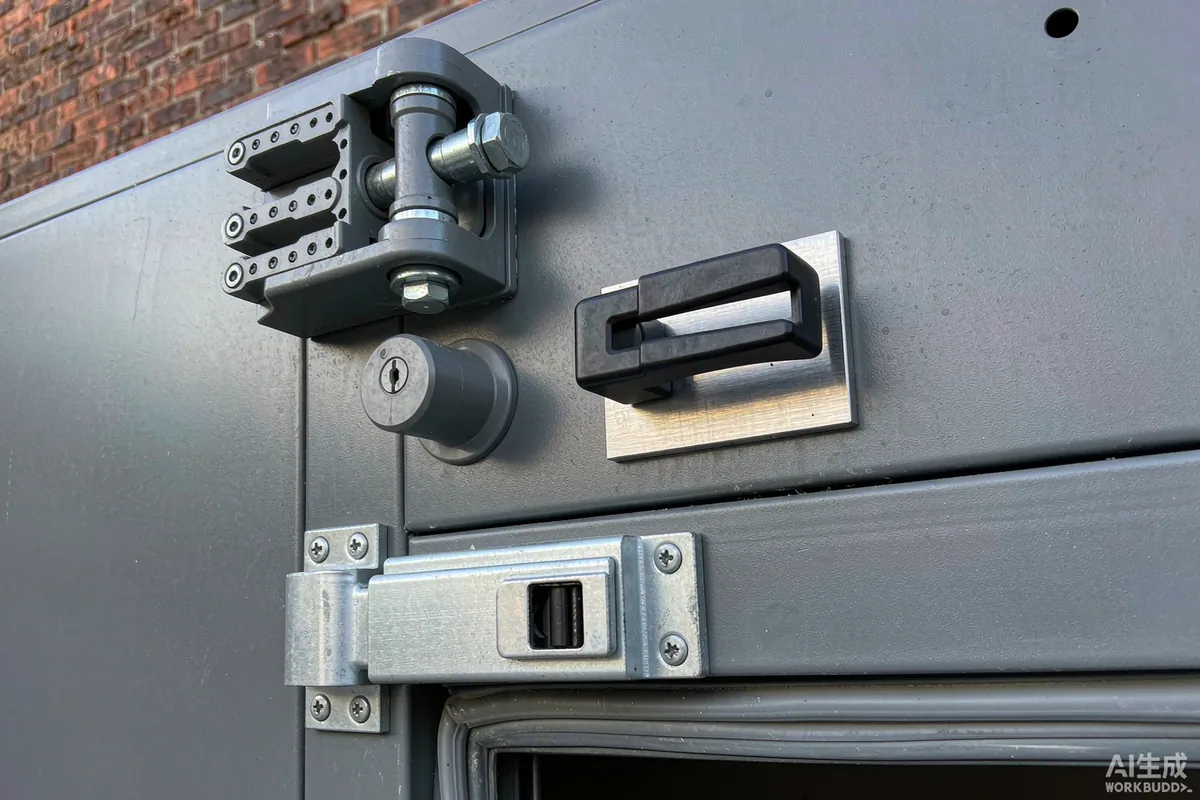
The door is the single most likely entry point and the cheapest thing to upgrade. Three things matter: the leaf itself, the lock, and the frame-to-wall connection. A good lock on a weak leaf, or a strong leaf in a frame that can be levered, achieves very little.
What to specify
- A door with a solid or reinforced core rather than a lightweight panel.
- A multi-point or mortice lock with a cylinder that resists common attack methods.
- A cylinder guard or escutcheon so the cylinder cannot be gripped and snapped.
- Hinges on the inside, or hinge bolts, so the door cannot be lifted off if the pins are exposed.
- A frame fixed back to the structural opening, not only to the interior lining.
If you want keyless entry, choose a smart lock with a mechanical key override. Batteries fail, networks fail, and guests forget codes - the override is what gets you inside at eleven at night.
Glazing: Large Area, Real Risk
Panoramic glass is the feature people buy a capsule home for, and it is the largest vulnerable area on the unit. Laminated glazing is the relevant choice here: the interlayer holds the pane together after impact, which slows entry considerably and also reduces the damage from a single strike. Ask what the standard glazing is and what the laminated option costs - this is one upgrade that is much cheaper at the factory than later.
Secondary measures are cheap and effective: internal blinds or shutters that close when the unit is empty, external shutters on exposed elevations, and - importantly - not leaving the interior visible from the road. Theft is driven by what can be seen; a darkened window is a decision made before anyone touches the glass.
Anchoring: Stop It Being Taken Away
A relocatable unit is, by definition, liftable - and that is the risk most owners never consider. The same anchoring that resists wind uplift resists a casual lift. Ask your installer how the unit is fixed to its piers or screws and whether the fixings are accessible from outside. Where the site is remote, consider a fixing that needs tools rather than one that can be undone with a spanner from a hardware shop. Keep the lifting points and the weight recorded, so that if the worst happens you can tell the police and the insurer exactly what was taken.
Lighting and Visibility
Lighting is the highest-value deterrent per dollar. Light the approach and the door, not the whole paddock - the aim is to put anyone approaching into view, not to flood the landscape. Use motion-triggered fittings so the light is an event rather than a permanent glow, and position them so they cannot be reached and disabled from the ground. Keep vegetation cut back from the entrance; a screen that blocks your view also blocks everyone else's.
Cameras and Monitoring
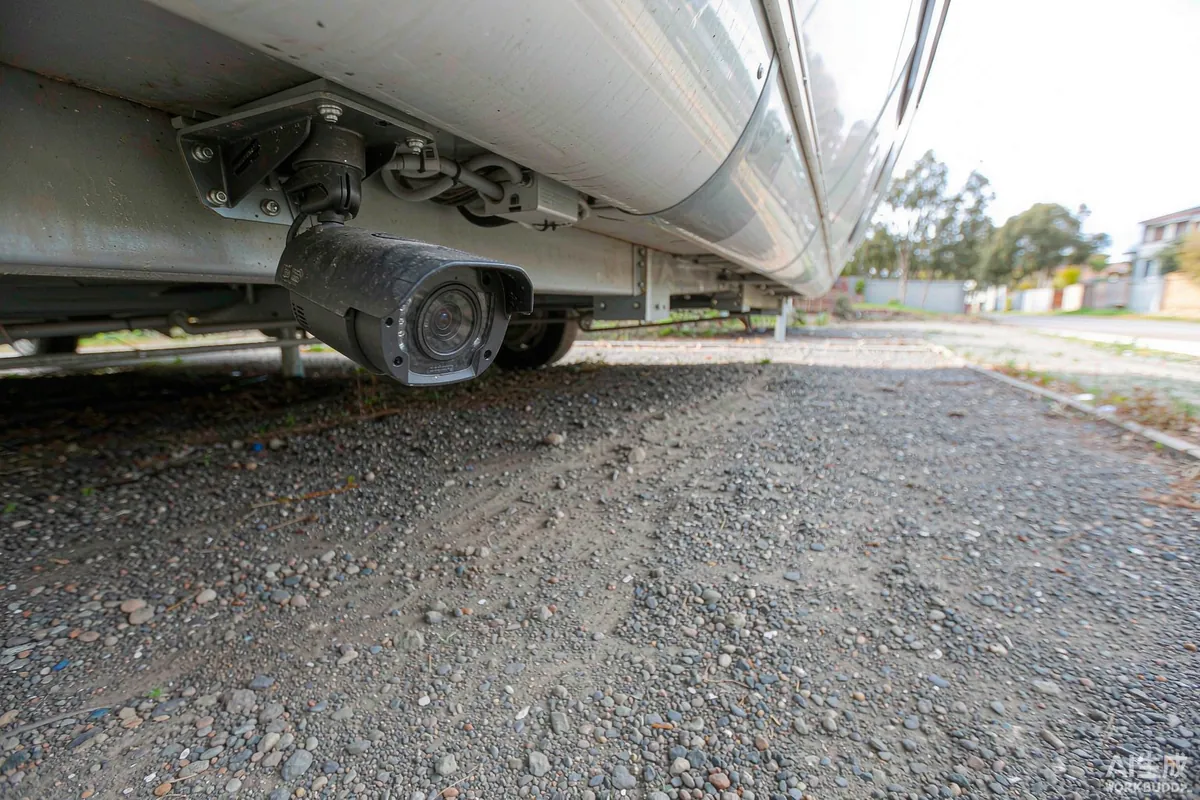
One camera covering the approach and the entrance does most of the work. Two things decide whether it is useful: resolution good enough to identify a face or a plate, and a recording that survives the camera being taken. Choose cloud or off-site storage, and check the unit keeps recording if the network drops. On sites with poor connectivity, a local recorder in a locked, concealed location is often more reliable than a cloud-only system.
Be aware that cameras pointed at public paths or neighbouring property can raise privacy questions, and that rules differ between places. Point them at your own approach, tell guests they are there, and check what applies locally. Requirements may vary by application, market and applicable standard.
Vacant Periods
- Stop deliveries and post accumulating at the entrance.
- Keep the grounds maintained - an untidy site advertises absence.
- Use timed or remote-controlled lighting so the pattern is not obviously static.
- Arrange a real person to check the site, and ask them to record what they saw.
- Tell your insurer the unit will be vacant and for how long; many policies have a vacant-period condition.
- Remove or lock away portable high-value items rather than relying on the building alone.
Documentation: The Cheapest Layer
Before the unit is even delivered, start a file. Record the model, the serial references, the supplier documentation, photographs of the unit from several angles, and photographs of any distinguishing marks. Add the foundation and anchoring details. If something is stolen, this file is what turns a loss into a recoverable, insurable event, and it costs an afternoon.
A Specification Checklist
| Item | Why it matters |
|---|---|
| Reinforced door leaf and frame | The most likely entry point is also the cheapest to upgrade |
| Cylinder guard / hinge bolts | Defeats the two most common forced-entry methods |
| Laminated glazing option | Holds the pane together after impact; delays entry |
| Anchoring detail | Resists both wind uplift and casual removal |
| Motion lighting on the approach | Highest deterrent value per unit of cost |
| Camera with off-site recording | Produces evidence even if the camera is taken |
| Serial references and photographs | Makes recovery and insurance possible |
The Takeaway
Security for a capsule home is a system, not a purchase. Spend first on the door, the glazing and the anchoring - the things that are expensive to add later - then add lighting and a camera, and keep the paperwork. If your site is remote or empty for long stretches, tell the supplier when you order: several of these items are far easier to specify at the factory than to retrofit on a plot.
More from the Blog
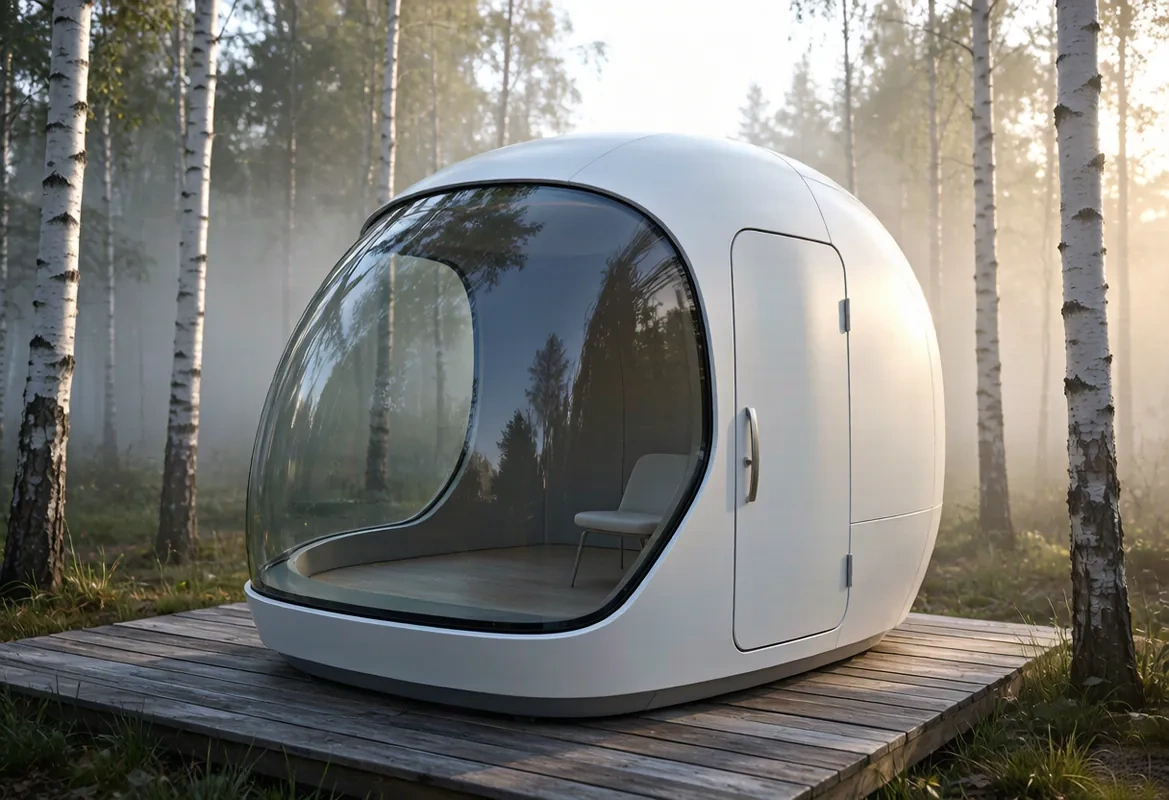
Capsule Home Cost Guide: What You Really Pay in 2026
EXW, shipping, install and the hidden line items — a transparent breakdown of total landed cost.
Read article →
How to Install a Capsule Home in 3 Days: A Step-by-Step Guide
From site prep to first guest — the exact sequence our install crews follow on every deployment.
Read article →
Real Owners, Real Numbers: Success Stories
How a lakeside resort, a Spanish glamping site and a Singapore dealer hit their targets.
Read stories →Talk to the Factory
Ready to Ride the 2026 Wave?
Get the latest catalog, pricing tiers and a layout sketch for your land — straight from the engineering team.