Opening and Closing a Seasonal Capsule Home: The Off-Season Checklist
A capsule home used only part of the year needs a proper shutdown and restart routine. Water, power, ventilation, pests and exterior checks for the off-season.
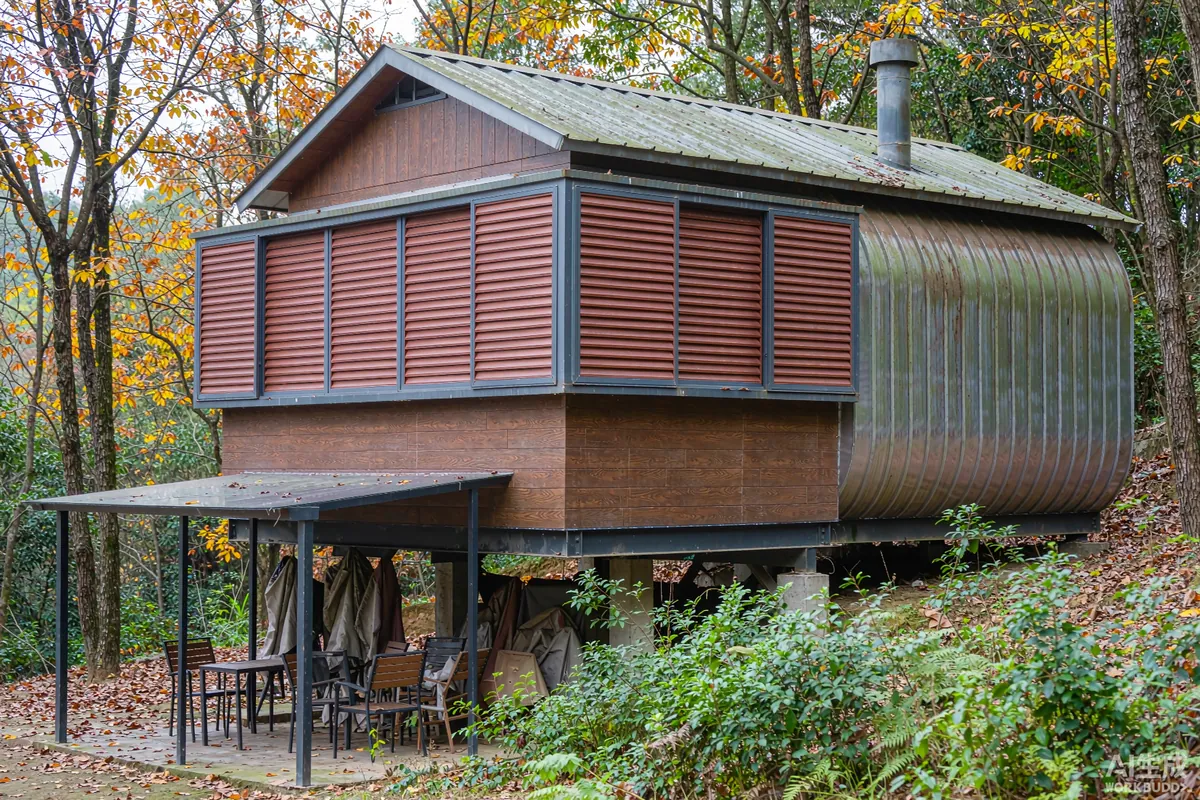
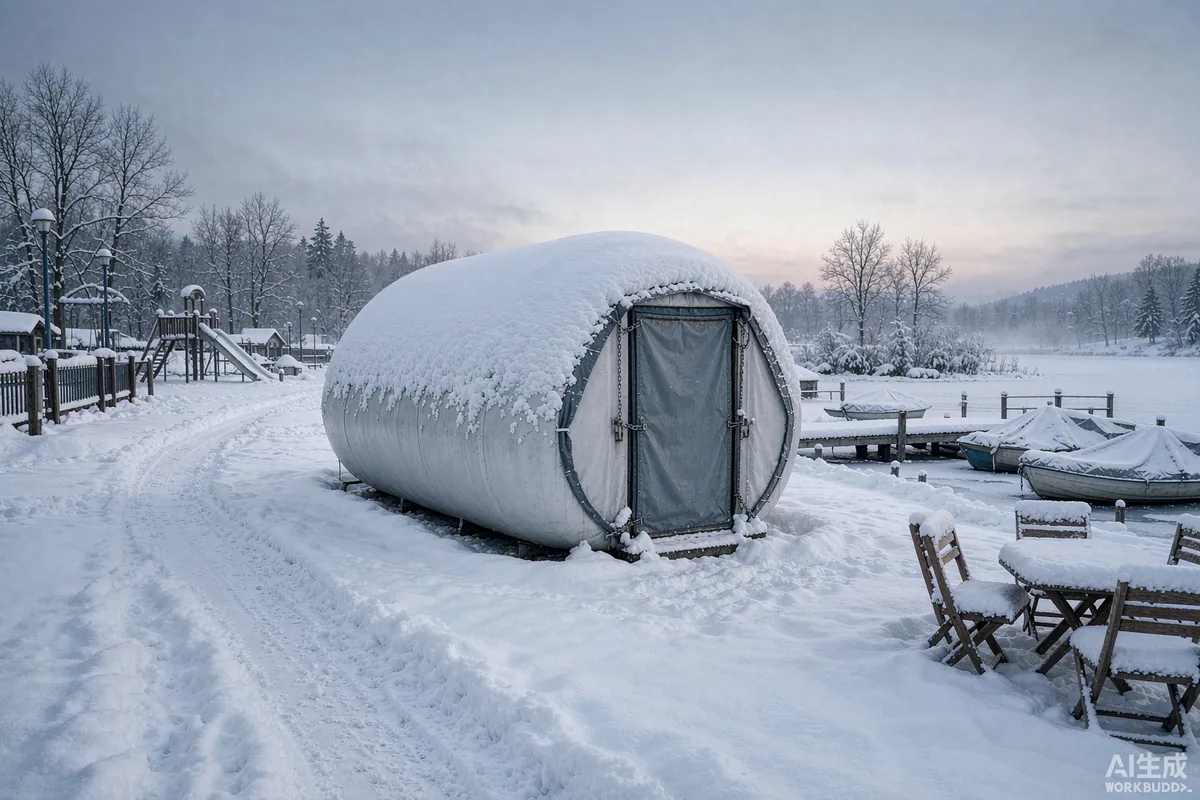
A unit that sits unused for five months is exposed to a different set of risks than one that is occupied every day: freezing pipework, stale air, condensation on cold surfaces, pests finding a quiet dry space, and small faults that nobody notices until spring. A seasonal capsule home needs two written routines - one for closing and one for reopening - and both are short enough to fit on a single page.
The Short Answer
Closing is mostly about water: drain the system completely, including the traps and any flexible sections, and leave the unit dry and ventilated rather than sealed. Then deal with power, remove everything that can spoil or freeze, close and cover the exterior, and record what you did. Reopening is the same list in reverse with a safety check first - never pressurise or energise a system that has been standing before inspecting it.
Decide Your Closure Strategy
There are three ways to leave a unit for the off-season, and the right one depends on the climate and whether anyone can check on it.
| Strategy | Water | Heating | Suits |
|---|---|---|---|
| Full drain-down | System emptied, traps filled with antifreeze where appropriate | Off | Cold winters, no one checking the site, no reliable power |
| Drain-down with frost protection | Emptied, but heating set to a low frost setting | Low setpoint | Cold winters with reliable power and remote monitoring |
| Ventilated standby | Emptied or isolated | Off | Mild, dry off-seasons where freezing is not a risk |
Full drain-down is the safest where freezing is possible and nobody is checking. It has one important exception: traps. A drain that is emptied leaves a dry trap, which allows sewer gas and pests into the unit. Where antifreeze in traps is appropriate, use a product intended for the purpose - not automotive antifreeze - and label the drains so nobody runs water into them in spring without knowing.
The Closing Sequence
Work in a fixed order so nothing is missed, and write it down the first time so the following years take twenty minutes.
Water
- Isolate the supply at the main stop valve.
- Open every tap and let the system drain from its lowest point.
- Drain the water heater according to the manufacturer's instructions.
- Flush toilets and leave the cisterns and bowls as the manufacturer advises.
- Drain any external hose, filter housing or pump.
- Leave tap levers open so any residual expansion has somewhere to go.
- Treat traps appropriately for the closure strategy.
Power and appliances
- Switch off at the main isolator, leaving only what needs to stay on - typically frost protection or monitoring.
- Empty the refrigerator and freezer, and leave both doors propped open.
- Unplug small appliances; standby loads add up over months and some equipment is better disconnected entirely.
- Leave the water heater off. An empty heater that is energised is a damaged heater.
- Confirm that any monitoring or alarm device still has power and a signal.
Interior
- Remove everything that can spoil, freeze, attract pests or hold moisture: food, toiletries, paper, textiles left on the floor, and anything in sealed plastic.
- Leave interior doors and wardrobe doors open so air moves through every volume.
- Pull furniture slightly away from external walls where condensation is a known issue.
- Leave blinds or curtains open partway - not fully closed, which traps damp air against cold glass.
- Set any mechanical ventilation to run intermittently if power allows.
- Remove batteries from remote controls and detectors that will be standing unused, or note them for spring replacement.
Exterior and Site
What happens outside matters as much as what happens in, and it is the part most often skipped when the weather turns.
- Clear gutters and outlets. Blocked drainage is the most common cause of off-season damage.
- Check the ground around the unit. Falls should carry water away, not toward the supports.
- Close and lock every opening, including vents that should be shut, and check that seals are clean and compressed.
- Fit shutters or protective covers where glazing is exposed to wind-borne debris or impact.
- Secure or store outdoor furniture and anything that can become a projectile.
- Trim vegetation back from the envelope - contact damage and pest access both start with branches touching the shell.
- Close and check external service points: inlet covers, waste caps, and any external socket covers.
- Photograph the exterior once closed. It is your baseline if you need to assess anything remotely.
Ventilation deserves a note here. A sealed unit holds moisture and develops odours; a ventilated one stays dry. The goal is weather protection with air movement, not an airtight box.
Pests
An undisturbed, dry, sheltered volume is exactly what rodents and insects look for in winter. The countermeasures are physical rather than chemical.
- Close or screen every external opening, including service penetrations and vents left open.
- Check the underside for gaps around service entries.
- Remove all food, including pet food, bird seed and anything in a sealed-looking packet.
- Do not leave textiles or paper stored at low level where they can be nesting material.
- Leave a light on inside if power allows - occupancy cues deter more than traps do.
- Arrange for someone to look, even monthly. Most pest problems become serious because nobody visited.
Documentation and Remote Checks
Write down what you did and when. It makes next year faster and it matters if you have to make an insurance claim.
- Date of closure, strategy used, and where the main stop valve and drain points are.
- Photographs of the exterior and of the drain-down.
- What was left energised, and why.
- Meter readings for water and electricity, so a leak or a fault shows up as a change.
- Who has access, and how to reach them.
If the site is remote, a small amount of monitoring is worth the cost: a temperature and humidity sensor, or a camera on the entrance. A humidity reading that climbs steadily tells you something is wrong weeks before anyone would notice by eye.
The Reopening Sequence
Spring is when mistakes happen, because everyone is in a hurry to use the unit. Inspect first, energise second.
- Walk the exterior before anything else: envelope, glazing, seals, roof outlets, underside, and the ground around the supports.
- Look inside for evidence: droppings, nesting material, insect activity, damp patches, odour, and any signs of water where it should not be.
- Check the electrical panel visually before switching on - look for moisture, corrosion or pest damage.
- Restore water gradually. Close drain points, turn on the supply slowly, and watch every joint and connection before leaving the area.
- Refill and recommission the water heater only once it is confirmed full.
- Run the heating and cooling in both modes, and check condensate drainage.
- Test safety devices: smoke and carbon monoxide alarms, circuit protection, and any gas appliance if fitted.
- Check appliances through a full cycle rather than just switching them on.
- Restore the traps with water if antifreeze was used.
- Air the unit out for several hours before the first occupied night.
How Seasonal Use Affects Specification
If you know from the start that a unit will close for part of the year, several choices become easier to make - and all of them are factory decisions rather than site ones.
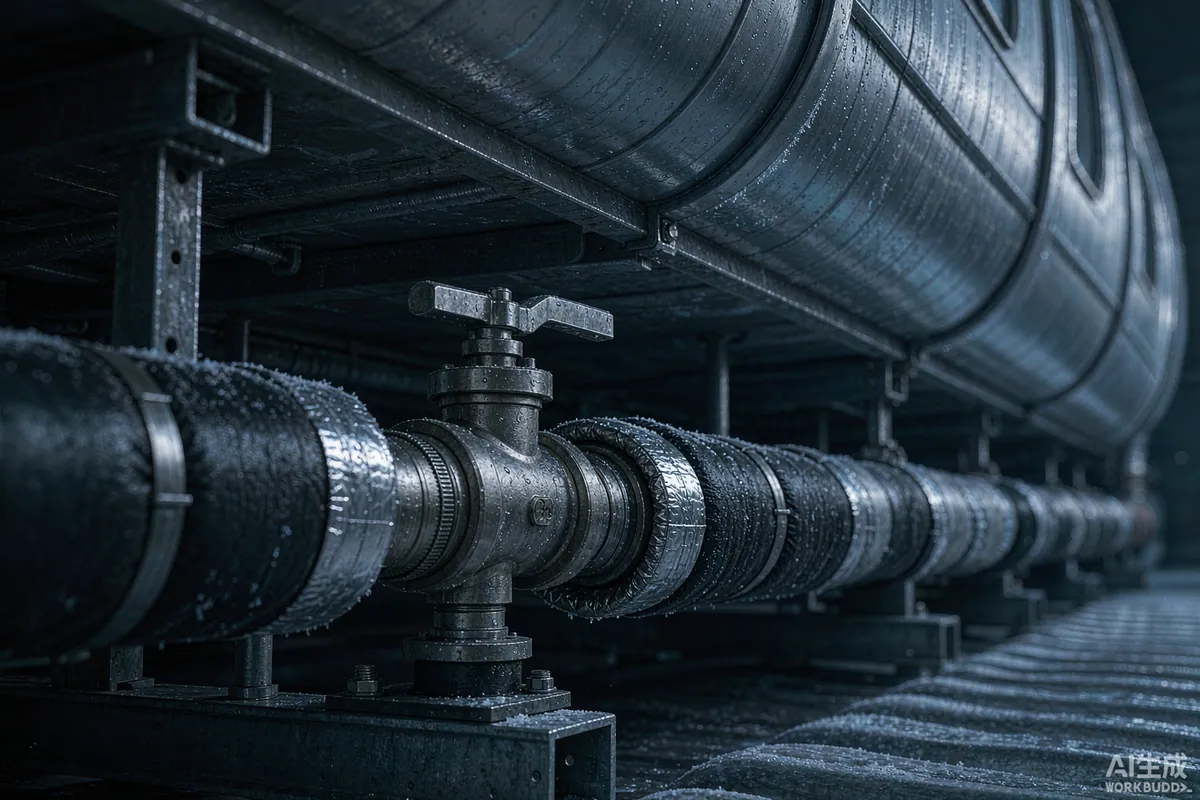
- Insulated and trace-heated pipework where the climate justifies it, with the routing kept accessible.
- A single, clearly identified drain point at the lowest part of the system, rather than several hidden ones.
- Frost-protection mode on the heating controls, with remote monitoring if the site has connectivity.
- Shutters or protective covers integrated into the exterior rather than added temporarily.
- Exterior finishes rated for the local conditions - coastal salt, freeze-thaw cycles, or high UV.
- Ventilation that can run at low rate continuously without heating the whole unit.
Haishu finishes A Series units in the factory as turnkey units, so pipe routing, drain points, control logic and exterior provisions are all decided at the drawing stage. Raising seasonal closure then costs a line item; discovering in November that there is no accessible drain point costs considerably more.
The Takeaway
A seasonal capsule home is closed on the water system and opened on the inspection. Drain down completely, treat the traps, remove everything that can spoil or freeze, leave the interior ventilated rather than sealed, clear and check the exterior, and write the whole routine down. Then reopen in the right order - inspect, then energise - and the first night of the season is a pleasure rather than a repair job.
More from the Blog

Capsule Home Cost Guide: What You Really Pay in 2026
EXW, shipping, install and the hidden line items — a transparent breakdown of total landed cost.
Read article →
How to Install a Capsule Home in 3 Days: A Step-by-Step Guide
From site prep to first guest — the exact sequence our install crews follow on every deployment.
Read article →
Real Owners, Real Numbers: Success Stories
How a lakeside resort, a Spanish glamping site and a Singapore dealer hit their targets.
Read stories →Talk to the Factory
Ready to Ride the 2026 Wave?
Get the latest catalog, pricing tiers and a layout sketch for your land — straight from the engineering team.