Quiet Hours and Noise Management in a Capsule Home Park
How to set quiet hours, plan spacing and screening, and handle noise complaints in a capsule home park - plus the escalation path that resolves most issues without a refund.
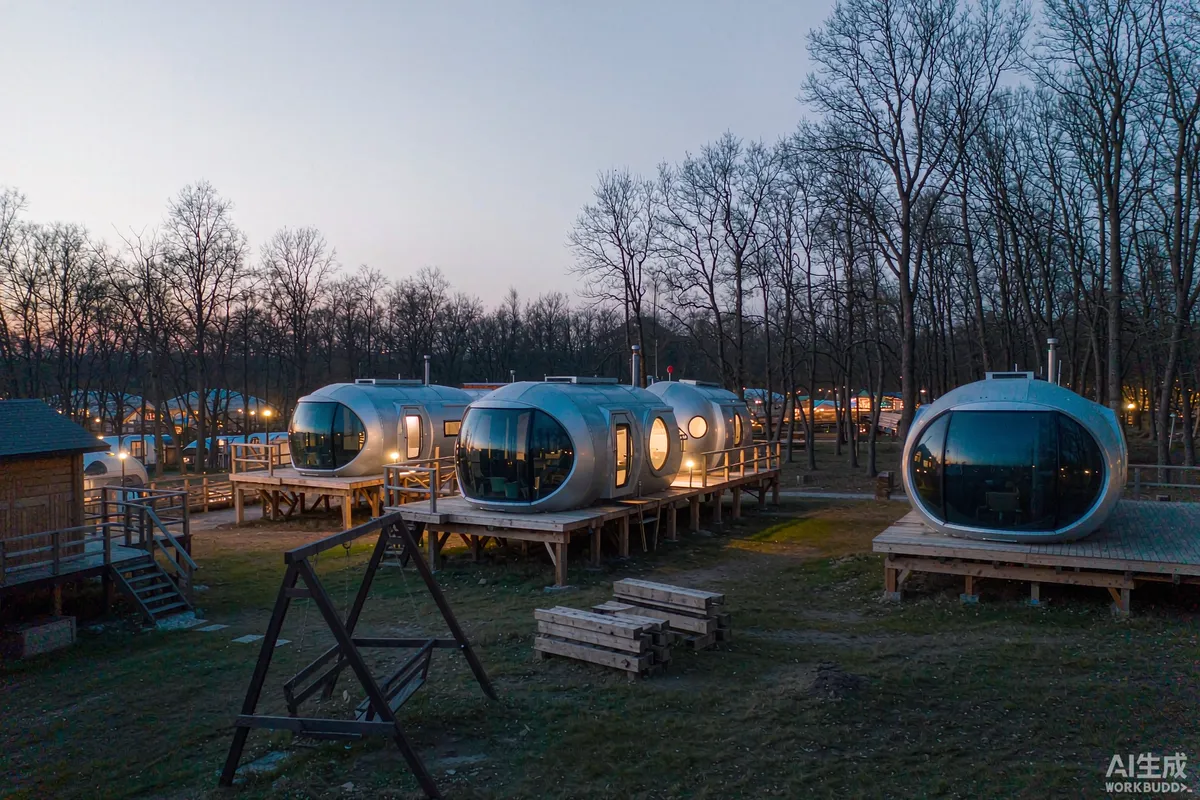
Quiet hours work in a capsule home park when the rule is stated before arrival, applies to everyone equally, and is backed by a layout that already does most of the work. A park that relies on guests reading a notice after they have been kept awake has already lost the exchange. The practical sequence is: design for separation first, write a short rule second, and keep a predictable escalation path third. Where local rules on noise, nuisance or operating hours apply, treat them as the floor rather than the target. Requirements may vary by application, market and applicable standard.
Why Sound Behaves Differently in a Capsule Park
Capsule homes are compact, well sealed, and heavily glazed. Those are the same three properties that make them comfortable and that make sound management different from a conventional cabin park.
- Sealed envelopes mean mechanical noise dominates. With little air leakage, a heat pump, extract fan or water pump running at night becomes the loudest thing on the site rather than background.
- Large glazing is a reflective surface. Sound bouncing between neighbouring units and hard deck surfaces carries further than it would over soft ground.
- Units sit close to the outdoor living space. In a small footprint, the deck and the neighbour's deck can be a few metres apart, which puts conversation directly in the quiet zone.
- Guests are often first-time users. They do not know what a heat pump sounds like, or that a door closer in wind will be heard next door.
Understanding which of these is actually causing the complaint matters, because the fix is different in each case. Retrofitting a rule to solve a mechanical problem will not work.
Set the Rule Before Arrival, Not at the Door
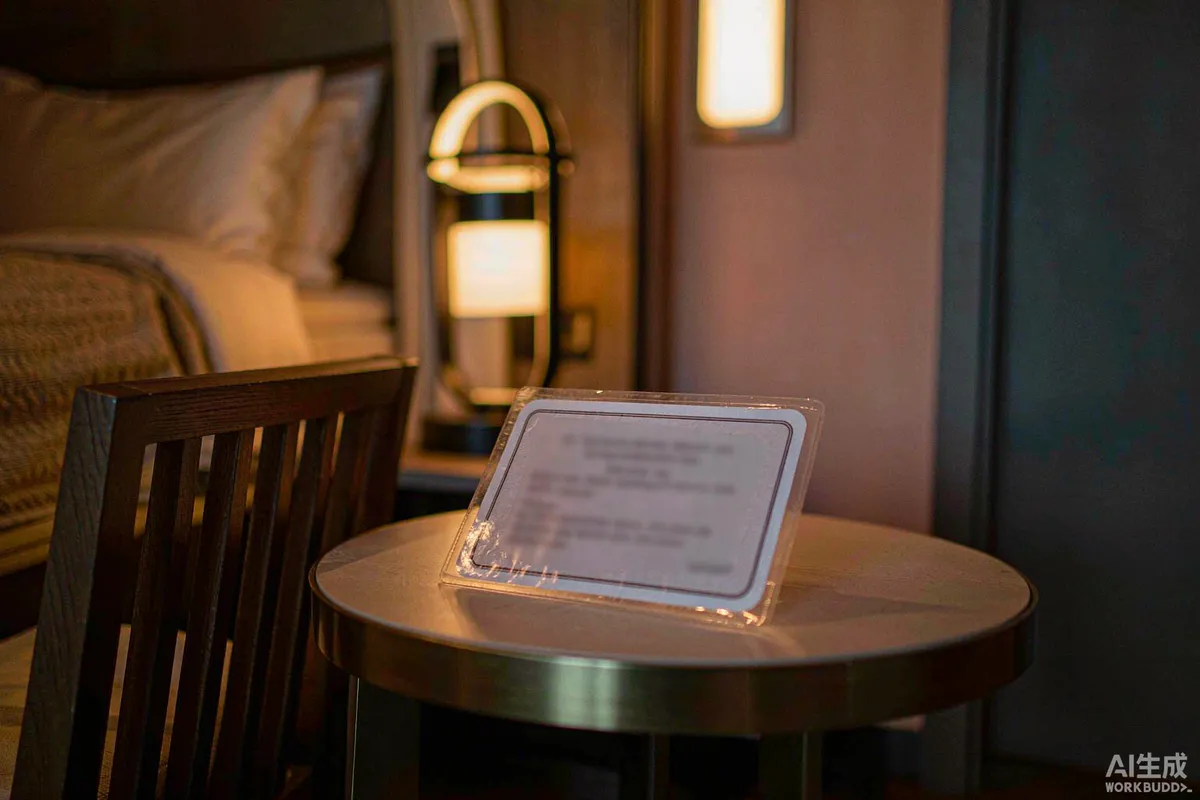
A quiet-hours rule that only appears in the unit is a rule the guest meets too late to plan around. Put the same short statement in three places: the booking confirmation, the listing or booking page, and the pre-arrival message. One or two sentences is enough.
- State the window. A specific time range, expressed in local time, is clearer than "quiet at night".
- State what it covers. Amplified music, raised voices on decks, and vehicle movement are the three that cause most complaints; naming them sets expectations.
- State who to contact. A single number, with the words "text is fine" if that is true, removes the hesitation that turns an annoyance into a review.
- Avoid a long list of prohibitions. Three clear expectations get read; fifteen get ignored.
Layout and Screening Do the Quiet Work
Most noise complaints are a symptom of layout decisions made months earlier. The adjustments below are cheapest when applied during site planning and progressively more expensive afterwards.
| Source | Where it comes from | Practical mitigation |
|---|---|---|
| Conversation on decks | Decks facing each other across a short distance | Stagger deck positions, offset units, or rotate so decks face the view rather than the neighbour |
| Mechanical hum | Heat pump, extract fan, water pump | Locate plant away from the sleeping side of the neighbouring unit; check night setback settings |
| Pathway noise | Gravel underfoot, dragging cases at night | Use a bound or finer surface on main routes, and light the path so people do not use phone torches and wander |
| Vehicle movement | Late arrivals and early departures | Park away from sleeping areas, and give late arrivals a clear, short walking route |
| Doors and hatches | Unassisted closers slamming in wind | Fit soft-closing hardware and add a note about wind in the welcome sheet |
| Reflected sound | Hard deck surfaces and glazing facing glazing | Introduce planting, screens or a slight change in elevation between units |
Screening does not have to be a wall. A planted berm, a timber screen, or simply placing a storage or utility volume between two sleeping areas can be enough to break the direct line.
A Complaint Path That Staff Can Follow at Midnight
The escalation path should be short enough to remember without a manual. Four steps cover almost everything.
- 1. Acknowledge immediately. Tell the reporter what will happen and roughly when. Most disputes escalate because nobody confirmed the message was received.
- 2. Verify. Attend the area, or check what the monitoring system shows, before acting on either side.
- 3. Make one clear request. A specific, polite ask - music off, voices down, move indoors - resolves most situations on the first contact.
- 4. Record it. Date, unit, nature, action, outcome. Patterns only become visible once written down.
Keep the same path for every complaint. Inconsistent enforcement is the fastest way to lose the argument with a guest who says the rule is applied unfairly.

When the Noise Is Yours
Before assuming the source is a guest, check the equipment. In a park of identical units, a single degrading component is often the culprit and will generate complaints until it is replaced.
- Heat pumps that have lost a mounting isolator transmit vibration into the structure, which travels further than airborne sound.
- Extract fans with dirty filters run longer and louder than designed.
- Water pumps cycling repeatedly usually indicate a small leak or a pressure vessel that has lost its charge.
- Door and hatch closers loosen over a season and start to slam rather than pull.
A short night-time walk of the site once a month, with the mechanical systems running, will find these before guests do. Do it on occupancy, not on an empty park, because the acoustic character changes with people inside.
Adjust After the First Season
Treat quiet hours as a setting, not a fixed policy. After three months of operation, review the records kept in step four and ask three questions.
- Were complaints concentrated in specific units? If so, the cause is probably placement or plant, not behaviour.
- Were they concentrated at a specific time? If so, the window may need to start earlier, or a specific activity may need to be named.
- Did any complaint require more than one visit? Those cases show where the wording of the rule was not specific enough to act on.
Revise the rule, update the pre-arrival message, and tell returning staff what changed. A rule that visibly improves is easier to enforce than one that has never been looked at since opening day.
When Guests Keep Different Hours
A park that mixes short stays with longer bookings - seasonal staff, remote workers, or guests on a project nearby - has a quiet-hours problem that a single time window does not solve. People on different schedules are not behaving badly; they are simply awake at different times, and the rule has to account for that.
- Separate by zone where possible. Group longer-stay units away from the short-stay cluster so that a 6am departure does not cross a sleeping deck.
- Add a daytime consideration to the rule. A short sentence about respect for neighbours working night shifts or sleeping children covers the gap that a night-only window leaves open.
- Be specific about arrival and departure noise. Vehicle doors, cases on gravel and conversations at the car are the most common daytime complaints in a mixed park.
- Give long-stay guests a named contact. A direct line for a persistent issue prevents the slow build-up of resentment that ends in a poor review or an early departure.
- Revisit cluster assignments seasonally. A mix that works in summer may not work when occupancy patterns change in the shoulder season.
The underlying principle is the same as for night noise: state the expectation early, apply it consistently, and let the layout carry as much of the burden as the rule does. Where a park operates under local rules on operating hours or nuisance, those set the baseline. Requirements may vary by application, market and applicable standard.
Five Checks Before You Open
- Quiet hours stated in the booking confirmation and the pre-arrival message, not only in the unit.
- Decks and sleeping sides of neighbouring units offset or screened from each other.
- Plant equipment located away from the neighbour's sleeping side, with night settings configured.
- A single contact number for night issues, answered or returned promptly.
- A one-page record sheet for complaints that staff will actually fill in.
Noise is not a problem you eliminate once. It is a variable you manage, and the parks that handle it well are the ones that decided how before the first guest arrived rather than after the first complaint.
More from the Blog

Capsule Home Cost Guide: What You Really Pay in 2026
EXW, shipping, install and the hidden line items — a transparent breakdown of total landed cost.
Read article →
How to Install a Capsule Home in 3 Days: A Step-by-Step Guide
From site prep to first guest — the exact sequence our install crews follow on every deployment.
Read article →
Real Owners, Real Numbers: Success Stories
How a lakeside resort, a Spanish glamping site and a Singapore dealer hit their targets.
Read stories →Talk to the Factory
Ready to Ride the 2026 Wave?
Get the latest catalog, pricing tiers and a layout sketch for your land — straight from the engineering team.