Capsule Units as Pop-Up Retail and Event Space: What to Plan For
Using a space capsule home as a temporary shop, kiosk or event booth - layout, power, transport, permissions and the practical details operators get wrong.
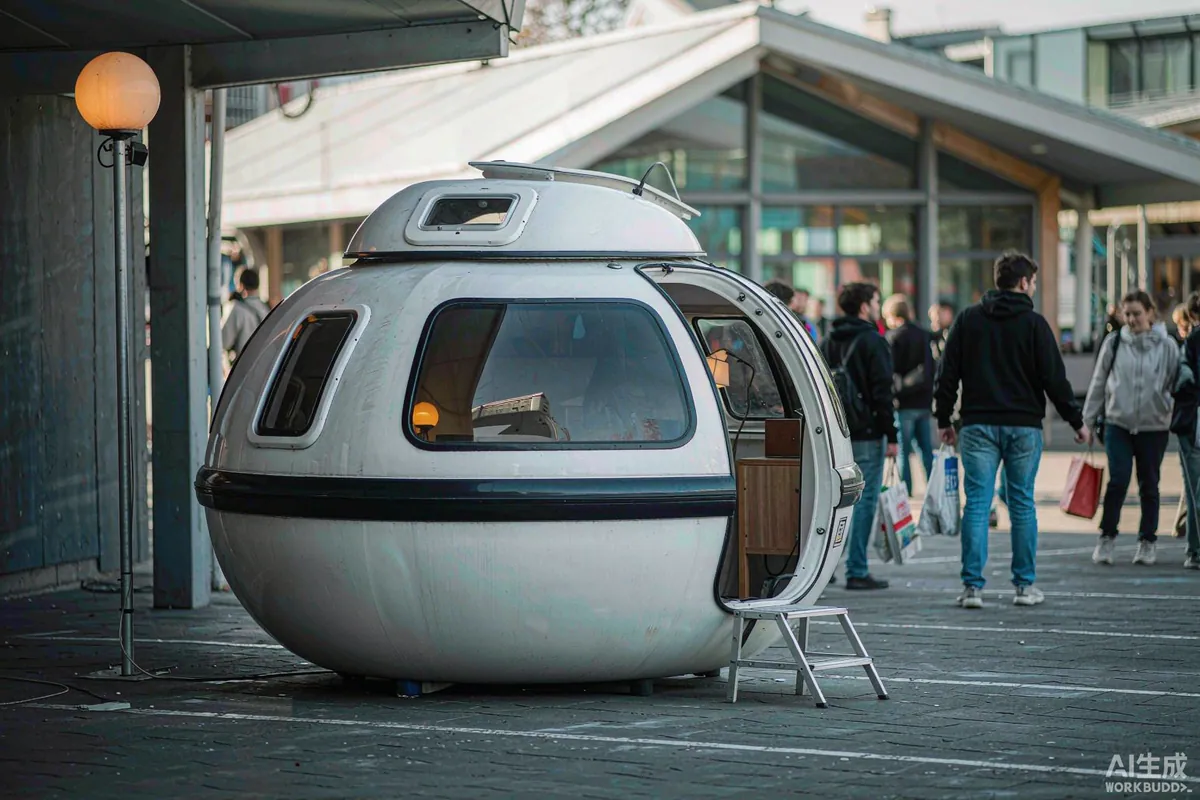
A capsule home works as a pop-up retail or event unit because it solves the problem that temporary retail always has: it arrives finished. No fit-out crew, no wet trades, no week of on-site construction. But the use case changes the specification in ways that are not obvious until the unit is on site with a queue outside. The three things to plan are the serving opening, the power, and the permissions - and the fourth, which everyone forgets, is what the unit does for the other fifty weeks of the year.
The Short Answer
Specify a serving hatch or glazed opening on the customer side, put the power where the equipment actually goes, and keep the interior open enough for one or two people to work without turning around into each other. Confirm the transport and crane or lift arrangement for the venue, because urban sites are the hardest places to deliver to. Get the permissions - trading consent, event organiser approval, and any temporary structure rules - in writing before the unit moves. Requirements may vary by application, market and applicable standard.
Why Operators Choose a Finished Unit
Temporary retail has a fixed cost structure that is mostly labour and time. A unit that arrives with its interior, lighting, glazing and power already installed removes a large part of both.
- Setup is placement, not construction. The unit is set down, levelled, connected and opened.
- The appearance is consistent. Brand standards hold across sites because the unit is identical.
- It is secure overnight. A lockable shell with laminated glazing is a different proposition from a marquee.
- It works in bad weather. Insulated, heated and weatherproof - the reasons people leave a market stall.
- It can move. One unit can serve a season of events rather than one location.
The trade-off is transport. Every move is a logistics job, and urban venues are unforgiving about access - which is where planning matters most.
Layout: What Changes for Retail
A residential layout is organised around staying in. A retail layout is organised around a transaction at an opening. Three decisions matter:
Where customers stand
The serving opening should be on the approach side, with enough space outside for a small queue that does not block a walkway. Inside, the working position should face the opening, with the transaction surface between the staff and the customer.
How many people work inside
Be realistic. Most capsule interiors comfortably support one or two people working. Plan the counter, storage and equipment around that number rather than hoping for three.
What is visible
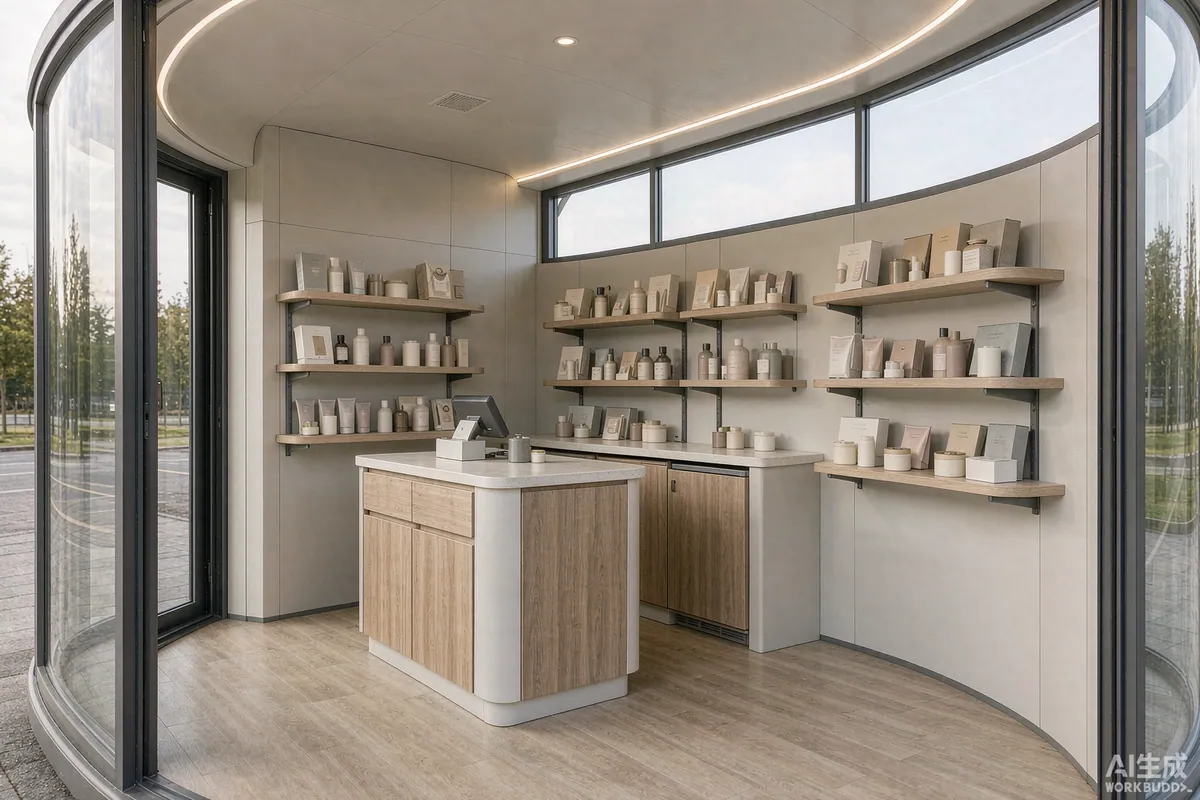
Glazing is the display. Decide what the customer sees through the glass - product, preparation, or a clean branded interior - and keep the working clutter out of that sightline. Storage behind the operator, not beside them.
Power: The Usual Failure
Retail use has a very different load profile from residential use. Coffee machines, refrigeration, card terminals, lighting and signage all run simultaneously, and they run all day.
- List the equipment before specifying the service - not after.
- Confirm whether the venue supplies power, and at what capacity and connection type.
- If not, plan for a generator, and check the venue's rules on running one.
- Put the equipment sockets where the equipment is, not where the panel happens to be.
- Keep lighting and signage on a separate circuit from catering equipment, so a machine tripping does not darken the unit.
Cable management matters more than it sounds. A temporary venue with a cable running across a walkway is a trip hazard and a complaint waiting to happen.
Branding and Signage
A capsule unit is unusual enough to be the branding on its own, which is half the reason operators use one. The other half is what you attach to it, and that needs planning rather than improvisation on the morning of the event.
- Decide early whether branding is applied as a removable wrap, a mounted panel, or freestanding signage beside the unit. Removable is almost always better: it keeps the unit usable for other purposes and avoids questions about the finish.
- Check with the factory what can be applied without affecting the coating or the warranty. Adhesives on a factory finish can be difficult to remove cleanly.
- Keep sightlines in mind. Signage that works at a trade fair may be invisible or overwhelming in a street setting.
- Plan lighting for the unit's exterior if the event runs into the evening - a lit unit is a landmark in a way an unlit one is not.
Staff Comfort Is a Commercial Matter
Operators often specify a retail unit as if nobody has to spend eight hours in it. They do, and comfort directly affects how the unit performs commercially. Heating and cooling matter on a sealed unit in direct sun; ventilation matters where catering equipment is running; a place to sit, even a small one, matters by the fourth hour. Insulation and glazing specification are not residential luxuries here - they are the difference between a unit staff can work in all day and one they abandon at the first opportunity.
Permissions and Venue Rules
Do this first, not last. Temporary commercial use tends to attract more rules than residential use, and event venues have their own on top.
- Trading or street-trading consent from the relevant authority, where required.
- Landowner or venue approval, in writing, including the exact position and dates.
- Any rules about temporary structures, including where the unit may be placed and how long it may stay.
- Fire safety requirements for the venue, which often cover materials and escape routes.
- Insurance that covers commercial use, public liability and transit - not a residential policy.
- If food or drink is served, the applicable hygiene and handling requirements.
Requirements may vary by application, market and applicable standard. Event organisers are usually the fastest source of what applies at a given venue - ask them early, and in writing.
Transport and Placement
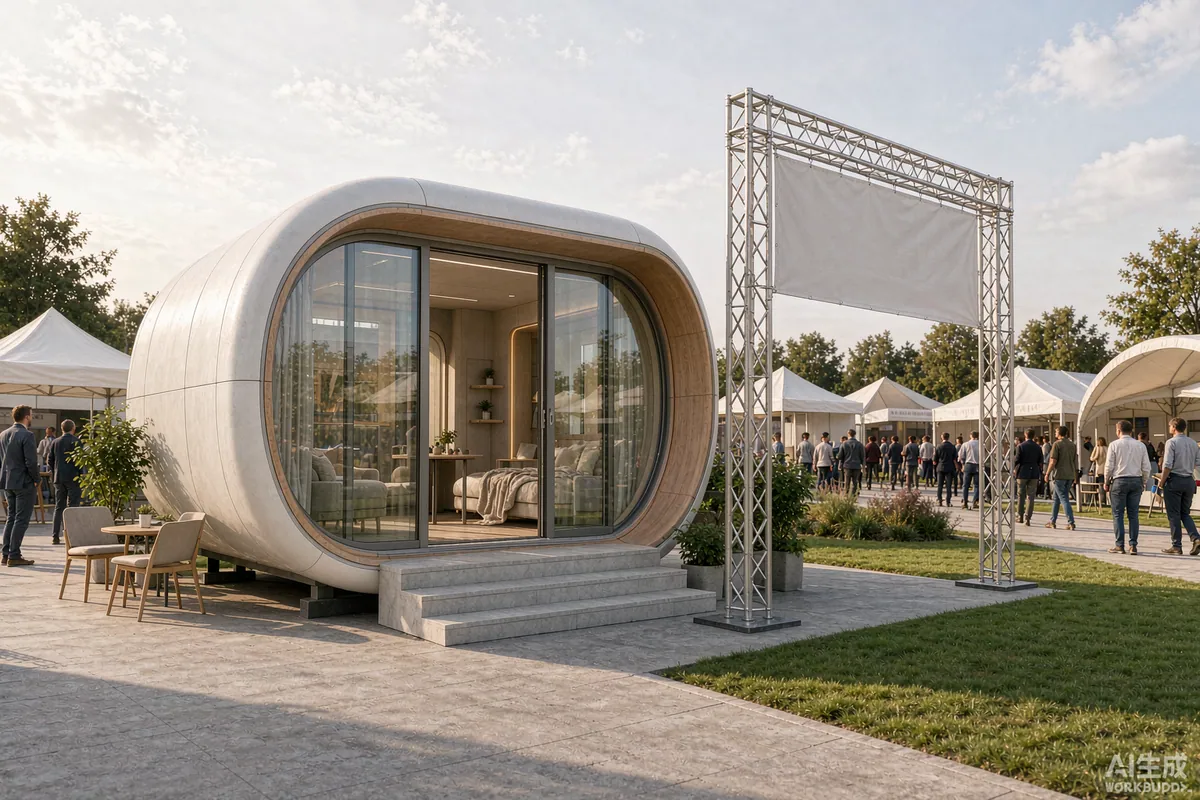
Moving a unit between venues is a repeatable operation, and repeatability is what makes it affordable. Plan it once, properly, then repeat it.
- Confirm the delivery vehicle can reach the position, and measure the access - width, height and turning space.
- Establish what lifts the unit into place: crane, hiab, or a lift-and-set arrangement, and whether the venue permits it.
- Protect the ground. Hard surfaces and soft ground need different protection under the supports.
- Level it properly. Doors and glazing in a twisted unit do not operate correctly.
- Plan the reverse operation. Removal at midnight after an event is when access problems appear.
Haishu ships units for container-efficient transport, which suits a touring schedule far better than a bespoke build. The same property that keeps export freight sensible makes a season of moves practical.
The Rest of the Year
This is the question that separates a good investment from an expensive one. A pop-up unit that stands unused for ten months is carrying its cost with no return. Options worth considering:
- A dual-purpose specification, so the unit can be let as accommodation between events.
- A touring calendar with enough events to justify the transport cost.
- Use as a permanent site unit at your own premises between events.
- Sale or transfer to another operator at the end of the season, which is easier with a standardised unit.
The Takeaway
Capsule units suit pop-up retail because they arrive finished, secure and weatherproof, and because they can move. Plan the serving opening, the power load and the permissions before anything is ordered, and treat transport as a repeatable operation rather than a one-off. Then answer the question everyone skips: what does the unit do between events?
More from the Blog
Capsule Home Cost Guide: What You Really Pay in 2026
EXW, shipping, install and the hidden line items — a transparent breakdown of total landed cost.
Read article →
How to Install a Capsule Home in 3 Days: A Step-by-Step Guide
From site prep to first guest — the exact sequence our install crews follow on every deployment.
Read article →
Real Owners, Real Numbers: Success Stories
How a lakeside resort, a Spanish glamping site and a Singapore dealer hit their targets.
Read stories →Talk to the Factory
Ready to Ride the 2026 Wave?
Get the latest catalog, pricing tiers and a layout sketch for your land — straight from the engineering team.