How to Make a Capsule Home Rental Pet-Friendly Without Wrecking It
Pet-friendly gets more bookings and more wear. Here is how to set up a capsule home rental for dogs and cats - floors, entry, outdoor space and turnover.
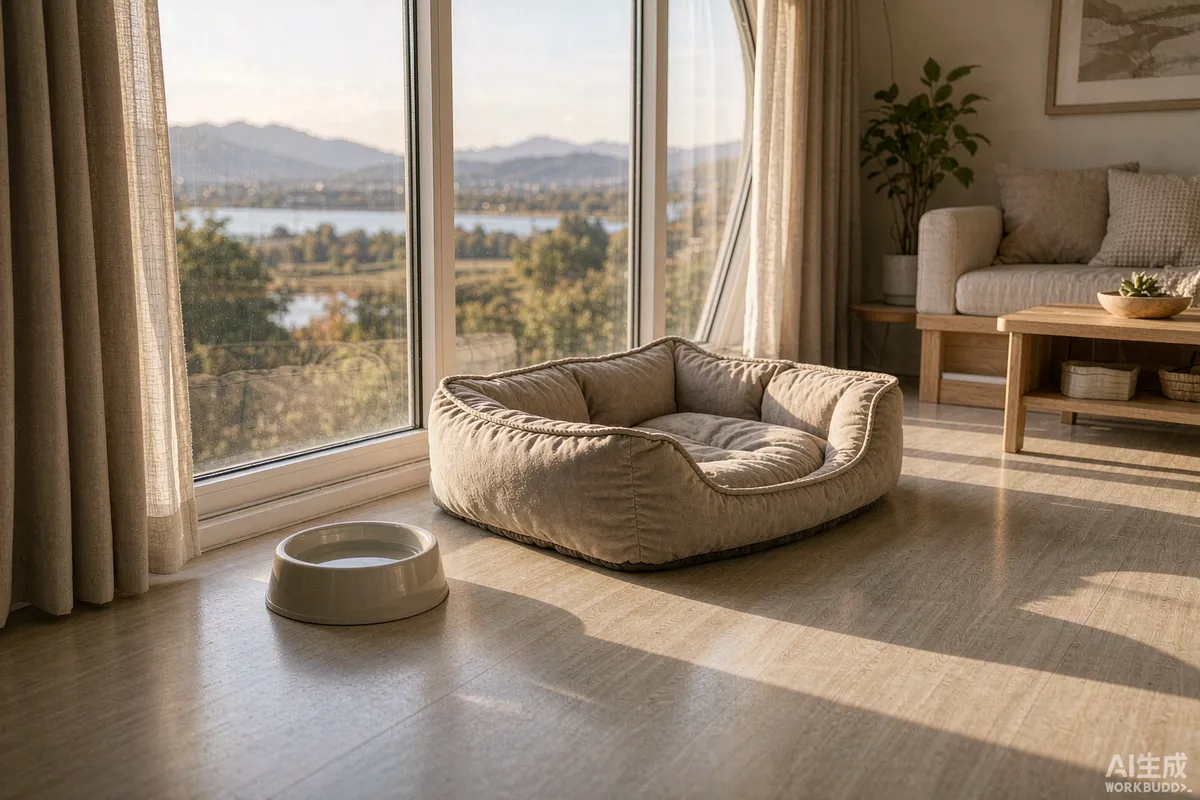
Yes, you can run a capsule home rental as pet-friendly - and in many markets it is one of the easiest ways to lift occupancy, because pet owners book longer and have fewer options. The question is not whether to allow pets but what you change to absorb the extra wear: floor and threshold surfaces, outdoor containment, a short list of house rules, and a slightly longer turnover routine.
What Pets Actually Do to a Unit
Start from the failure modes rather than from a policy. Dogs bring grit, water and hair, scratch thresholds and door faces, and pull at soft furnishings. Cats climb, sharpen claws on vertical soft surfaces, and investigate every gap. Both occasionally have accidents, and both occasionally get left alone longer than intended.
In a conventional house this is manageable because there is space and margin. In a compact unit, the wear concentrates on exactly the surfaces you would rather not replace.
Floors: The First Decision
Floor covering is where pet-friendliness is won or lost. What you want is a continuous, water-tolerant, scratch-tolerant surface with few seams. What you want to avoid is anything that absorbs liquid, shows every claw mark, or has a soft surface that invites scratching.
- Choose a continuous resilient surface with welded or tightly sealed joints rather than many separate boards.
- Check the wear layer specification and ask the supplier directly whether it is rated for pet traffic.
- Avoid pale, high-gloss finishes that show every scratch under raking light.
- Use entrance matting inside and outside the door - most grit arrives on paws, not on shoes.
- Keep a spare of whatever you install, because a single damaged plank or tile is far easier to replace if you already have it.
Washable rugs are useful for warmth and for protecting the main surface, provided they are genuinely machine-washable and you own more than one.
Doors, Thresholds and Screens
Scratch damage concentrates at the door, because that is where a dog waits. Fit a kick plate or a durable lower panel on the door face, keep the threshold profile simple and replaceable, and check that any insect screen can withstand a dog pushing past it.
For cats, the concern is containment. Check that windows with ventilation openings have secure screens, and think about how a cat might get into a service void or behind a fitted unit - a gap that looks harmless is an invitation.
Outdoor Space: The Part That Sells It
A pet-friendly listing is much stronger when there is a defined outdoor area. Even a modest deck with a secure boundary changes the guest's decision, because the alternative is exercising a dog on a lead in a car park.
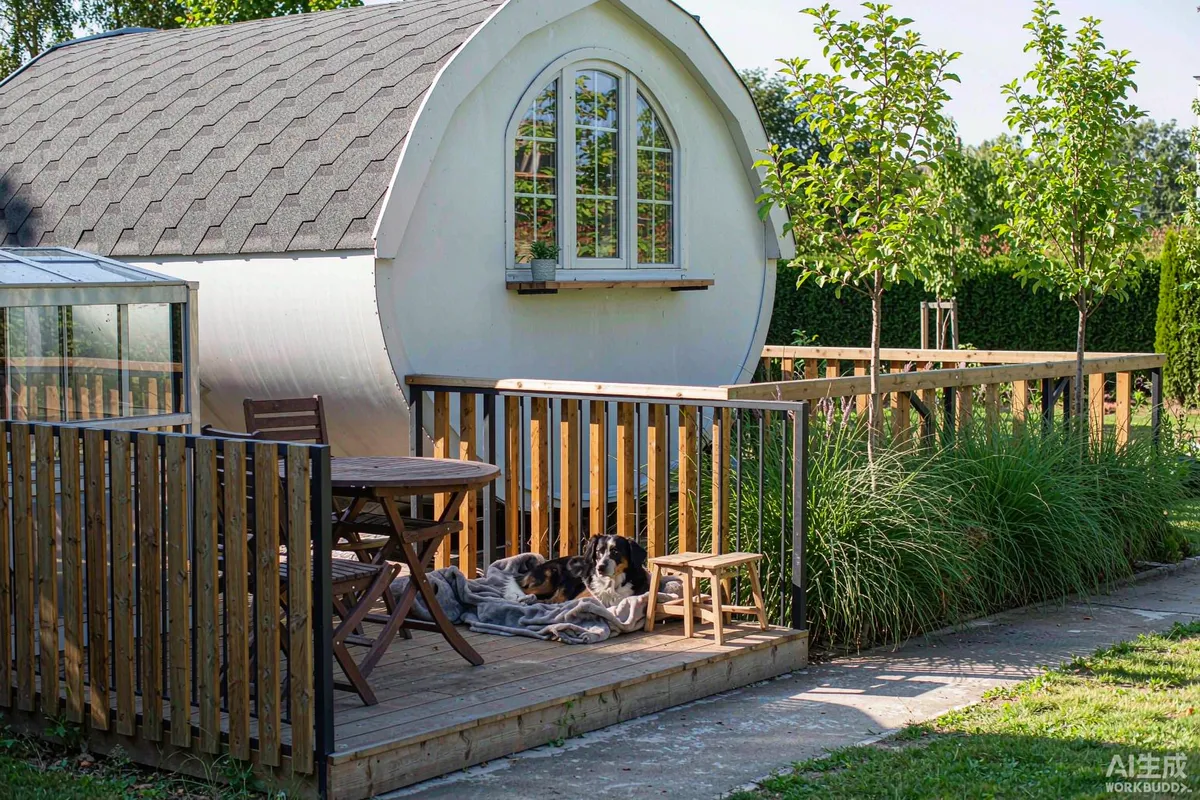
- Boundary height and gaps appropriate to the size of dog you say you accept.
- A tether point or tie-out for guests who want one.
- A hose or water source for washing paws and muddy legs.
- Waste disposal that is obvious, stocked and emptied regularly.
- Shade and water in warm weather - a bowl left out is a small touch guests notice.
- Safe surface underfoot: no sharp gravel, no splintered boards, no gaps between deck boards that catch a paw.
Furnishings and What to Provide
Provide the basics, because guests who find them provided tend to treat the unit better. A bed or mat, two bowls, and a towel kept specifically for pets is enough. Avoid providing toys and blankets you would resent replacing.
On your side, choose furnishings with pet use in mind: tightly woven upholstery rather than loose loops, closed storage rather than open shelving at low level, and no long curtains that reach the floor.
House Rules That Actually Work
Rules work when they are short, specific and stated before booking rather than arriving as a message after payment.
- State what you accept - dogs, cats, how many, and any size limit.
- State whether pets may be left unattended in the unit, and for how long.
- State where pets may and may not go - typically off furniture and beds.
- State the outdoor expectation - lead use, waste disposal, no unattended pets in shared areas.
- State the fee and, if you charge a deposit, what it covers and how it is returned.
- State what happens if the rules are not followed.
Ask about pets at the booking stage rather than discovering them at check-in. A simple question - what breed, how many, will they be left alone - tells you most of what you need to know.
Turnover: The Extra Fifteen Minutes
Pet stays need a slightly different clean, not a longer one. The difference is in checks rather than in effort.
- Remove hair from soft surfaces and from the floor edges where it collects.
- Check the entrance and threshold for scratches and for grit tracked in.
- Check outdoor areas for waste and for anything a dog has dug or chewed.
- Inspect under furniture - this is where accidents and discarded items end up.
- Wash pet-specific items separately from guest linen.
- Air the unit thoroughly; odour is the complaint that costs you the next booking.
- Check screens and boundaries for damage before the next arrival.
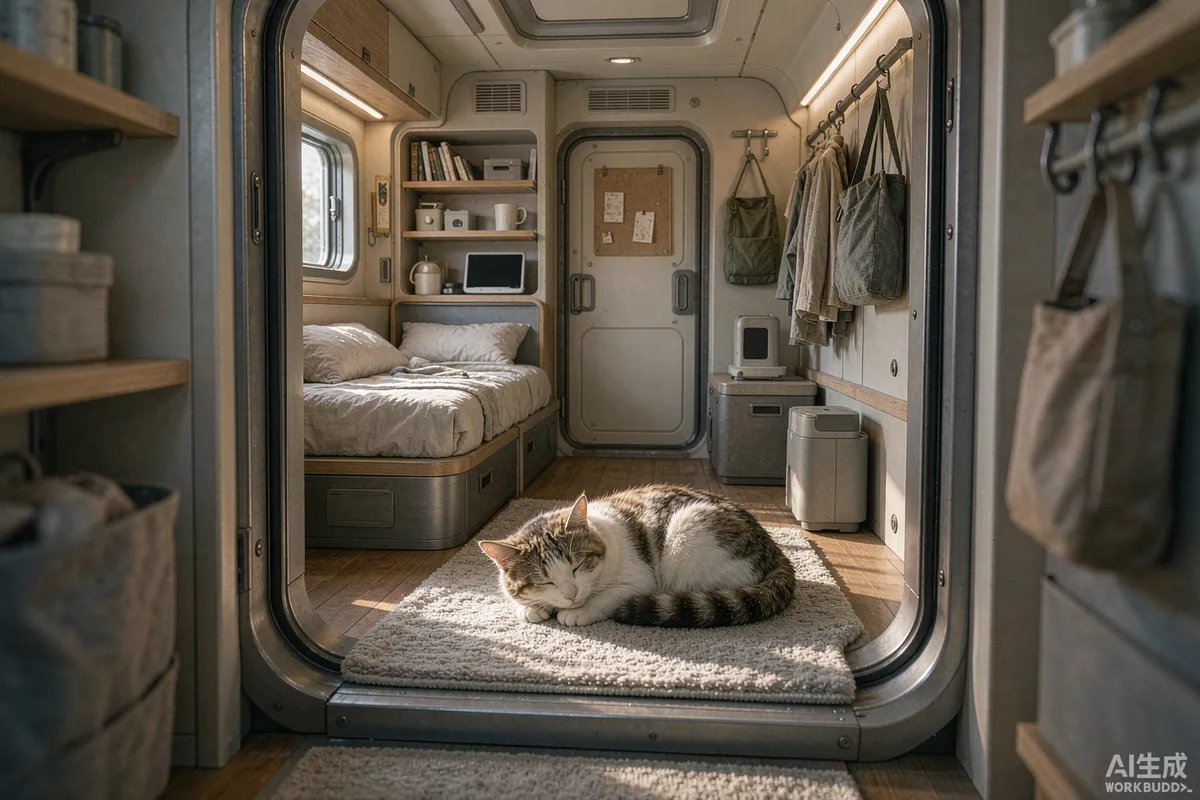
One further detail worth deciding early: whether you accept pets in every unit or only in designated ones. Designating specific units keeps your cleaning and inspection routines consistent, protects your best-presented units, and gives guests who prefer a pet-free space a clear option. It also means the wear is concentrated where you have already specified for it.
Insurance, Liability and Local Rules
Accepting pets changes your risk profile, so tell your insurer rather than assuming coverage extends automatically. Ask specifically about damage caused by animals and about any liability arising from a guest's pet on your property, and get the answer in writing.
Check whether there are local rules that affect you - leash requirements, restricted breeds, limits on the number of animals, or restrictions on pets in certain accommodation categories. Requirements may vary by application, market and applicable standard.
On liability, two practical measures reduce exposure considerably. Keep a written record of the pet details you collected at booking, and keep a dated record of the condition of the unit before and after each pet stay. Neither is onerous, and both are useful if a disagreement arises.
Allergies and the Next Guest
Pet-friendly and allergy-friendly are in tension. If you accept pets, say so clearly in the listing so allergic guests can self-select out, and consider designating specific pet units rather than allowing pets across the whole site. Keeping some units pet-free gives both markets a clean answer.
Be realistic about what "deep cleaned" means for allergens. Standard cleaning removes hair and odour; it does not remove all allergen. Do not imply otherwise.
Deciding Whether It Is Worth It
The trade-off is more bookings and longer stays against higher wear and longer turns. In most markets the first outweighs the second, provided you have specified for it. If your unit has a delicate floor, no outdoor space and tight turnover windows, allowing pets is a cost. If you have specified durable surfaces and a secure outdoor area, it is one of the cheaper ways to raise occupancy. Requirements may vary by application, market and applicable standard.
More from the Blog

Capsule Home Cost Guide: What You Really Pay in 2026
EXW, shipping, install and the hidden line items — a transparent breakdown of total landed cost.
Read article →
How to Install a Capsule Home in 3 Days: A Step-by-Step Guide
From site prep to first guest — the exact sequence our install crews follow on every deployment.
Read article →
Real Owners, Real Numbers: Success Stories
How a lakeside resort, a Spanish glamping site and a Singapore dealer hit their targets.
Read stories →Talk to the Factory
Ready to Ride the 2026 Wave?
Get the latest catalog, pricing tiers and a layout sketch for your land — straight from the engineering team.