Keeping Insects, Rodents and Wildlife Out of a Capsule Home
Forest and rural sites are why people buy capsule homes - and why pests visit them. Here is how to proof a compact unit without sealing it shut.
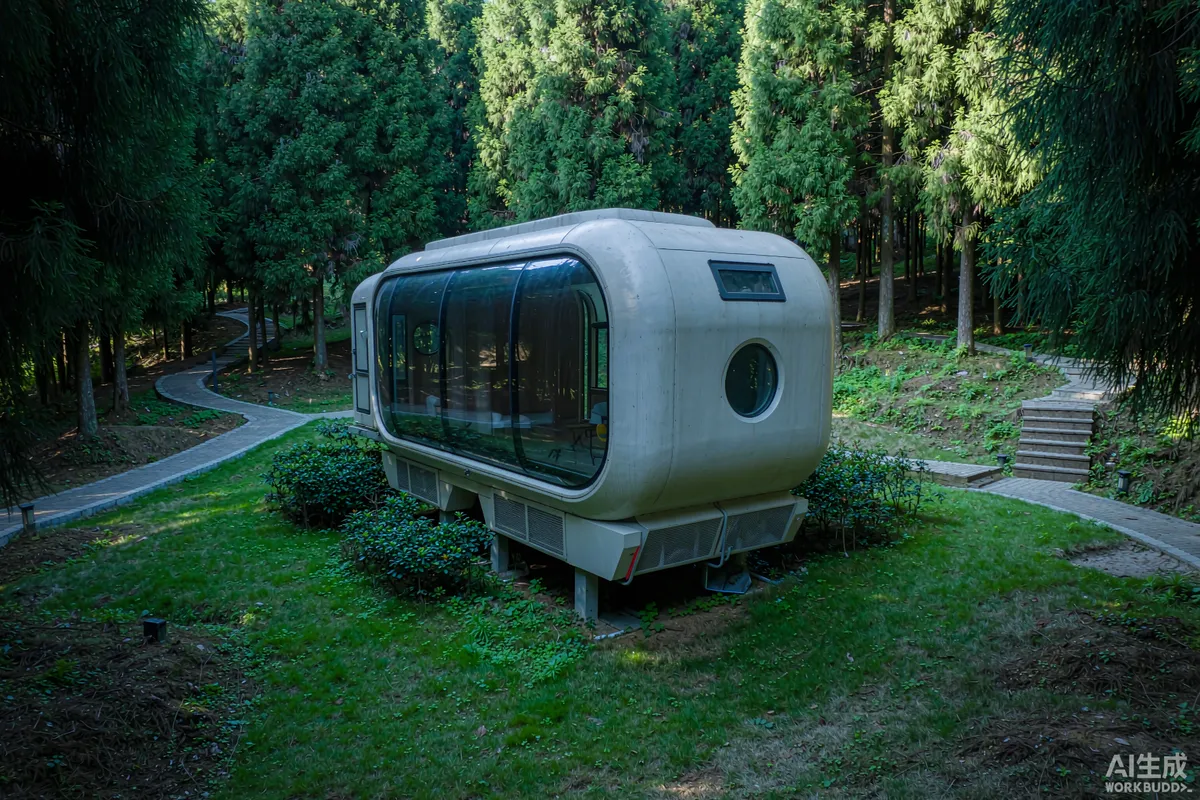
The sites people want for a capsule home - woodland, meadow, lakeshore - are the same sites where insects, rodents and wildlife already live. Proofing is not about fighting them; it is about removing the gaps, the shelter and the food that invite them in, while keeping the unit ventilated and comfortable. The work is mostly a few hours with a sealant gun and a mesh roll, done once, plus a handful of habits that take no time at all.
The Short Answer
Screen every vent and opening with fine, corrosion-resistant mesh; seal every service penetration and gap at the base and underside; keep the ground beneath and around the unit clear of shelter and stored materials; store food and waste in sealed containers; and check screens and seals on the same schedule as other maintenance. Do not block ventilation to keep insects out - poor airflow causes damp, and damp causes worse problems than insects.
Where They Get In
A compact unit has far fewer entry points than a conventional building, which is an advantage. The entries that do exist are predictable, and most of them are there for a legitimate reason.
- Ventilation openings. Required for air quality, and the most common entry route for insects.
- Service penetrations. Where water, power and data enter, gaps are often larger than the cable.
- The underside. A unit on piers leaves a sheltered, dry, dark space that rodents find ideal.
- Door thresholds and gaps. Insects need very little clearance.
- Roof and wall junctions. Small gaps at trim or flashing details.
- Open doors during turnover. Cleaning with the door propped open is an open invitation.
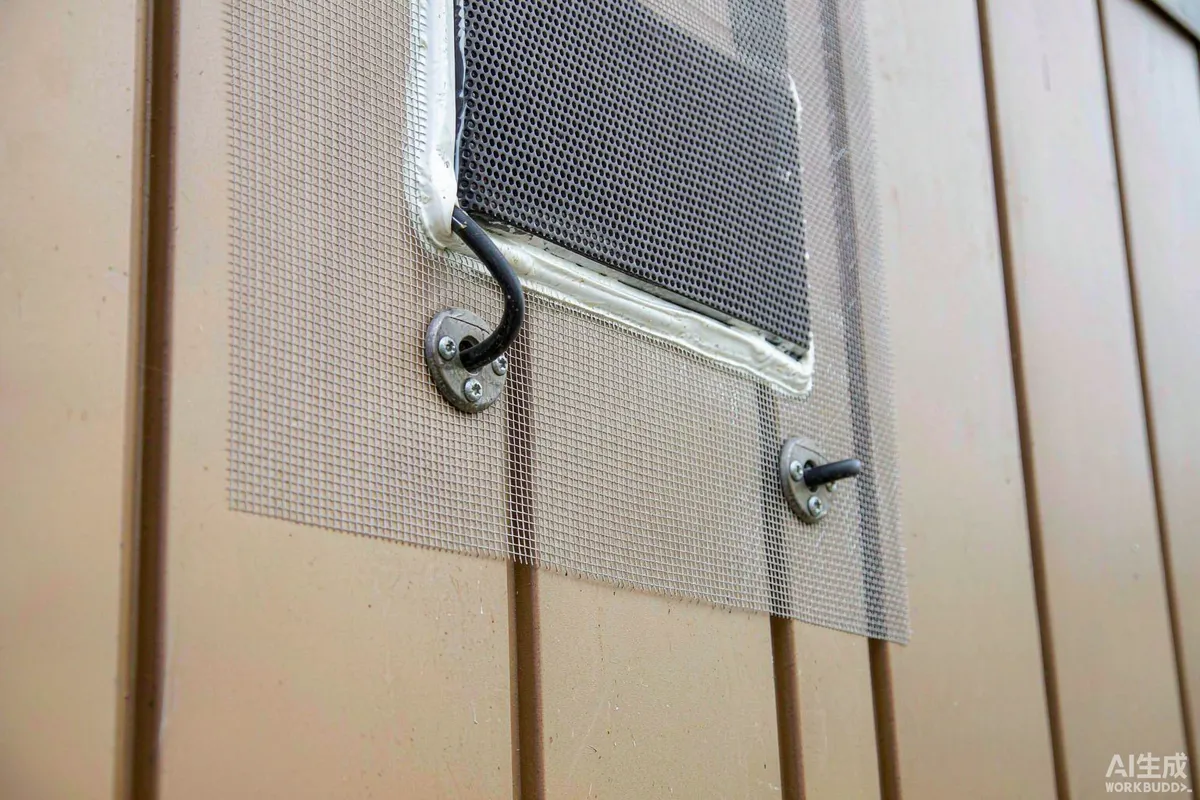
Screening Without Suffocating the Unit
The instinct when insects appear is to block the opening. That trades a small nuisance for a large one: reduced ventilation means higher humidity, condensation and eventually damp. The correct approach is to screen, not to seal, and to keep the screen clean.
- Use fine mesh appropriate to the insects in question - the smaller the insect, the finer the mesh required.
- Choose a corrosion-resistant material - stainless steel or a suitable coated product for coastal and humid sites.
- Account for the airflow reduction. A mesh reduces free area; compensate with a slightly larger grille rather than by removing the mesh.
- Make screens removable so they can be cleaned rather than replaced.
- Clean them on a schedule. A dusty screen is a restricted vent, and this is the most common oversight.
Sealing the Envelope
Sealing is a one-off job with a long payoff, and it is best done carefully rather than quickly.
- Service penetrations. Close the gap around every cable, pipe and conduit with a suitable sealant or a purpose-made grommet.
- Base and underside. Close gaps where the structure meets its supports, keeping any designed ventilation path intact.
- Door and window perimeters. Check seals continuously, not just at the corners.
- Junctions and trims. Any place two materials meet is a candidate.
- Choose the right sealant for the movement and UV exposure involved - a rigid product in a moving joint fails within a season.
Re-inspect annually. Sealants age, especially where they face sun and temperature movement, and a failed bead is easy to miss until something gets through it.
Managing the Ground Beneath and Around
Most successful pest-proofing is sitekeeping rather than building work.
- Keep the underside clear. No stored timber, boxes, offcuts or unused materials beneath the unit.
- Trim vegetation back so plants do not touch the envelope, and so branches do not provide a route onto the roof.
- Keep a clear margin of gravel or short ground cover around the base, so there is no cover right up against the structure.
- Store firewood away from the unit and off the ground - it carries insects indoors.
- Manage waste properly with sealed, lidded containers, emptied on a schedule that suits the occupancy pattern.
- Clear standing water and anything that holds it, which also reduces insects generally.
Food, Waste and Occupancy Habits
In rental use, the unit resets every few days and the habits of the operator matter more than the habits of any guest.
- Empty and clean waste containers at every turnover.
- Store dry goods in sealed containers rather than in opened packaging.
- Clean under and behind appliances on a schedule - crumbs accumulate out of sight.
- Do not leave pet food out where the site allows pets.
- Close doors promptly during cleaning and maintenance rather than propping them open for convenience.
- Check the unit at low-occupancy periods - an empty unit is noticed by wildlife before an occupied one.
Wildlife: Site-Specific, and Worth Local Advice
What counts as wildlife depends entirely on where the site is: rodents and birds in most places, bears, raccoons or larger animals in others. Generic advice has limits here.
- Ask locally what the real problems are, and what the accepted response is in that area.
- Never feed wildlife, deliberately or by leaving accessible waste.
- Respect protected species. Nesting birds and protected animals may have legal protection; check before disturbing anything. Requirements may vary by application, market and applicable standard.
- Use exclusion, not confrontation. Closing the route is safer and more durable than dealing with an animal inside.
- Call a professional for anything large, protected or capable of damaging the structure.
Seasonal Patterns Worth Knowing
Pest pressure is seasonal almost everywhere, and knowing the local pattern turns a reaction into a plan.
- Spring. Nesting begins. Birds look for sheltered ledges, cavities and undersides, and insects become active as temperatures rise.
- Summer. Peak insect activity, particularly around light after dark - which makes the position and timing of exterior lighting worth a thought.
- Autumn. Rodents and insects look for warm, dry shelter for the cold months. An unused unit is most at risk at exactly this point.
- Winter. Activity falls in cold climates, but a heated, occupied unit stays attractive, and items moved indoors from storage can carry insects with them.
- Turnover gaps. Whatever the season, a unit left closed and unvisited for weeks is more likely to be occupied by something than one in regular use.
A single note in the maintenance calendar - inspect screens and seals shortly before the season that matters locally - prevents most of the problems people report after the fact.
What to Decide at the Factory
Some of this is far easier to build in than to add later.
- Screened ventilation openings sized to allow for the mesh.
- Sealed and protected service penetrations, positioned where they can be inspected.
- Accessible underside detailing, so the space can be inspected rather than ignored.
- Durable exterior finishes and seals suited to the site's climate.
- A clear, unobstructed base detail that leaves nowhere to shelter.
Haishu finishes A Series units in the factory as turnkey dwellings, so screens, penetrations, seals and base detailing are designed and built rather than improvised on site. The buyer's contribution is the site description: what lives there, what the seasons bring, and what the local guidance is.
The Takeaway
Screen rather than seal, close the penetrations, keep the underside and surroundings clear, store food and waste in sealed containers, and re-check screens and seals annually. In a compact unit, that short list handles the overwhelming majority of problems - and it keeps the ventilation working, which is what protects the building itself.
More from the Blog

Capsule Home Cost Guide: What You Really Pay in 2026
EXW, shipping, install and the hidden line items — a transparent breakdown of total landed cost.
Read article →
How to Install a Capsule Home in 3 Days: A Step-by-Step Guide
From site prep to first guest — the exact sequence our install crews follow on every deployment.
Read article →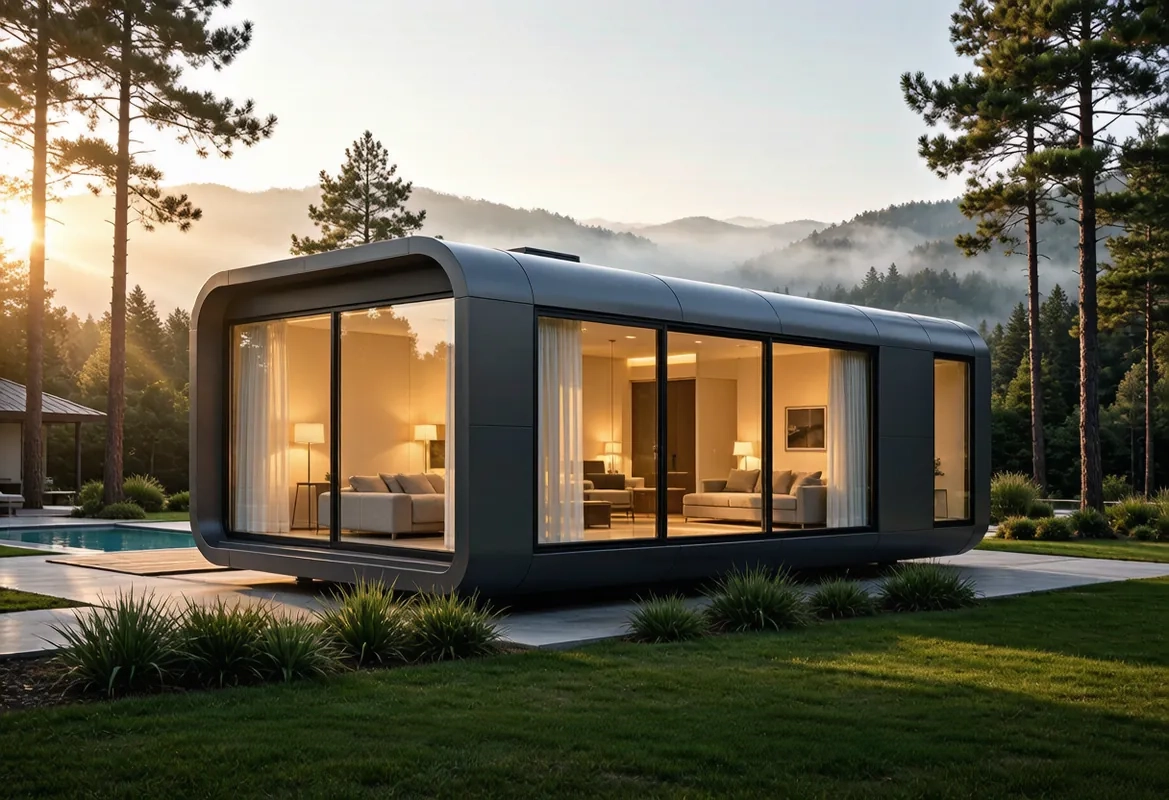
Real Owners, Real Numbers: Success Stories
How a lakeside resort, a Spanish glamping site and a Singapore dealer hit their targets.
Read stories →Talk to the Factory
Ready to Ride the 2026 Wave?
Get the latest catalog, pricing tiers and a layout sketch for your land — straight from the engineering team.