Off-Grid Capsule Homes: Power, Water and Waste Options
Planning an off-grid capsule home? Compare solar, battery, water storage and waste options, and what to size for your site.
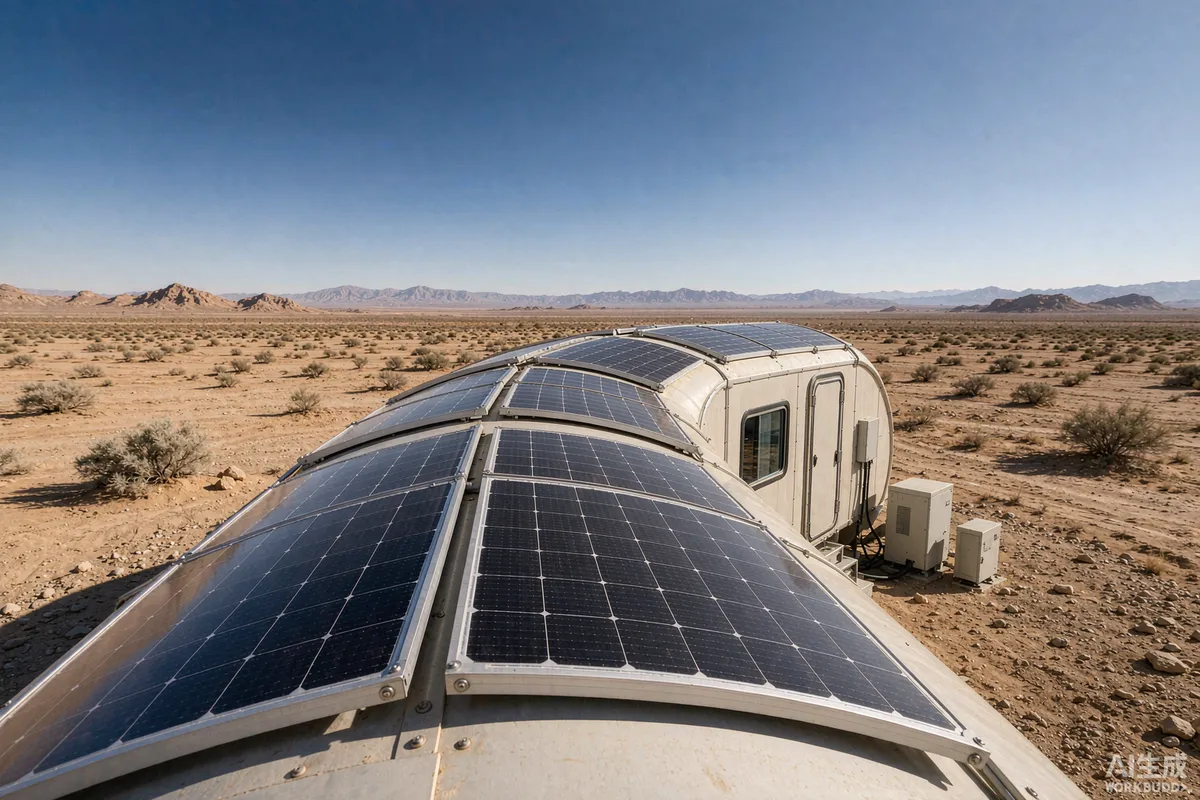
Off-grid capability is one of the reasons buyers are drawn to factory-built units: a self-contained shell can be placed where grid connection is impractical or expensive. But "off-grid" covers a wide range of capability, and the system is only as good as its sizing. Work through load, generation, storage and waste in that order.
Step 1: Calculate the Load
Everything else follows from what the unit consumes. List every electrical load and how many hours a day it runs: lighting, heating or cooling, refrigeration, water pump, cooking, and device charging. Heating is usually the dominant item in cold climates, and cooking is often underestimated.
The result is a daily energy figure. Two numbers matter separately - total daily consumption, and the peak simultaneous load, because the inverter has to supply the peak even if the total is modest.
Step 2: Size Generation
Solar is the usual choice. Array size depends on your daily consumption and on local solar resource, which varies substantially by latitude and by season. A system sized for summer will underperform in winter, so size against your worst season rather than your best.
Roof area on a curved capsule shell is limited, so ground-mounted or nearby arrays are common where consumption is high. Consider whether panels can be kept clean and unshaded at your site - partial shading reduces output disproportionately.
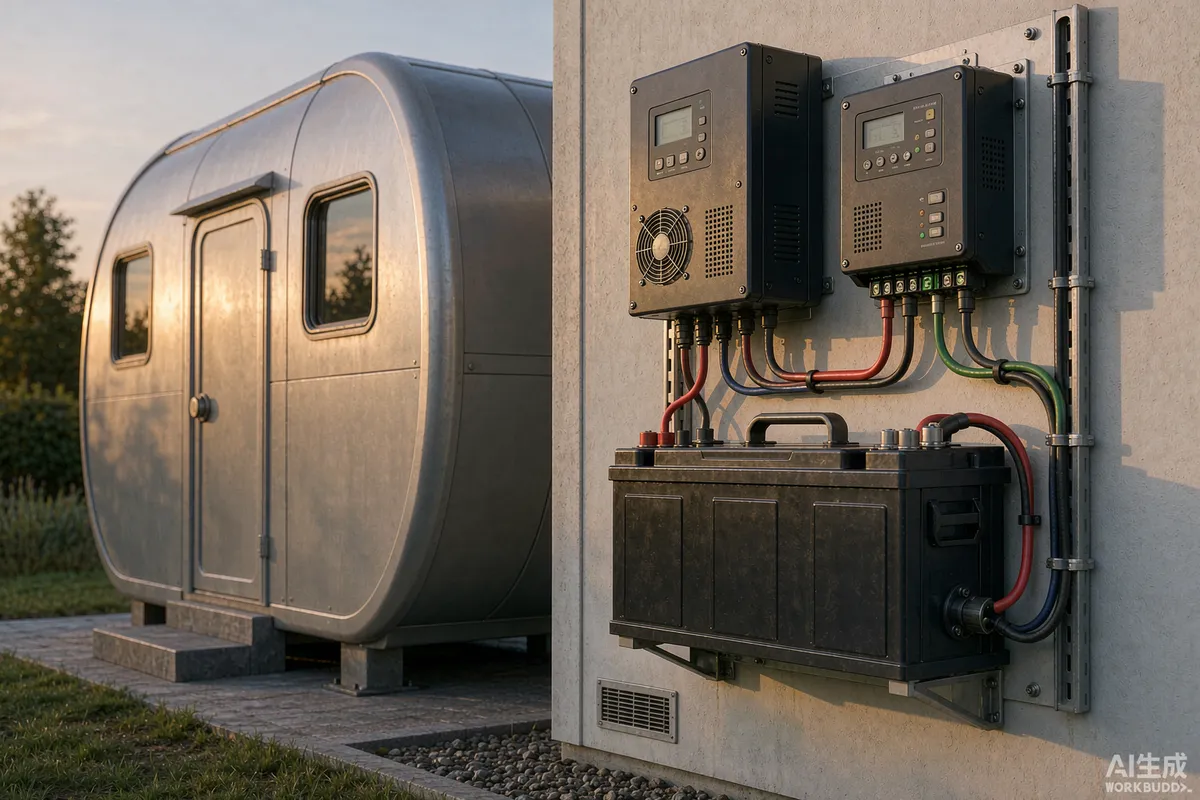
Step 3: Size Storage
Battery capacity determines how many consecutive low-generation days you can ride through. More autonomy costs more, so decide how much backup you need: one night is a different specification from three overcast days. If the unit is a rental, a guest running heating overnight is the scenario to design for.
Step 4: Water
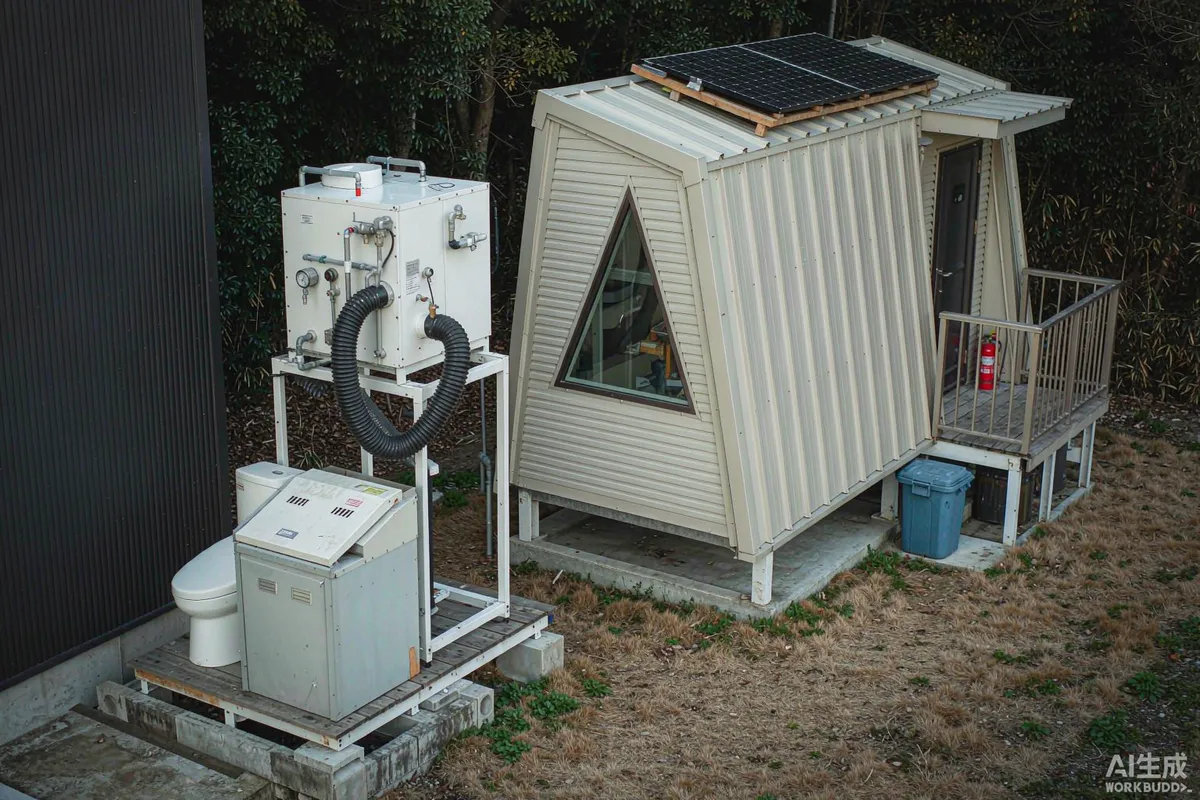
Options are mains connection, stored water delivered by tanker, rainwater harvesting, or a borehole where permitted. Storage volume is driven by occupancy and by how often you can refill. Rainwater harvesting depends entirely on local rainfall patterns and roof collection area, so check both before relying on it.
Step 5: Waste
Waste is the least discussed and most regulated part of an off-grid setup. Options include a septic system, a packaged treatment unit, or a composting toilet, depending on what your local rules permit. This is often the element that determines whether an off-grid plan is viable on a given site, so check it before you design the rest.
Trade-Offs to Accept
- Autonomy costs money. Each extra day of backup adds battery capacity and cost.
- Weight and space. Batteries and tanks take room and add load to the structure.
- Maintenance. Off-grid systems need periodic checks - filters, battery health, panel cleaning.
- Guest behaviour. Renters use more power than owners; specify with that in mind.
Hybrid Is Often Better
Full off-grid is not always the best answer. A grid connection with solar supplementation, or solar with a generator backup, often costs less and is more reliable than a pure off-grid system designed for the worst case. Model the hybrid option before committing to full autonomy.
What to Ask For
Ask for a load calculation, not a package size. A supplier who sizes from your actual consumption and climate will specify a very different system from one who sells a standard bundle. Requirements may vary by application, market and applicable standard.
More from the Blog
Capsule Home Cost Guide: What You Really Pay in 2026
EXW, shipping, install and the hidden line items — a transparent breakdown of total landed cost.
Read article →
How to Install a Capsule Home in 3 Days: A Step-by-Step Guide
From site prep to first guest — the exact sequence our install crews follow on every deployment.
Read article →
Real Owners, Real Numbers: Success Stories
How a lakeside resort, a Spanish glamping site and a Singapore dealer hit their targets.
Read stories →Talk to the Factory
Ready to Ride the 2026 Wave?
Get the latest catalog, pricing tiers and a layout sketch for your land — straight from the engineering team.