Neighbours and Community Relations When Opening a Capsule Home Park
How to handle neighbours and the local community when opening a capsule home park - early engagement, screening, noise, traffic, and the complaints that escalate.

Planning permission is not the same as permission. A park can satisfy every regulatory requirement and still generate enough local opposition to make the first two seasons miserable - complaints, visits, pressure on the authority, and reviews from people who never stayed. Most of that is avoidable, and it is avoidable early, cheaply, and by talking to people.
The pattern in successful sites is consistent: engage before you build, be specific about what you are doing, address the three or four things neighbours actually worry about, and give them a direct route to you when something goes wrong.
Why Engagement Before Building Matters
People rarely object to a building in the abstract. They object to surprises - and to the specific things they imagine will follow: traffic, noise, strangers, light, and a change to the character of a place they chose to live in.
- Opposition forms early and hardens. Once a group is organised, every subsequent conversation is harder.
- A late consultation reads as a formality, and people can tell.
- Neighbours notice site activity first - deliveries, machinery, unusual vehicles - often before any official notice arrives.
- One unanswered complaint becomes three complaints to the authority.
- Small concessions made early cost far less than conditions imposed later.
Engagement is not about persuading everyone. It is about ensuring that the people who are going to be affected hear about it from you, and that the specific concerns are documented and answered.
Who to Talk To
Work outward from the immediate boundary.
- Immediate neighbours - anyone whose property adjoins or overlooks the site.
- Nearby residents who will share the access road or hear the site.
- The parish, town or community council, where one exists.
- Local businesses that may benefit or be affected - a pub, a shop, an activity provider.
- The planning or permitting authority - early, and informally where that is possible.
- Any group with a specific interest in the land: access rights, conservation, water users.
Do not forget the businesses. A park that brings visitors can be genuinely good for a local pub or shop, and an ally made there is worth more than a neighbour who merely tolerates you.
What to Say
Vague reassurance raises suspicion. Specifics reduce it.
- What is being built - number of units, approximate size, and how they will look.
- How many guests, and at what times of year.
- How access works - which road, what vehicle types, and how often.
- What will be screened and how - with a drawing rather than a promise.
- What will be lit, and how lighting will be directed.
- How noise will be managed - quiet hours and who enforces them.
- How long construction will take and what hours work will happen.
- Who to contact - a named person and a real number.
That last item does more work than the rest combined. A neighbour who can ring someone and get an answer does not need to escalate.
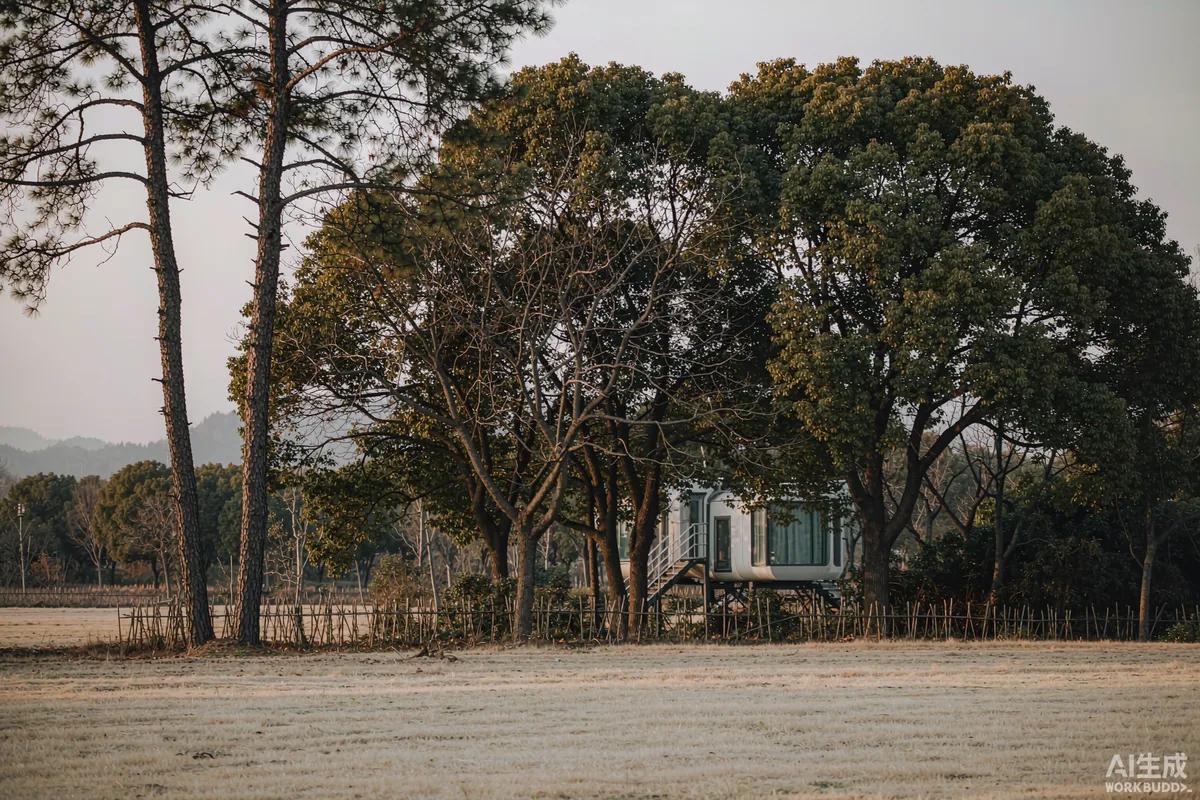
The Four Concerns That Come Up Every Time
Whatever the location, the same four issues dominate. Have a specific answer ready for each.
| Concern | What they actually fear | What helps |
|---|---|---|
| Traffic | Narrow lanes, speed, delivery vehicles, more of it | A stated route, delivery timing, a speed expectation, and any passing-place improvement you can offer |
| Noise | Late-night guests, music, generators, barking dogs | Written quiet hours, a named contact, and a stated policy on music outdoors |
| Visual impact | Seeing an unfamiliar structure from their window | A drawing showing screening from key viewpoints, and colour or finish choices that sit in the landscape |
| Light | Light spilling into a bedroom or across a dark sky | Shielded, warm, low-output lighting and a curfew, described specifically |
Answer these four before anyone raises them, in whatever form you are using to communicate. It signals that you have thought about being a neighbour, which is most of what people want to know.
Screening: Do It Before You Need To
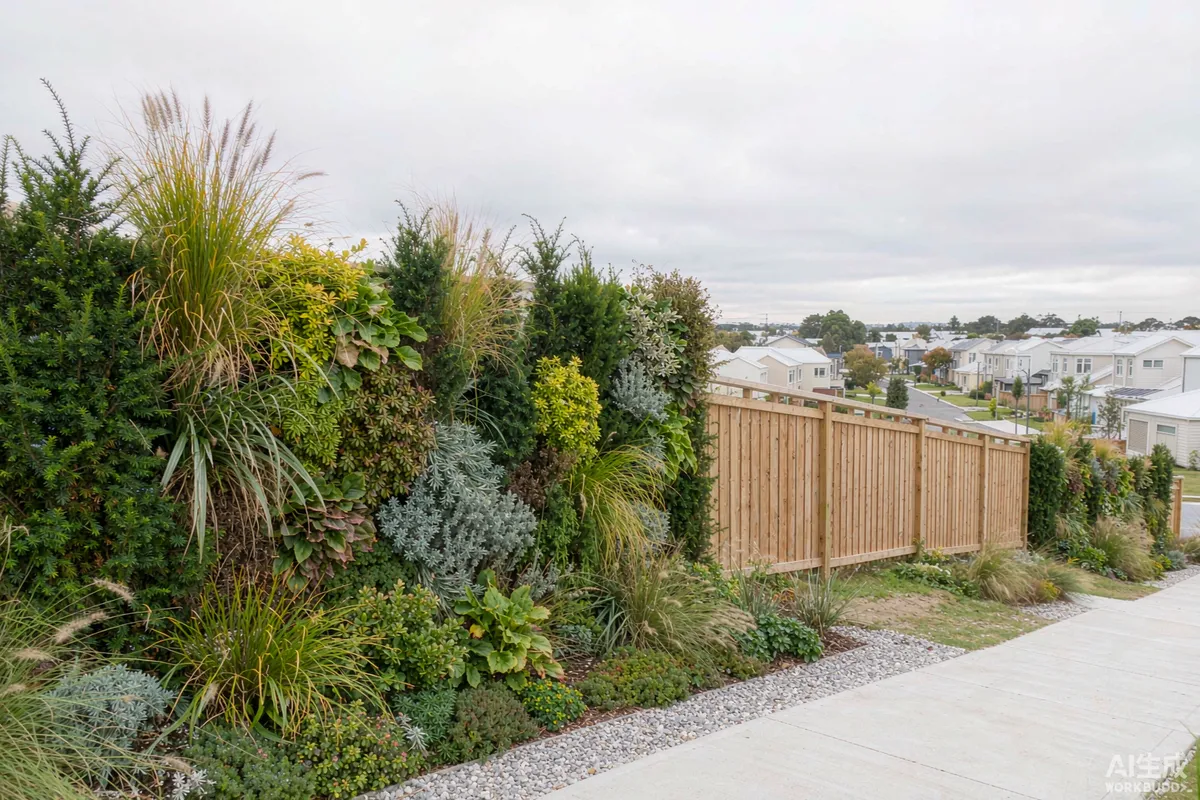
Screening is the single most effective physical measure, and it is far cheaper to establish before opening than after a complaint.
- Keep existing boundary vegetation wherever possible - mature planting is worth years of new growth.
- Supplement rather than clear, filling gaps rather than starting again.
- Check sightlines from the neighbouring property, from upstairs windows as well as ground level.
- Use the landform - a slight change in level often screens more effectively than a fence.
- Plan for winter, when deciduous planting does nothing.
- Maintain it. A screening scheme that is not maintained is a promise that has visibly lapsed.
Handling Complaints
Complaints will happen. The response determines whether they become a pattern.
- Acknowledge quickly - speed matters more than the answer.
- Listen before explaining. People who feel heard stop escalating.
- Be specific about what you will do, and when.
- Do what you said, then tell them it is done.
- Keep a written log of every complaint and the action taken.
- Look for the underlying issue - a complaint about noise is often a complaint about one recurring thing.
- Do not argue about whether the complaint is reasonable. Fix what you can and explain what you cannot.
A log is valuable for more than courtesy. If a matter ever reaches the authority or a review of your permission, a documented record of responsive handling is a very different position from a series of unrecorded conversations.
Being a Good Neighbour Afterwards
The relationship does not end at opening. Small ongoing actions keep it stable.
- Tell neighbours about unusual activity - a large delivery, a film crew, an event.
- Support local businesses and recommend them to guests.
- Keep the boundary tidy, including the side nobody sees.
- Control your own noise - maintenance equipment early in the morning is a common irritant.
- Check in periodically, not only when there is a problem.
- Invite them to see it once, if the relationship allows; most opposition softens on contact with the actual thing.
When Opposition Becomes Formal
Sometimes, despite good engagement, objections are submitted or a complaint reaches the authority. How you respond at that point is decisive.
- Read the actual objection rather than responding to what you assumed it would be.
- Separate the specific from the general. A concern about a particular access route can sometimes be addressed directly; opposition to the principle cannot.
- Respond in writing, on the substance, with the change you are willing to make stated clearly.
- Do not counter-attack. A defensive or dismissive response tends to consolidate opposition rather than reduce it.
- Keep engaging individually even where a group objection exists - group positions are often softer individually than collectively.
- Consider whether a modification is genuinely acceptable. Reducing a unit count or relocating one unit is expensive; losing a permission is more expensive.
- Document everything, including what you offered and when.
Some projects do proceed against local opposition, and some should not. The judgement call is whether the specific concerns can be answered; if they genuinely can be, saying so with evidence is usually more effective than arguing about it.
A Short Checklist
- Neighbours and local bodies identified and contacted before construction.
- Specific information prepared: numbers, access, screening, lighting, hours.
- Named contact number given directly to neighbours.
- Answers prepared for traffic, noise, visual impact and light.
- Screening established before opening, checked from neighbouring viewpoints and in winter.
- Complaint log in place, with fast acknowledgement and follow-up.
- Ongoing communication maintained after opening.
Consultation expectations, notification requirements and the conditions attached to a permission may vary by application, market and applicable standard. Confirm what is required in your jurisdiction with the relevant authority before starting work.
More from the Blog

Capsule Home Cost Guide: What You Really Pay in 2026
EXW, shipping, install and the hidden line items — a transparent breakdown of total landed cost.
Read article →
How to Install a Capsule Home in 3 Days: A Step-by-Step Guide
From site prep to first guest — the exact sequence our install crews follow on every deployment.
Read article →
Real Owners, Real Numbers: Success Stories
How a lakeside resort, a Spanish glamping site and a Singapore dealer hit their targets.
Read stories →Talk to the Factory
Ready to Ride the 2026 Wave?
Get the latest catalog, pricing tiers and a layout sketch for your land — straight from the engineering team.