Mattress and Bedding Specification for a Capsule Home Rental
How to choose mattresses, protectors and linen for capsule home rentals - sizing, durability, changeover speed, and the stock levels that keep turnover running.
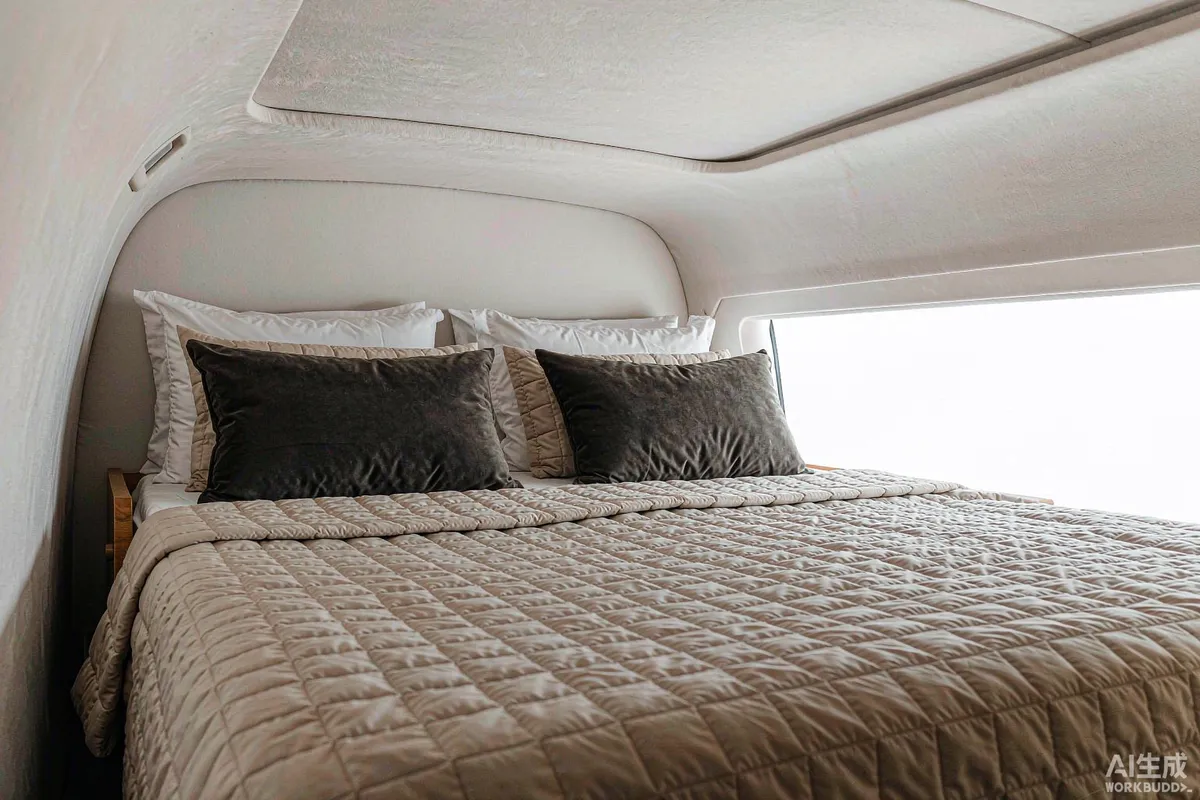
Sleep quality is the single most commented-on element in capsule home reviews, and it is decided by a specification that most buyers settle last. The mattress, the protection layers and the linen are the interface between the guest and the unit, and in a compact space they are also the most visible thing in the room. Choosing them is a balance between comfort, durability under frequent laundering, and changeover speed - and in a rental operation, the third of those has a direct effect on labour cost every single turnover.
Start From the Bed Size the Layout Actually Allows
Mattress choice is constrained by the platform or frame dimension in the layout, and by the space needed to change a bed around it. Before comparing products, confirm three measurements.
- The finished bed size the layout supports, including any clearance needed at the foot and sides.
- The access route the mattress will take into the unit - a large one-piece mattress can be impossible to manoeuvre through a compact entrance.
- The space available to strip and remake, which in a small bedroom is often only one side.
Where access is tight, a mattress designed to be delivered or handled more easily, or one specified in a size that fits with margin, will save repeated damage during changeovers. A scuffed or torn mattress corner is a review waiting to happen.
Mattress Type: What Each Suits
| Type | Strengths in rental use | Watch for |
|---|---|---|
| Pocket sprung | Familiar feel, good edge support, generally cooler to sleep on | Heavier to handle; check turning or rotation requirements |
| High-density foam | Light, simple, consistent, available in many sizes | Heat retention varies; check density and recovery |
| Memory foam | Pressure relief that guests often comment on positively | Feel changes with room temperature; can sleep warm |
| Hybrid | Combines support and surface comfort | Usually the highest cost; confirm availability for replacement |
| Non-standard or custom sizes | Fits an unusual platform exactly | Replacement lead time and linen availability |
The most important specification question is not comfort but replacement. Choose a size and type that you can buy again in two years without a special order. A mattress that cannot be replaced quickly takes a unit out of service.
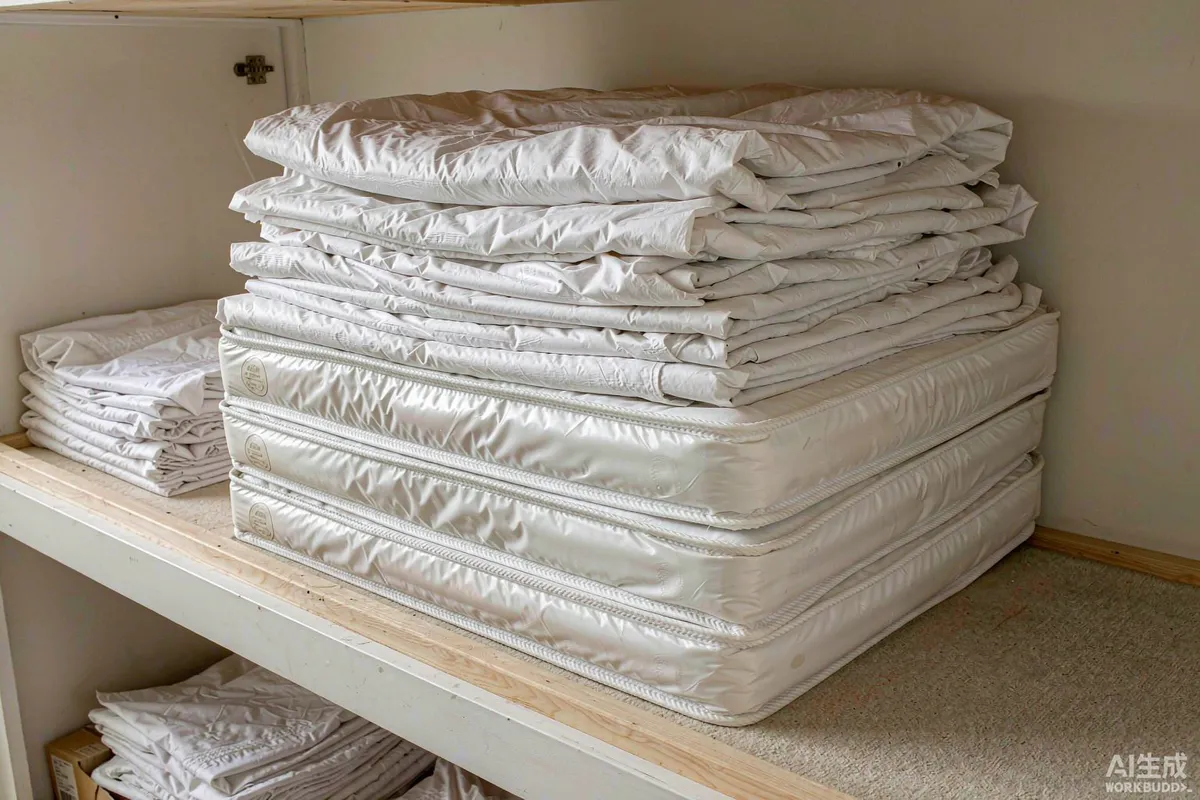
Protection Layers Are Not Optional
In a rental, the mattress will encounter spills, and a stained mattress cannot be recovered. Protection is the cheapest insurance in the unit.
- A fully enclosing waterproof protector that zips closed, rather than a fitted sheet style that can ride up.
- A breathable top layer, because a fully impermeable surface directly under a sleeper affects comfort and will be commented on.
- Pillow protectors under the pillowcases - pillows absorb more than most operators expect and are more expensive to replace than protectors.
- A clear replacement rule: protectors are consumables, not capital items. Replace on a schedule rather than when they look worn.
Check that protectors survive your laundry process. A protector that delaminates or loses its waterproof layer after twenty washes is a recurring cost, not a one-off purchase.
Linen: Choose for the Laundry, Not the Photograph
White linen is standard in accommodation for a practical reason: it can be washed hot and bleached, and it is obvious when it is not clean. Beyond that, the specification should be driven by throughput.
- Weights and weave. A mid-weight cotton or cotton-blend percale balances comfort with drying time; heavy hotel linen can exceed what an on-site laundry can turn around in a changeover window.
- Colour. White simplifies sorting and replacement. Coloured or patterned linen fades unevenly and is harder to match after a year.
- Sizing. Confirm fitted sheet depth against the actual mattress plus protector - a protector adds measurable depth and sheets that fit a bare mattress will not fit it.
- Duvet and pillow fill. Synthetic fills dry faster and suit guests with allergies; check they tolerate repeated industrial laundering.
- Layering. A folded blanket or light layer at the foot of the bed lets guests adjust without asking, and reduces out-of-season complaints about temperature.
How Much Stock You Need
The standard accommodation rule is three sets per bed: one in use, one in the laundry, one in storage. Parks often find they need more than that, depending on turnaround.
- On-site laundry with a same-day turnaround - three sets is usually adequate.
- Off-site laundry with a two-day cycle - plan for four to five sets, or accept that a back-to-back changeover is not possible.
- Same-day changeovers - add at least one full set per unit if departures and arrivals fall on the same day.
- Peak season - review before the season, not during it; linen is rarely available at short notice in the sizes you need.
A Changeover Routine That Stays Consistent
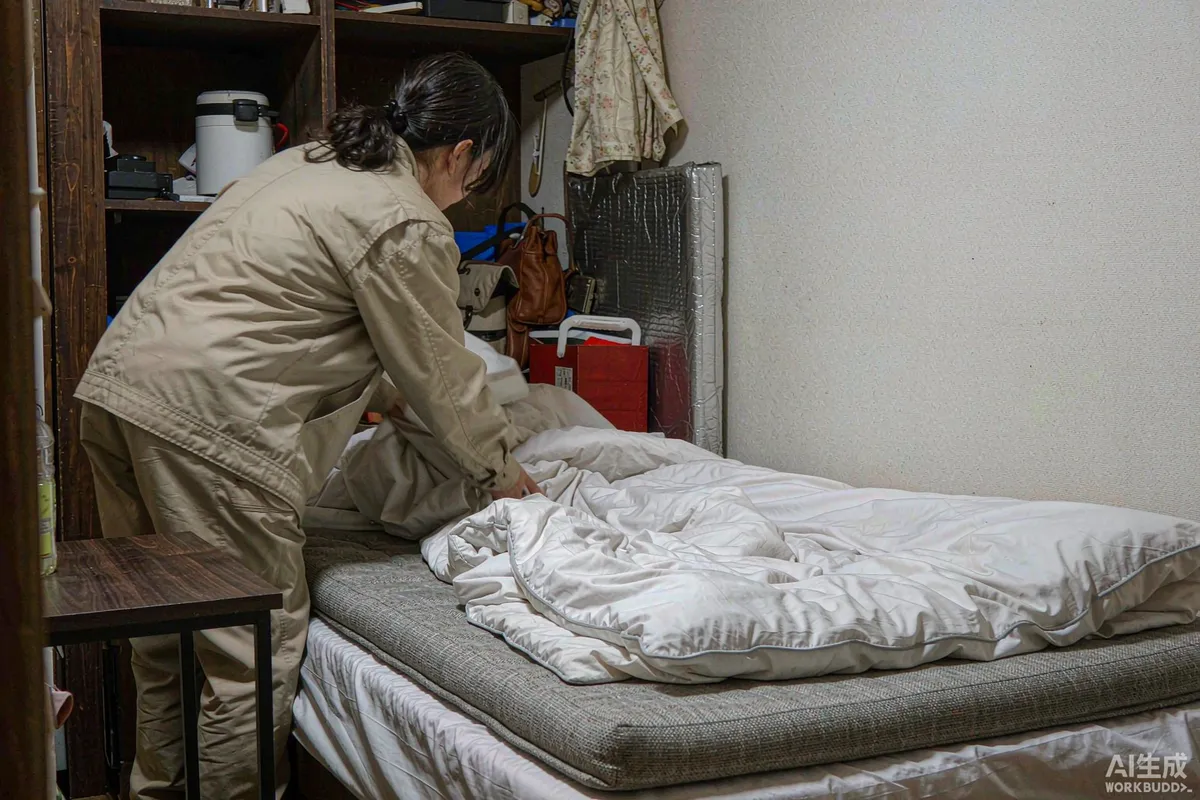
Write the sequence down and keep it identical across units. Consistency is what makes a tired housekeeper accurate and a new one fast.
- Strip everything, including protectors that show any mark, and place directly into laundry flow.
- Inspect the mattress and the protector before remaking - this is the only moment it happens for free.
- Rotate or turn the mattress if the manufacturer requires it, and record the date.
- Fit the protector first, then the bottom sheet, checking corners and depth.
- Make the bed to a defined standard, including pillow arrangement, so it photographs consistently.
- Log any item removed for replacement so stock does not quietly erode.
Pillows: The Most Under-Specified Item in the Unit
Pillows generate more direct complaints than mattresses, because mattress preference is largely fixed while pillow preference is highly individual - and it is the one item a guest can immediately judge. A single pillow type per bed is a gamble.
- Provide a choice. Two pillows per guest of different firmnesses, clearly distinguishable, resolves the majority of preference complaints at negligible cost.
- Use protectors under every pillowcase. Pillows absorb moisture and oils quickly and are more expensive to replace than the protective layer.
- Check the fill against your laundry. Some fills clump or flatten after repeated washing; test before committing to a full order.
- Set a replacement interval. A pillow that looks acceptable can have lost its support; a written cycle prevents the slow decline that guests notice and staff do not.
- Keep spares in the unit or nearby. An extra pillow in a storage space turns a late request into a thirty-second task.
The same principle applies to any soft furnishing that touches the guest directly: it is a consumable with a service life, and specifying it as one from the start removes a recurring source of low-grade dissatisfaction.
Replacement Cycles and Budgeting
Treat mattresses and linen as items with a known life rather than as surprises. A short written policy prevents both premature replacement and the opposite problem of running a unit with a visibly tired bed.
- Set a review interval for mattresses and record the date of purchase on the label or in the log.
- Replace protectors on a fixed cycle, and immediately when the waterproof layer fails.
- Retire linen when it thins, greys, or no longer fits; keep a small reserve of each size for immediate swap.
- Budget annually rather than reacting, so a replacement order is never an emergency.
Guests rarely mention a good mattress by name, but they almost always mention a bad one - and sleep is the one thing a compact, well-designed unit cannot compensate for. Where fire safety or labelling requirements apply to mattresses or soft furnishings in accommodation, confirm the applicable requirement for your market before ordering. Requirements may vary by application, market and applicable standard.
More from the Blog

Capsule Home Cost Guide: What You Really Pay in 2026
EXW, shipping, install and the hidden line items — a transparent breakdown of total landed cost.
Read article →
How to Install a Capsule Home in 3 Days: A Step-by-Step Guide
From site prep to first guest — the exact sequence our install crews follow on every deployment.
Read article →
Real Owners, Real Numbers: Success Stories
How a lakeside resort, a Spanish glamping site and a Singapore dealer hit their targets.
Read stories →Talk to the Factory
Ready to Ride the 2026 Wave?
Get the latest catalog, pricing tiers and a layout sketch for your land — straight from the engineering team.