Setting Linen Par Levels for a Capsule Home Rental
How many sets of sheets and towels each unit needs, how turnaround lead time drives that number, and how to keep stock from quietly disappearing over a season.
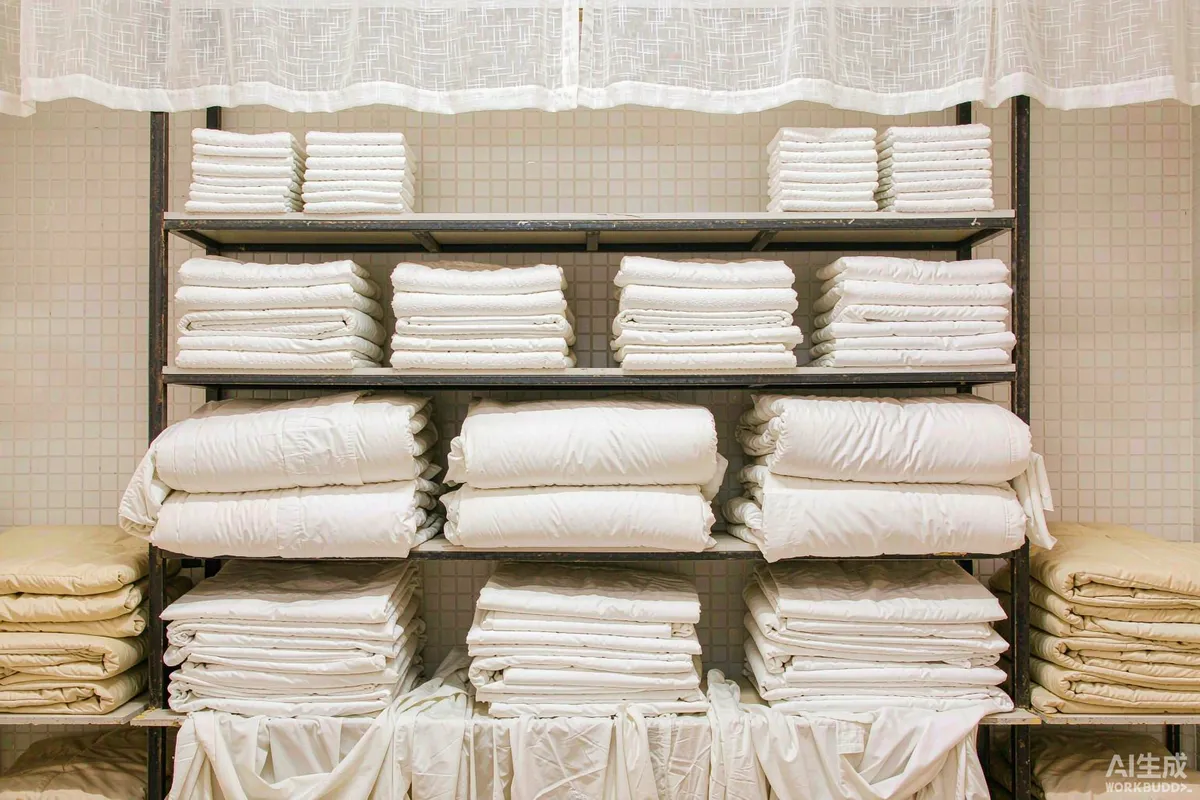
Par level is the number of complete sets of an item you hold per unit. Too few and housekeeping waits for laundry while a cleaner stands idle; too many and capital sits in a cupboard ageing rather than being used. For most capsule rentals the answer is three to four sets per bed size, but that number moves with your laundry arrangement, your turnaround window and how much stock you lose to staining. Working it out per unit rather than guessing once for the whole site is what keeps changeover mornings calm.
What Par Has to Cover
Every set has to exist somewhere at any moment. Listing those locations produces the number directly.
- One set on the bed for the current booking.
- One set in the laundry - being washed, dried, or in transit.
- One set clean and ready in the unit or the store, so a changeover can be turned around immediately.
- A buffer for the unexpected - a guest in for a week needs a change of bedding; a set gets stained at 6pm on changeover day.
Three sets covers the first three lines. Whether you need a fourth, and in what proportion, depends mainly on how long laundry takes to come back.
Let Laundry Lead Time Set the Number
| Arrangement | Typical return | Practical par |
|---|---|---|
| Laundry on site, same-day | Hours | Three sets generally sufficient |
| Off-site service, daily collection | About a day | Three sets, with tight buffering |
| Off-site service, two collections a week | Two to three days | Four to five sets per bed |
| No laundry access in season surges | Unpredictable | Five or more, or reconsider the arrangement |
The failure mode is easy to recognise: if housekeeping is regularly waiting for clean linen, par is too low for the lead time, whatever the spreadsheet said. Conversely, if stored sets are still folded and untouched at season end, that stock could have been working capital.

Count by Item, Not by Unit
A blanket rule per unit hides where stock actually runs short. Work through each item against the unit's occupancy.
- Fitted sheet, flat sheet, duvet cover, pillowcases for each bed size in the unit.
- Bath towel and hand towel per guest at maximum occupancy, not average.
- A bath mat per bathroom, which stains fast and is often forgotten.
- Tea towels and a dishcloth for kitchens - cheap, high loss.
- A spare duvet and pillows rather than extra covers, for allergy requests and accidents.
- Protectors for mattresses and pillows, which are inventory in their own right.
Write these as a checklist per unit type. Two units that look identical will differ once one has a sofa bed, and laundry does not care about the listing description.
Rotation and Storage
Linen wears out roughly evenly if it rotates, and very unevenly if it does not. Most premature replacement is a rotation problem rather than a quality one.
- First in, first out. New stock goes to the back; the oldest clean stock goes out next.
- Store clean separately from soiled. Physically separate rooms or clearly separated areas, not two shelves in one cupboard.
- Keep it dry and ventilated. Warm, damp storage produces the smell that gets blamed on the washing.
- Label by unit where helpful. This makes losses attributable, though it also adds a sorting step - decide which matters more.
- Fold consistently. Sets folded together make stock counts fast, which means they actually happen.
Where Stock Disappears
A seasonal operation loses linen continuously, and the leaks are usually identifiable in retrospect.
- Staining. Makeup, oil and some sunscreen products are effectively permanent on white cotton; a coloured range hides less obvious marks.
- Towels used outdoors. Hot tubs, beaches and muddy dogs all take towels away from the bathroom and sometimes away from the site entirely.
- Small items. Tea towels and hand towels vanish at a rate that surprises everyone.
- Turnover the unit during a long stay. Weekly changes multiply usage; this should be reflected in par.
- Contractor and maintenance use. Borrowed towels that never return, particularly during a busy season.
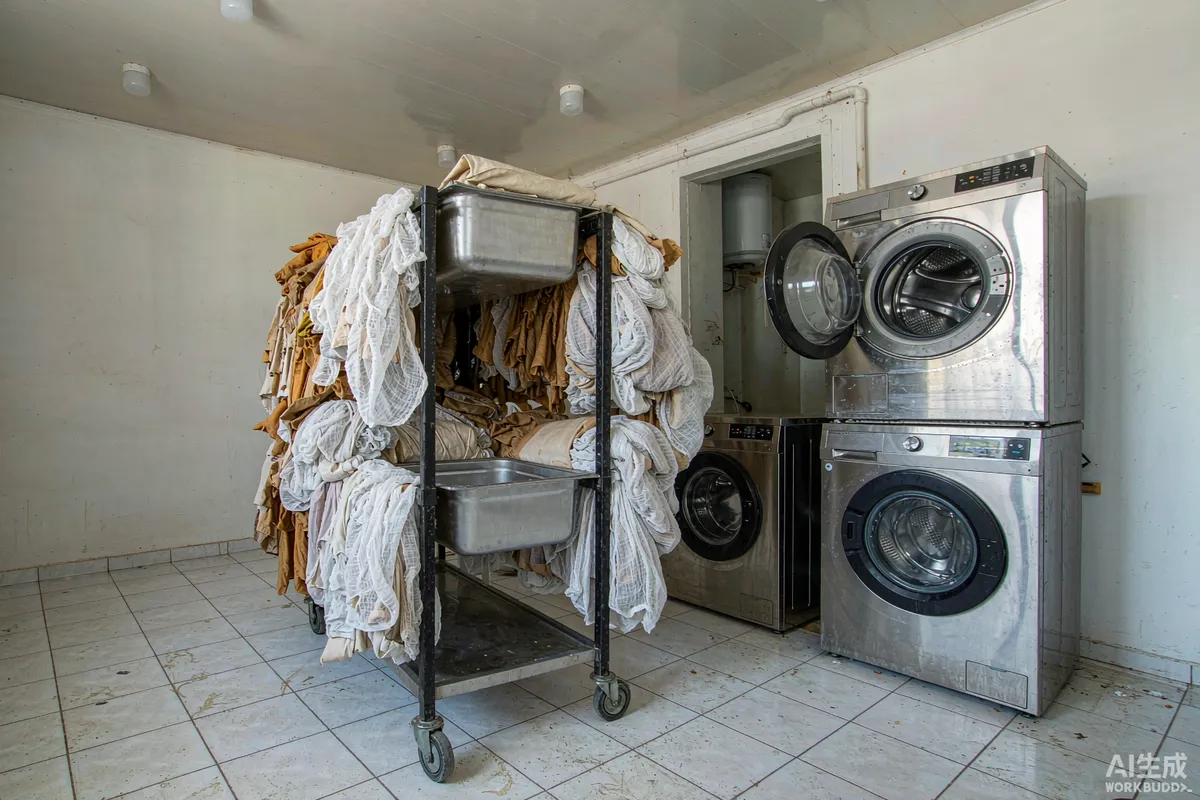
Retirement Criteria
Deciding what to throw out is easier with a rule than with judgement at 7am. Write one.
- Permanent staining that survives a normal wash goes to cleaning cloths, not back on the bed.
- Thinning or pilling in the sleep surface of a sheet is the retirement signal.
- Lost elasticity in a fitted sheet corner means it will not stay on.
- Towels that no longer absorb have finished - usually caused by fabric softener build-up long before fibres wear out.
- Unmatched sets should be broken up deliberately into labelled spares rather than left as incomplete bundles.
Set a review date each season and count rather than estimate. A written count of what remains, against what the checklist says should remain, is the whole control.
Questions to Ask Before Buying
- What is the realistic usable life in your operation, given your laundry process and how it is washed?
- Can it tolerate the washing temperature and process you actually use?
- Are replacements available in the same specification a year from now, or will you be rebuying a whole set?
- What is the drying time, given your drying arrangement and changeover window?
- Does the supplier sell individual items, or only full sets you do not need?
- How does it handle staining - does coloured or patterned stock suit your use better?
Finally, fold the replacement cost into the operating budget rather than treating it as a surprise. Linen is consumable with a long life, which is exactly why it gets forgotten until the cupboard is visibly short and a changeover is due in ninety minutes.
Washing In-House or Outsourcing
The decision is usually framed as a cost comparison and is better framed as a question about control and lead time.
| Factor | In-house laundry | External service |
|---|---|---|
| Lead time | Short and under your control | Depends on their collection schedule |
| Capital | Machines, space, water and power supply | Little beyond stock |
| Failure mode | A breakdown stops changeovers the same day | A missed collection does the same, with less warning |
| Space required | Dedicated room with drainage and ventilation | Storage for par stock only |
| Scaling | Machine capacity is a hard limit | Generally absorbs volume changes more easily |
Many small operations start external and bring laundry in-house once volume justifies the capital, particularly where changeover is same-day and lead time is the binding constraint. Whichever route you take, plan for the failure: know what happens the day a machine breaks or a collection is missed, and hold enough par that one missed cycle does not cancel a booking.
Adjusting for Season and Stay Pattern
A par level calculated once is rarely right all year. Two variables move it most.
- Changeover frequency. Single-night stays run the washer several times weekly; weekly stays run it once, but need weekly changes provided during the stay.
- Long-stay provision. A guest staying ten days needs an in-stay refresh unless they accept reusing towels, and the stock for that refresh has to exist somewhere.
- Shoulder season hours. Reduced staffing often means less laundry capacity at exactly the point turnaround windows narrow.
- School holidays and events. Occupancy peaks change both usage and the loss rate, since busy periods are also when accidents happen.
- Weather. Rain and mud increase towel use dramatically; a week of wet weather will consume more stock than a fortnight of dry.
Review par twice a year against what actually happened rather than what was planned. The correct number is the one that got you through the busiest week without a shortage and the quietest week without a cupboard full of untouched stock.
More from the Blog

Capsule Home Cost Guide: What You Really Pay in 2026
EXW, shipping, install and the hidden line items — a transparent breakdown of total landed cost.
Read article →
How to Install a Capsule Home in 3 Days: A Step-by-Step Guide
From site prep to first guest — the exact sequence our install crews follow on every deployment.
Read article →
Real Owners, Real Numbers: Success Stories
How a lakeside resort, a Spanish glamping site and a Singapore dealer hit their targets.
Read stories →Talk to the Factory
Ready to Ride the 2026 Wave?
Get the latest catalog, pricing tiers and a layout sketch for your land — straight from the engineering team.