The Long Life of a Capsule Home: Repair, Relocation and Reuse
Sustainability in prefab is mostly about longevity and reuse. How capsule homes are designed to be repaired, moved and kept in service for decades.
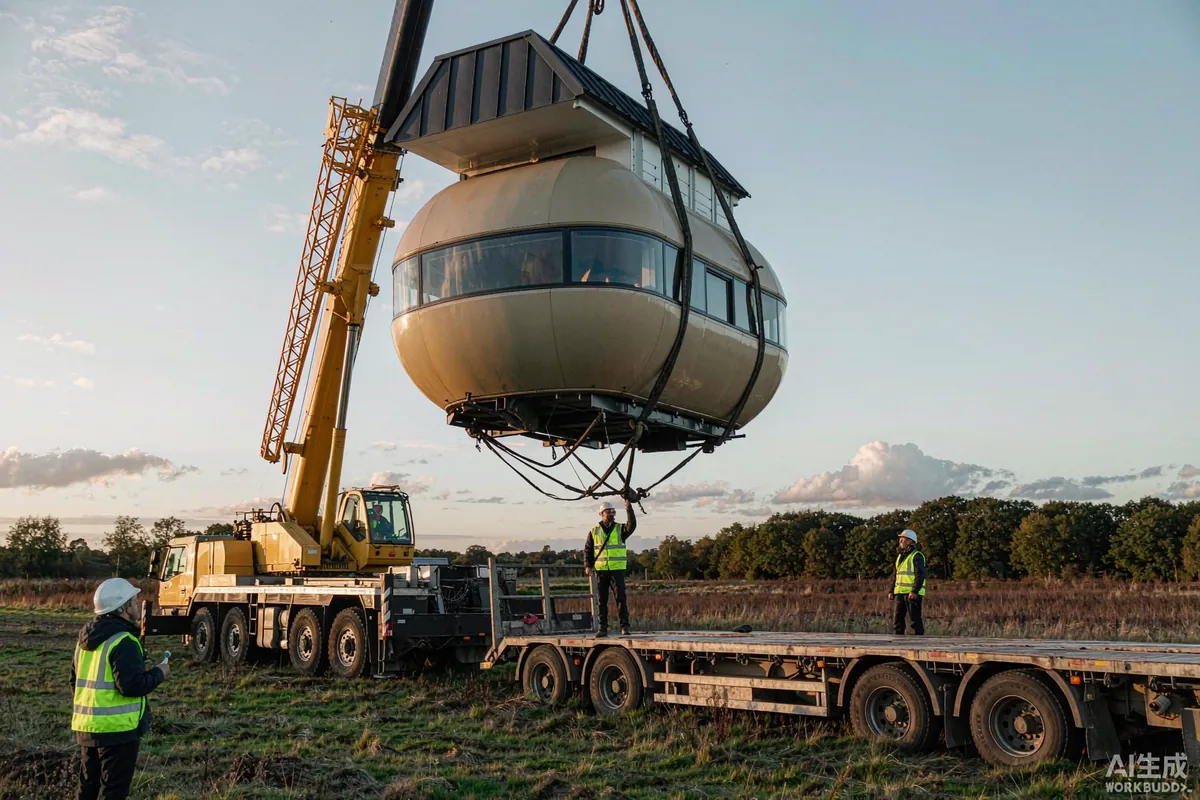
The strongest environmental argument for a factory-built capsule home is not the materials list - it is how long the unit stays useful and what happens when your use for it ends. A steel-framed unit can be repaired rather than replaced, relocated rather than demolished, and refurbished rather than discarded. That is a different proposition from a site-built structure that only has value where it stands. Buyers are increasingly asking about this, and it changes what they specify at the outset.
The Short Answer
Longevity is the first sustainability metric. Everything else - recycled content, operational energy, end-of-life recovery - only matters if the unit is still in service long enough for them to count. Practically, that means choosing a structure and a finish that can be repaired locally, keeping a spare parts list, and specifying a foundation and service connection strategy that leaves relocation possible.
Why Longevity Comes First
Manufacturing a unit consumes material and energy before it is used at all. The longer the service life, the more that initial investment is spread out. It follows that the design features which extend service life - corrosion protection on the frame, replaceable seals, serviceable mechanical systems, and protection for the envelope - are sustainability features in the plainest sense. They are also the features that protect resale value, which is why the two conversations increasingly happen together.
Design for Repair
- Replaceable glazing units. Ask whether a damaged pane can be replaced without cutting the frame.
- Serviceable panels. Can an inner lining be opened to reach services, or is everything buried?
- Accessible mechanical and electrical. Filters, isolators and valves should be reachable without dismantling joinery.
- Standard components. Locally available parts beat bespoke ones for a unit in a remote location.
- Documented spares. A spare parts list with part references, requested at order stage, is cheap insurance.
- Refreshable finishes. Wearing surfaces that can be renewed extend the unit's usable life considerably.
Relocation: The Option Conventional Buildings Do Not Have
This is the distinctive advantage. When a site's use changes - a resort redevelops, a camp moves, a family relocates - a capsule home can be lifted, transported and re-commissioned elsewhere. That capability changes the whole lifecycle picture: the unit is an asset with a second and third life rather than a structure tied to one plot.
Realizing it is a planning decision made at the beginning. Choose a foundation that can be removed with minimal disturbance, keep lifting points accessible, keep service connections demountable with accessible isolation, and record what the unit weighs and how it was originally lifted. A unit that was never intended to move can usually still be moved - just at greater cost and risk.
Material Choices at End of Life
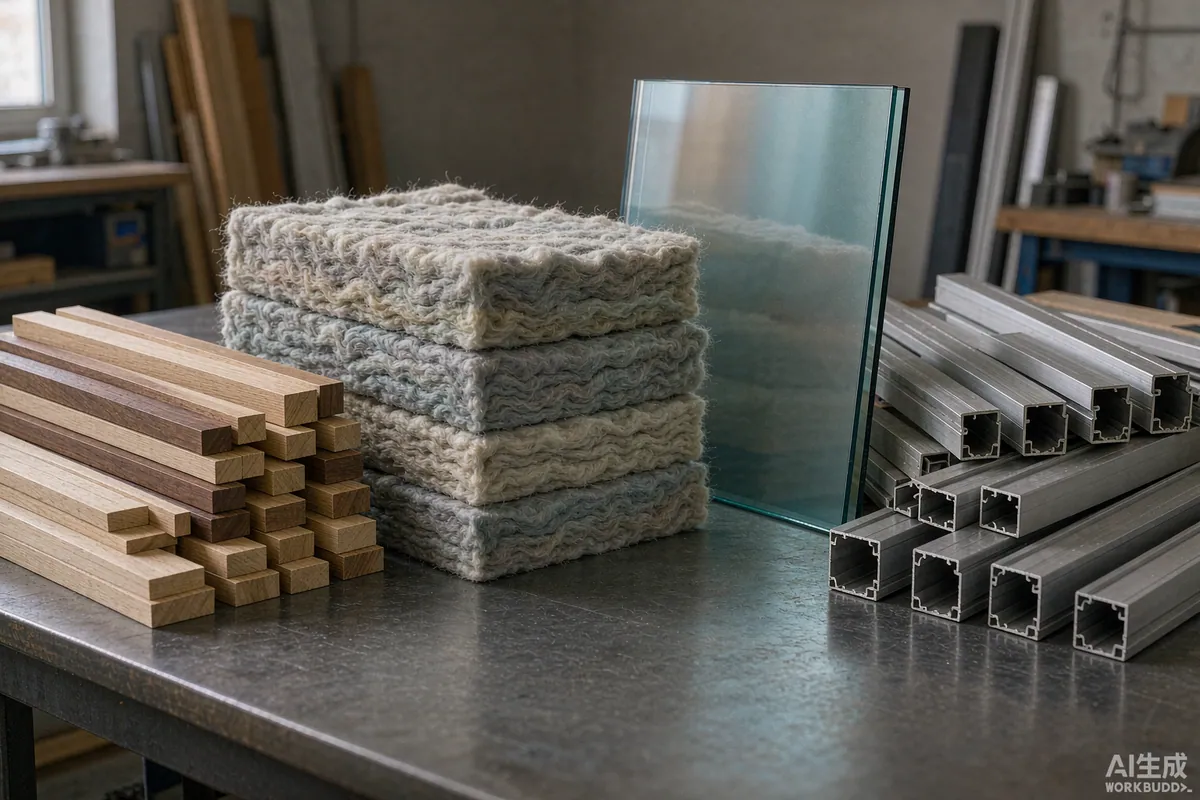
Steel and aluminium frames and skins are straightforward to recover and widely recycled. Glass is recyclable where collection exists. Insulation, sealants, composite panels and interior finishes are the difficult fraction, because mixed and bonded materials are harder to separate. The practical guidance for a buyer is simple: prefer mechanically fixed assemblies over bonded ones where there is a choice, and ask the supplier what the wall and roof build-up actually is. You cannot make a good end-of-life decision about a specification nobody will describe.
Operational Footprint
Envelope and plant
A well-sealed envelope with good glazing and appropriate shading reduces the energy needed for heating and cooling for the whole life of the unit - the one decision that keeps paying back. Sizing the plant correctly matters as much as choosing it.
On-site generation and storage
Rooftop solar and battery storage suit a unit with a predictable, modest load. Confirm the roof is designed for the array and its wind load before specifying, and check that the mounting system does not compromise the roof warranty or the waterproofing.
Water
Rainwater capture and greywater reuse reduce demand on a remote site. Ask about filtration, first-flush diversion and winterization, because those are the parts that determine whether the system is still working in year five.
What Buyers Are Asking For Now
- Written spare parts lists and a defined parts availability period.
- Disassembly and relocation guidance as part of the handover pack.
- Envelope specifications described in enough detail to be verified.
- Provision for solar and battery from the factory rather than as a retrofit.
- Interior finishes that can be replaced without returning to the factory.
- Honest answers about what is recyclable and what is not.
Refurbishment: The Second Life
Between relocation and recycling sits the option most owners overlook: refurbishment. A structurally sound unit with tired interiors is not at the end of its life - it is at the start of a second one, usually at a fraction of the cost of a replacement. The work is typically cosmetic and mechanical rather than structural: new floor and wall finishes, renewed seals and gaskets, refreshed joinery, updated lighting and controls, and a mechanical service or replacement of the plant.
Refurbishment works best when the original build anticipated it. That is why the mechanical-fixings point keeps recurring: a lining that unscrews can be opened, repaired and closed again, while a bonded assembly has to be cut. Similarly, a unit whose services run in accessible routes can be re-wired or re-plumbed in a day, where one with buried runs cannot.
For rental operators this is a scheduled activity rather than a repair event. Plan a light refresh on a defined cycle and a deeper refurbishment at a longer interval, and budget for both from the start. The alternative - running units until they look tired and then replacing them - is the most expensive version of the same story.
Documentation Is a Sustainability Asset
It is worth saying plainly, because it is easy to dismiss as administration: the paperwork that comes with the unit determines what can be done with it later. A buyer or a new owner who knows the frame material, the wall build-up, the glazing specification, the serial references and the maintenance history can maintain, insure, repair and eventually resell the unit. One who cannot, cannot - and the unit's value drops accordingly.
Keep the handover pack together and add to it. Record what was maintained, when, and with what. Record any modification, especially anything that changes the load case - a solar array, a terrace, a connected deck. When the time comes to move or sell, that file is the difference between an asset with a verifiable history and an object of unknown condition.
A Practical Lifecycle Plan
- At order: ask for the material build-up, the spare parts list and the maintenance schedule.
- At installation: choose a demountable foundation and keep service connections accessible.
- In year one: photograph and record everything, including serial references and as-built connections.
- Each year: work the maintenance schedule, especially seals, coating and mechanical service.
- At change of use: assess refurbishment and relocation before assuming replacement.
- At end of life: separate materials by type and ask a local recycler what they will actually accept.
The Takeaway
A capsule home's environmental case rests on staying useful for a long time, in more than one place. Specify for repairability, plan for relocation, and keep the documentation that makes both possible. The greenest unit is the one that is still in service in twenty years - ideally somewhere it was not originally intended to be.
More from the Blog
Capsule Home Cost Guide: What You Really Pay in 2026
EXW, shipping, install and the hidden line items — a transparent breakdown of total landed cost.
Read article →
How to Install a Capsule Home in 3 Days: A Step-by-Step Guide
From site prep to first guest — the exact sequence our install crews follow on every deployment.
Read article →
Real Owners, Real Numbers: Success Stories
How a lakeside resort, a Spanish glamping site and a Singapore dealer hit their targets.
Read stories →Talk to the Factory
Ready to Ride the 2026 Wave?
Get the latest catalog, pricing tiers and a layout sketch for your land — straight from the engineering team.