Insuring a Capsule Home: What Owners Should Ask Their Insurer
Cover for a capsule home depends on how it is classified, where it sits and how it is used. The information to prepare and the cover types to discuss.
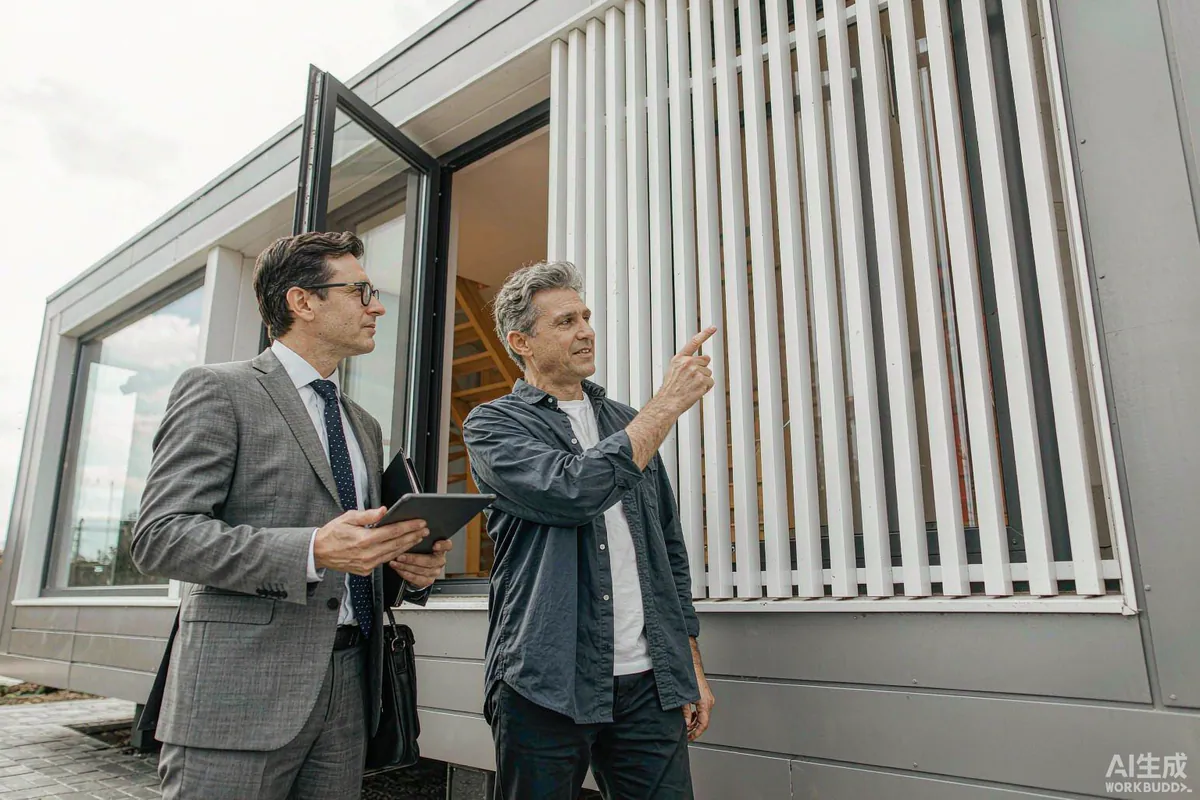
Whether you can insure a capsule home, and on what terms, depends first on how it is classified where you live - as a dwelling, an accessory or secondary unit, or a movable structure - and second on what it sits on and how it is used. Get a written quote before the unit is delivered, not after. Preparing a short information pack in advance is what turns a difficult enquiry into a normal one: photographs or drawings, the model and serial reference, the foundation type, the security arrangements and the intended use.
The Short Answer
Most owners can obtain cover, but the route depends on classification. A permanently sited unit on a fixed foundation used as a home is usually treated differently from a movable unit used occasionally. A unit generating rental income is a third case again. Ask the insurer which of these they are quoting for, and get the answer in writing, because the difference shows up at claim time rather than at quotation time.
How Classification Shapes the Quote
| Framing | What insurers typically focus on | What to prepare |
|---|---|---|
| Permanent dwelling | Construction type, foundation, security, proximity to emergency services | Foundation details, photographs, occupancy status |
| Secondary or accessory unit | Whether it is covered under an existing policy or needs its own | Main policy documents, site plan, use description |
| Movable or relocatable structure | How it is secured, whether it is occupied continuously, theft exposure | Anchoring details, storage location, security measures |
| Rental or commercial use | Commercial liability, guest injury, loss of income | Booking model, occupancy pattern, safety features |
Information Your Insurer Will Ask For
- Identification. Model, dimensions, serial or unit reference, and the supplier's documentation.
- Construction. Frame material, wall build-up, glazing type, roof form.
- Foundation. Piers, ground screws or slab, and how the unit is anchored.
- Location. Address or coordinates, and whether the site is in a mapped wind, flood or wildfire zone.
- Use. Owner-occupied, occasional, or let to paying guests - and for how many weeks a year.
- Security. Locks, glazing, lighting, alarm, and whether the site is monitored.
- Value. Replacement cost of the unit and, separately, of the contents.
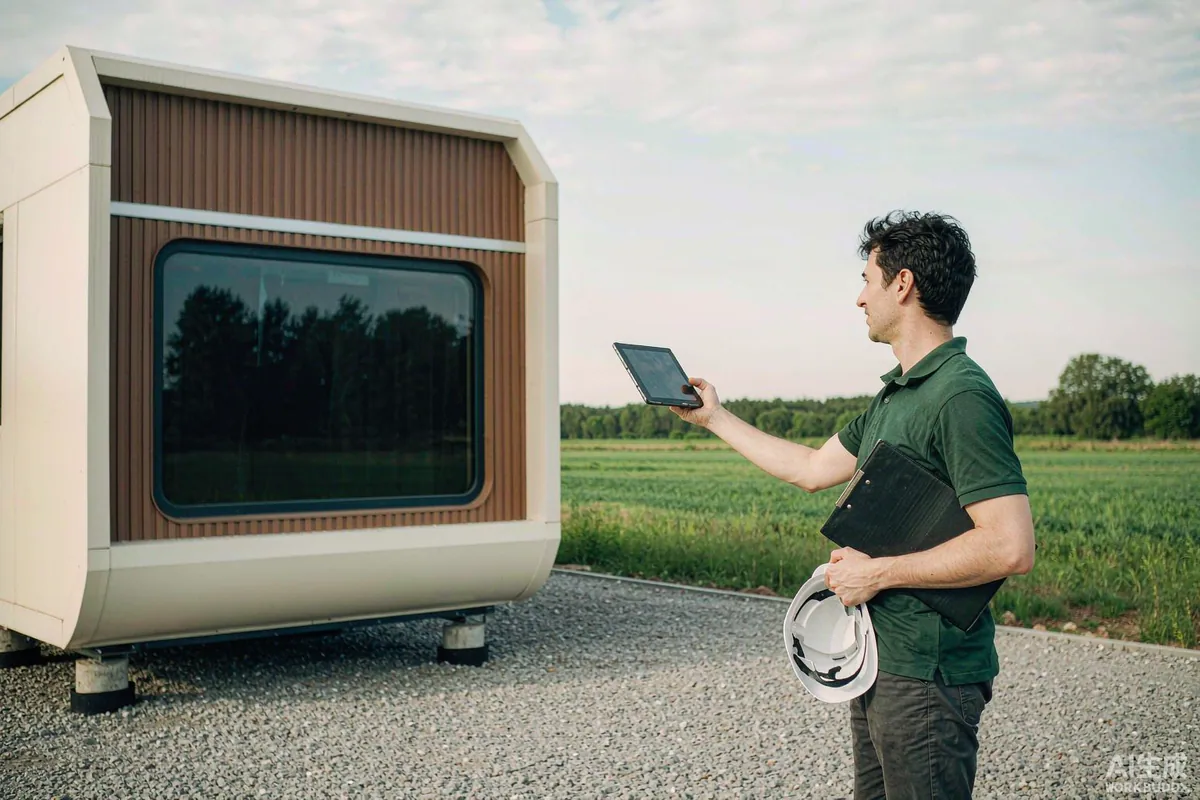
Cover Types to Discuss
The structure itself
Cover for the unit against defined perils. Confirm whether the sum insured is based on replacement cost or on a depreciated value, and whether the foundation and any deck or terrace are included or excluded.
Contents and fittings
Factory-finished units ship with furniture and appliances in many configurations. Check whether those are covered as part of the unit or as separate contents, because the wrong assumption leaves a gap precisely where most of the value sits.
Liability
Public liability matters as soon as anyone other than the owner is on site - guests, contractors, delivery crews. If the unit is let, this becomes a commercial question rather than a domestic one.
Loss of income
For rental units, ask whether an insured event that makes the unit unusable also covers the booking income you lose. This is often excluded by default and added on request.
Transit and installation
Ocean or inland transit is typically covered under a marine cargo policy, and the period between arrival and commissioning can fall between policies. Confirm who insures the unit at each stage: factory, on the water, at the port, on the truck, during the crane lift, and after it is set down. If nobody owns one of those stages, that is the gap.
What Moves the Price
- Location risk. Wind, flood, wildfire and theft exposure in the area.
- Occupancy pattern. Long vacant periods generally increase both risk and premium.
- Distance to fire services. A remote site can change the terms significantly.
- Glazing area. Large panes are a breakage and security consideration.
- Foundation and anchoring. Demonstrable resistance to wind and uplift helps.
- Claims history. On the site and for the owner.
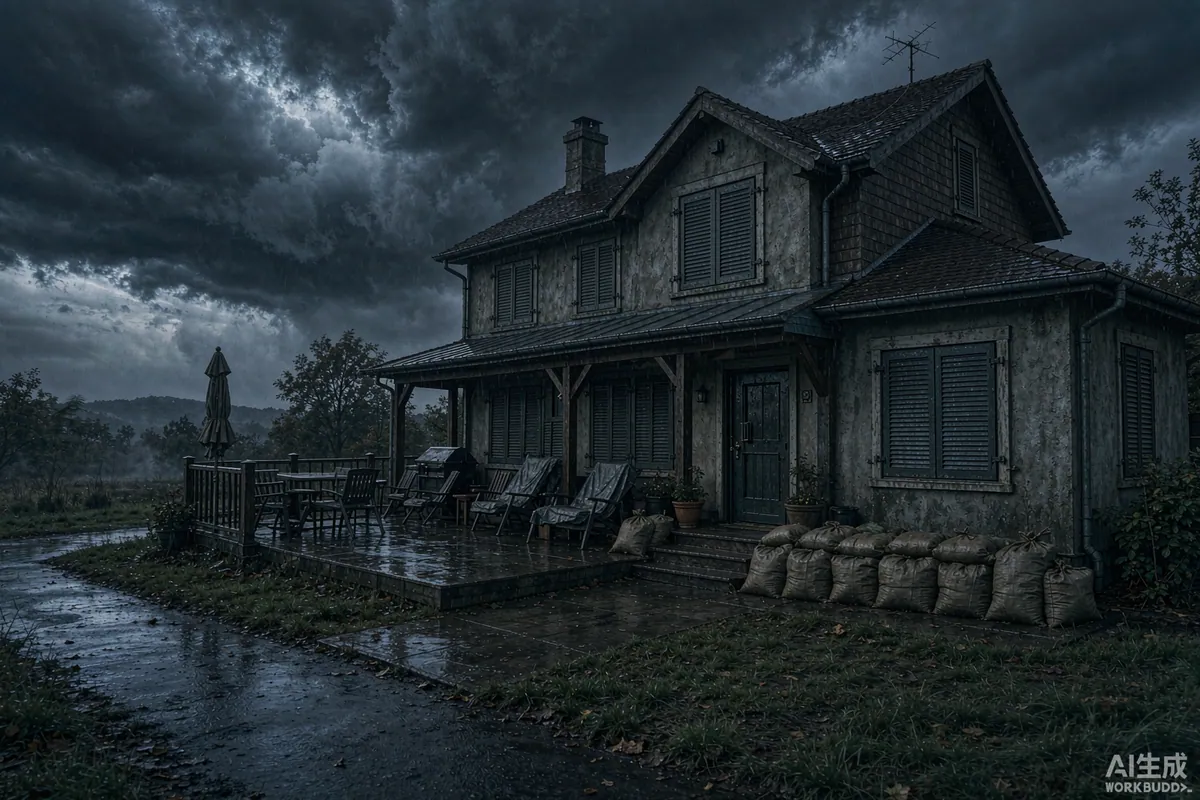
Steps That Improve Insurability
- Photograph the unit on arrival, before placement, and again after commissioning.
- Keep the supplier's documentation, serial references and the packing list together.
- Use a foundation and anchoring detail appropriate to your wind exposure, and record it.
- Fit good locks, external lighting and, on remote sites, a monitored alarm.
- Maintain the unit and keep a simple log - it is evidence of upkeep.
- Tell the insurer before you change the use, not after.
- Record serial references for glazing and appliances - replacement matching depends on them.
Cover During Transport and Installation
The risk does not begin when the unit is commissioned. Between leaving the factory and being set down on its piers, the unit is more exposed than at any later point, and this is the stage where policies most often fail to line up. Establish four dates in writing - when the seller's responsibility ends, when marine cover begins, when marine cover ends, and when your property cover begins - and confirm there is no gap between them. Terminal storage, the inland haulage leg and especially the crane lift deserve explicit confirmation, because each is easy to assume and easy to get wrong. If an installation crew is working on your site, ask whether their own liability covers damage to the unit while they handle it, and ask for evidence rather than an assurance.
If the Unit Is Let to Guests
Say so explicitly. Domestic policies frequently exclude commercial letting, and a claim arising from a paying guest can fail on that exclusion alone. Ask what safety features the insurer expects - handrails, step lighting, smoke and carbon monoxide detection, a fire extinguisher, clear escape routes - and treat that list as a specification rather than a suggestion. Requirements may vary by application, market and applicable standard.
Preparing for a Claim Before You Need To
Claims are decided on evidence, and evidence is created before anything goes wrong. Build a simple file at delivery and keep it current: dated photographs of the unit arriving, being placed and after commissioning; the supplier's documentation and serial references; the foundation and anchoring details; the invoice showing what was paid; and a brief record of maintenance. If you later add a deck, a solar array or a change of use, add it to the file and tell the insurer at the same time.
After an event, act quickly and document as you go. Most policies expect prompt notification and expect the owner to take reasonable steps to prevent further damage - covering a broken pane, isolating a water leak, securing a lifted panel. Photograph before you make temporary repairs, keep receipts for anything you spend, and do not dispose of damaged items until the insurer has seen them or confirmed in writing that you can.
If You Are Refused Cover
A refusal is usually informative rather than final. Ask for the reason in writing, then work through the practical responses:
- Classification problem. Ask what framing the insurer would accept, and whether a different policy type - a specialist, commercial or non-standard property policy - fits better.
- Siting problem. Sometimes a change to the foundation, the anchoring or the security arrangements changes the answer.
- Use problem. Cover for owner occupation and cover for letting are different products; ask about the second rather than arguing about the first.
- Value problem. An agreed-value policy avoids arguments about depreciation later.
- Market problem. Brokers who handle modular, park-home or marine-adjacent risks will often place what a general insurer will not.
If the obstacle is a document the insurer needs and you do not have, ask the supplier. Serial references, construction details and test records are exactly the things a factory can supply and an owner cannot reconstruct later.
The Takeaway
Insurance is easiest to arrange while the unit is still being built. Prepare the information pack, ask the classification question first, and confirm who covers the unit at every stage between the factory and the finished installation. If a quote is refused, ask why in writing - the reason almost always points to a document you can supply.
More from the Blog
Capsule Home Cost Guide: What You Really Pay in 2026
EXW, shipping, install and the hidden line items — a transparent breakdown of total landed cost.
Read article →
How to Install a Capsule Home in 3 Days: A Step-by-Step Guide
From site prep to first guest — the exact sequence our install crews follow on every deployment.
Read article →
Real Owners, Real Numbers: Success Stories
How a lakeside resort, a Spanish glamping site and a Singapore dealer hit their targets.
Read stories →Talk to the Factory
Ready to Ride the 2026 Wave?
Get the latest catalog, pricing tiers and a layout sketch for your land — straight from the engineering team.