Writing a House Manual and Welcome Book for a Capsule Home Rental
What belongs in a capsule home welcome book and house manual: appliance instructions, safety, check-out steps, local info - and how to keep it accurate as units change.
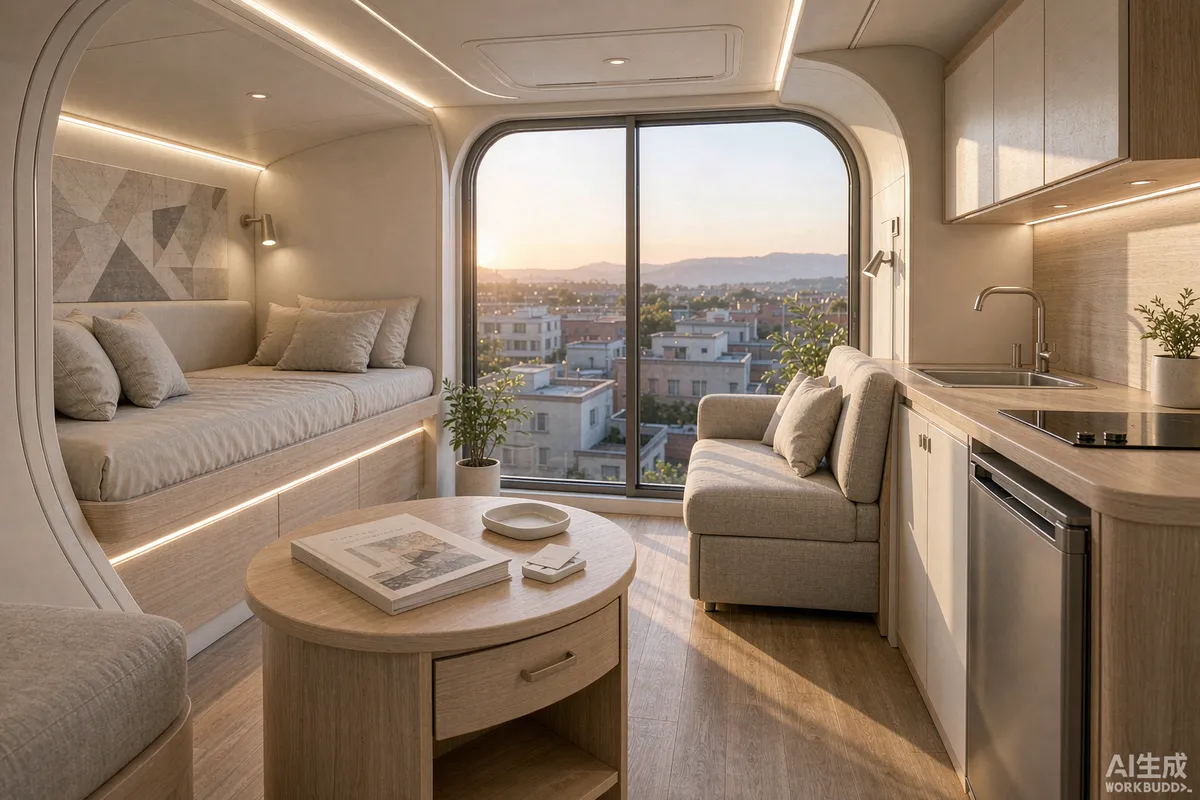
A good house manual answers the questions a guest would otherwise have to message you about. In a capsule home - where the heating, ventilation, glazing and water systems are compact and unfamiliar to most first-time guests - that document does more work than it would in a conventional rental. It is also the cheapest support tool you will ever build: it costs an afternoon and it removes the same twenty questions from your inbox every month.
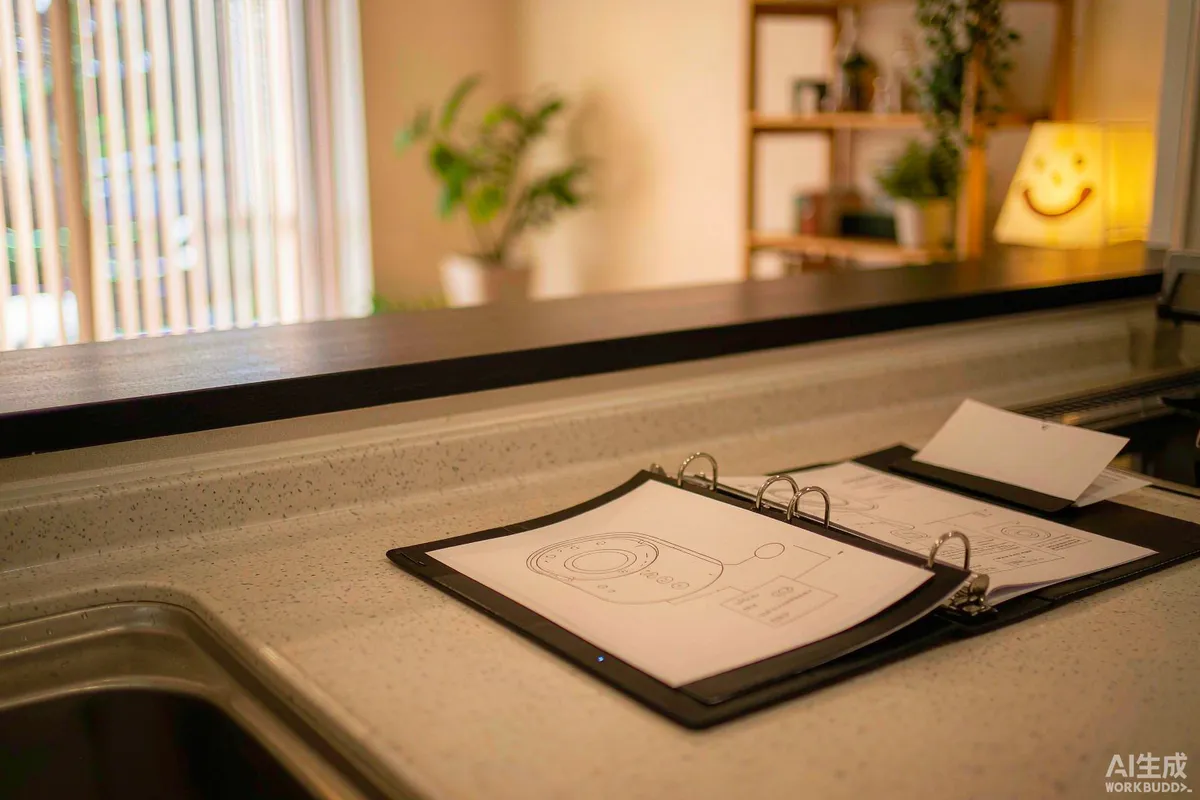
The structure that works is short, ordered by what a guest needs first, and physical. Put the same information in the unit, in a folder, in the same place every time. A digital version helps, but it should not be the only copy, because guests arrive tired, sometimes without signal, and often at night.
Two Documents, Not One
Operators often try to put everything into a single file and end up with something too long to read. Splitting it solves that.
- The welcome sheet - one page, read in the first two minutes: how to get in, where the heating control is, how the shower works, the Wi-Fi details, and what to do if something is wrong.
- The house manual - the full reference: every appliance, safety information, check-out procedure, house rules, and local information.
If a guest reads nothing else, the welcome sheet should be enough to get them through the first night comfortably. Everything else can wait until they need it.
What Goes in the Welcome Sheet
Keep it to what is needed immediately, in the order it is needed.
- Entry. Exactly how the door, lockbox or keypad works, including what to do if it does not respond.
- Heating and cooling. Where the control is, what setting is sensible, and how long the unit takes to warm up.
- Hot water. Whether it is on a timer, how long recovery takes, and what to expect for a second shower.
- Connectivity. Network name and password, plus what to do if the connection drops.
- Emergency contact. One number, with a note on what counts as an emergency.
- One or two house rules that matter most at this site - not the full list.
Write it in plain language. "Turn the dial to the sun symbol and wait about twenty minutes" is more useful than a model number.
The Appliance Section: Write It for a Stranger
This is the part guests actually open. For each appliance, give the two or three instructions that are not obvious.
| Item | What guests get wrong | What to write |
|---|---|---|
| Heating control | Turning it off entirely between outings, then waiting hours for warmth | Recommended setting, and roughly how long the unit takes to recover |
| Hob or induction | Not recognising which control belongs to which zone | A simple line on pairing control to zone, and pan compatibility |
| Water heater | Running out of hot water and reporting it as a fault | Capacity in plain terms and recovery time |
| Ventilation | Leaving extract off while cooking or showering | When to run it and why condensation appears otherwise |
| Blinds or shading | Forcing a mechanism that is meant to move gently | How to operate it, and what not to pull |
| Door and glazing | Leaving a large panel open in wind | What to close before leaving, and in windy conditions |
Where the manufacturer supplies a manual, keep it - but put your short version first. Nobody reads a twenty-page multilingual booklet to find out how to turn on the shower.
Safety Information That Is Actually Read
Safety pages fail when they read like a legal notice. Put the practical items first and keep the formatting calm rather than alarming.
- Exits - where they are, and that they should be kept clear.
- Assembly point - where to go, stated as a place, not a grid reference.
- Fire extinguisher and blanket - location and a one-line reminder of when each applies.
- Smoke and carbon monoxide alarms - that they are fitted, and what to do if one sounds.
- Heating and cooking safety - anything specific to this unit's layout.
- Site-specific hazards - a steep path, a water edge, wildlife, a boundary.
- Emergency number - and the site address in a form a caller can give to responders.
Include the address. It sounds obvious, and it is the single piece of information most often missing when a guest has to call for help at a rural site.
Check-Out Instructions
A clear check-out list raises the standard of what gets done, because most guests will follow instructions if the instructions exist.
- Time - stated plainly, with what happens if they need longer.
- Heating and cooling - the setting to leave it at.
- Windows and doors - closed and secured, particularly large glazed panels.
- Kitchen - washing up or dishwasher started, food removed from the fridge.
- Waste and recycling - where it goes, including any sorting the site requires.
- Linen - what to strip and where to leave it.
- Keys - exactly where to put them.
- Damage or breakage - how to report it, with reassurance that small accidents happen.
That last point matters more than it looks. Guests who feel safe reporting a broken glass hide it; guests who fear a penalty leave it in a drawer for the next person to find.
Local Information: Curate, Do Not Compile
A folder with forty pages of local attractions gets no use. Six recommendations, chosen and annotated, get read.
- Two or three places to eat, with a note on distance and whether booking is needed.
- The nearest shop and its hours, including Sunday or holiday differences.
- One walk or route starting from the unit.
- Public transport or taxi details where relevant.
- Medical services - pharmacy, clinic, and the nearest hospital.
- What to do in bad weather, which is the question guests ask most.
Write these yourself rather than copying from a tourism site. A sentence like "twelve minutes by car, and the car park fills up after ten in summer" is what makes the page worth reading.
Keeping It Accurate
A manual that is out of date is worse than no manual, because guests lose trust in everything else in it. Build updating into the routine rather than leaving it to memory.
- Log every question a guest asks that the manual should have answered. That log is your revision list.
- Review after any change to the unit - a new appliance, a different heating setting, a replaced lock.
- Review seasonally where opening hours or access change with the time of year.
- Date the document on the front so you can see at a glance which units have the old version.
- Standardise across the fleet so a change made once can be rolled out to every unit.
- Keep one master file, and reprint from that rather than editing individual copies.
Presentation and Practical Details
- One obvious location. The same place in every unit - a side table by the entrance works well.
- Protected pages. Laminated sheets or a wipe-clean folder survive a rental season far better than loose paper.
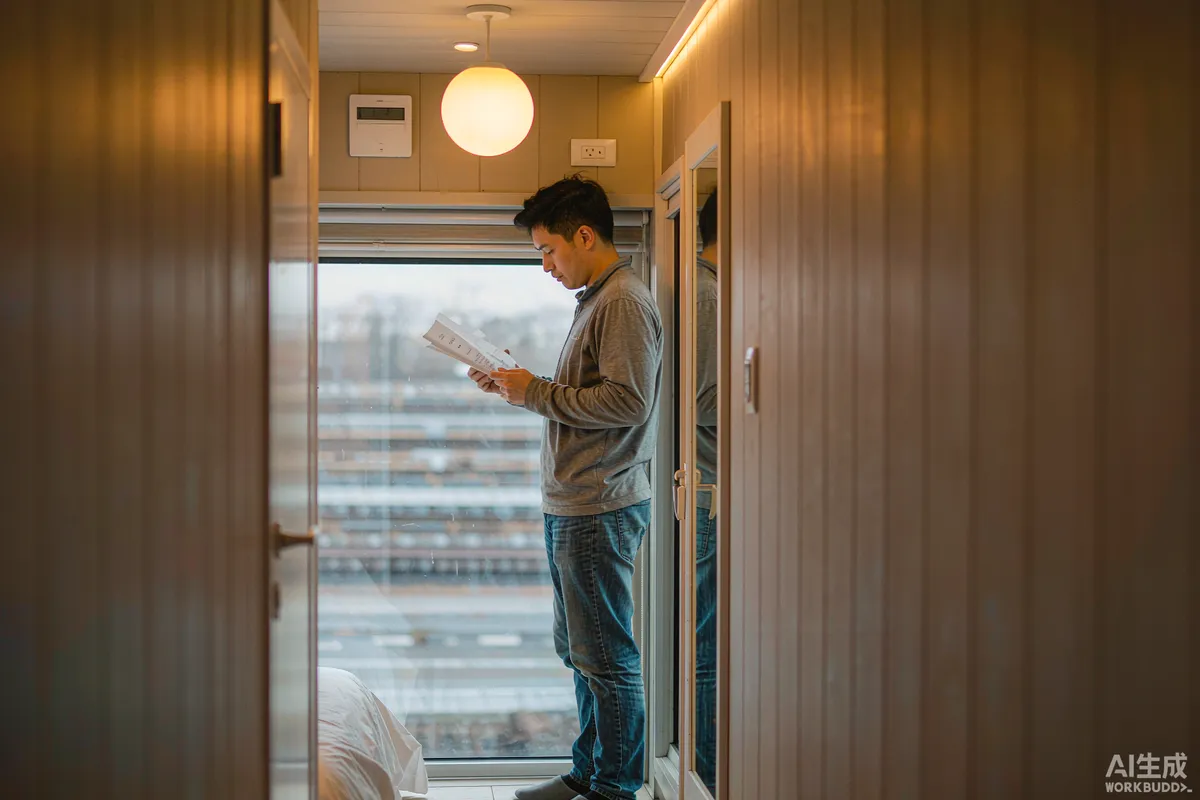
- Readable typography. Large enough to read in low evening light by a guest of any age.
- Language. Where guests arrive from several countries, consider whether key safety pages need a second language.
- Accessibility. Avoid relying on colour alone to distinguish information.
- A short version on the door or fridge for the two or three things guests most often need.
A Build Checklist
- Welcome sheet: entry, heating, hot water, Wi-Fi, emergency contact.
- Appliance section covering every fitted item, written for a first-time user.
- Safety section with exits, assembly point, alarms and the site address.
- Check-out list, stated as numbered steps.
- Six curated local recommendations rather than thirty.
- Dated master file, with a named person responsible for updates.
- Question log feeding the next revision.
Requirements for safety information, alarm provision and emergency notices may vary by application, market and applicable standard. Confirm what is expected for your site with the relevant authority, your insurer, and your supplier's documentation before finalising the manual.
More from the Blog

Capsule Home Cost Guide: What You Really Pay in 2026
EXW, shipping, install and the hidden line items — a transparent breakdown of total landed cost.
Read article →
How to Install a Capsule Home in 3 Days: A Step-by-Step Guide
From site prep to first guest — the exact sequence our install crews follow on every deployment.
Read article →
Real Owners, Real Numbers: Success Stories
How a lakeside resort, a Spanish glamping site and a Singapore dealer hit their targets.
Read stories →Talk to the Factory
Ready to Ride the 2026 Wave?
Get the latest catalog, pricing tiers and a layout sketch for your land — straight from the engineering team.