Sizing a Hot Water System for a Capsule Home
How to size hot water for a capsule home rental: demand per guest, storage versus instantaneous, recovery time, and the questions to put to a supplier before ordering.
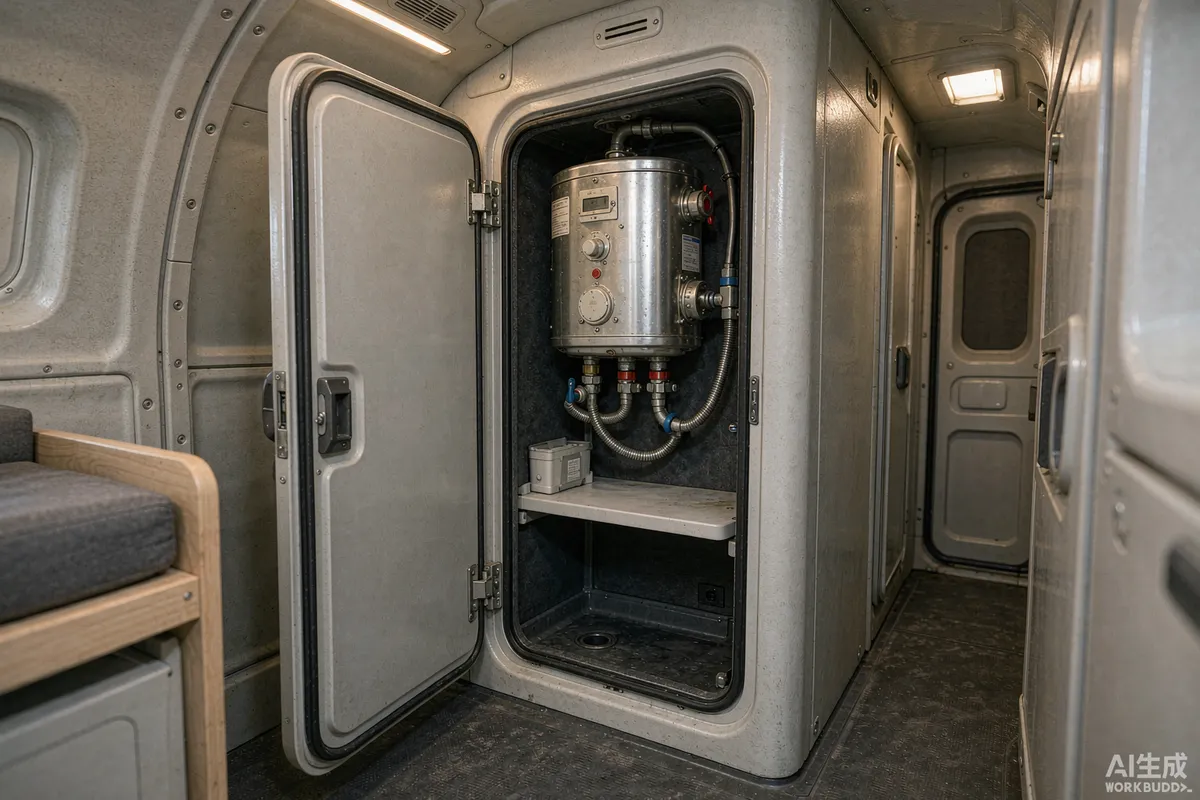
Hot water complaints in short-term rentals are rarely about whether the water is hot. They are about the second shower, the recovery wait, and the moment a guest decides something is broken. Sizing a hot water system for a capsule home means working out realistic peak demand for the number of guests the unit will actually sleep, then choosing a configuration that recovers fast enough to handle back-to-back use. Start from usage patterns rather than from a catalogue, and confirm the numbers with the supplier against your specific electrical supply and incoming water temperature.
What Actually Drives Demand
Demand is a peak problem, not an average one. A unit that sleeps four will rarely use four showers in an hour, but it will do so on a departure morning, and that is the case the system has to handle.
- Occupancy. The number of guests the listing allows, not the number it usually hosts.
- Shower flow rate. The fixture matters as much as the heater; a high-flow head consumes capacity several times faster than a low-flow one.
- Shower duration. Guests on holiday typically shower longer than they do at home.
- Concurrent use. A shower running while a dishwasher or a sink is in use draws from the same store.
- Incoming water temperature. Cold incoming water in winter reduces the usable volume from any given tank by a wide margin.
- Turnover timing. Back-to-back changeover days compress usage into a short window.
Write down your assumptions for each of these before comparing products. Two systems that look identical on paper will behave very differently once the incoming temperature and the shower head are fixed.
Storage Versus Instantaneous
Both approaches are used in capsule homes, and the right choice depends mainly on the electrical supply available at the site and the pattern of use.
| Factor | Storage tank | Instantaneous |
|---|---|---|
| Peak delivery | Limited by stored volume, then recovery | Continuous while within its flow and power rating |
| Electrical demand | Lower, spread over the recovery period | High draw while running; needs adequate supply capacity |
| Space | Needs a cupboard or service void of usable volume | Compact, usually wall mounted |
| Behaviour when undersized | Runs cold, then recovers gradually | Delivers lower flow or lower temperature rise |
| Standing losses | Present; depends on insulation quality | Minimal when idle |
| Best fit | Limited supply capacity, predictable usage | Strong supply, high turnover, back-to-back showers |
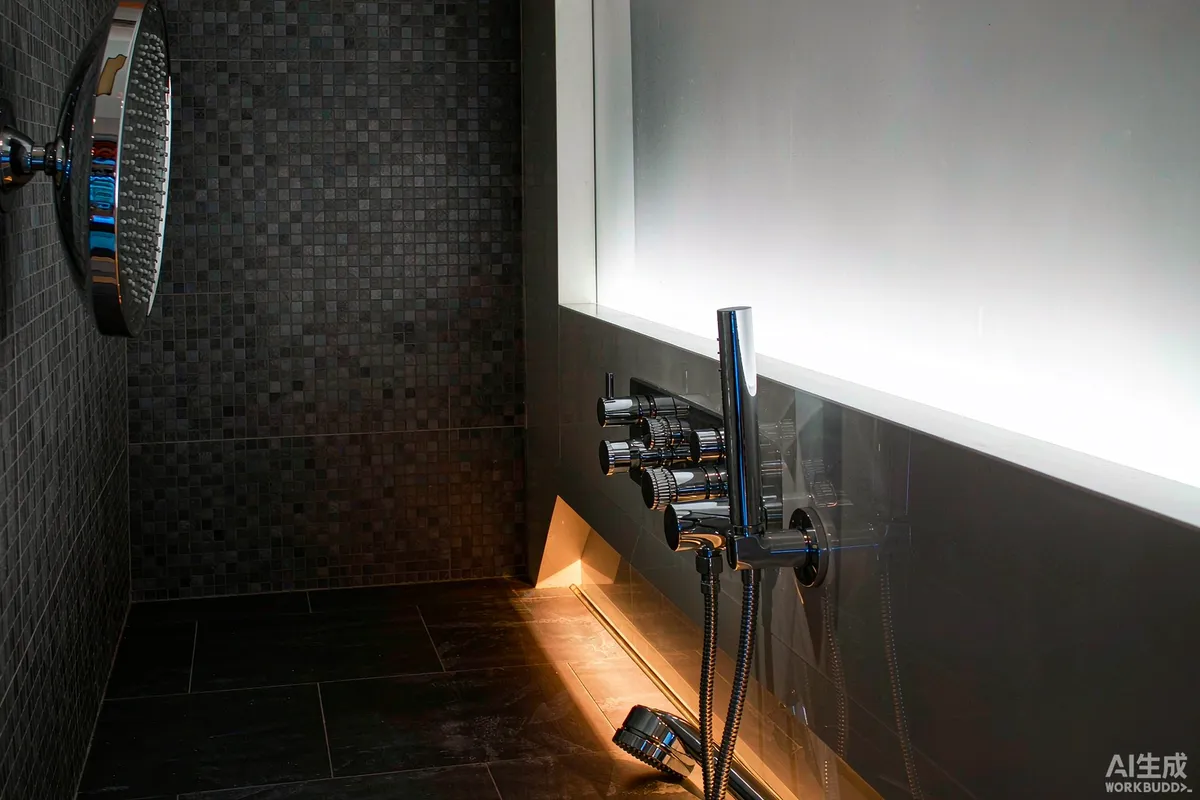
In practice many rental units use a storage system sized generously for the expected occupancy, because it is forgiving of a weak electrical supply and behaves predictably. Where supply capacity is ample and turnover is high, instantaneous removes the recovery wait entirely. Confirm the available supply with an electrician before committing to either.
A Simple Way to Estimate Capacity
Work in terms of usable hot water rather than tank volume, because a tank delivers less than its nominal size once cold incoming water mixes in.
- 1. Decide the peak case: how many showers back to back, at what flow rate, for how long.
- 2. Estimate the volume of mixed water each shower needs, using the flow rate and duration.
- 3. Convert that to the volume of stored hot water required, using the storage temperature and the incoming cold temperature for your coldest month.
- 4. Add a margin for the sink, the kitchen, and the fact that guests do not coordinate.
- 5. Check recovery: how long the element or coil takes to bring the store back up, and whether that fits your turnover window.
Step three is where most undersizing happens, because a system specified for a mild incoming temperature can deliver substantially less in a cold winter. Use your coldest realistic figure, not an annual average.
Questions to Put to the Supplier
These questions convert a catalogue listing into a specification you can compare between quotes.
- What is the usable hot water volume at the stated storage temperature, and at what incoming temperature was it measured?
- What is the recovery time to full temperature, and at what electrical input?
- What is the standing loss, and how is the tank insulated?
- What flow rate can it sustain, and at what temperature rise?
- What is the required electrical supply - voltage, current, dedicated circuit, and whether it fits the unit's load plan?
- What is the expected service life, and what maintenance does it require annually?
- What are the warranty terms, and is the element or a service part replaceable without removing the whole unit?
- Where does it sit in the unit, and is there access for service without dismantling finishes?
Installation Details That Decide Whether It Works
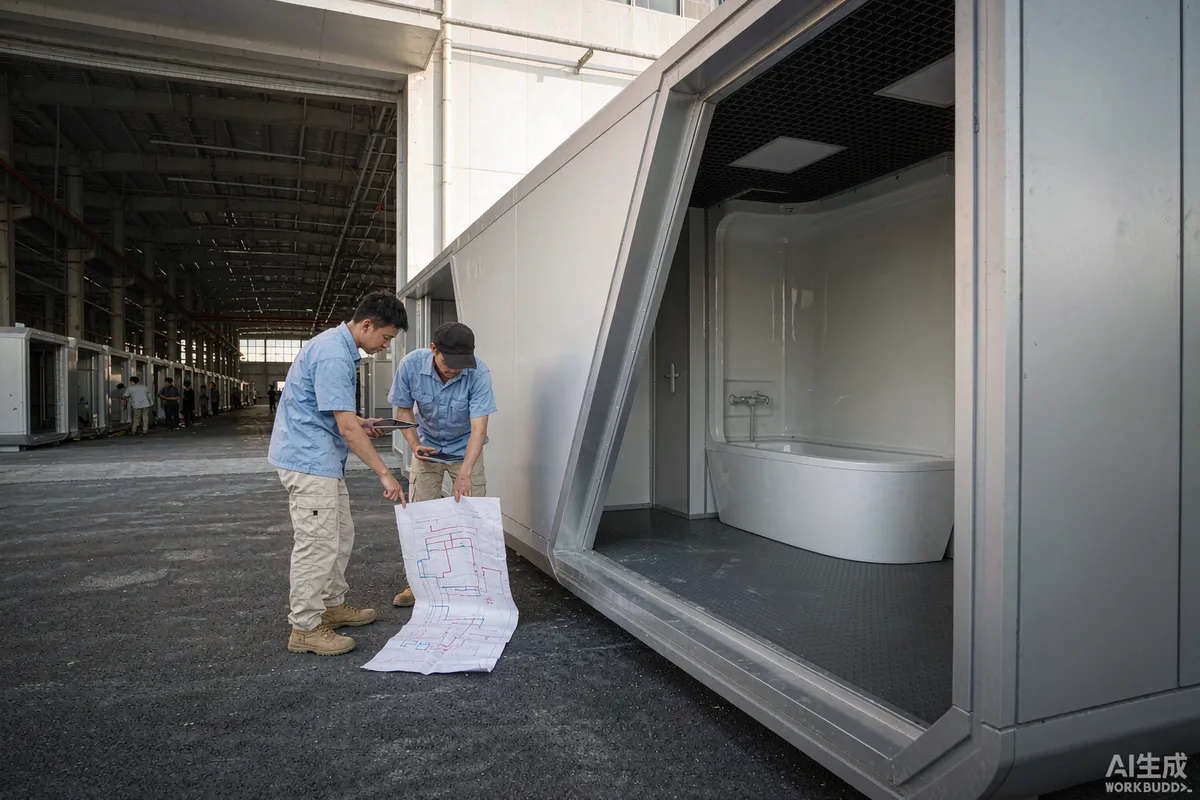
A correctly sized heater in a poorly detailed installation will still produce complaints.
- Short runs. Long pipe runs between the heater and the shower increase wait time and waste water; keep them short or consider a secondary point of use.
- Insulation. Insulate hot pipework in unheated voids, especially where the unit may be closed in cold weather.
- Temperature control. Set the delivery temperature to a safe level at the point of use and confirm what that setting is; record it in the handover documentation.
- Pressure and supply. Confirm incoming pressure suits the chosen fixtures, and that a pressure limiting or expansion arrangement is provided where required.
- Drainage and safety. Any relief or discharge path must be routed visibly and safely, never capped.
- Freeze protection. Where the unit may be closed in freezing conditions, confirm how the heater and its pipework are protected.
Requirements may vary by application, market and applicable standard. Confirm the installation against local requirements and the manufacturer's instructions before commissioning.
Water Hygiene During Low-Use Periods
A hot water system that sits idle for weeks behaves differently from one in daily use, and rental units regularly sit idle. Stored water that is not refreshed, or that is held below a temperature that suppresses bacterial growth, is a known concern in low-use buildings generally - and a capsule home between bookings is a textbook example of low use.
- Ask the supplier directly. What temperature does the system hold, and what does the manufacturer recommend for periods of non-use? Get it in writing rather than assuming.
- Plan for the closure. Whether to drain, to maintain temperature, or to run a periodic heating cycle depends on the system and the climate; decide this before the first closure, not during one.
- Record what was done. A short entry in the maintenance log with dates makes the pattern auditable if a question is raised later.
- Consider the fixture side as well. Shower heads and hoses that sit wet between guests need their own cleaning routine, separate from the heater.
This is an area where practice and requirements differ widely between markets and between types of accommodation, and where a rental operator may be held to a different expectation from a private homeowner. Do not infer a rule from a general article - including this one. Confirm the applicable expectation with the relevant local authority or a qualified professional for your use case and location. Requirements may vary by application, market and applicable standard.
Tell the Guest What to Expect
Whatever the system, a single line in the welcome sheet removes a large share of complaints: roughly how long a shower lasts before recovery is needed, and what to do if the water runs cooler. Guests interpret a cold second shower as a fault; told in advance, they interpret it as a property of a compact, efficient unit - which is exactly what it is.
More from the Blog

Capsule Home Cost Guide: What You Really Pay in 2026
EXW, shipping, install and the hidden line items — a transparent breakdown of total landed cost.
Read article →
How to Install a Capsule Home in 3 Days: A Step-by-Step Guide
From site prep to first guest — the exact sequence our install crews follow on every deployment.
Read article →
Real Owners, Real Numbers: Success Stories
How a lakeside resort, a Spanish glamping site and a Singapore dealer hit their targets.
Read stories →Talk to the Factory
Ready to Ride the 2026 Wave?
Get the latest catalog, pricing tiers and a layout sketch for your land — straight from the engineering team.