Siting a Capsule Home at High Altitude: What Changes
What altitude changes for a capsule home: temperature swing, UV exposure, lower air density, heating and ventilation behaviour, access logistics and commissioning adjustments.
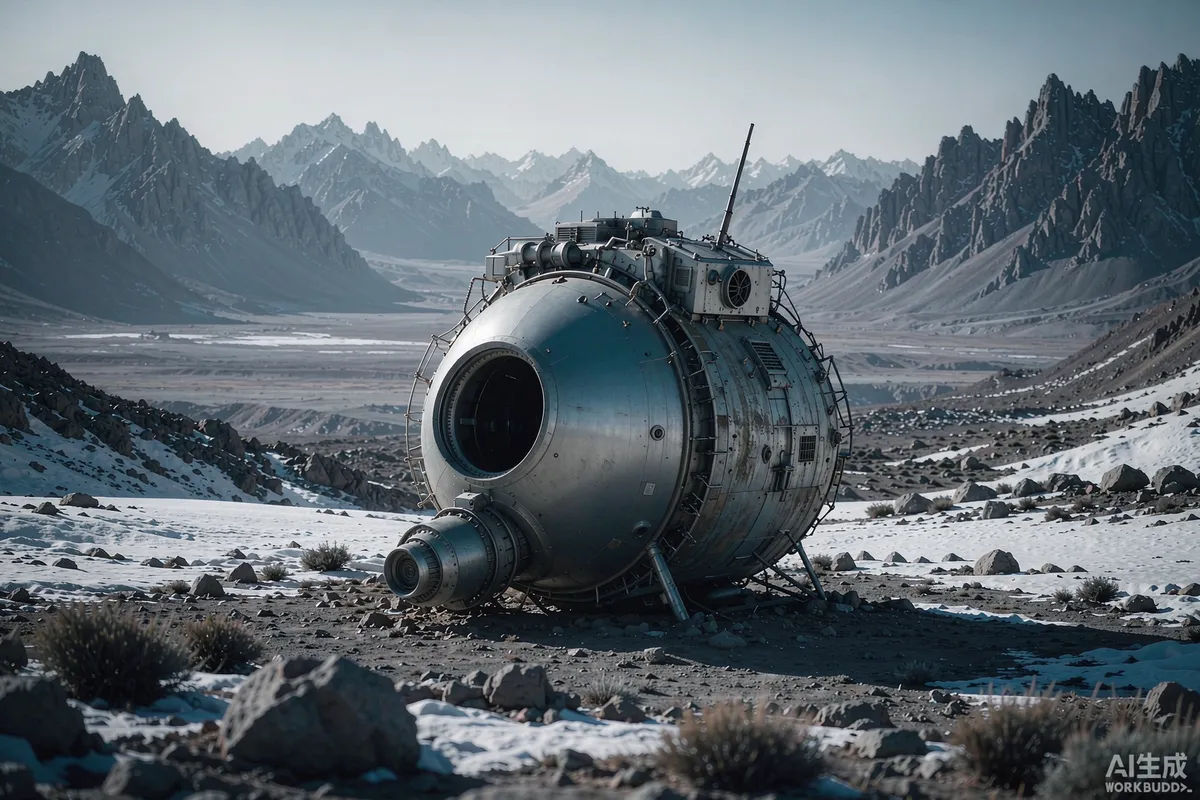
A high-altitude site changes four things at once: the air is thinner, the sun is stronger, the daily temperature swing is wider, and access is harder. None of these is a reason to avoid a capsule home - a factory-sealed, well-insulated shell suits mountain conditions well - but each one shifts the specification and the site plan. The most common mistake is specifying for the average temperature and ignoring the swing, the UV load and the delivery route. Requirements may vary by application, market and applicable standard.
The Four Altitude Effects That Matter
Wider daily temperature swing
Thin, dry air and clear skies mean strong solar gain by day and rapid radiative cooling at night. A unit that feels warm at three in the afternoon can be cold by nine in the evening. The envelope should be specified for the swing, and the heating strategy should be able to respond quickly rather than relying on thermal mass alone.
Higher UV exposure
Ultraviolet load increases with altitude and is reflected further by snow. Exterior finishes, sealants, gaskets and any exposed plastics age faster. This is a material-selection question and a maintenance-interval question, not a defect.
Lower air density
Combustion appliances, heat exchange and fan performance all behave differently in thinner air. Equipment that is simply moved from a lowland specification without checking may not perform as expected. Confirm suitability for the site altitude with the equipment supplier rather than assuming.
Harder access
Mountain roads bring gradient, surface, turning radius and seasonal closure into the delivery plan. A route that works in August may not work in April, and a crane position that works on a drawing may not be achievable on a slope.
Specification Adjustments Worth Making
| Area | Lowland default | High-altitude adjustment to discuss |
|---|---|---|
| Glazing | Standard double glazing, solar control optional | Consider solar control and the balance between winter gain and summer overheating; large glazing drives both |
| Heating | Sized for the design winter temperature | Account for rapid night-time drop and for equipment performance at altitude; response speed matters |
| Ventilation | Standard fresh-air provision | Check fan performance in thinner air and filtration for dust or snow ingress at intakes |
| Sealants and gaskets | Standard exterior grade | Ask about UV resistance and expected service life under high UV and freeze-thaw cycling |
| Exterior finish | Standard coating system | Ask about UV stability and about touch-up and refinish intervals |
| Roof and snow | Designed for local load | Confirm the design snow and wind load for the specific site, not a regional average |
| Pressure equalisation | Rarely considered | Large day-night pressure changes make sealed penetrations and vent details more important |
Every row in that table is a question to put to the supplier in writing, with your site's conditions attached. Generic answers are not enough when the site is unusual.
Snow, Wind and Setting Out
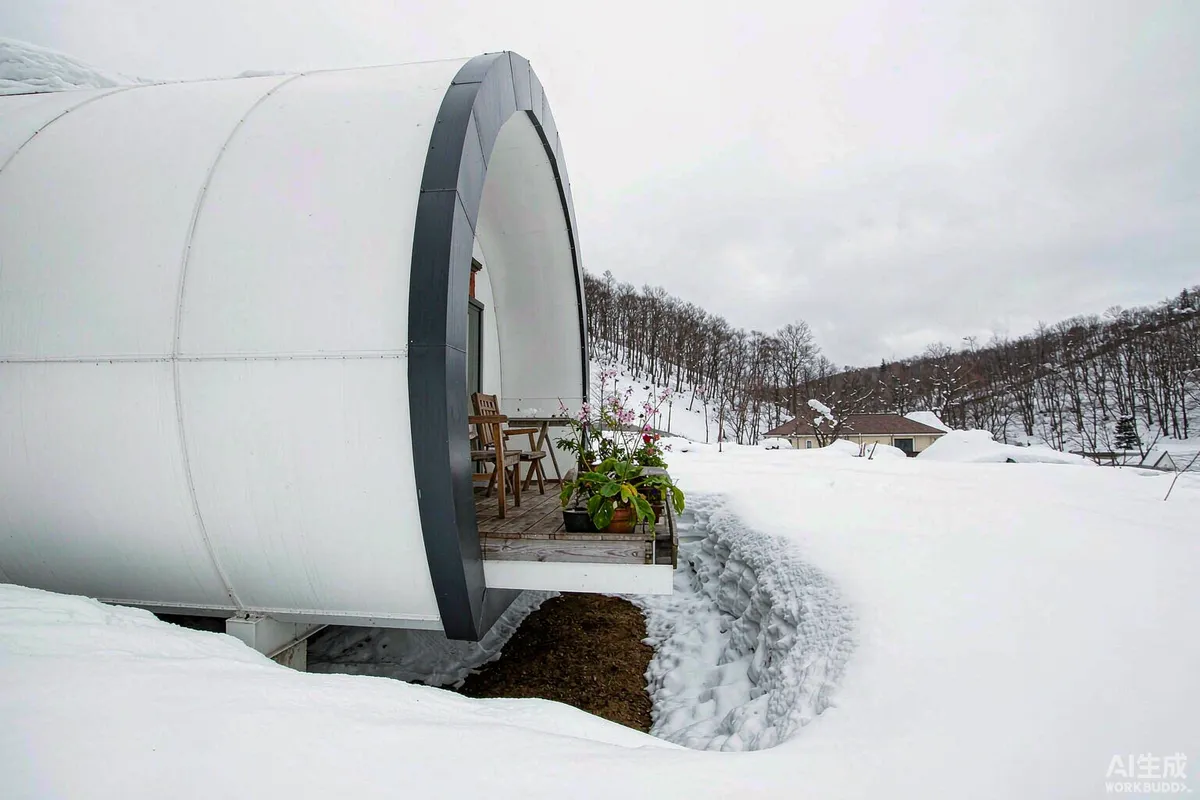
Altitude usually brings snow load and wind exposure with it. Both are site-specific and both should be established before the foundation is designed.
- Establish the design loads. Ask what snow and wind load the unit is configured for, and compare it against the requirement for your location.
- Consider drift and sliding. Snow sliding off a roof or drifting against a wall creates local loads and blocks routes; plan where it goes.
- Keep the entry clear. A door that opens into a drift is a safety problem, not an inconvenience.
- Protect the plant. Heat pump or ventilation equipment needs clear airflow in winter and should not sit under a snow slide path.
- Think about freeze-thaw at the foundation. Water that collects and freezes at foundation level is a common source of movement.
Delivery and Installation Logistics
Access is the most common cause of delay on mountain sites, and the least expensive to resolve if it is checked early.
- Survey the route, do not assume it. Measure width, height, gradient, surface and turning points with the actual vehicle type in mind.
- Check seasonal windows. Some roads are closed or restricted for part of the year, and some surfaces only carry load when frozen or when dry.
- Plan the lift. Crane position, ground bearing for outriggers, and overhead restrictions all need confirming on site.
- Plan the crew. Work at altitude is slower. Build that into the programme rather than discovering it on day two.
- Prepare the foundation in the good season. Having the pads or slab ready means the delivery window can be short.
Commissioning at Altitude
A unit delivered to a mountain site needs a commissioning pass that reflects local conditions, ideally during a cold night rather than a mild afternoon.
- Run heating through a night cycle. Confirm it reaches and holds setpoint when the outside temperature drops, not only when it is mild.
- Check condensation behaviour. Cold glazing and warm humid interior air is where condensation starts; confirm ventilation actually runs.
- Test doors and windows at temperature. Seals behave differently in the cold; check latching and any draught at the closing edge.
- Confirm water systems. Pipework, traps and any external components need freeze protection appropriate to the site.
- Verify ventilation rates. If the system is adjustable, set it for the occupancy you actually expect.
Operating Rhythm Through the Year
Mountain sites usually have a defined season, and the off-season is when the maintenance that protects the asset gets done.
- After winter: inspect seals, finishes, roof and any snow-loaded element; clear and regrade where water has ponded.
- Before peak: service heating and ventilation, check glazing and door hardware, restock consumables.
- During season: watch for condensation, check filters, and keep the entry and paths clear.
- Before closure: follow the winterisation routine appropriate to the site, and record what you did.
Water, Sanitation and Waste at Altitude
Water behaves differently when nights freeze, and mountain sites often have limited or seasonal supply. Three questions cover most of it.
- Supply reliability. Is the source year-round, and what happens during the coldest weeks? A unit that depends on a pumped supply needs a plan for frozen or low-yield periods.
- Freeze protection. Any pipework, valve or trap exposed to low temperatures needs protection appropriate to the site, and the routing should avoid external runs where possible.
- Drainage and wastewater. Confirm what arrangement is permitted locally, and make sure the discharge point will not itself freeze or become inaccessible in snow.
Where sanitation, wastewater discharge or water supply are regulated, confirm the applicable requirement with the relevant local authority before designing the service connection. Requirements may vary by application, market and applicable standard.
Questions to Put to Your Supplier
- What snow and wind load is this configuration designed for, and is a higher-load version available?
- How does the heating equipment perform at our site altitude, and is it rated for it?
- What is the expected service life of exterior seals and coatings under high UV?
- What glazing options address both solar gain and night-time heat loss?
- What access does the delivery vehicle need, and what happens if the route cannot take it?
Where structural loads, energy performance, combustion appliance installation or accommodation rules are regulated, confirm the applicable requirement with the relevant local authority or a qualified professional for your site. Requirements may vary by application, market and applicable standard.
More from the Blog

Capsule Home Cost Guide: What You Really Pay in 2026
EXW, shipping, install and the hidden line items — a transparent breakdown of total landed cost.
Read article →
How to Install a Capsule Home in 3 Days: A Step-by-Step Guide
From site prep to first guest — the exact sequence our install crews follow on every deployment.
Read article →
Real Owners, Real Numbers: Success Stories
How a lakeside resort, a Spanish glamping site and a Singapore dealer hit their targets.
Read stories →Talk to the Factory
Ready to Ride the 2026 Wave?
Get the latest catalog, pricing tiers and a layout sketch for your land — straight from the engineering team.