Guest Messaging Templates for a Capsule Home Stay
A six-message sequence covering booking, directions, check-in, arrival check, departure and review requests - with the rules that keep each one short enough to be read.

Guests staying in an unfamiliar building type ask a predictable set of questions, and most of them are asked because information arrived too late to be useful. A capsule home has features worth explaining - keyless entry, a compact water system, heating controls, what happens if the temperature drops - and none of it is obvious from photographs. The fix is not more messages; it is six well-timed ones that each carry a single clear action. Below is the sequence most short-term operators settle on, the reasoning behind each message, and the editing rules that keep them worth reading.
Why Six, and Not Twelve
Message volume has a cost. Every notification conditions the guest to skim the next one, and by the fourth they have learned that your messages do not need reading. Six points in the stay have genuine content to carry:
- Confirmation - sets expectations while the guest is still engaged.
- Pre-arrival logistics - the information that cannot wait until arrival.
- Check-in instructions - needs to arrive late enough to be at hand.
- Arrival check - the only message that reliably prevents a bad review.
- Departure - removes the awkwardness of leaving.
- Review request - timed while the stay is still fresh.
If a message does not change what the guest does or how they feel, delete it. Marketing offers, upsells and weather reports generally fail that test.
The Sequence
1. Confirmation - send immediately
This one is mostly logistics, but its real job is tone. It is also the place to set anything a guest needs to plan around.
- Dates, and the check-in time expressed in local time.
- Exact location with coordinates or a map link, not just a town name - capsule sites are frequently off-grid enough to defeat a navigation app.
- What kind of access the last stretch involves, since gravel, gates or a slope affect what the guest drives and what they pack.
- Who to contact, and how quickly messages are answered.
- One sentence on the building itself, so its controls are not a surprise later.
2. Pre-arrival logistics - three to five days out
Send this while the guest can still act on it. The contents should be things that would otherwise cause a problem at arrival.
- Directions written as a person drives them, including the last turn and a landmark.
- Parking position and how far it is to the door.
- Entry method, with the code or the app instruction - not "details to follow".
- What to bring, honestly. If shop options are distant, say so.
- Anything under way at the site, such as nearby works or seasonal conditions.
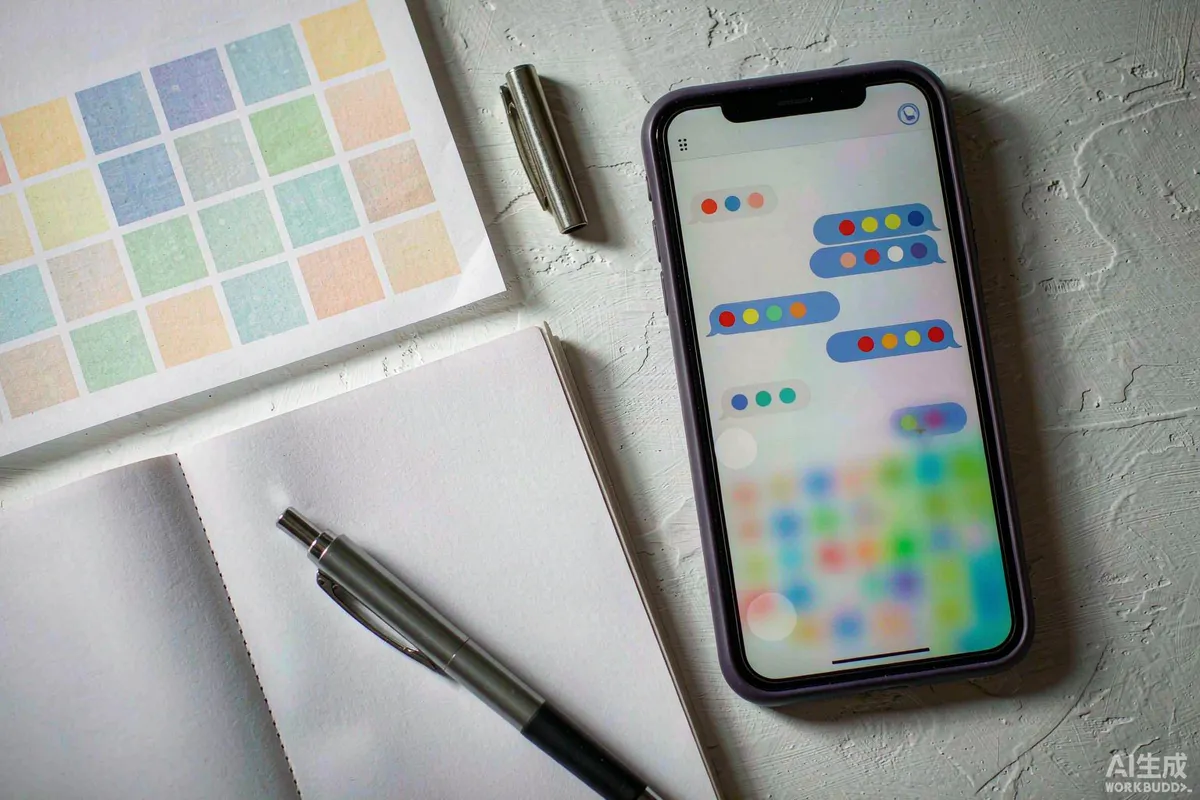
3. Check-in instructions - the morning of arrival
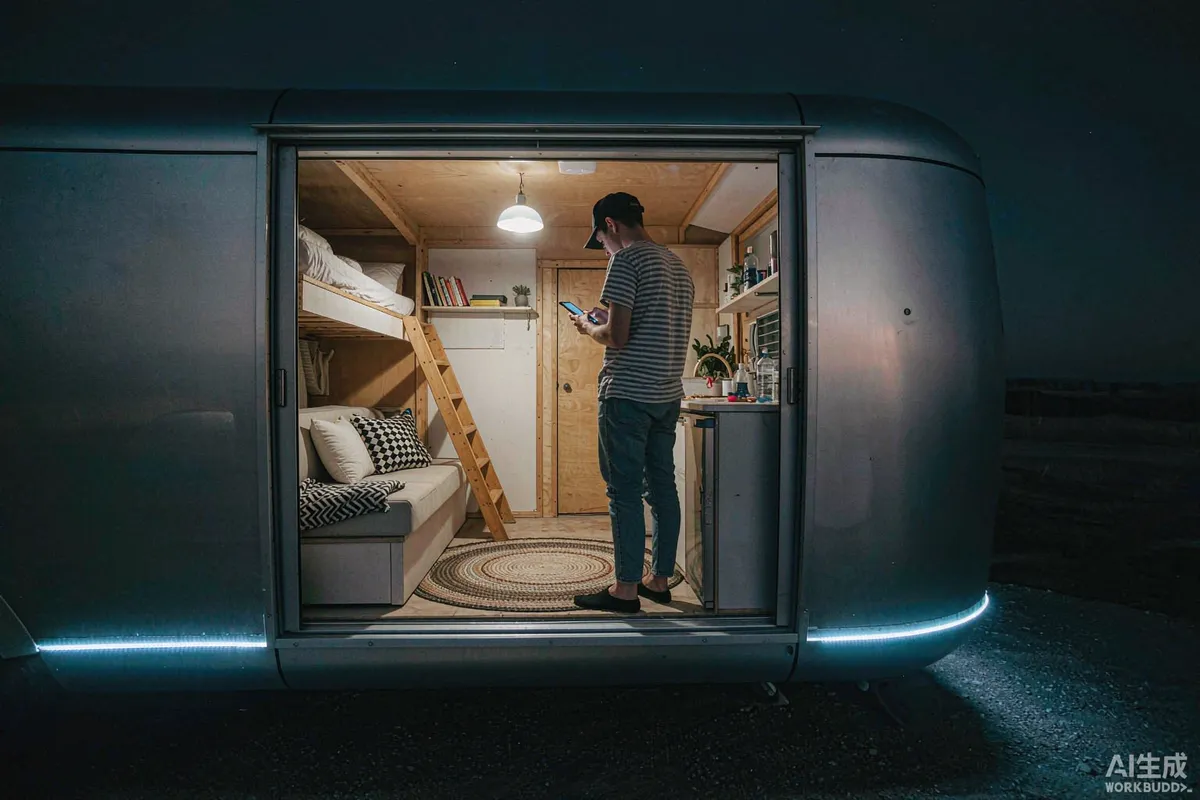
This message has one job: to be found without searching when the guest is standing at the door, possibly in the dark, possibly without signal.
- Repeat the entry code here, even though it was sent before. Nobody scrolls back.
- Describe the door rather than assuming which one it is.
- Name the first two things to do inside - where the heating control is, and how hot water works.
- Give out-of-hours contact detail, even if nothing ever goes wrong.
4. Arrival check - about two hours after they are in
Ask one question: is everything working? This is the single highest-value message in the sequence, because it converts a silent frustration into a fixable problem, and a fixed problem becomes a better review than one that never occurred.
- Keep it to one question and one sentence of context.
- Make reporting easy - reply here is better than a form.
- Answer quickly, because the window in which a fix still feels like hospitality is short.
5. Departure - the evening before
Short and practical. Guests are generally willing to follow instructions if they know what they are.
- Checkout time and whether late departure is possible.
- What to do with keys or the lock, if relevant.
- Two or three specific tasks - heating setting, dishes, rubbish position.
- Where to leave the unit, and whether anything needs locking.
6. Review request - one to two days later
Timed close enough to the stay that it is still vivid, far enough that checkout friction has faded.
- Thank them once, in specific terms rather than generic ones.
- Include the direct link, so there is nothing to search for.
- Invite private feedback too. Giving someone a channel other than a public review captures complaints you would rather handle directly.
Editing Rules That Keep Them Readable
Templates degrade over time, usually because someone adds a sentence every time something goes wrong once. These rules slow that down.
| Rule | Why |
|---|---|
| One action per message | Guests complete single clear requests; lists of five get half-done |
| Under seventy words | Long enough to be useful, short enough to read on a lock screen |
| No repetition from the listing | If it is already on the booking page, it does not belong here |
| Specific over general | "Turn left at the water tank" beats "follow the track for a while" |
| Written to be skimmed | Front-load the instruction; put context second, never first |
| One contact route | Two numbers means the wrong one gets used at midnight |
What to Automate and What to Send Yourself
Automation is well suited to timing and to fixed content. It is poorly suited to anything requiring judgement.
- Automate the confirmation, since it is triggered by an event and its content never varies.
- Automate the check-in message, but review it seasonally - what needs saying changes with weather and daylight.
- Send yourself the arrival check. It is a question, not an announcement, and a reply to it needs a human.
- Send yourself anything that follows an incident. A guest who reported a fault should get a message written for that situation.
- Review the whole set quarterly. Every message should be traceable to a problem it prevents; anything that is not should go.
Common Questions Worth Pre-empting
Each of these has appeared repeatedly in capsule rental operations. Answering them before they are asked removes most of the first-night contact.
- How the heating and hot water controls behave, and roughly how long recovery takes.
- Whether the internet connection will support video calls, and what the realistic performance is.
- What happens in a power cut, and where isolation or manual overrides are.
- Whether arrival in the dark is practical, and how well the route is lit.
- What should not go down the drain, particularly where a compact treatment system is involved.
Write the answers once, keep them somewhere the whole team can edit, and let every message draw from the same source. Consistency across six messages is what makes the set feel considered rather than assembled.
Handling Messages Across Time Zones and Languages
A scheduled message sent at 09:00 in your time zone can land at 03:00 for a guest who booked from abroad, and an instruction arriving in the middle of the night is worse than one arriving slightly early. This matters more for capsule rentals than for urban properties, because international travellers make up a meaningful share of the audience and because the last stretch of the journey is often driven in darkness.
- Schedule against the guest's local time where possible. Most booking systems and messaging tools can hold the guest's time zone from their contact details; check before assuming.
- Where that is not possible, aim for late afternoon in your own zone, which rarely falls in the middle of the night anywhere.
- Keep any essential detail out of time-critical messages. A guest who will read at midnight should still be able to get in.
- Stick to one language unless you can maintain all of them. A set of templates half-translated is worse than a single clear set, and it creates inconsistencies when two versions drift apart.
- Write short sentences and avoid idiom. Guests reading in a second language will follow plain instructions and quietly give up on clever ones.
The objective throughout is a set of messages that are easy to act on at whatever hour they arrive. That is achieved more by timing and plain language than by adding detail, and it is worth reviewing after the first few international bookings rather than assuming it is working.
More from the Blog

Capsule Home Cost Guide: What You Really Pay in 2026
EXW, shipping, install and the hidden line items — a transparent breakdown of total landed cost.
Read article →
How to Install a Capsule Home in 3 Days: A Step-by-Step Guide
From site prep to first guest — the exact sequence our install crews follow on every deployment.
Read article →
Real Owners, Real Numbers: Success Stories
How a lakeside resort, a Spanish glamping site and a Singapore dealer hit their targets.
Read stories →Talk to the Factory
Ready to Ride the 2026 Wave?
Get the latest catalog, pricing tiers and a layout sketch for your land — straight from the engineering team.