Panoramic Glazing in Capsule Homes: What Buyers Should Ask
Large glass drives the appeal of a capsule home. Understand glazing build-up, coatings, solar gain, condensation and cleaning access before you specify.
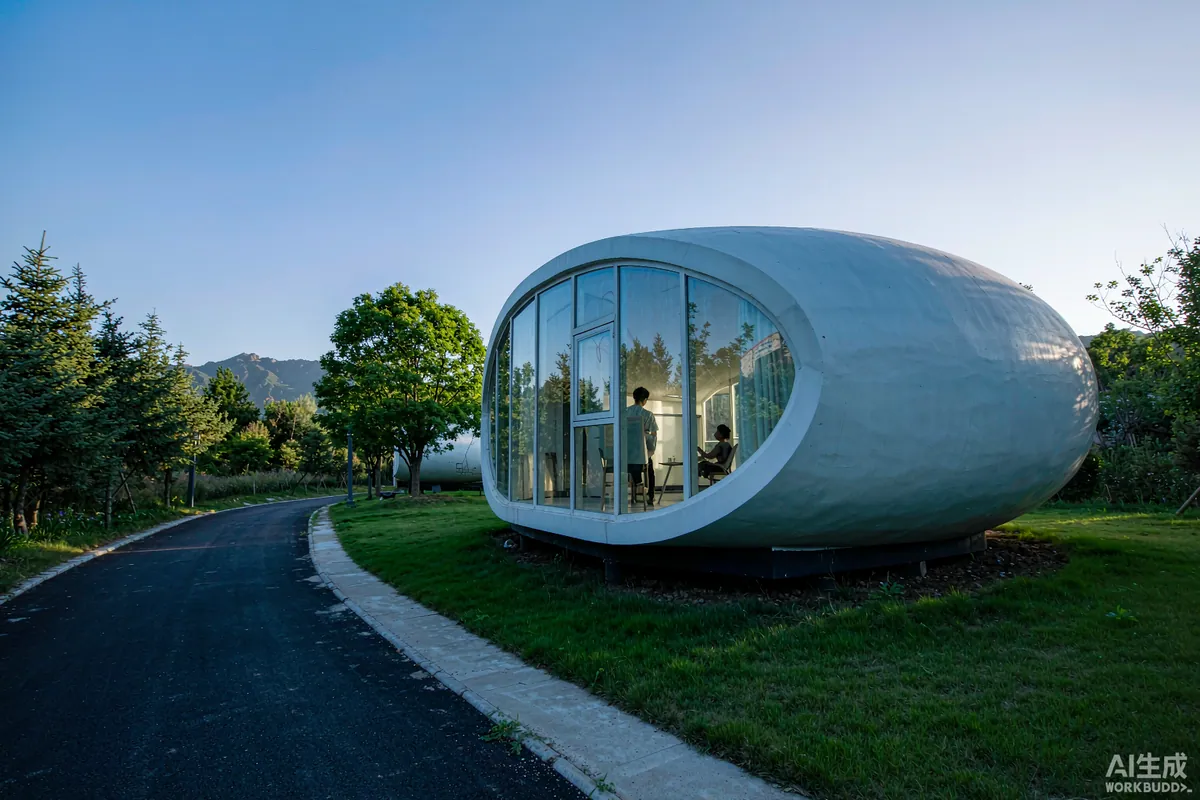
Panoramic glazing is the single feature that most influences how a capsule home looks, photographs and feels to occupy. It is also the part of the envelope with the most demanding physics: glass admits light and solar heat, loses heat faster than an insulated wall, and can condense when conditions are right. Ask a small number of specific questions before ordering and you will get the view without the surprises.
Ask About the Build-Up, Not Just the View
"Double glazing" describes a category, not a performance. What matters is the make-up of the sealed unit: the number of panes, the cavity width, the gas fill if any, the spacer type at the edge, and the coating applied to the glass. Each of these changes how the window behaves in your climate.
- Panes and cavity. A wider cavity improves thermal performance up to a point; beyond it, convection inside the cavity works against you.
- Gas fill. An inert fill reduces conductive loss compared with air. Ask what is used and whether it is standard on your unit.
- Spacer. The edge of the unit is the coldest point and the usual place condensation starts. A warm-edge spacer reduces that risk.
- Coating. Low-emissivity coatings reflect long-wave heat back into the room. The correct coating depends on whether heating or cooling dominates.
Ask for the specification in writing, including the glazing configuration and the frame material. If a number is quoted, ask which standard it was measured under - figures are not comparable across different test methods. Requirements may vary by application, market and applicable standard.
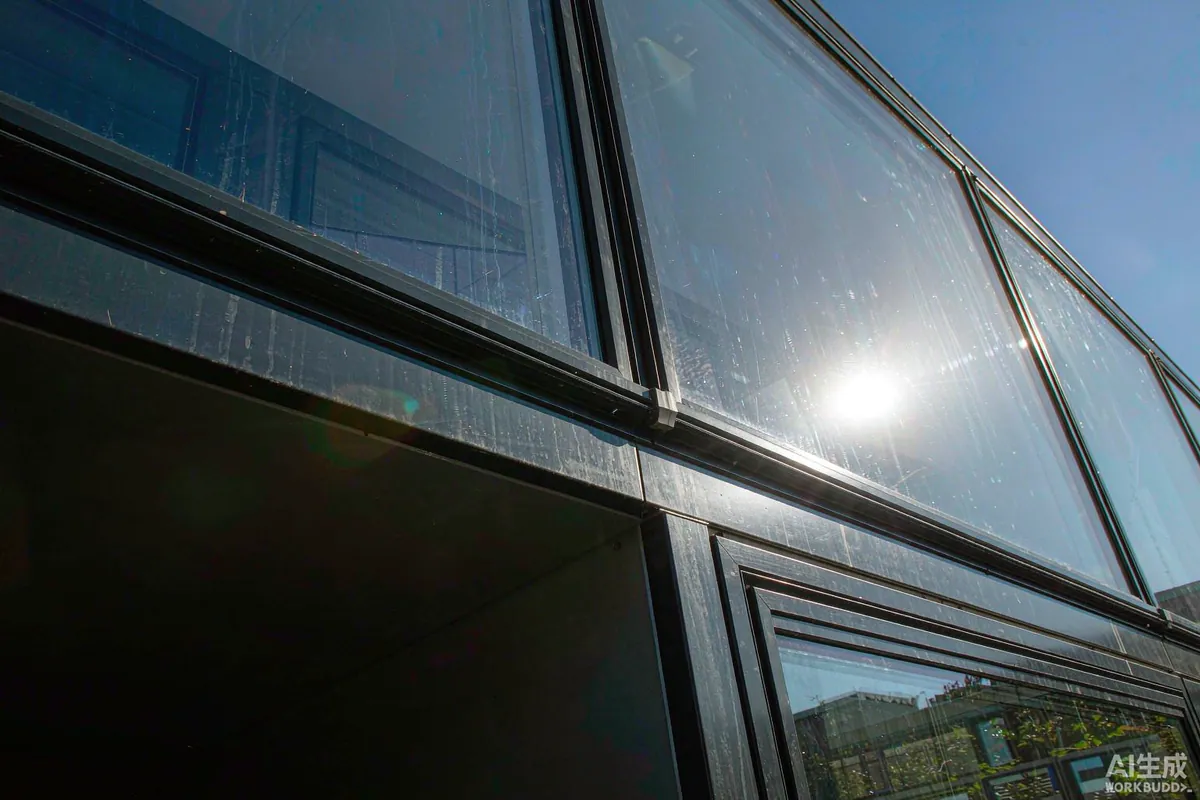
Solar Gain: Friend or Problem
Large south-facing glass can heat a compact interior quickly. In a cold climate that free heat reduces your heating load; in a hot climate it can make the unit uncomfortable in the afternoon. Because a capsule home has a high ratio of glass to floor area, this effect is stronger than in a conventional house.
| Climate | Priority | Typical response |
|---|---|---|
| Cold, heating-dominated | Admit winter sun, retain heat | High solar gain coating, good insulation, night insulation at glazing |
| Hot, cooling-dominated | Reject solar heat | Solar-control coating, external shading, cross-ventilation |
| Mixed | Balance both | Moderate coating, adjustable shading, orientation planning |
Orientation is free to get right and expensive to fix later. If your plot allows it, decide which side the large glass faces based on when the unit is occupied and what the view is, then manage the consequences with shading rather than by reducing the glass.
Shading and Privacy
External shading is more effective than internal blinds because it stops heat before it passes the glass. A roof overhang, a pergola, external louvers or planting on the hot side all work. Internal blinds still have a role - they help with glare, privacy and a sense of enclosure at night - but they do not stop solar gain.
For privacy, consider the sightlines from neighboring properties and from your own path. A unit that feels private from the inside is worth more to a guest than a marginally larger window.
Condensation: What Is Normal
Condensation on the inside surface of glass is usually a sign of high internal humidity meeting a cold surface, not a defect. It is most common after showers, cooking, or when a unit is first heated from cold. Managing it means increasing ventilation and keeping a steadier background temperature rather than turning the heat up sharply for short periods.
Condensation between the panes is different: it indicates that the seal of the unit has failed. It does not clear, it does not improve with ventilation, and it should be reported and the sealed unit replaced.
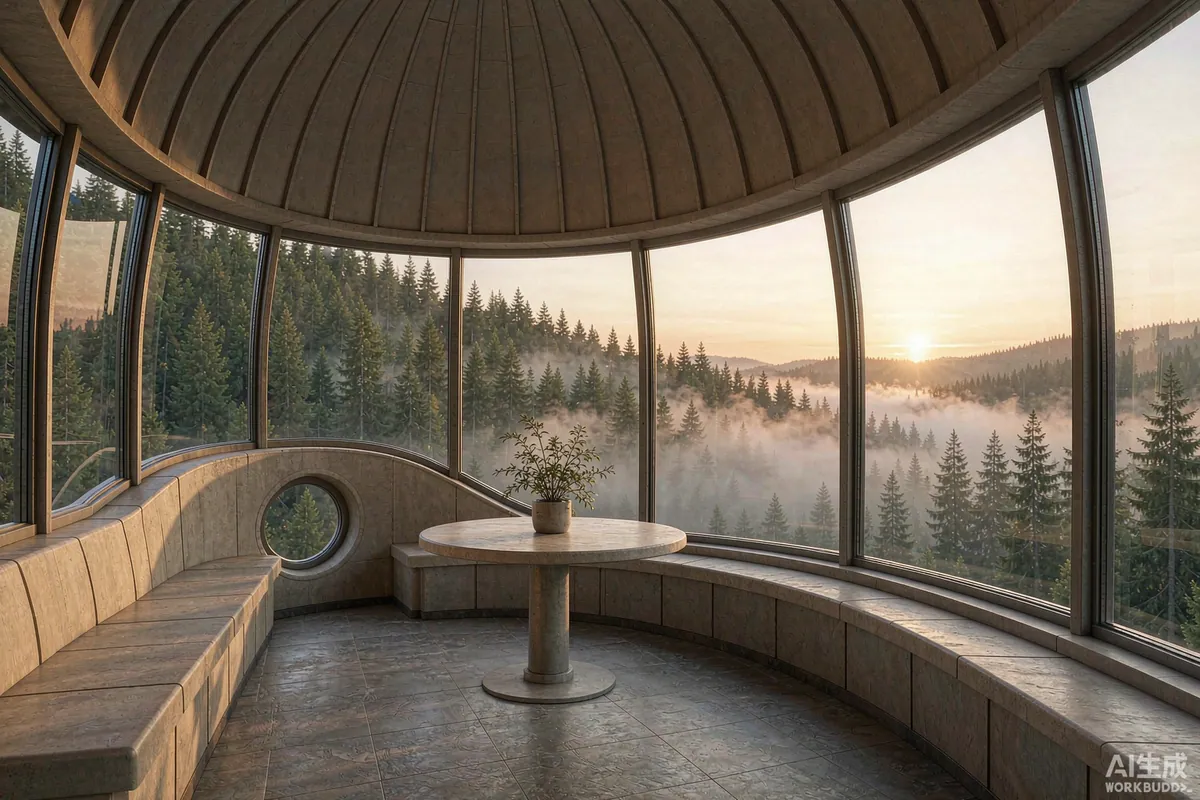
Cleaning Access
Large glazing is easy to specify and easy to neglect. Before finalizing a layout, ask how the exterior of each pane will be reached: from ground level, a deck, or with a reach pole. If a section can only be cleaned from a ladder on a slope, you will clean it rarely. Design a safe standing surface where cleaning is needed, or accept that the top band will stay dusty.
Internally, choose openings that can be reached without moving furniture. In a compact unit, a window that opens against a bed or a sofa will not be opened.
Safety, Security and Local Rules
Glazing in doors, low-level panels and bathroom areas is commonly subject to safety requirements, and balustrades adjacent to glazed areas may need specific glass types. Security hardware and locking standards also vary. Requirements may vary by application, market and applicable standard - have the glazing specification checked against the rules that apply at your address, and keep the supplier's declaration with your handover file.
Glazing Across the A Series
Glazing is central to the Haishu A series: the panoramic glass is what makes a compact A30 feel larger than its footprint, an A50 medium feel open from the kitchen to the view, and a double-deck A70 carry daylight down to the lower level. When you move up the range, the question shifts from "how much glass" to "where does the glass go" - so plan the orientation and the shading with the same care you apply to the layout.
A Short Specification Checklist
- Sealed unit build-up written down, including coating and spacer type
- Frame material and finish, with thermal break where required
- Which panes open, and whether the opening clashes with furniture
- External shading strategy for the hottest elevation
- Cleaning access for every pane that cannot be reached from the ground
- Safety glazing where local rules require it, documented for handover
Glazing, Acoustics and the Feeling of Space
Glass is often discussed as a thermal question, but in a compact unit two other effects matter just as much: sound and perceived volume.
Noise
A sealed, well-fitted double-glazed unit reduces transmitted sound noticeably compared with a single pane, particularly at the higher frequencies that dominate traffic and voices. The weak point is rarely the glass itself - it is the perimeter. A frame that is not sealed continuously, or a trickle vent left permanently open on a road-facing side, will let in more sound than the glazing keeps out.
- Ask how the frame is sealed to the shell, and whether the seal is continuous around the whole opening.
- Position vents and opening lights away from the dominant noise source where the layout allows it.
- If a road or a neighbor is close, consider whether a screen, a berm or planting would help before upgrading the glass.
Rain noise on a large roof or shell surface is a separate question. It is generally a positive for guests and occasionally a nuisance for light sleepers; if you think it may matter, ask whether an acoustic option is available for the overhead glazing.
Perceived Volume
Large glazing alters how big a small room feels more effectively than any other single change. Sightline length matters more than floor area: a view that runs to the horizon makes a compact interior feel open, while an interrupted view makes the same room feel boxed in. This is why the placement decision and the glazing decision belong together - the best window in the world points at nothing if the unit faces a bank.
Practical consequences follow. A unit with strong outward sightlines needs less interior decoration, less artificial light during the day, and photographs far better. When you weigh the cost of a larger glazed area, weigh it against the cost of making the interior feel larger by any other means.
Ask for One Number
If you want to compare options, ask for the same figure measured the same way for each - thermal transmittance, solar factor, and acoustic reduction if it is quoted. Comparing figures produced under different test methods is the most common way buyers mislead themselves on glazing. Requirements may vary by application, market and applicable standard.
More from the Blog
Capsule Home Cost Guide: What You Really Pay in 2026
EXW, shipping, install and the hidden line items — a transparent breakdown of total landed cost.
Read article →
How to Install a Capsule Home in 3 Days: A Step-by-Step Guide
From site prep to first guest — the exact sequence our install crews follow on every deployment.
Read article →
Real Owners, Real Numbers: Success Stories
How a lakeside resort, a Spanish glamping site and a Singapore dealer hit their targets.
Read stories →Talk to the Factory
Ready to Ride the 2026 Wave?
Get the latest catalog, pricing tiers and a layout sketch for your land — straight from the engineering team.