Glazing Safety Film and Bird Strike Risk on Panoramic Capsule Homes
How to reduce bird strike risk and glass injury risk on a large-glazed capsule home: film types, external deterrents, placement rules and the maintenance checks that keep them working.
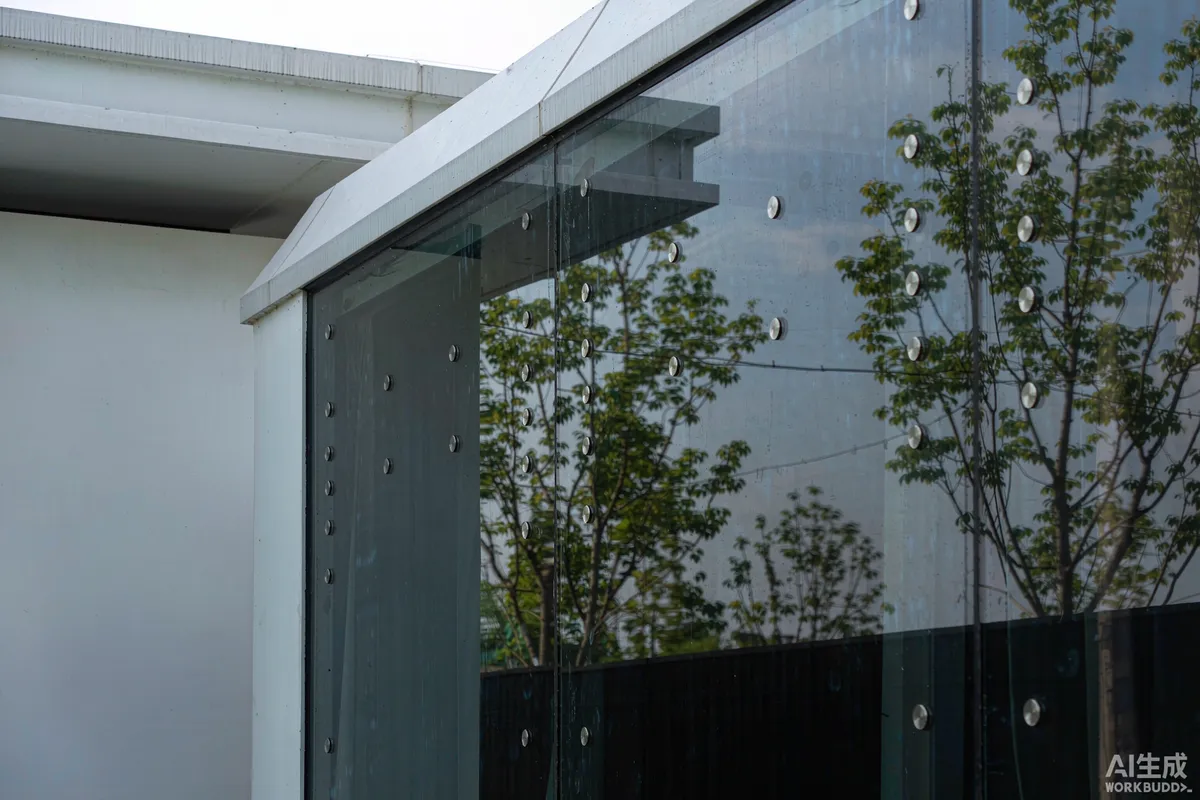
Large panoramic glazing is the reason many buyers choose a capsule home, and it is also the detail that needs the most thought after installation. Two risks come with it: birds colliding with glass that reflects sky and vegetation, and the breakage behaviour of the glass itself. The practical answer is layered rather than single - treat the glass, add external deterrents, and change what the glass reflects. Where glazing safety, building rules or wildlife protection provisions apply, confirm the applicable requirement locally. Requirements may vary by application, market and applicable standard.
Why Large Glazing Attracts Collisions
A bird does not see glass as a barrier. It sees reflected sky, reflected trees, or a clear line through to planting on the other side. Panoramic units increase that risk because the reflective area is large, often corner-to-corner, and often positioned exactly where the surrounding habitat is most visible.
- Reflection is the main driver. A pane mirroring trees reads as more trees.
- See-through is the second driver. Glass aligned with a flight path between feeding and resting areas reads as open air.
- Corner glazing is higher risk than a flat run because there are two reflection planes meeting.
- Interior lighting at night changes the risk profile again, particularly during migration periods.
- Nearby planting and water concentrate bird activity, which means more approaches and more strikes.
What Safety Film Does - and What It Does Not
Safety film is a retrofit or factory-applied layer bonded to the glass. It is worth being precise about its job.
- It helps with breakage behaviour. A correctly applied film holds fragments together when glass breaks, which reduces injury risk and makes clean-up safer.
- It can add solar control. Some films reduce solar gain and glare, which is a separate benefit and a separate specification.
- It does not by itself stop collisions. A film that is invisible to people is generally also invisible to birds. Deterrence requires a visible pattern on or near the glass surface.
- It is a specification question. Film type, glass type and the unit's glazing build-up must be compatible; the wrong combination can affect the glass or the seal.
So the honest framing is: film addresses the consequence of breakage, external marking addresses the likelihood of collision, and both belong in the plan.
External Deterrents and How to Place Them
Marking is only effective if it is dense enough and positioned where strikes actually occur. Sparse decoration looks tidy and does nothing.
| Approach | How it works | Practical notes |
|---|---|---|
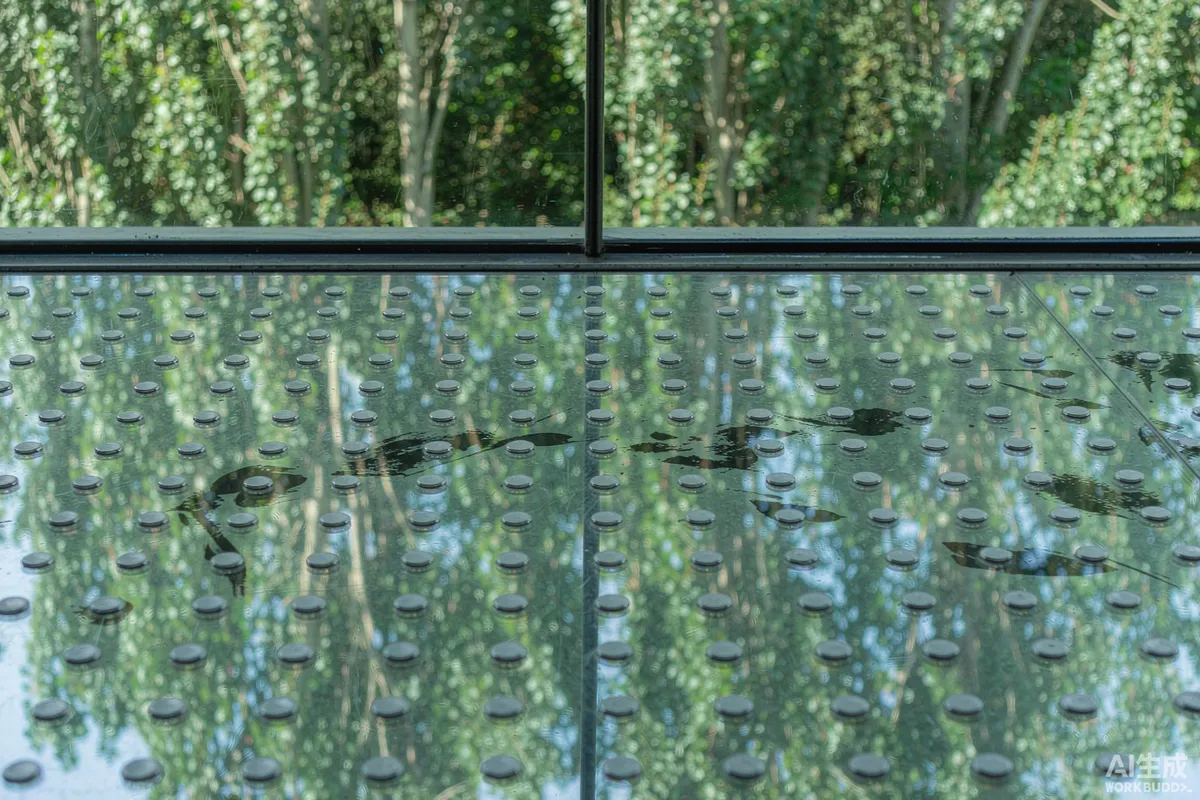
| Surface-applied dot or line pattern | Breaks the reflection so the pane reads as a surface | Spacing matters more than size; follow the product's stated spacing and apply to the external face |
| Etched or fritted pattern in the glass | Permanent marking built into the pane | Best specified at order stage; discuss visibility and cleaning with the supplier |
| External screens or cables | Physically interrupts the flight line before impact | Effective but changes the look; check fixings and wind behaviour |
| Hanging or suspended elements | Moving objects catch attention | Suits some designs; needs maintenance and can be visually cluttered |
| Reducing reflection at source | Shading, screening or changing what is reflected | Works well where reflections come from planting or water you can influence |
| Night-time lighting discipline | Interior light escaping through glass at night | Use blinds or shutters, and avoid uplighting vegetation near glazing |
Prioritise the panes with the worst reflection first. Walk the site at a few different times of day and note which panes disappear into the background; those are the ones that need treatment.
Planning the Glazing Before the Unit Arrives
The cheapest time to solve this is at specification, because the alternatives are retrofit or acceptance.
- Ask about glazing build-up. Toughened, laminated, or a combination, and what the breakage behaviour is.
- Ask about factory-applied marking. Whether a patterned interlayer or frit is available in the model you are buying.
- Ask about film compatibility. If you intend to add film later, confirm it is compatible with the glazing and that it will not affect the warranty.
- Consider orientation. A pane facing dense planting or water behaves differently from one facing open sky.
- Plan shading. External shading reduces reflection and glare at once, and pays back in summer comfort as well.
Installing and Maintaining Film and Marking
Retrofit work on a finished unit is sensitive to preparation and conditions. Poor application shows within a season.
- Clean the glass thoroughly first. Any residue becomes a visible flaw under the film.
- Respect temperature and weather limits. Application outside the product's stated range shortens service life.
- Use a qualified installer. Particularly for large panes, where a single crease is permanent.
- Allow curing time before cleaning, as the product specifies.
- Inspect annually. Look for edge lift, bubbling, discolouration and peeling, and for deterrent markers that have faded or detached.
- Clean with compatible products. Abrasive pads and harsh solvents damage film and printed markers.
Seasonal Timing and Where to Focus
Strike risk is not evenly spread through the year, and neither is the benefit of mitigation. Two periods generally deserve attention.
- Migration periods. Birds moving through unfamiliar territory encounter glass they have no learning about. If your site sits on or near a route, treat these weeks as the priority window for deterrents and for night lighting discipline.
- Breeding and fledging season. Young birds and increased local activity raise risk near planting and water, which is where many capsule sites are deliberately placed.
- Winter reflection off snow. Bright ground changes what the glass reflects and can increase the mirror effect on panes that seemed safe in summer.
- Low sun angles. At certain times of year the sun hits a pane at an angle that turns it into a mirror for an hour or two each day; note which panes and when.
Walking the site at those specific times is more informative than a general inspection. Ten minutes at first light in the relevant season tells you more than a checklist filled in at midday.
What to Do When a Strike Happens
Even with good mitigation, a strike is possible. A defined response keeps it from becoming an incident.
- Check the glass. Look for damage before assuming the pane is sound; a small chip can compromise a large unit.
- Keep people away from damaged glass until it is assessed and made safe.
- Record it. Date, time, pane, weather, and whether the glass was reflecting anything specific.
- Look for a pattern. Repeated strikes at one pane usually point to a specific reflection or a specific flight line.
- Follow local requirements. Where wildlife is protected, there may be obligations about reporting or about what deterrents are permitted.
A Short Action Order
- 1. Walk the site and rank the panes by how badly they disappear into the background.
- 2. Treat the worst panes first with a properly spaced external pattern.
- 3. Reduce reflection at source through shading, screening or landscape adjustment.
- 4. Manage night lighting with blinds or shutters and by not uplighting vegetation.
- 5. Discuss breakage behaviour and film compatibility with the supplier, and have any film installed professionally.
Handled in that order, the view stays the reason you bought the unit, and the glass stops being an unmanaged risk.
More from the Blog

Capsule Home Cost Guide: What You Really Pay in 2026
EXW, shipping, install and the hidden line items — a transparent breakdown of total landed cost.
Read article →
How to Install a Capsule Home in 3 Days: A Step-by-Step Guide
From site prep to first guest — the exact sequence our install crews follow on every deployment.
Read article →
Real Owners, Real Numbers: Success Stories
How a lakeside resort, a Spanish glamping site and a Singapore dealer hit their targets.
Read stories →Talk to the Factory
Ready to Ride the 2026 Wave?
Get the latest catalog, pricing tiers and a layout sketch for your land — straight from the engineering team.