From Novelty to Asset Class: How Capsule Homes Are Being Evaluated
Capsule homes are increasingly assessed like long-life assets rather than novelty structures. Here is what that shift changes for buyers and operators.
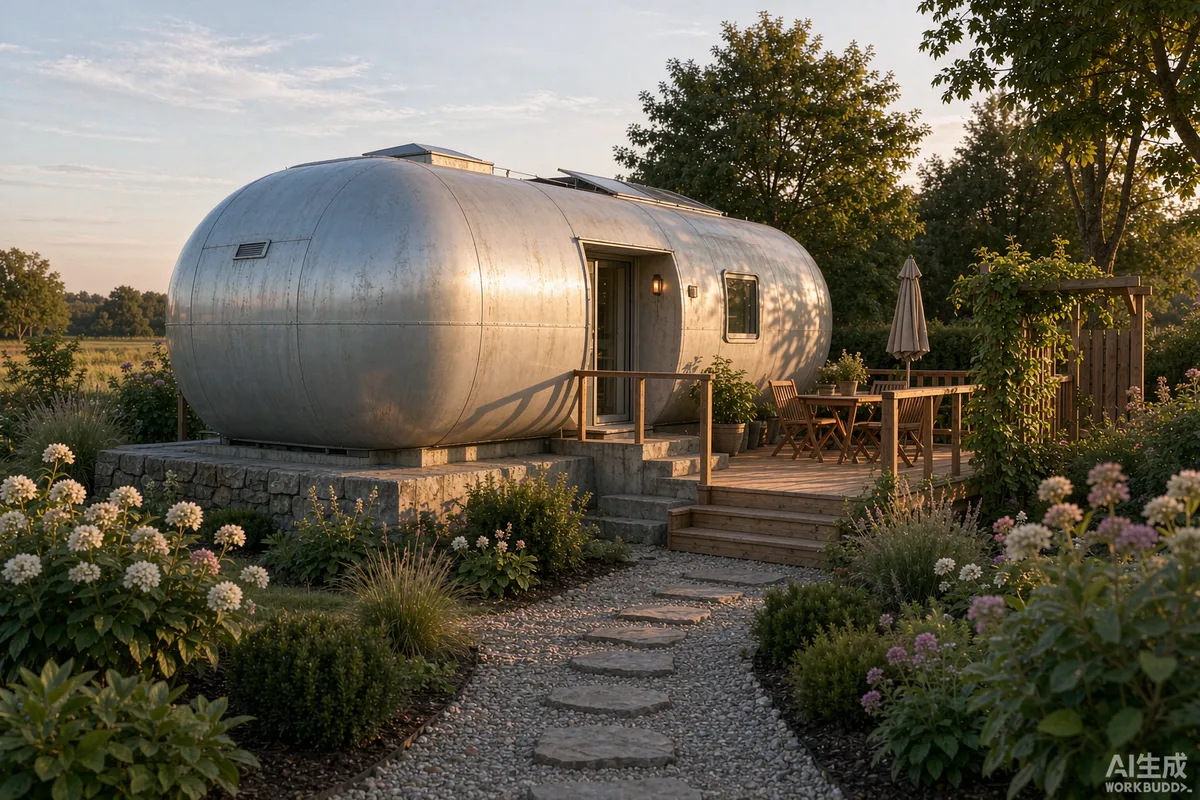
The first wave of interest in space capsule homes was about form. People bought them because they looked unlike anything else, photographed well and could be placed in locations where conventional building was impractical. That interest has not gone away, but the conversation around a purchase has changed: buyers now ask about service life, maintenance, documentation, insurance and resale. In other words, capsule homes are increasingly assessed the way other long-life assets are assessed, and that shift changes what a sensible buyer asks for.
The Short Answer
Evaluating a capsule home as an asset means asking five questions that have little to do with appearance: how long the envelope and services are expected to last, what the maintenance regime costs, what documentation comes with the unit, whether it can be insured and financed, and what it is worth secondhand. Units that answer those questions well hold value and are easier to run. Units that do not are cheap to buy and expensive to own.
What Changed
Several things moved at once, and none of them is a single event.
- Buyers became repeat buyers. Operators who placed a few units are now planning sites, which turns a purchase into a programme.
- Lenders and insurers asked questions. Anything that is financed or insured has to be describable in their terms.
- Secondhand markets appeared. Once units change hands, condition and documentation start to matter.
- Authorities engaged. Where units are occupied continuously, they are treated more like dwellings and less like temporary structures.
- Maintenance became visible. The earliest units are now old enough to show what actually wears.
None of that is dramatic. It is what happens to any building type as it matures.
The Five Questions, in Practice
1. Service life of the parts that matter
A unit is an assembly of components with different lives. The structure may last for decades; seals, appliances and finishes will not. A useful evaluation asks for a maintenance view rather than a single lifespan figure: what is expected to need attention, when, and what it costs to address. A supplier who can describe that honestly is worth more than one who promises nothing needs doing.
2. Maintenance regime
Ask what the routine actually is, and judge whether it is realistic for the site. Seals, filters, exterior finishes, drainage, anode or water heater service, control checks - the list is short but it must be doable by someone. If the maintenance routine requires a specialist visit for something trivial, that is a design weakness rather than a maintenance plan.
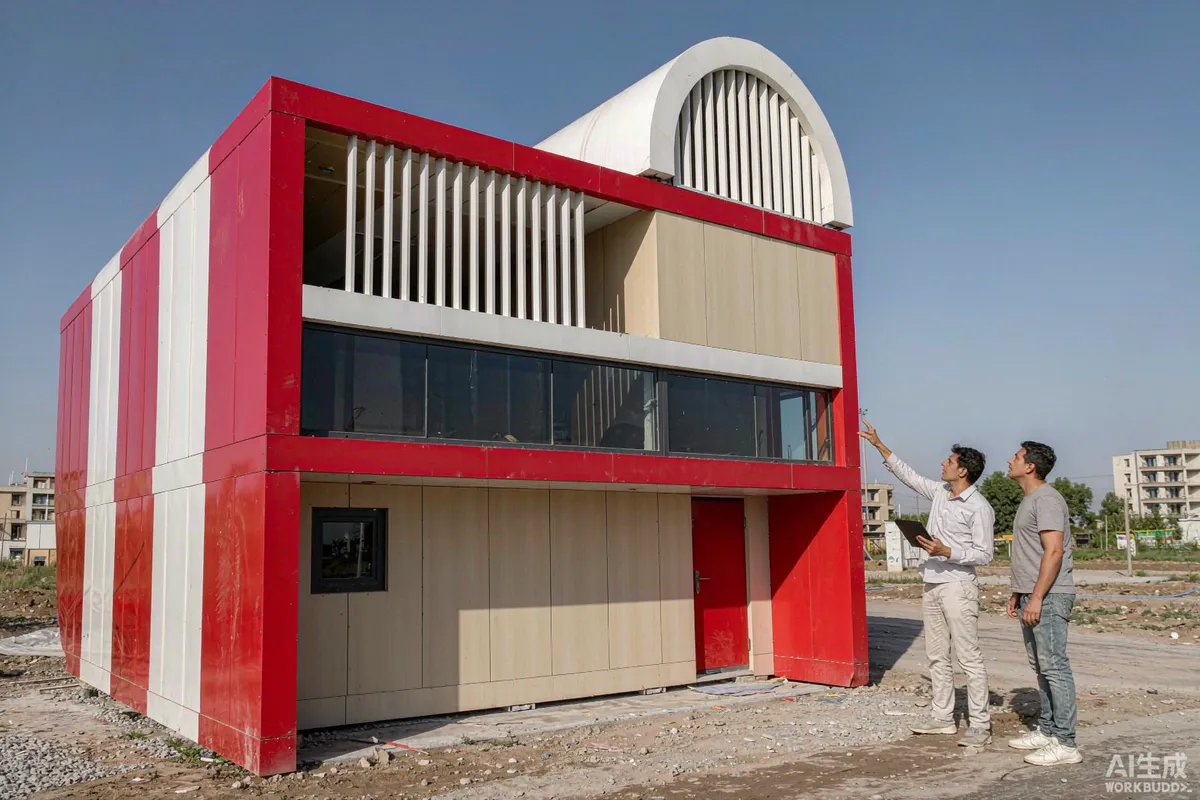
It is also worth asking who will actually do the work. A regime that assumes a specialist visit for every item is slow and expensive; one that separates routine tasks from specialist tasks is realistic and cheap to run. Write that split down and match it to the people genuinely available at the site.
3. Documentation
Documentation is the least exciting and most decisive part of the shift. A unit with a manual, a parts list, an electrical and plumbing description, a service schedule and a build record can be maintained, insured, financed and eventually sold. A unit without them cannot, however well it is built.
- Model, trim and build record.
- Service and maintenance manual with intervals.
- Parts list with identifiers.
- Warranty terms, in writing, with a claim process.
- Installation record, including foundation and anchoring.
- Service history, updated over time.
4. Insurability and finance
Whether a unit can be insured or financed depends on how it is described and where and how it is installed, and this is genuinely jurisdiction-specific. What helps in every market is a clear, consistent description of the unit and its installation. Requirements may vary by application, market and applicable standard, so the practical step is to ask the insurer or lender what they need early - before the order, not after delivery.
5. Secondhand value
A resale market is the clearest sign that something has become an asset. What supports resale value is unglamorous: a known model, a documented specification, a maintained condition, transportability, and the fact that the same or compatible parts are still available. What destroys it is bespoke modification with no record.
What This Means for a Buyer
| Old question | Asset question |
|---|---|
| How does it look? | How is it maintained, and by whom? |
| What is the price? | What does it cost to run for ten years? |
| How fast can it be delivered? | What documentation arrives with it? |
| Can it be placed here? | Can it be insured, financed and eventually sold? |
| Is it unusual? | Is it repeatable and are parts available? |
What It Means for Manufacturers
The obligations on the supply side follow directly from the questions above, and they are mostly about consistency and record-keeping rather than about the product itself.
- Stable specifications. A model that changes quietly every few months is difficult to support and difficult to value.
- Parts availability over time, with a stated commitment.
- Documentation supplied as standard and kept current with revisions.
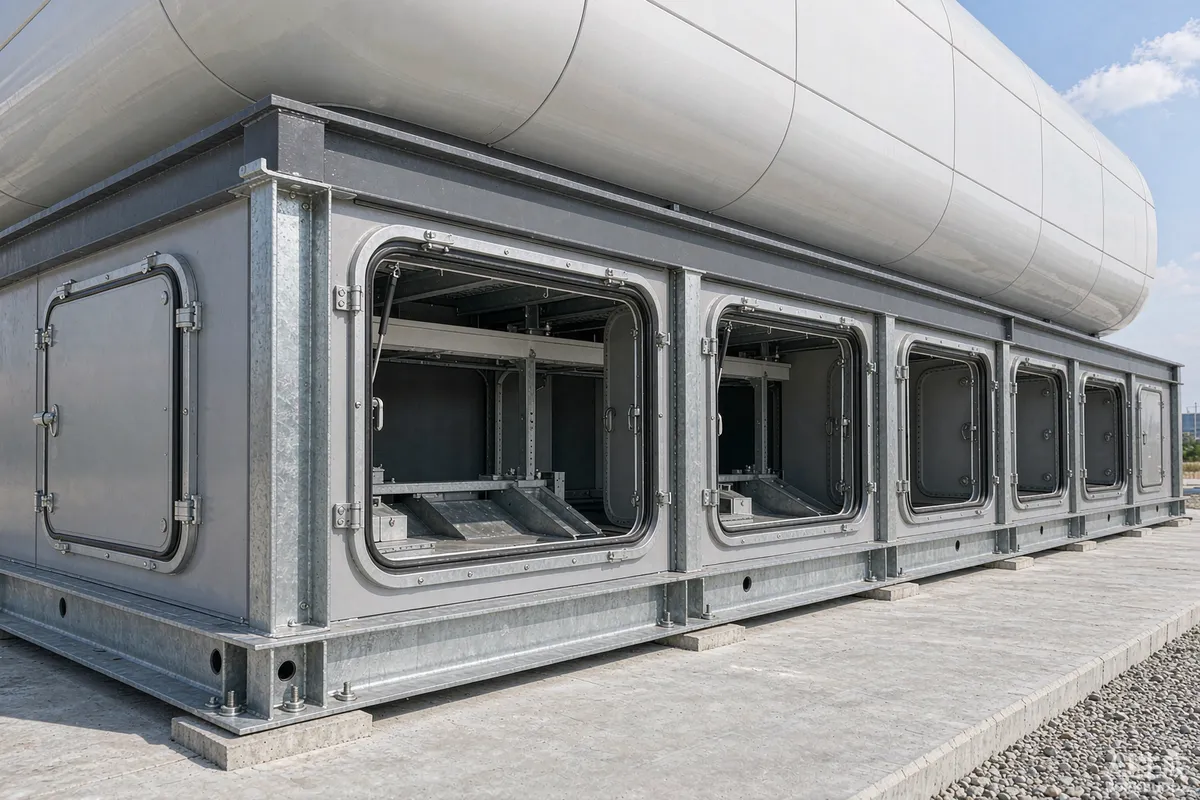
- Serviceability designed in: access panels, replaceable components, standard fixings.
- Traceability of what was built and when.
- Honest maintenance guidance rather than reassurance.
Keeping the File
The practical difference between a novelty purchase and a documented asset is often just a folder. It does not need to be elaborate, and it should start the day the order is placed rather than the day something goes wrong.
- Specification and revision history for every order, including what changed and why.
- Delivery and installation record with dates, foundation details and anchoring information.
- Manuals and parts lists for the exact revision delivered, not a generic version.
- Service log with dates, work carried out and parts used.
- Photographs of the installation, including anything that is later covered up.
- Correspondence on warranty and the outcome of any claim.
- A short condition review once a year with photographs, which is what makes an eventual sale straightforward.
Where several people are involved - owner, operator, cleaner, technician - the file should have one keeper. Most asset value is lost not through neglect of the building but through loss of the information about it.
Where Haishu Fits
Haishu builds the Galactic A Series - A30, A50 and A70 footprints - on one platform, factory-direct, as turnkey dwellings designed for efficient container transport and a short installation period. From an asset point of view, the relevant properties are the shared platform and the factory-finished delivery: a known specification, repeatable across orders, with components that are common across the range. Those are the things that make a fleet maintainable and a unit describable to an insurer or a buyer.
The rest is the buyer's side of the ledger: keeping the specification, the installation record and the service history together. That file is what turns a well-built unit into a documented asset.
The Takeaway
Capsule homes are being judged less on how they look and more on how they age, and that is a sign of maturity rather than a loss of appeal. Ask about maintenance, documentation, insurability and resale before asking about finishes. Choose a specification you can repeat, keep the records, and the unit stops being a novelty purchase and starts behaving like an asset.
More from the Blog

Capsule Home Cost Guide: What You Really Pay in 2026
EXW, shipping, install and the hidden line items — a transparent breakdown of total landed cost.
Read article →
How to Install a Capsule Home in 3 Days: A Step-by-Step Guide
From site prep to first guest — the exact sequence our install crews follow on every deployment.
Read article →
Real Owners, Real Numbers: Success Stories
How a lakeside resort, a Spanish glamping site and a Singapore dealer hit their targets.
Read stories →Talk to the Factory
Ready to Ride the 2026 Wave?
Get the latest catalog, pricing tiers and a layout sketch for your land — straight from the engineering team.