Freeze Protection for Capsule Home Plumbing in Cold Climates
How to keep water systems in a capsule home from freezing: insulation and heat trace, drain-down procedures, appliance preparation and what to check after a cold snap.
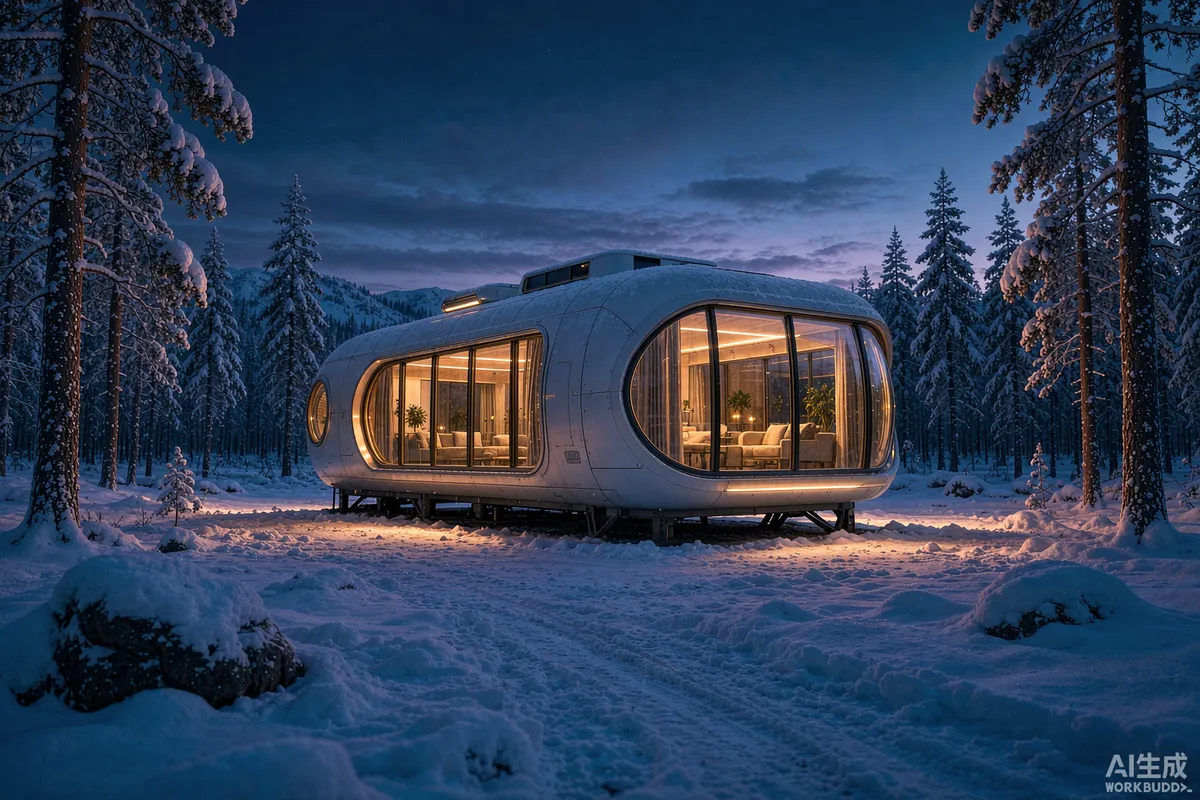
Water systems in a capsule home freeze for the same reason they freeze in any building: a pipe containing standing water drops below freezing and the water expands as it turns to ice. What makes a prefab unit slightly different is where the vulnerable pipework sits. Connections and service runs are often at or below floor level, close to the outside, and that is where the problem starts.
There are only three real strategies, and most operators use a combination: keep the water warm enough, keep the pipes from losing heat, or take the water out of the pipes entirely. Choosing between them depends on whether the unit is occupied, how cold it gets, and how reliable your power supply is.
Where Pipes Freeze First
Freezing is predictable if you know where to look. The same handful of locations cause most incidents.
- The incoming supply connection, where the pipe meets the unit from below or from the side.
- Any exposed external run - the length between the ground and the unit's underside.
- Unheated voids or service bays, particularly where an access panel lets cold air in.
- Pipes against an external wall with insulation behind rather than in front of them.
- Waste and drain lines with a low spot that holds water.
- North-facing and windward elevations, where there is no solar gain and more wind chill.
- Anywhere airflow is restricted - a pipe in a dead air space is not warmed by the room.
Wind matters more than still-air temperature. A pipe exposed to a cold draught will freeze at a higher ambient temperature than one in still air, which is why closing up a service bay can be as effective as adding insulation.
Strategy One: Keep the Unit Heated
The simplest protection is to keep the interior above freezing at all times. For an occupied or regularly used unit this is normally sufficient, and it is what most operators rely on through the season.
- Set a minimum setpoint rather than switching heating off between bookings. A unit left to fall to ambient and then reheated is at far greater risk.
- Keep internal doors and service panels closed so warm air reaches the pipework rather than pooling in one room.
- Do not rely on a portable heater left running unattended; use the unit's own heating with a thermostat.
- Consider remote temperature monitoring where the site is unattended - a low-temperature alert is worth more than a weekly visit.
- Check the power supply arrangement, because a tripped breaker in an empty unit is a freeze waiting to happen.
This strategy depends entirely on continuity of supply. If your site loses power in winter, or if the unit is genuinely unoccupied for long periods, heating alone is not a plan - it is a hope.
Strategy Two: Insulate and Trace
Insulation slows heat loss; it does not add heat. On a long cold spell, insulation alone will not save a pipe with no heat source behind it. Heat trace - an electrical heating element run along the pipe - adds the heat, and the two work together.
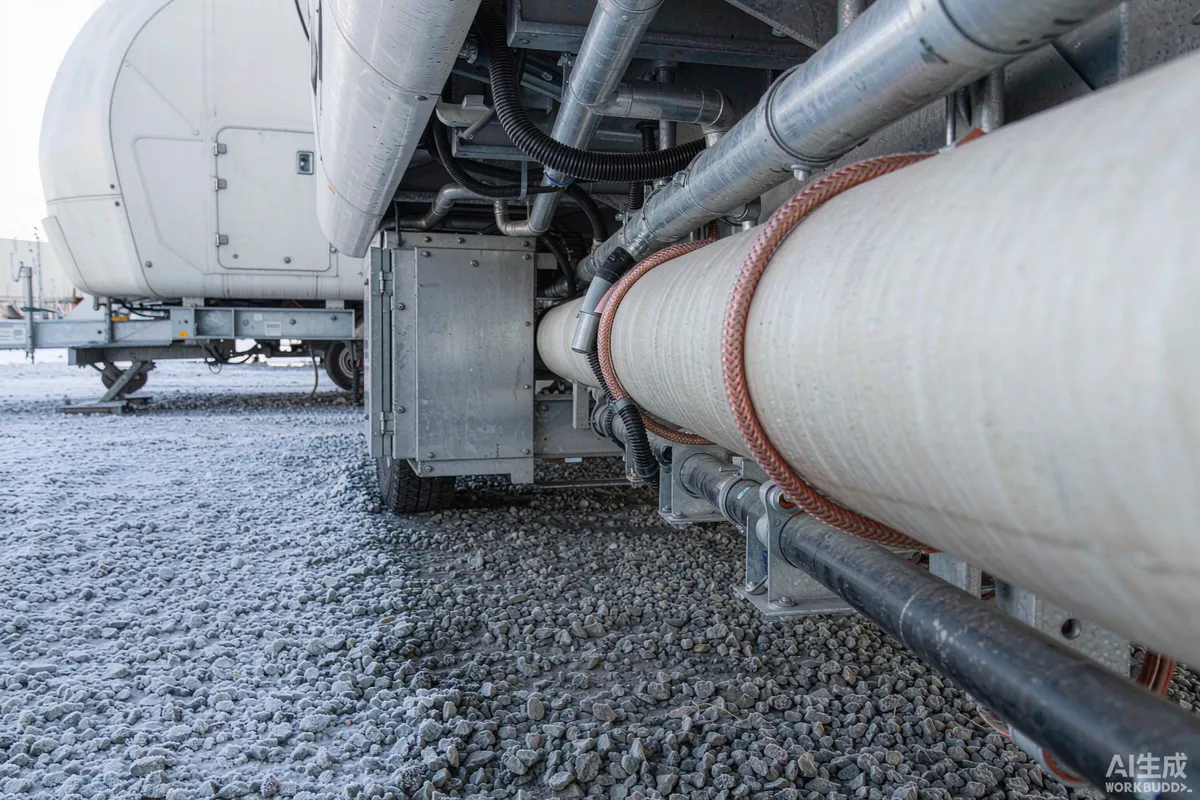
- Insulate the full length, including bends, valves and any fitting - gaps at fittings are where freezing starts.
- Use heat trace with a thermostat, so it operates when temperature drops rather than continuously.
- Confirm the circuit is protected and that the loading is accounted for in the unit's electrical planning.
- Run the trace under the insulation, not over it, so the heat is retained.
- Inspect before each winter. A trace cable that has failed silently gives false confidence, which is worse than knowing you have none.
- Check the manufacturer's instructions on overlap, crossing and minimum bend radius; self-regulating and constant-wattage types behave differently.
Ask at specification stage whether the unit's service bay is designed to be insulated and whether a heat trace provision exists. Adding it after installation is possible but more awkward, particularly where access is tight.
Strategy Three: Drain Down
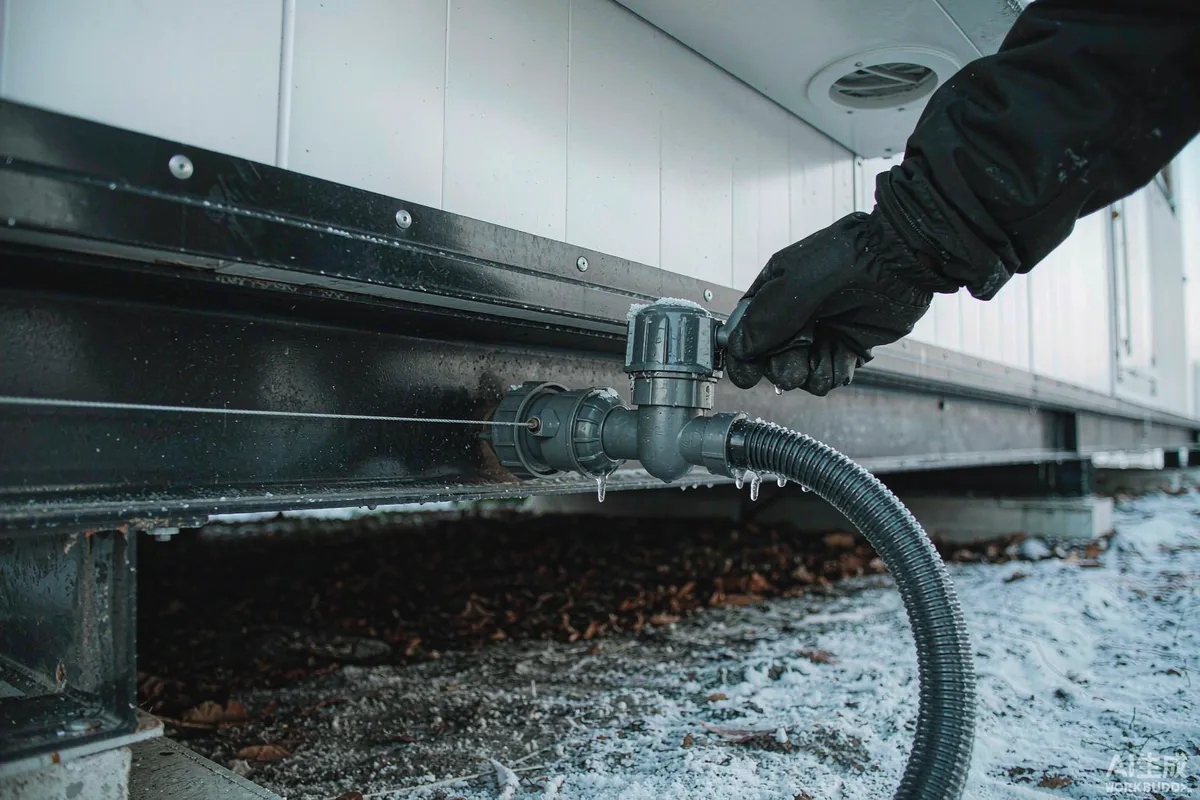
For units that will stand unheated through winter, removing the water is the reliable answer. A drained pipe cannot freeze. The discipline is in doing it completely rather than approximately.
- Shut off the supply at the source.
- Open every tap and fixture so air can enter as water leaves - including the lowest outlet on the system.
- Open drain valves and let the system empty; confirm flow stops rather than slows.
- Blow through with compressed air where the system design allows it, at a pressure appropriate to the pipework - excessive pressure damages fittings.
- Empty appliance reservoirs - water heater, washing machine, any pump housing.
- Protect traps with a suitable antifreeze product where a trap would otherwise hold water; check what is acceptable for your drainage arrangement.
- Leave taps open so any residual expansion has somewhere to go.
- Label the unit as drained so nobody turns the supply on by mistake.
Slope is what makes drain-down work. If a section of pipe cannot drain by gravity, it will hold water no matter how long you leave the valve open - which is worth knowing before the first winter rather than during it.
Choosing Between the Strategies
| Approach | Suits | Depends on | Main risk |
|---|---|---|---|
| Keep heated | Occupied or frequently used units | Continuous power and fuel | A tripped supply or an empty unit left to cool |
| Insulate and trace | Units in regular winter use with exposed runs | Electrical capacity and annual inspection | Silent failure of the trace cable |
| Drain down | Units closed for the season or long unoccupied periods | A drainable layout and a disciplined procedure | Incomplete draining leaving water in a low section |
| Combination | Most commercial sites | A written winter procedure per unit | Assuming someone else has done it |
Most sites end up running more than one approach across their fleet, depending on which units stay open and which close. The important thing is that each unit has a defined winter state and that someone is accountable for it.
Appliances, Traps and the Details People Miss
The pipework gets the attention; the appliances cause the damage.
- Washing machines and dishwashers retain water in pumps and hoses even after the drum looks empty.
- Water heaters hold a tank of water; if the unit is being drained, the heater is part of the procedure.
- Toilets and shower traps hold standing water by design and need specific treatment.
- External taps and hose connections should be isolated and drained separately.
- Any filter housing or pump with a sump that does not drain fully.
Read the appliance manuals for winterisation rather than improvising. Where a manufacturer gives a procedure, following it also protects any warranty position you have.
After a Cold Snap: Before You Turn the Water On
A pipe that has frozen does not necessarily fail at the moment it freezes; it often fails when it thaws and the water finds the split. Treat the first re-pressurisation as an inspection.
- Look at every accessible joint and connection before restoring supply.
- Restore supply gradually and listen, with someone able to shut it off immediately.
- Check under the unit and in the service bay for drips, not just inside the room.
- Run each fixture one at a time and watch the drain.
- If you find a leak, isolate and repair before leaving the unit - a small leak under an occupied unit becomes a large one quickly.
A Winter Procedure Worth Writing Down
- Which units stay open and which drain down.
- Minimum heating setpoint for units left in service.
- Whether heat trace is fitted, and who tests it before each season.
- The drain-down steps in order, with the low points and trap treatment named.
- How a drained unit is labelled so it is not re-pressurised by mistake.
- Who checks temperatures, and how often, when the site is unattended.
- What to do after a cold snap before water is restored.
Requirements and accepted practice for winterisation, insulation and heat trace products may vary by application, market and applicable standard. Confirm what applies to your unit and your climate with the supplier and a qualified local installer before relying on any single measure.
More from the Blog

Capsule Home Cost Guide: What You Really Pay in 2026
EXW, shipping, install and the hidden line items — a transparent breakdown of total landed cost.
Read article →
How to Install a Capsule Home in 3 Days: A Step-by-Step Guide
From site prep to first guest — the exact sequence our install crews follow on every deployment.
Read article →
Real Owners, Real Numbers: Success Stories
How a lakeside resort, a Spanish glamping site and a Singapore dealer hit their targets.
Read stories →Talk to the Factory
Ready to Ride the 2026 Wave?
Get the latest catalog, pricing tiers and a layout sketch for your land — straight from the engineering team.