Ordering Your First Capsule Home: A Buyer's Checklist
The questions to settle before your first capsule home order: use case, size, site constraints, services, specification, delivery and handover documents.

The first order is where most avoidable cost is created. Not in the price of the unit, but in the decisions left open too long: a service point moved after production, a gate too narrow for the truck, a specification frozen late. Work through the checklist below before you request a quotation and the rest of the project is straightforward.
1. Be Specific About the Use Case
"Guest accommodation" is not a specification. Write one sentence that says who uses the unit, how many people, for how long, and in what season. That sentence determines the size, the heating strategy, the bathroom, the storage and the finishes - and it makes every later decision faster.
- Occupancy: one or two guests, a family, or a team?
- Pattern: weekends, full weeks, or year-round residence?
- Climate: heating-dominated, cooling-dominated, or coastal?
- Operation: personal use, managed rental, or resale through a dealer network?
2. Confirm the Site Can Take the Unit
Do this before you fall in love with a model. Three numbers decide most site questions: the narrowest point on the access route, the available level footprint, and the distance from where a truck can stand to where the unit will sit.
- Measure gates and gaps at their narrowest, at handle height
- Check overhead cables and branches along the whole route
- Photograph the plot and the approach, and send both with your enquiry
- Confirm the ground: firm and free-draining, or soft, sloping or filled?
- Note which direction the view is, and where the sun rises and sets
If you have not yet measured the site, say so in the enquiry. A supplier can plan around a constraint they know about; nobody can plan around one that appears on delivery day.
3. Choose the Size From the Use Case
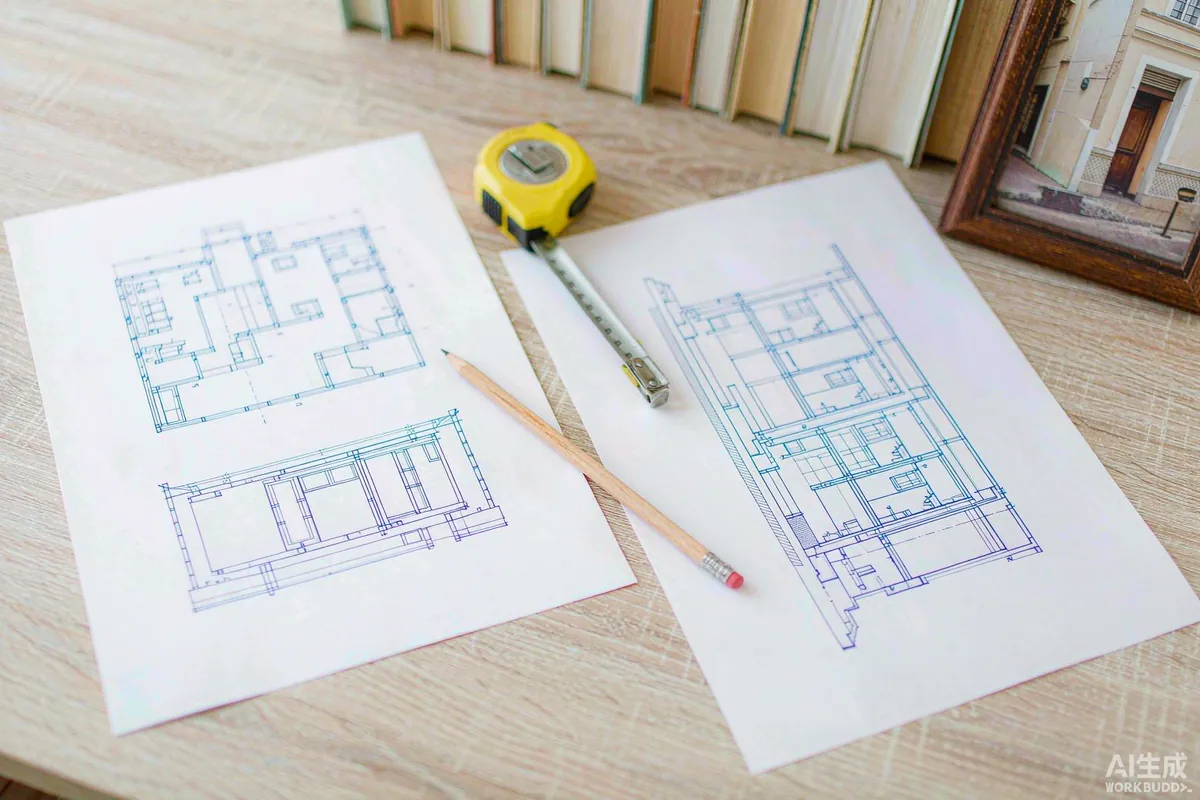
Buyers regularly choose too small, because a compact unit looks sufficient on a drawing. Remember that a dwelling needs storage, circulation and somewhere to put a coat - none of which appears in a furniture plan.
| If the use case is | Start here | Why |
|---|---|---|
| One or two guests, short stays | Compact unit | Smallest pad, fastest turnaround |
| Small family or longer stays | Medium unit | Room for storage and a proper kitchenette |
| Two groups, or a flagship rental | Double-deck unit | Separates sleeping from living |
| Extra floor area on a limited pad | Expandable configuration | Expands on site after placement |
Within the Haishu Galactic A series, that maps to the A30 compact, the A50 medium and the A70 grand, with Pro expandable and Ultra double-deck configurations available where you need more space without a larger transport footprint.
4. Settle the Service Entry Points
This costs nothing to specify and a great deal to fix later. Agree in writing where power, water and waste enter the unit, at what height and on which side, and build your site stubs to match. Confirm voltage and frequency for your market, and whether the unit terminates in a plug or a hard-wired connection.
- Power: voltage, frequency, termination type, and the circuit protection required locally
- Water: connection type and isolation valve location
- Waste: gravity or pumped, and the connection diameter
- Data: whether the unit is pre-cabled, and to which point
5. Freeze the Specification
Finish selections are the easy part; freezing them on time is the discipline. Confirm cladding and colour against physical samples seen outdoors, choose flooring and worktops as a combination, and decide socket and data positions from your furniture plan. Then confirm the whole set in one document so there is a single reference on both sides.
- Model and configuration
- Layout and service entry points
- Glazing layout and opening style
- Kitchen and bathroom specification
- Cladding, colour, flooring, lighting
- Any options: deck, awning, blinds, additional storage
6. Understand the Quotation
Ask what is included and what is not, in writing. The usual separations:
- Unit price - the factory-built dwelling as specified
- Freight and insurance - often quoted separately and sensitive to route and timing
- Taxes, duties and port charges - market-specific, and rarely included unless stated
- Site works - pad, foundations, crane, service connections, landscaping
- Installation supervision - whether it is included, optional, or remote
The most useful question is not "what does it cost" but "what will I still have to pay for after this number". Comparing two quotations on unit price alone is how budgets break.
Also confirm lead time from order confirmation, not from enquiry, and what triggers it - usually a signed specification and a deposit.
7. Plan Delivery and Handover
- Confirm the access route and the landing area in writing, with photographs
- Agree who provides the crane and who pays for it
- Agree the handover document set: drawings, specification, manuals, warranty, spare parts list
- Record the unit serial number on arrival and photograph the unit before unwrapping
- Note any transit damage on the delivery paperwork on the day
8. Questions Worth Asking a Supplier
- What exactly triggers the production schedule?
- Which items are quoted separately from the unit price?
- What does the warranty cover, and what does the claim process look like?
- Which spare parts do you recommend holding on site?
- What installation support is provided, and in what form?
- Can you supply drawings in a format my local engineer or authority will accept?
Suppliers who answer these questions directly, in writing, are usually the ones whose units arrive as expected. The quality of the answers to these six questions tells you more about the project you are about to run than any brochure.
Before You Sign
Read back your own specification once more and check it against your use-case sentence. If the unit described would not suit the person you said would use it, something has drifted - usually the size or the storage. Fix it now, while it is still a document rather than a delivery.
After the Order: What You Still Control
Signing the order does not end your influence on the outcome - it moves it. From this point, the things that go wrong are rarely inside the factory; they are on your site and in your schedule. Knowing which levers you still hold is worth more than another round of specification tweaks.
The Production Window Is Your Preparation Window
Lead time is not dead time. It is when the pad gets built, the piers cure, the service stubs go in, the route gets widened, and the local paperwork gets filed. Projects that use this window well place the unit in a morning; projects that treat it as waiting time spend the delivery day discovering what is missing.
- Book the crane and the groundworks contractor against the production schedule, not after the shipping notice arrives.
- Confirm the delivery route again a month out - sites change, and so do neighboring works.
- Complete and file any local submissions while there is time to respond to questions.
- Order the recommended spare parts with the unit rather than after handover.
Communication Rhythm
Agree one point of contact on each side and a simple rhythm: a progress update at agreed milestones, photographs when available, and a confirmation before shipping. Fewer, clearer updates beat frequent vague ones, and they make it obvious early if something has slipped.
If a date moves, ask what moved it and what the new critical path is. A schedule you understand is manageable; a schedule you do not is where budgets break.
Prepare for Handover Day
Arrange for the person who will maintain the unit to be present at handover if possible. An hour with the installer - seeing where the isolators are, how the panel opens, how the feet adjust - saves a call-out later and makes the maintenance log easier to keep from day one.
Then photograph everything: the delivered unit, the finished pad, the service connections before they are covered, and the interior as handed over. That set of images is the reference for the rest of the unit's life, and it takes twenty minutes.
First orders go well when the buyer treats the purchase as a project with a beginning, a middle and an end rather than as a product arriving on a truck. The checklist above is the middle - and it is the part that decides how the beginning looks in hindsight.
More from the Blog

Capsule Home Cost Guide: What You Really Pay in 2026
EXW, shipping, install and the hidden line items — a transparent breakdown of total landed cost.
Read article →
How to Install a Capsule Home in 3 Days: A Step-by-Step Guide
From site prep to first guest — the exact sequence our install crews follow on every deployment.
Read article →
Real Owners, Real Numbers: Success Stories
How a lakeside resort, a Spanish glamping site and a Singapore dealer hit their targets.
Read stories →Talk to the Factory
Ready to Ride the 2026 Wave?
Get the latest catalog, pricing tiers and a layout sketch for your land — straight from the engineering team.