Outdoor and Pathway Lighting for Capsule Homes: Safety Without Glare
How to light the approach, steps and deck of a capsule home - safe footing and wayfinding without glare on the panoramic glass or light spill into the night sky.
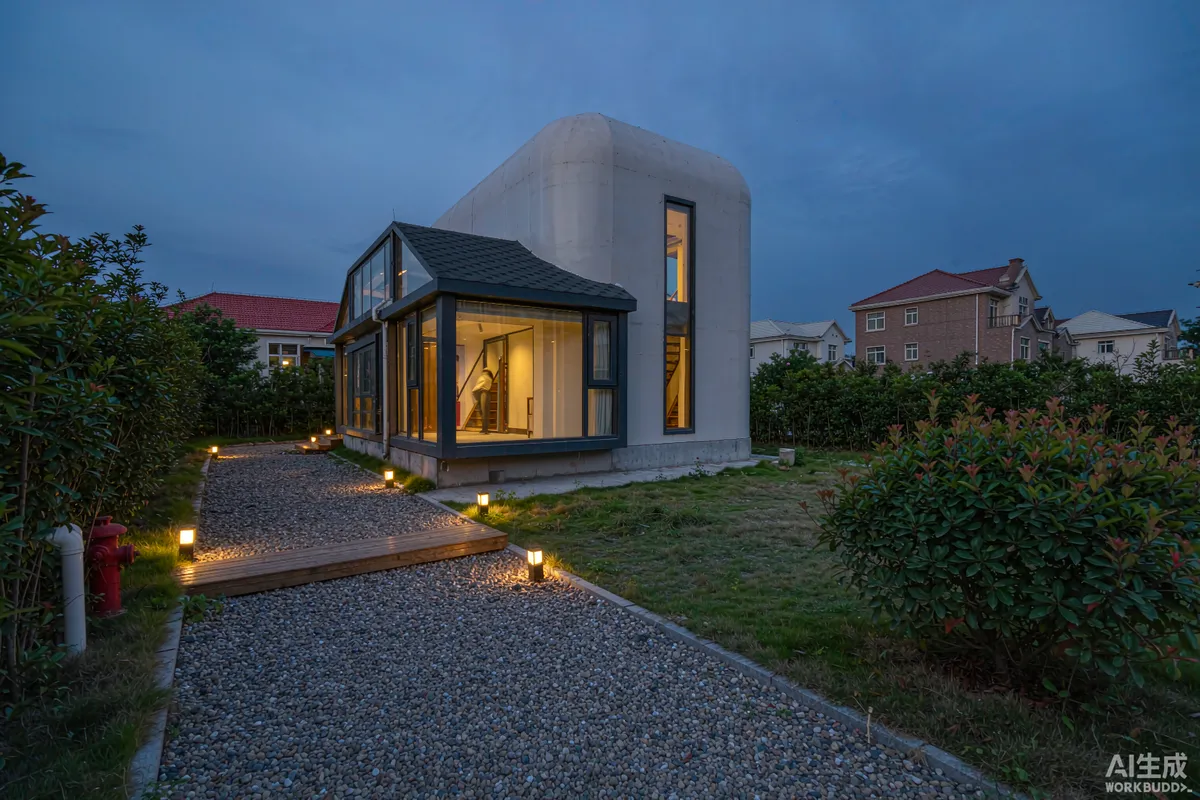
Outdoor lighting around a capsule home has three jobs: make the walking surface safe, show people where the entrance is, and provide a sense of security. It has one job it must not do: shine into the glazing. A large panoramic window turns any badly aimed exterior light into an interior glare problem and a mirror that hides whatever is outside after dark.
The principle that solves most of it is simple - light the surface you walk on, not the space around it. That means shielded, downward-facing, low-level fixtures rather than bright floods on poles.
Why Bright Upward Lights Cause Problems Here
On a conventional building, a bright light near the front door is mildly annoying. On a unit with a large glazed wall it creates three specific problems.
- Glare on the glass. Light reflecting off the glazing reduces the view out and makes the interior feel exposed rather than bright.
- Loss of the night view. Guests book panoramic units partly for what they can see after dark. An unshielded light removes it.
- Spill to neighbours and sky. Upward light contributes to skyglow, which matters both to neighbouring properties and, in many areas, to local lighting expectations.
All three are solved by the same specification choices: shielded fixtures, warm colour temperature, sensible output, and careful aiming.
Where Light Is Actually Needed
Walk the route and identify the points where a misstep is possible. Those are the places that need light; the stretches in between need far less than people assume.
- The approach from parking - enough to see the path surface and its edges.
- Every step and level change - the single highest-risk element on most sites.
- The entrance and threshold - where someone has to find a lock, a keypad or a key safe.
- The deck or terrace edge - so the boundary of the surface is visible.
- Any shared path junction - where routes cross and people meet.
- Service and utility points - enough light to work safely, but usually on a switch or sensor rather than all night.
Fixture Types and Where Each Belongs
| Fixture | Best for | Notes |
|---|---|---|
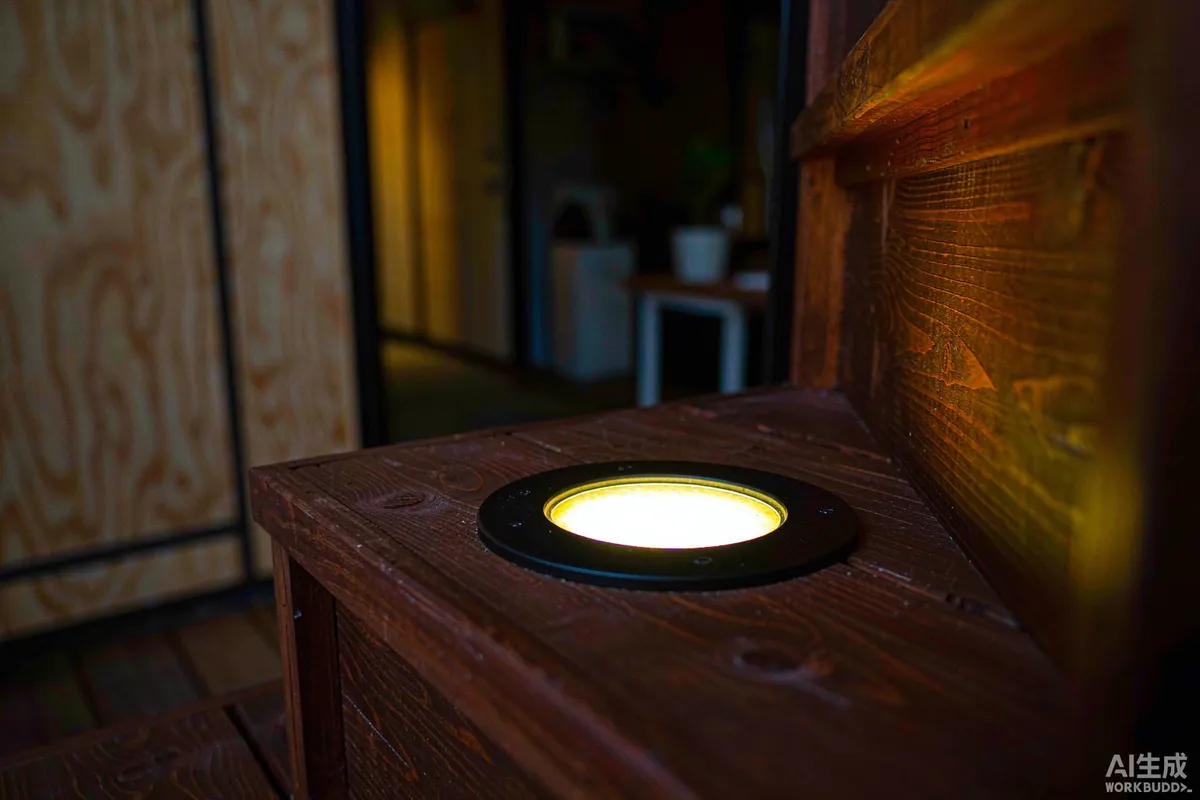
| Recessed step light | Stair treads and risers | Shielded by design; check IP rating and drainage |
| Low bollard, shielded | Path edges and route definition | Choose a downward or fully shielded type |
| Recessed deck light | Deck perimeter and surface wash | Set flush to avoid a trip point |
| Wall-mounted downlight | Entrance and threshold | Aim down; avoid pointing towards glazing |
| Motion sensor flood | Service areas, occasional use | Short run time, warm output, carefully aimed |
| Solar path marker | Supplementary route marking | Output varies with season and weather - do not rely on it alone for steps |
Solar markers are useful as reinforcement but should not be the only thing lighting a step. Output drops in winter and after several overcast days, which is exactly when you most need the light.
Colour Temperature and Output
Warm light reads better against natural surroundings, is less glaring, and is kinder to night-time vision and to wildlife. Cool white exterior lighting close to a glazed unit tends to look harsh and reflects more noticeably off glass.
- Choose warm white for paths, decks and entrances.
- Use the lowest output that does the job. Over-lighting is the most common specification error.
- Aim for evenness rather than brightness. Alternating bright and dark patches along a path is worse for safe footing than uniform low light.
- Avoid uplights aimed at the building. If architectural emphasis is wanted, it should be a deliberate, shielded design decision, not the default.
- Check the fixture against the glazing at night before finalising positions - this can only be judged on site after dark.
Controls: Sensors, Timers and Zoning
Lighting that runs all night when nobody is there wastes energy, disturbs guests and increases maintenance. Controls let you have light when it is needed and darkness when it is not.
- Motion sensors on service areas and on any route that is only occasionally used.
- Photocell or astronomical timers so lighting responds to actual darkness rather than a fixed clock time.
- Zoning so arrival routes stay lit while deck lighting can be reduced late at night.
- A manual override at the unit - guests like being able to turn the deck light down to look at the sky.
- A curfew setting that reduces rather than eliminates light late at night, keeping a low level for anyone arriving.
Agree the control strategy before ordering fixtures, because sensors and zoning affect the wiring as much as the fitting choice.
Power, Cabling and Installation
Exterior electrical work is not a place to improvise. Outdoor circuits need appropriate protection, and cable routes need to survive weather, rodents and garden maintenance.
- Use a qualified electrician and the protection appropriate to an outdoor circuit in your market.
- Check the IP rating of every fixture against its exposure - particularly recessed deck and ground lights that sit in water.
- Plan drainage for any recessed ground fixture; a light in a puddle fails early.
- Protect cable routes from future digging and from strimmers.
- Decide low-voltage or mains early, and size the transformer for the full run plus any future addition.
- Label the circuit at the board so the next person can find it.
Requirements for outdoor electrical installations, protection devices and fixture ratings vary significantly between markets. Requirements may vary by application, market and applicable standard.
Wildlife, Neighbours and Local Expectations
Even where there is no formal restriction, exterior lighting affects the people and animals around you. Many regions have guidance on dark-sky friendly lighting, and some have requirements relating to protected species or nesting seasons.
- Shield fixtures so no light is emitted above the horizontal.
- Keep light off neighbouring properties and off planted boundaries.
- Use warm output, which is generally less disruptive to wildlife than cool white.
- Avoid lighting dense vegetation where animals move.
- Check local guidance before installing, particularly in protected or coastal areas.
Maintenance
Exterior lighting fails gradually, and the failure is easy to miss because it happens a little at a time. Put it on the maintenance schedule rather than waiting for a guest to mention it.
- Walk the route at night quarterly and note any failed or dimmed fixture.
- Clean lenses - dirt and insect deposits reduce output noticeably.
- Check sensor operation and adjust sensitivity seasonally as vegetation changes.
- Inspect seals and gaskets on ground-recessed fixtures annually.
- Clear vegetation that has grown into the light path.
- Keep a small stock of spare fixtures, because matched replacements become harder to find over time.
A Short Specification Checklist
- Route walked at night, with every step and level change identified.
- Fully shielded, downward-facing fixtures.
- Warm colour temperature throughout.
- Lowest output that achieves even coverage.
- No fixture aimed towards the glazing - verified on site after dark.
- IP rating appropriate to each location, with drainage for ground fixtures.
- Controls: sensor, timer and zoning strategy agreed before ordering.
- Installation by a qualified electrician to the applicable standard.
- Quarterly night inspection on the maintenance calendar.
Done well, exterior lighting is barely noticeable - which is the point. Guests get to the door safely, see the path under their feet, and then look up and see the sky.
More from the Blog

Capsule Home Cost Guide: What You Really Pay in 2026
EXW, shipping, install and the hidden line items — a transparent breakdown of total landed cost.
Read article →
How to Install a Capsule Home in 3 Days: A Step-by-Step Guide
From site prep to first guest — the exact sequence our install crews follow on every deployment.
Read article →
Real Owners, Real Numbers: Success Stories
How a lakeside resort, a Spanish glamping site and a Singapore dealer hit their targets.
Read stories →Talk to the Factory
Ready to Ride the 2026 Wave?
Get the latest catalog, pricing tiers and a layout sketch for your land — straight from the engineering team.