Cleaning the Exterior Glass of a Capsule Home Safely
Panoramic glass is the reason people book - and the hardest surface to reach. Access methods, cleaning frequency by environment, products to avoid and a seasonal schedule.
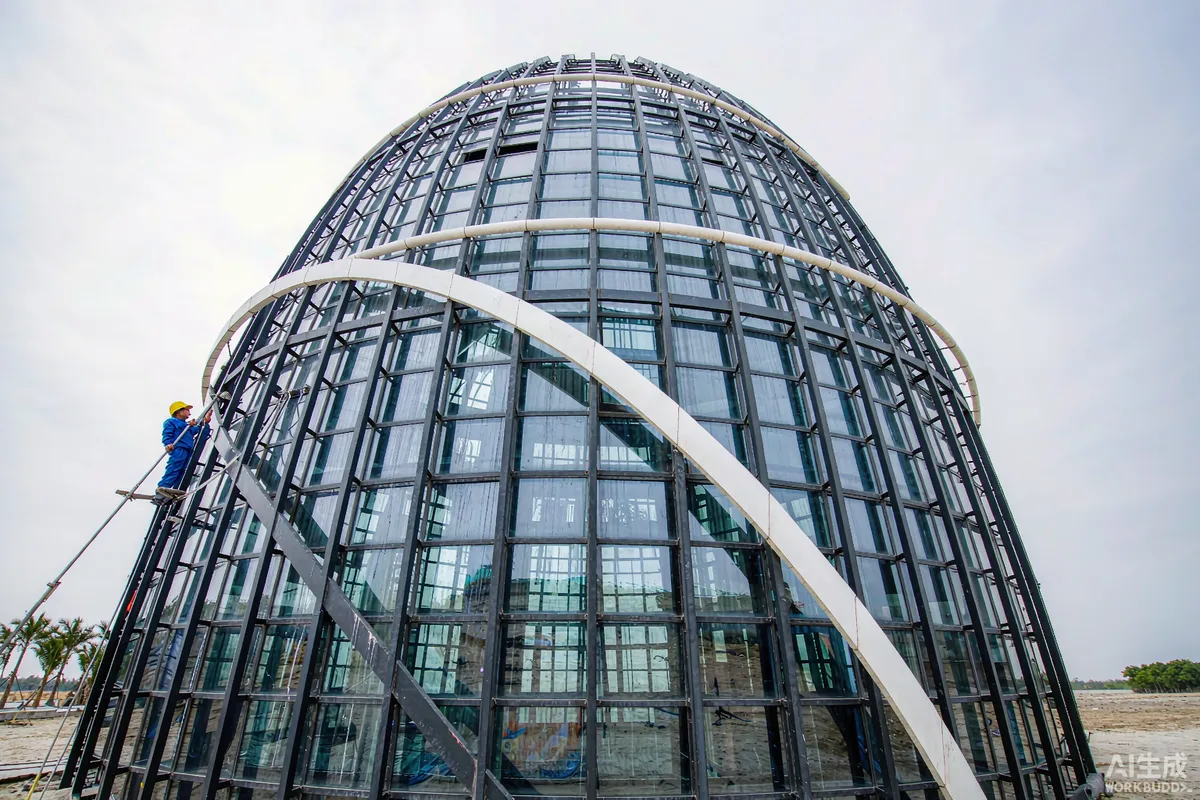
The glass is the product. Large panoramic panels are the reason guests choose a capsule home over a cabin, and they are also the surface most likely to look tired within a season if nobody has a plan for them. Exterior glazing on a curved, elevated unit is harder to reach than a house window, harder to clean without streaking, and easy to damage with the wrong product or the wrong ladder. The answer is a method that keeps people on the ground wherever possible, a schedule matched to the site environment, and a short inspection carried out while the glass is being cleaned.
Match Access to the Height and the Ground
Most cleaning incidents on this type of building are access incidents. Choose the lowest-risk method that reaches the work, and be willing to call in someone equipped for it.
| Method | Reach and suitability | Notes |
|---|---|---|
| Water-fed pole from the ground | Good for most single-storey elevations | Preferred where it reaches; keeps feet on the ground |
| Telescopic pole with pad | Similar reach, no water supply needed | More streaking risk; needs technique |
| Mobile platform or scaffold tower | Where ground is firm and level | Check ground bearing; needs two people |
| Rope or specialist access | High or awkward elevations | Trained personnel with their own equipment |
Before choosing, note what is around the unit: soft ground after rain, a slope, a deck edge, planting, overhead supply lines. Ground that looks solid in summer may not take a tower in spring, and a pole that reaches most of the panel is often better than a risky arrangement that reaches all of it.
What Causes the Streaks
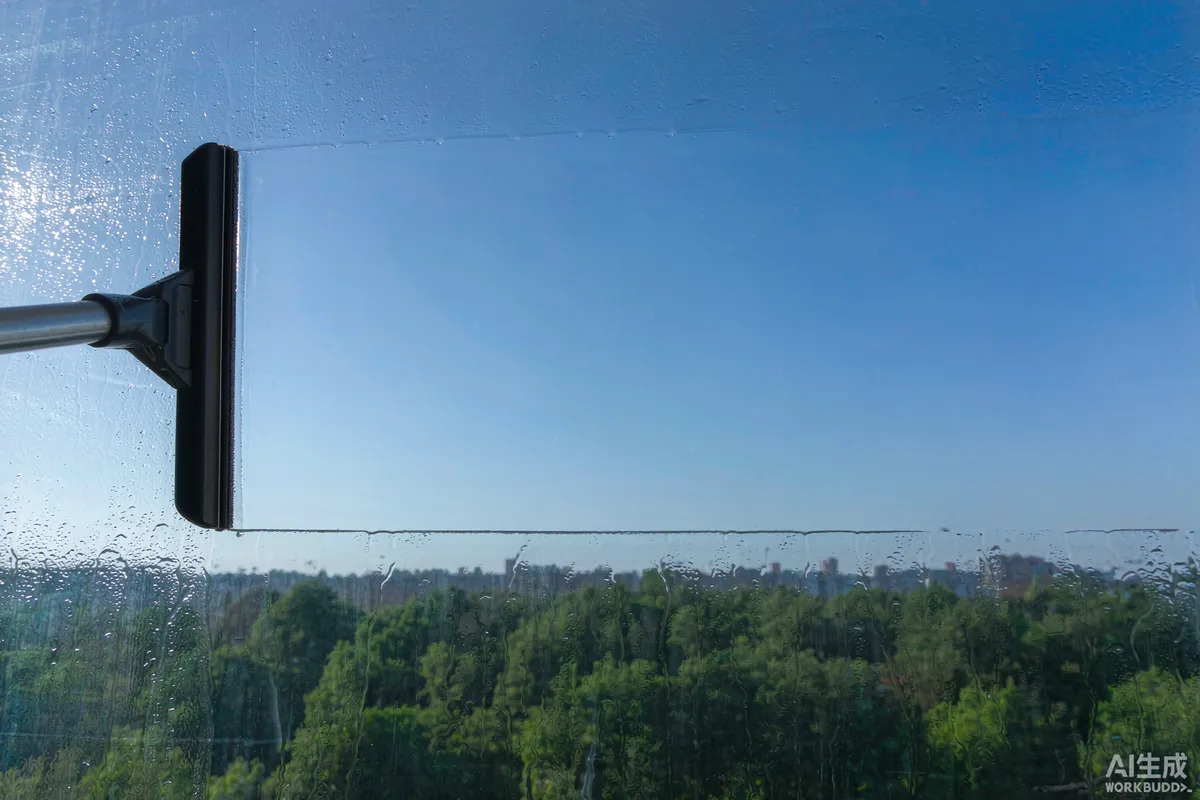
Almost every complaint about exterior glass comes down to one of four causes, none of which is solved by cleaning more often with the same method.
- Mineral residue. Water drying on the panel leaves deposits. Pure or deionised water, used for a final rinse, removes the cause rather than the symptom.
- A worn blade. A squeegee rubber that has nicked or hardened will streak every time. Blades are consumable and cheap.
- Cleaning in direct sun. Product and water dry before they can be removed, leaving exactly the marks you were trying to remove.
- Product build-up. Repeated use of a soapy cleaner without a clean rinse leaves a film that attracts dirt and shows in low sun.
Work in shade or overcast conditions where you can, and always finish with a rinse of clean water rather than leaving whatever was used on the surface.
Products and Coatings: Ask First
Glazing frequently carries a coating - for solar control, low emissivity, or easy cleaning - and some coatings are damaged by aggressive products or abrasive tools.
- Confirm with the supplier what coating the glass carries and what cleaning it tolerates.
- Avoid abrasive pads, scrapers and anything designed for ceramic hobs on coated surfaces unless the manufacturer permits it.
- Keep cleaner off the frames and seals where possible; many frame finishes and gaskets do not tolerate the same chemistry as glass.
- Test anything new on a small, inconspicuous area first and check the result in low sun a day later.
- Never use anything that could scratch - a scratch is permanent and far more visible than a streak.
How Often Depends on Where You Are
A fixed monthly schedule suits almost nobody. Frequency should follow what actually lands on the glass.
| Environment | What accumulates | Practical frequency |
|---|---|---|
| Coastal | Salt film, which shows in low sun | Frequent; after onshore storms especially |
| Forest or farmland | Pollen, sap, insect marks | Seasonal peaks in spring and late summer |
| Arid or dusty | Fine dust and sand film | After dust events rather than on a calendar |
| Near a track | Splash and traffic film | More often at lower panels |
| General rural | Rain spots, bird marks | Routine, tied to changeover where possible |
Whatever the environment, clean the panels a guest will look through first - the view side, and the entrance - before the ones that are rarely noticed. Prioritising by what guests see costs nothing and changes how the unit photographs.
Working Safely
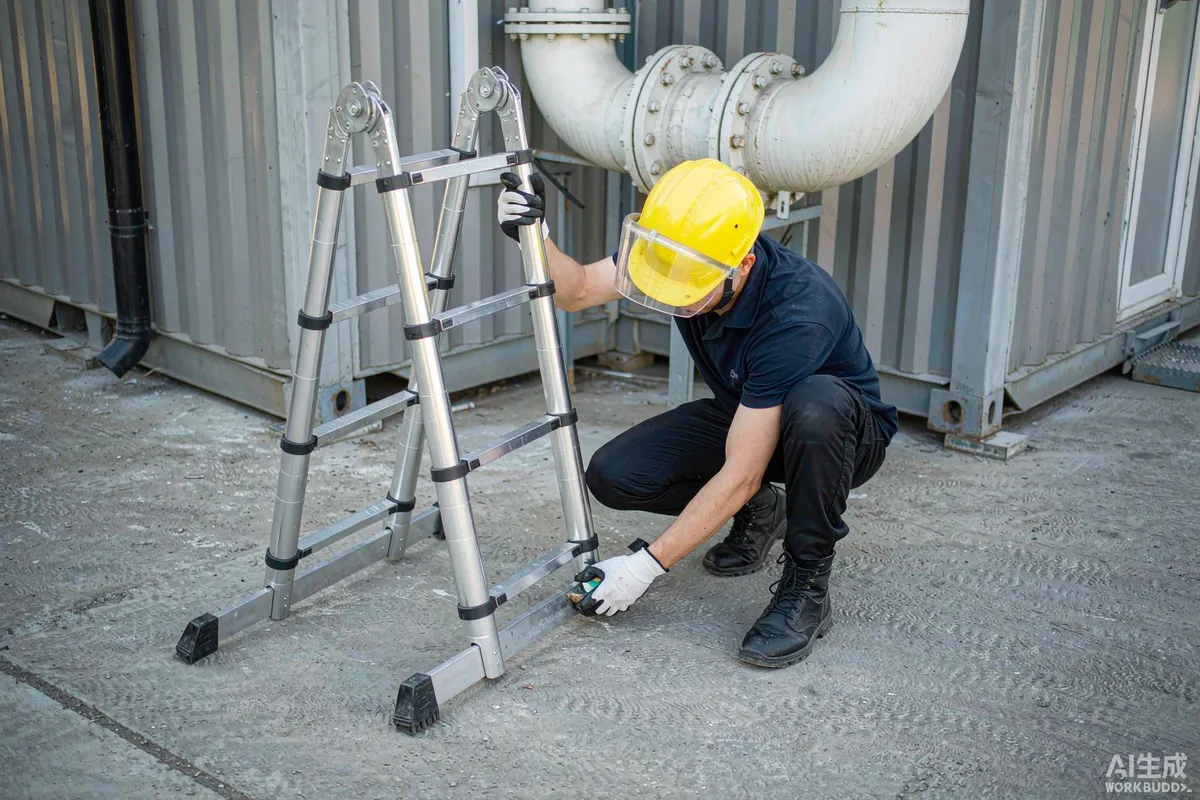
- Prefer ground-based methods and treat any elevation as a decision to justify rather than a default.
- Check the ground. Soft, uneven or sloping ground defeats ladders and towers regardless of the equipment rating.
- Do not work in wind. A pole or a panel becomes a sail, and wind also dries product before it can be rinsed.
- Work with someone whenever leaving the ground; alone is not acceptable for elevated work.
- Check for overhead services before raising anything, and keep a clear exclusion zone below.
- Use equipment as intended - extension ladders are not platforms, and a tower with a missing brace is not a tower.
Where work at height is required and no suitable method exists in-house, bring in a contractor with the equipment and the training. That cost is considerably lower than the alternative, and it also resolves the question of who is responsible if something goes wrong.
Use the Clean as an Inspection
Someone with a pole and a view of the whole envelope is in the best position to spot problems nobody else sees. Give that person a short list.
- Sealant that has cracked, lifted or pulled away at a frame or panel joint.
- Gasket sections that have rolled out of their channel or taken a permanent set.
- Drainage slots in frames that are blocked or painted over.
- Scratches, chips or clouding that were not there last time.
- Water staining below a joint, which indicates a path rather than a splash.
- Panel or fastener movement, corrosion at a fixing, or anything that looks newly misaligned.
Record findings with a photograph and a date. Small exterior faults are far cheaper to deal with early, and a pattern across units usually points at a detailing issue rather than bad luck. Where a unit is under warranty, photographs and dates are considerably more useful to a supplier than a written description.
A Workable Seasonal Rhythm
- Every changeover. Spot clean the entrance and any obvious marks; this protects how the unit greets the next guest.
- Monthly in season. Full exterior clean of the view-facing panels, plus the inspection list.
- After storms and dust events. A short visit rather than a full clean.
- Before the photography. Always, and check the result through a camera rather than by eye - the lens sees streaks the eye does not.
- Before and after a closure. Clean before closing so nothing bakes on during the closed period, and inspect when reopening.
Treated as routine rather than exceptional, exterior glass stops being the thing that makes an otherwise well-kept unit look neglected.
Three Marks That Need Special Treatment
Most cleaning is routine. Three things turn up regularly and each rewards a specific approach rather than more effort.
- Hard water spotting. Mineral deposits left by irrigation overspray or by water running off a nearby surface bond to glass over time. Identify the source as well as treating the mark, or it returns within a week - the usual culprit is a sprinkler head whose arc was never adjusted.
- Tree sap and residue. Common under pines and other resinous species, and it becomes harder to remove as it cures. Soften it rather than scraping it, and consider whether the parking position puts vehicles and glass directly beneath the source.
- Bird marks. These are mildly acidic and etch if left. Deal with them between guests rather than on a schedule, particularly on any horizontal or sheltered ledge above a panel.
In each case the durable fix is usually upstream - adjust the sprinkler, trim the branch, move the parking bay - rather than cleaning more diligently. Worth noting each time it recurs, because repetition is evidence that the site rather than the glass is being treated.
More from the Blog

Capsule Home Cost Guide: What You Really Pay in 2026
EXW, shipping, install and the hidden line items — a transparent breakdown of total landed cost.
Read article →
How to Install a Capsule Home in 3 Days: A Step-by-Step Guide
From site prep to first guest — the exact sequence our install crews follow on every deployment.
Read article →
Real Owners, Real Numbers: Success Stories
How a lakeside resort, a Spanish glamping site and a Singapore dealer hit their targets.
Read stories →Talk to the Factory
Ready to Ride the 2026 Wave?
Get the latest catalog, pricing tiers and a layout sketch for your land — straight from the engineering team.