EV Charging at a Capsule Home Park: What to Plan Before You Break Ground
How to plan EV charging for a capsule home park - how many bays, what power level, where the cabling goes, load management, and why retrofitting costs more than planning early.
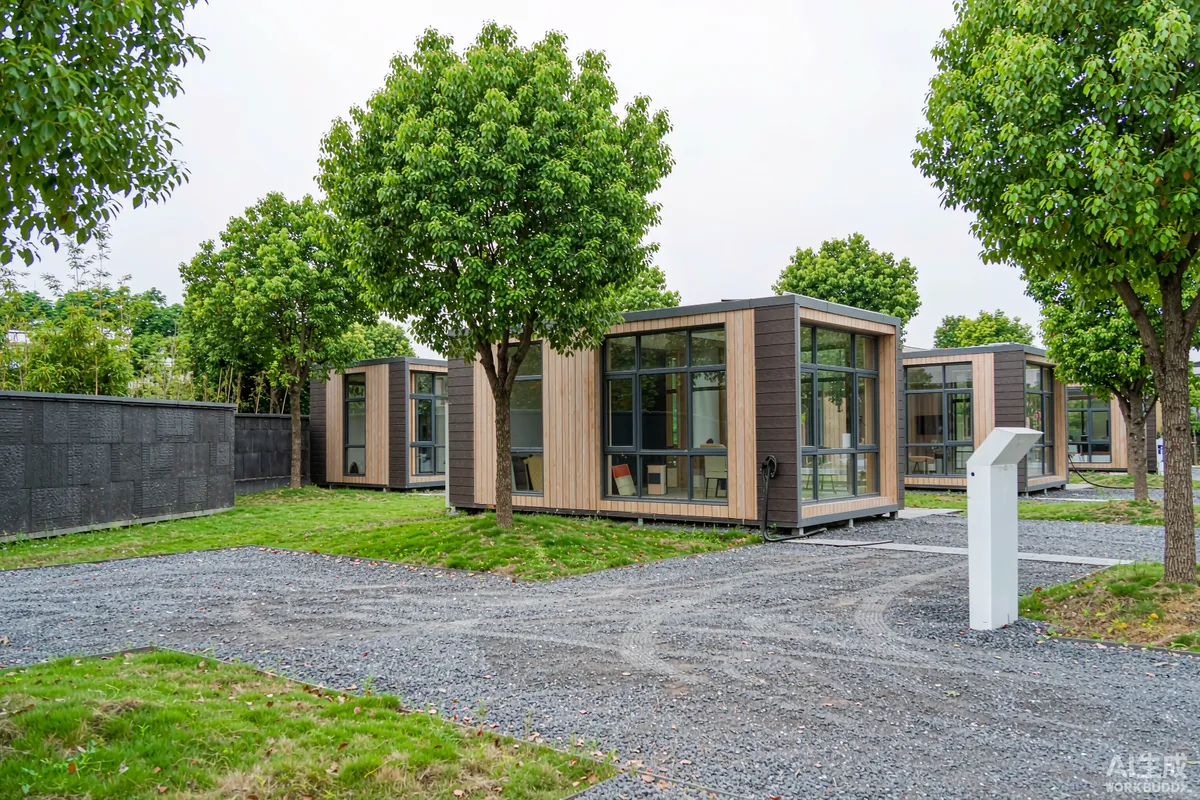
Electric vehicle charging has moved from a novelty to an expectation at many short-stay sites. Guests arriving in an electric car increasingly check whether they can charge before they book, and a park with no provision loses those bookings quietly - you never see them in the enquiry data. The decision is not whether to install something, but what level, how many, and when in the project to do it.
The single most useful piece of advice is unglamorous: run the infrastructure during the main site works, even if you only energise a few bays at the start. Conduit and cable laid while a trench is already open costs a fraction of the same work done later, when it means reopening a finished surface and working around occupied units.
Decide What Level of Charging You Are Offering
Charging is usually discussed in levels, and the level determines the cost, the electrical supply requirement and what it means for the guest.
| Level | Typical use | Guest experience | Site implication |
|---|---|---|---|
| Standard socket outlet | Overnight, low mileage | Slow but adequate for a full night | Simple, but needs a dedicated circuit and suitable protection |
| Dedicated AC charge point | Overnight, most arrivals | Reliable, recognisable, easy to explain | Requires a circuit per bay, possibly load management |
| Higher-power DC charging | Short stays, turnover days | Fast, but rarely needed overnight | Significant supply and cost; usually unjustified for a small park |
For overnight accommodation, slower charging is usually the right answer. A guest parked for ten or twelve hours does not need a rapid charger, and the money is better spent on having more bays that work reliably than on one fast unit that only serves one car at a time.
How Many Bays?
Do not size for today's arrival mix; size for where it is heading, and design the site so you can add bays without digging again.
- Consider a proportion now, capacity for more later. Provisioning a third or a half of bays initially is common, provided the route and spare capacity exist for the rest.
- Oversize the containment. Spare ducting is cheap at construction stage and expensive afterwards.
- Allow space in the distribution board for future circuits.
- Think about where the second phase goes so later units are not placed over your future cable route.
- Watch the incoming supply. The constraint is often the site's main connection rather than anything on the park side.
The incoming supply is the item that catches people out. Adding charging load to a site that was already sized tightly may require an upgrade from the utility, and that has its own lead time. Establish the available capacity before you promise bays.
Where the Cabling Goes
Charging infrastructure is mostly civils work. The charge point is the visible part; the trench, ducting and base are the project.
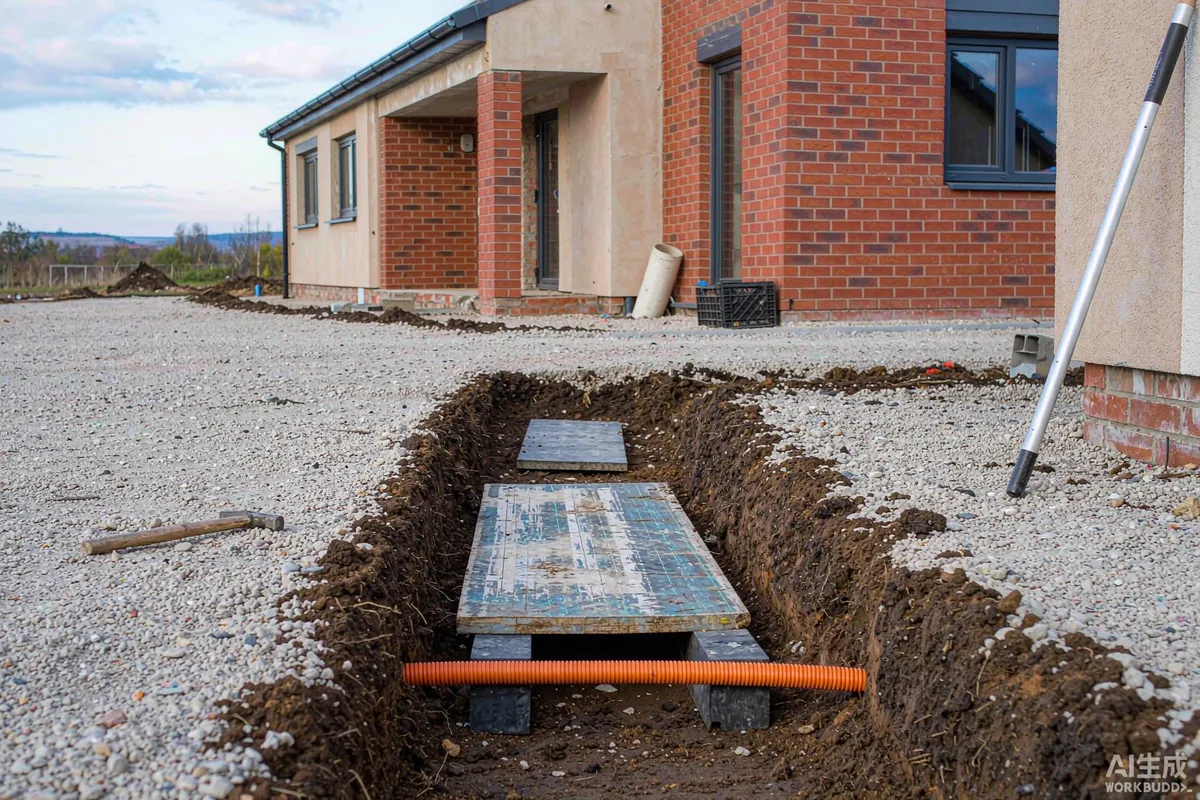
- Route first, product second. A short, straight route with an easy crossing beats a better unit in a worse place.
- Avoid running under finished surfaces you would not want to reopen.
- Separate from water and drainage where required, with sensible clearance.
- Plan for vehicle overrun - any ground-level element needs to survive being driven over.
- Record the route with photographs and a simple drawing before backfilling.
- Allow for drainage so the base does not sit in water.
Photographing routes before backfill is the least glamorous and most valuable thirty minutes of the whole job. It prevents damage during every future excavation and saves arguments later.
Load Management
If several bays share a limited supply, load management is what stops the main breaker from tripping when four cars plug in at six in the evening. It is worth understanding the options before buying anything.
- Static allocation - each bay gets a fixed allowance. Simple, predictable, sometimes wasteful.
- Dynamic load management - available capacity is shared between active bays and adjusted as demand changes.
- Site-wide prioritisation - accommodation load takes precedence, charging is reduced when the park is at peak demand.
- Scheduling - charging begins in off-peak hours where the tariff structure rewards it.
Ask any supplier how their system behaves when the site is at full electrical load and every bay is occupied. The answer tells you whether the design will hold up on a busy winter evening.
Metering, Payment and Guest Access
Operators generally land on one of three arrangements, and each has a different administrative burden.
- Included in the stay. Simplest for guests, but usage is unmanaged and you carry the cost.
- Metered and billed. Fair, but requires administration, a meter and a process for disputes.
- Guest's own account or app. Lower administrative burden, but depends on the guest having the right app, coverage and account.
Whichever you choose, make the instruction part of the pre-arrival message and the welcome folder. A guest who cannot work out how to pay will either leave the bay occupied, or leave a review about it.
Placement and Bay Design
Charging bays are parking spaces first. A beautifully specified charge point in an awkward bay will be avoided.
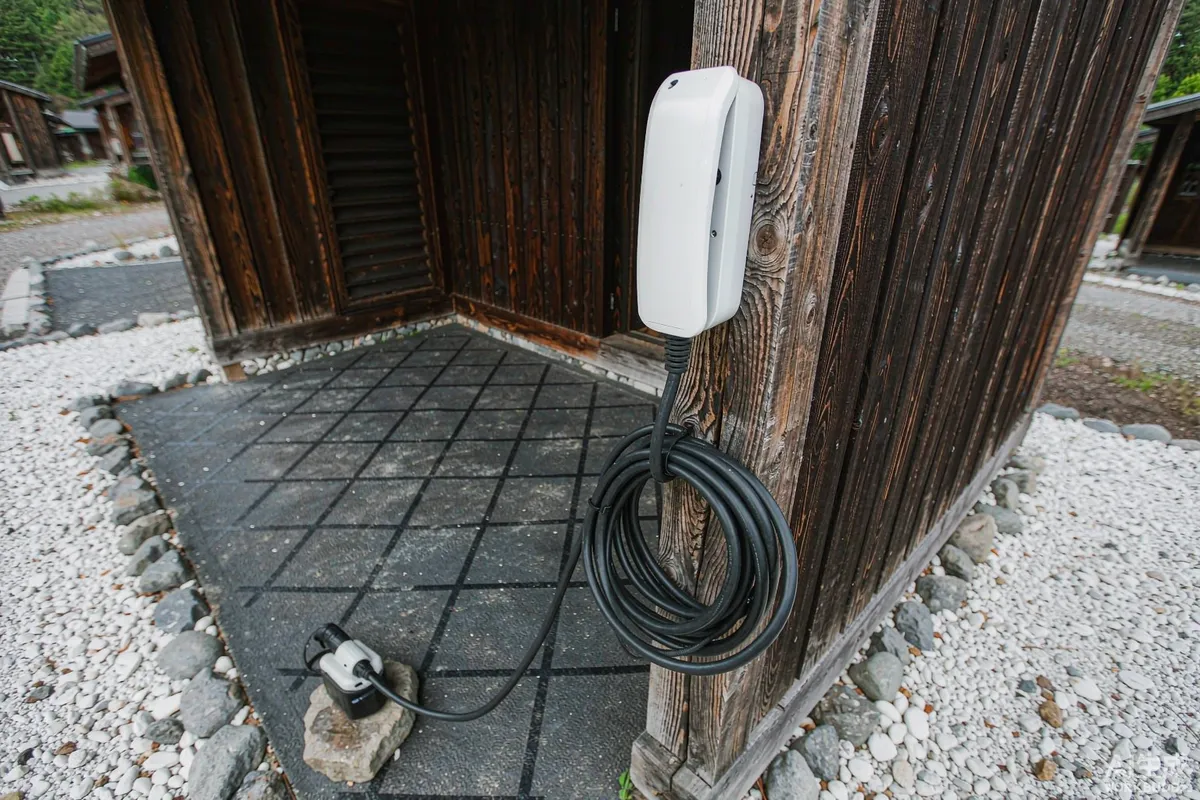
- Cable reach matters. Place the unit so the cable reaches a charge port on either side without crossing a walkway.
- Keep cables off pedestrian routes - a taut cable across a path is a trip hazard and a common complaint.
- Provide lighting so the connector and any control can be seen at night.
- Protect the unit from vehicle contact with a bollard, kerb or sensible setback.
- Consider accessibility - bay size, surface and reach for a wheelchair user.
- Provide cable management so connectors are not left lying in gravel or mud.
- Think about turnover - a charging bay occupied by a fully charged car is a bay you cannot offer.
Retrofitting: What It Really Involves
Adding charging to a finished park is entirely possible, but the cost profile is different. The visible work is the same; the invisible work is what costs more.
- Surfaces have to be reopened and made good - and a patched gravel path never quite matches.
- Work happens around occupied units, with noise, access restrictions and guest disruption.
- The incoming supply may need upgrading, which is independent of how new the park is.
- Distribution board space is often gone, meaning a new board or sub-main.
- Route options are constrained by what you have already built.
This is why the recommendation is consistent: put in containment and spare capacity during construction, even if the charge points themselves come later.
Requirements, Safety and Standards
Charging installations are electrical work in an outdoor, vehicle-adjacent environment, and should be treated as such. Requirements covering circuit protection, connector types, protective devices, signage, accessible bays and inspection intervals vary considerably between markets and between types of site.
Use a qualified electrician, follow the manufacturer's installation instructions, and confirm what applies locally before specifying equipment. Requirements may vary by application, market and applicable standard.
A Planning Checklist
- Decide the charging level appropriate to overnight stays.
- Estimate how many bays now, and how many you want capacity for later.
- Check the incoming supply capacity before committing to a number.
- Design cable routes and containment during the main site works.
- Leave spare ducting, board space and distribution capacity.
- Choose a metering and payment model you can administer.
- Design the bay: cable reach, lighting, protection, accessibility.
- Photograph and record all routes before backfilling.
- Instruct the guest in advance, in the welcome folder and on site.
- Confirm applicable requirements with a qualified installer and the local authority.
EV provision is one of those items that is easy to defer and uncomfortable to add later. Decide the number, run the containment while the ground is open, and the rest becomes a purchasing decision you can make whenever you like.
More from the Blog

Capsule Home Cost Guide: What You Really Pay in 2026
EXW, shipping, install and the hidden line items — a transparent breakdown of total landed cost.
Read article →
How to Install a Capsule Home in 3 Days: A Step-by-Step Guide
From site prep to first guest — the exact sequence our install crews follow on every deployment.
Read article →
Real Owners, Real Numbers: Success Stories
How a lakeside resort, a Spanish glamping site and a Singapore dealer hit their targets.
Read stories →Talk to the Factory
Ready to Ride the 2026 Wave?
Get the latest catalog, pricing tiers and a layout sketch for your land — straight from the engineering team.