Planning a Capsule Home Display Unit That Sells the Product
A display unit is the most effective sales tool a capsule home dealer has. Here is how to choose, site, service and stage one properly.
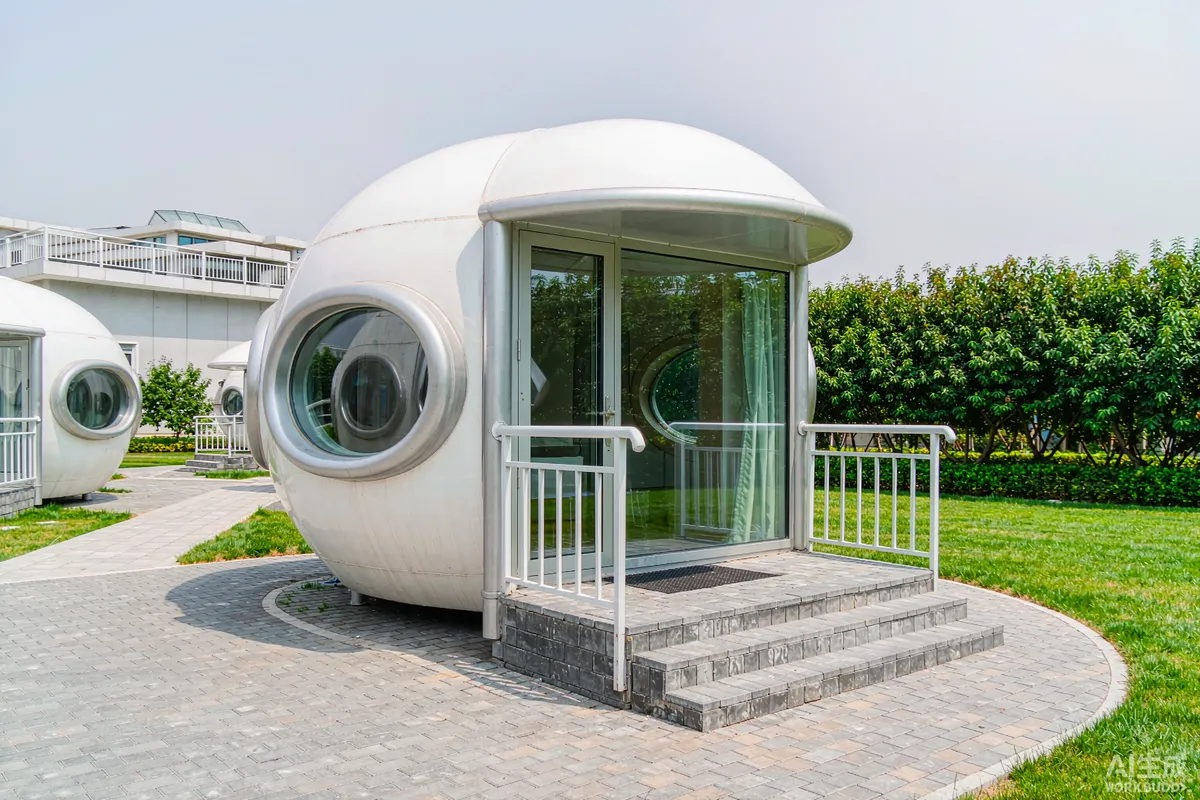
Photographs and drawings take an enquiry so far, and then the conversation stops. Buyers want to stand inside the unit, open the door, run a hand along the finish and see how the glazing actually frames a view. A display unit resolves in one visit the objections that take weeks to resolve on paper. For a dealer or developer, it is usually the highest-return unit on the lot - not because it sells itself, but because it sells every other unit.
The Short Answer
Choose the model most of your market actually buys rather than the largest one, site it so visitors can walk up to it naturally and see it in context, connect it to real services so everything works during a visit, stage it as someone would live in it rather than as a showroom, and give visitors a short, guided route through the space. Add one clear place to sit and talk. That is the whole formula.
Choosing the Model
The temptation is to display the biggest, most impressive unit. The better choice is usually the one that matches the most common enquiry, for three reasons: visitors can picture themselves in it, the price conversation starts realistically, and the unit is directly relevant to the majority of leads.
- Match the enquiry pattern. If most enquiries are for a mid-size unit, display that.
- Show the platform, not just one model. Where several footprints share a component set, a single display unit can still demonstrate the whole range honestly.
- Consider a second unit later. A compact unit beside a larger one lets visitors compare without travelling.
- Choose a specification you can repeat. Everything a visitor sees should be orderable.
- Avoid one-off customisation in a display unit. Anything bespoke creates an expectation you cannot fulfil at scale.
Haishu's Galactic A Series is built on one platform with A30, A50 and A70 footprints, which is useful here: a single display unit demonstrates the shared construction, glazing and finish quality that the rest of the range inherits.
Siting and Groundworks
A display unit is a permanent installation even though the product is relocatable, and it deserves permanent preparation.
- Level, stable ground with a proper foundation, not a temporary standing.
- A real approach: a path, steps or a small deck that visitors use comfortably in wet weather.
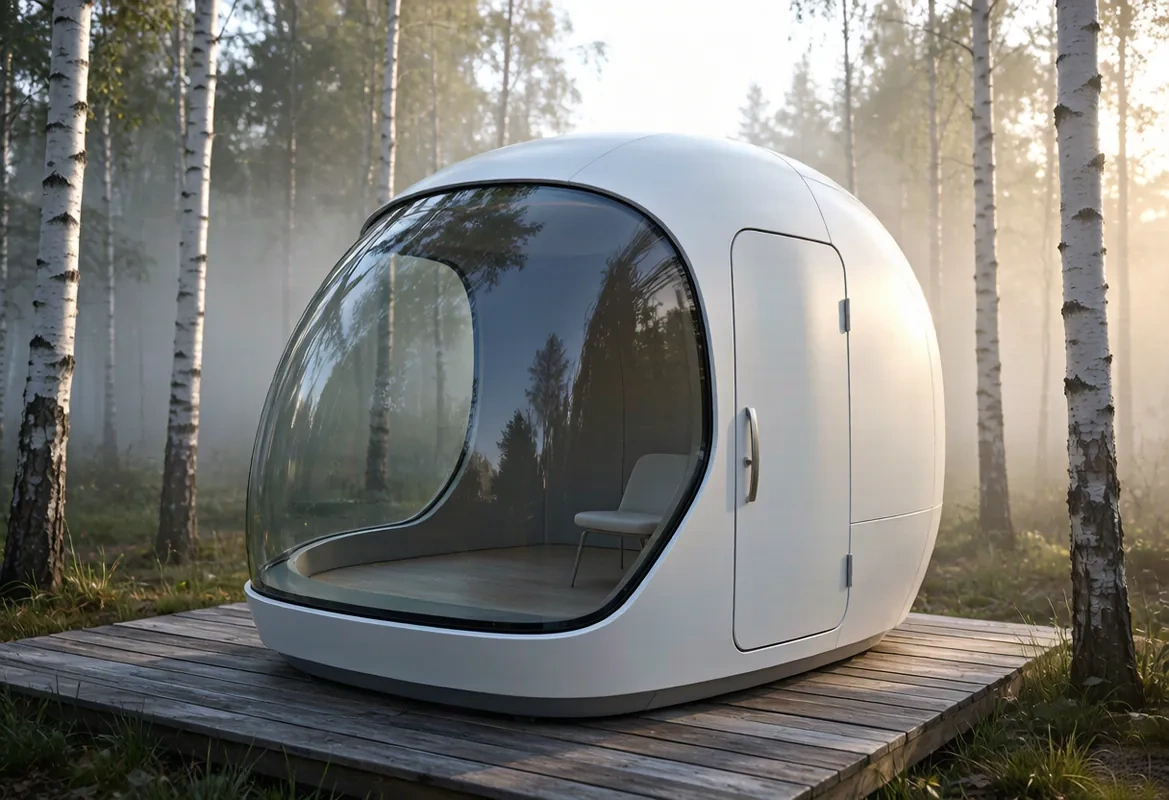
- Orientation. Put the glazing towards the best available view or the most attractive aspect of the site.
- Context. A unit standing on bare gravel tells a different story from one with planting, lighting and a defined outdoor area.
- Access for delivery and future replacement. The unit will eventually be sold or moved; plan the crane route now.
- Drainage and services that suit a permanent installation rather than a temporary one.
Connect It Properly
A display unit that is not connected is a shell, and visitors notice immediately. Everything should work during a visit.
- Power sufficient to run lighting, heating, cooling, appliances and any screens.
- Water and drainage connected, so taps run and the bathroom is demonstrably functional.
- Heating and cooling running at a comfortable setting, whatever the season.
- Lighting at a level that shows the interior properly - dim interiors read as small.
- Connectivity for any demonstration of controls or remote monitoring.
- Compliance. A permanently installed unit may attract requirements that a temporary one does not. Requirements may vary by application, market and applicable standard - confirm locally before installing.
Staging: Lived In, Not Showroom
The most common staging mistake is to leave the unit empty and clinical, which makes a compact space feel smaller rather than larger. The second is to overfill it, which proves nothing about storage.
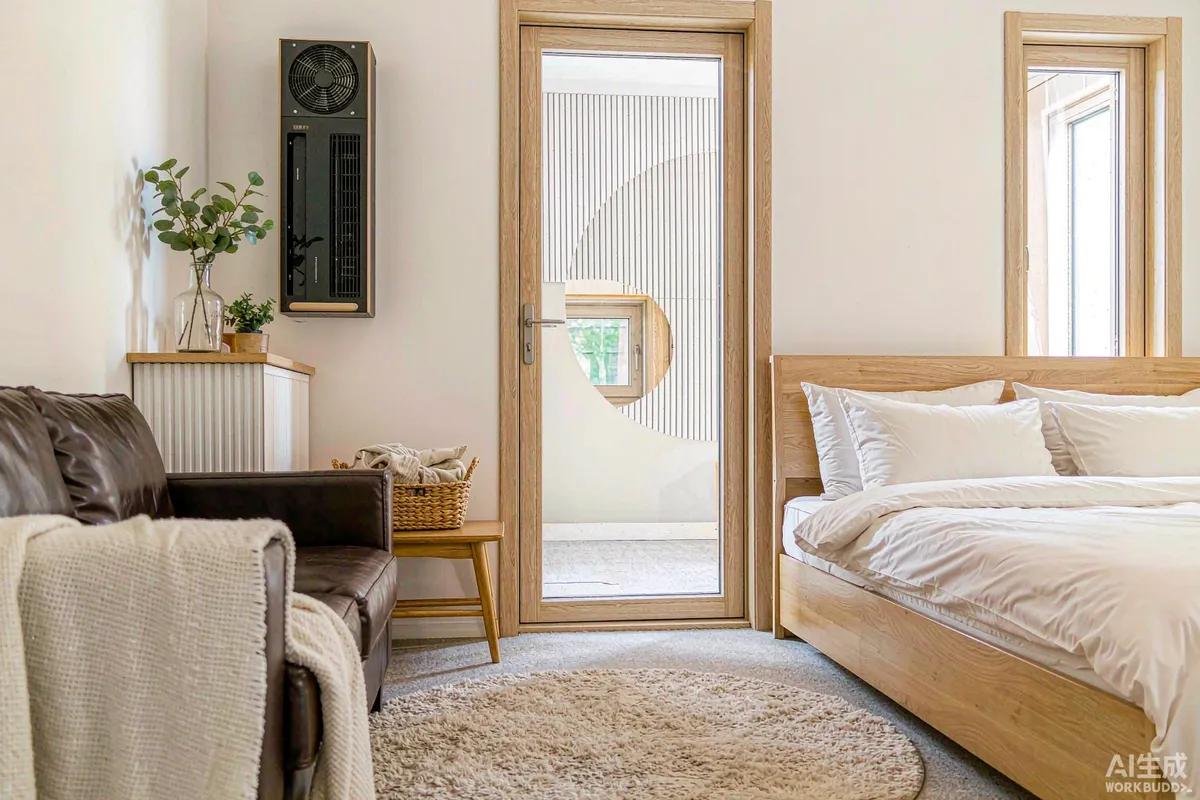
- Furnish at the intended occupancy. If the model sleeps two, stage it for two.
- Show the storage working: cabinets closed, drawers shut, everything in its place.
- Use neutral, quality soft goods. Loud styling dates quickly and distracts from the product.
- Include a few honest details - a book, a mug, a folded blanket - which signal that people live here.
- Keep surfaces clear. Clutter is the enemy of a compact interior.
- Dress the glazing. Whatever is outside the glass becomes part of the interior.
- Leave one thing to open. A door, a cabinet or a terrace that visitors can operate is worth more than any explanation.
The Visit Route
Visitors rarely know what to look at in a compact unit, and an unguided visit lasts three minutes. A short route fixes that.
- Approach from the best angle, so the first view is the one you would photograph.
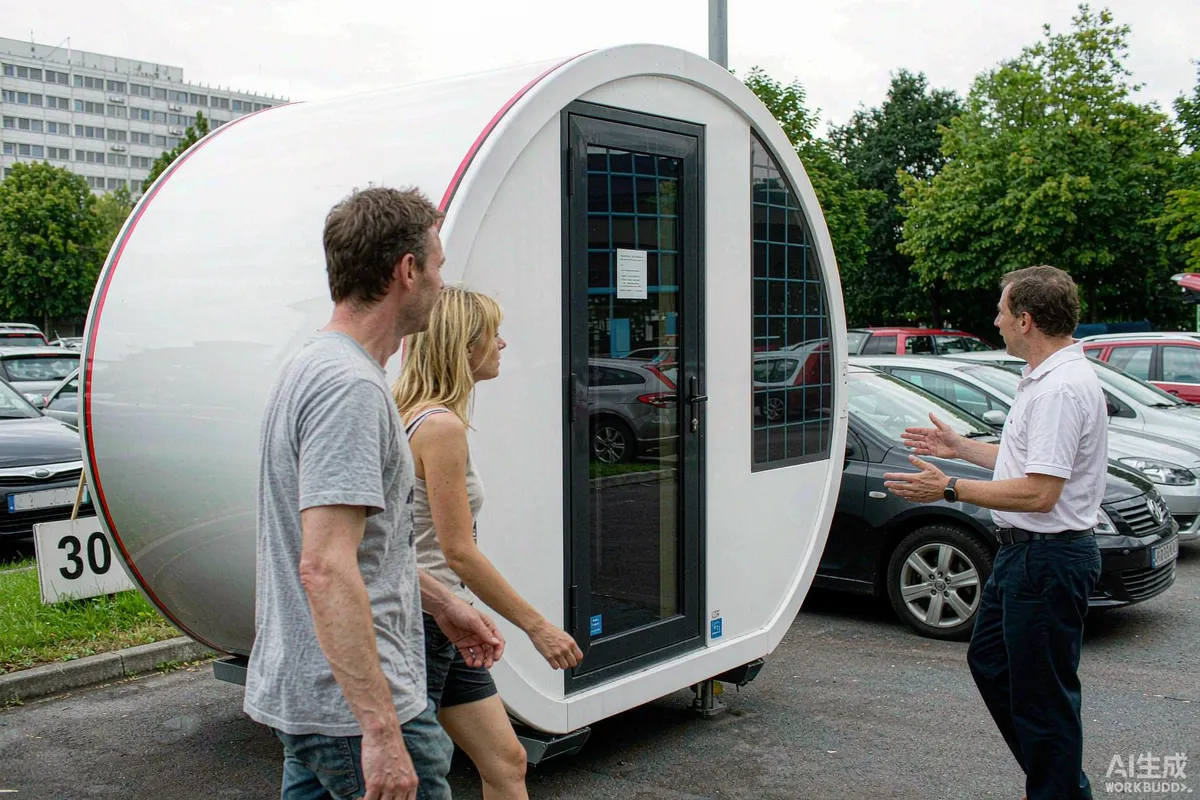
- Stop outside and talk about the envelope, the glazing and how the unit arrived and was placed.
- Enter and stand still for a moment - let the space register before explaining anything.
- Move to the glazing and the view, which is usually the emotional decision point.
- Show the kitchen and bathroom as working spaces, opening something in each.
- Demonstrate the controls - lighting, heating, ventilation - briefly.
- Finish outside on the deck or terrace with the seating, and talk there.
Practicalities That Decide Whether It Works
- Opening arrangements. An unstaffed display unit needs controlled access and a clear way to book a visit.
- Security. Lighting, locks and any monitoring appropriate to the site.
- Cleaning and upkeep. A display unit shows every fingerprint; schedule it like a showroom.
- Seasonal comfort. A cold or stuffy unit ends the visit early - run the services before visitors arrive.
- Condensation. A unit shown in cold weather needs ventilation managed, or the glazing fogs during the visit.
- Insurance and signage. Check what a permanently sited display unit requires locally.
- Rotation. Eventually, sell it. A display unit that is sold and replaced demonstrates that the product moves.
What to Show About the Product Itself
A display visit is the one moment when a buyer can see the things that are invisible in a brochure, and on a factory-built product those are the things that close the sale.
- Finish quality at close range: joints, edges, seals and how the panels meet.
- Glazing: how it opens, how it seals, and how it frames the view.
- Storage actually working - open a cabinet during the visit rather than describing it.
- The services in operation: run a tap, switch the heating, open a vent.
- The base and underside where they can be seen, which answers the question buyers rarely ask out loud.
- How the unit arrived. Explain the transport and placement; it is one of the strongest arguments for this building type and one of the least understood.
- Documentation. Have the specification and manual to hand. A buyer who sees them believes the product is supportable.
What to Measure
A display unit is an investment, and it should be reviewed like one.
- Visits per month, and how they were sourced.
- Conversion from visit to quote, and from quote to order.
- Which features visitors ask about most - a signal for marketing emphasis.
- Which objections come up repeatedly - a signal for the sales conversation.
- Whether visitors buy the displayed model or another, which tells you whether the choice was right.
The Takeaway
Display the model your market actually buys, site it permanently and in context, connect everything, stage it quietly as a lived-in space, and walk visitors through a short route that ends somewhere comfortable to talk. Maintain it like a showroom and review it like an investment. Done that way, one unit on the lot does the work that no brochure can.
More from the Blog
Capsule Home Cost Guide: What You Really Pay in 2026
EXW, shipping, install and the hidden line items — a transparent breakdown of total landed cost.
Read article →
How to Install a Capsule Home in 3 Days: A Step-by-Step Guide
From site prep to first guest — the exact sequence our install crews follow on every deployment.
Read article →
Real Owners, Real Numbers: Success Stories
How a lakeside resort, a Spanish glamping site and a Singapore dealer hit their targets.
Read stories →Talk to the Factory
Ready to Ride the 2026 Wave?
Get the latest catalog, pricing tiers and a layout sketch for your land — straight from the engineering team.