How to Become a Capsule Home Dealer: What Support to Look For
Evaluating a capsule home dealership? Here is the support, margin structure and training to check before signing a territory agreement.

A capsule home dealership can be a strong business, but the value is in the support behind the product rather than in the product alone. Before signing a territory agreement, work through what you are actually buying: exclusivity, margin, training, parts supply and how problems get resolved after the sale.
What a Dealership Actually Is
In this sector a dealer typically sells units into a defined territory, holds or displays stock, handles local delivery and installation coordination, and provides first-line service. The manufacturer supplies the units, technical documentation, training and warranty support. The balance of those responsibilities varies widely between programmes.
Territory and Exclusivity
Exclusivity is the most valuable term in most agreements and the one to read most carefully. Ask what territory is covered, whether exclusivity is conditional on meeting sales targets, and what happens if targets are missed. Unconditional exclusivity is rare; understand the conditions before you rely on it.
Margin Structure
Dealer margin is usually a discount off list price, sometimes tiered by volume. What matters is the margin after your real costs: holding stock, local delivery, installation support, warranty labour and marketing. A healthy headline discount can disappear once you carry inventory and service obligations.
Training and Documentation
Your team will be asked technical questions about structure, insulation, glazing, services and installation. A credible programme provides real training, not just a brochure: installation training for your crews, service training, and documented specifications you can hand to customers and authorities.

Spare Parts and Warranty
Ask how warranty claims are handled and who pays for labour. Then ask about parts: what is stocked, where, and what the lead time is for non-stocked items. A unit waiting on a part is a dissatisfied customer, and in a rental context it is also lost revenue.
Marketing and Lead Support
Manufacturers differ sharply here. Some provide photography, specification sheets, renderings and lead referral; others provide nothing. Ask specifically whether enquiries originating in your territory are passed to you, and what marketing material is supplied and in what languages.
Due Diligence Checklist
- Territory definition and the conditions attached to exclusivity.
- Margin tiers and whether a minimum advertised price applies.
- Direct sales policy - does the manufacturer sell into your territory?
- Installation and service training for your crews.
- Warranty process and who funds warranty labour.
- Parts availability and lead times.
- Marketing assets and lead referral practice.
- Display unit support - cost, terms and whether it is discounted.
- Exit terms if the arrangement does not work out.
Validate With Existing Dealers
Ask to speak to dealers already in the programme, ideally in a market similar to yours. Ask about lead times, how warranty claims were actually handled, and whether the territory terms have held up in practice. Their answers will tell you more than the agreement document.
Start Before You Scale
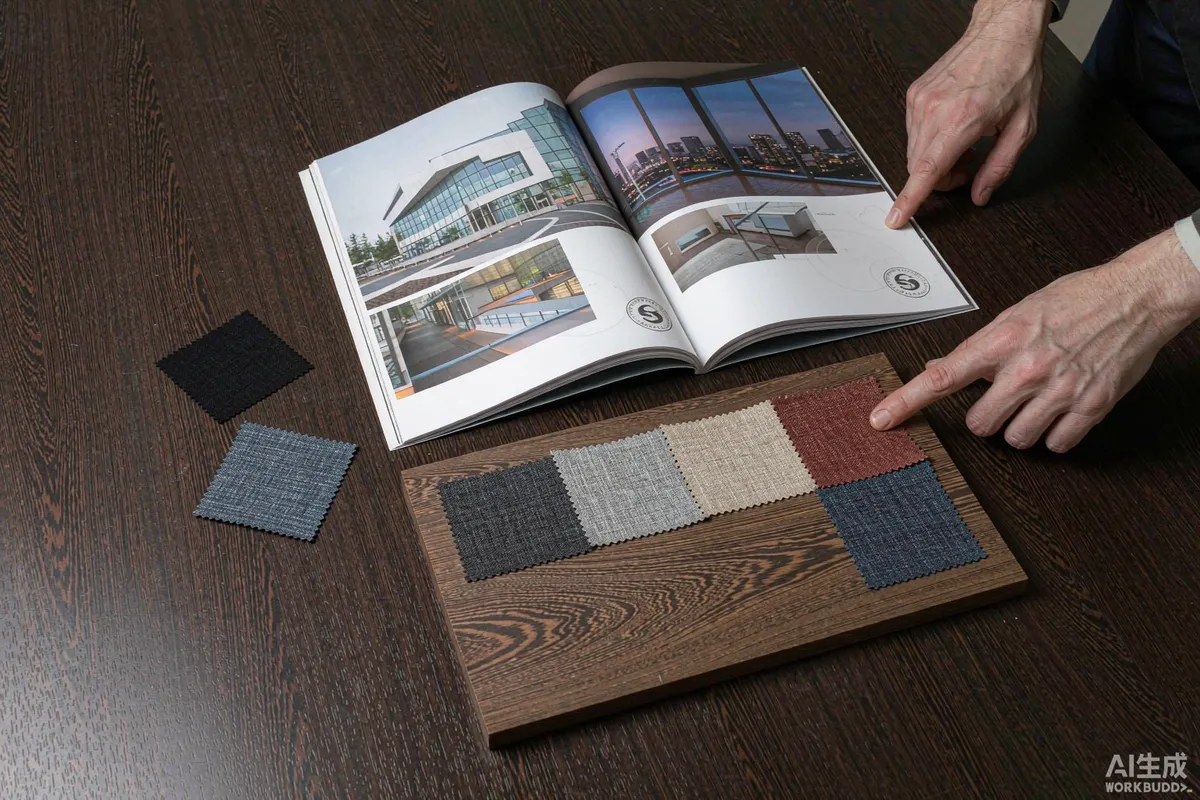
Consider starting with a display unit and a small initial order rather than committing to a large stock position. That lets you test real demand, learn the installation and service workflow, and build a reference project before scaling. Requirements may vary by application, market and applicable standard.
More from the Blog

Capsule Home Cost Guide: What You Really Pay in 2026
EXW, shipping, install and the hidden line items — a transparent breakdown of total landed cost.
Read article →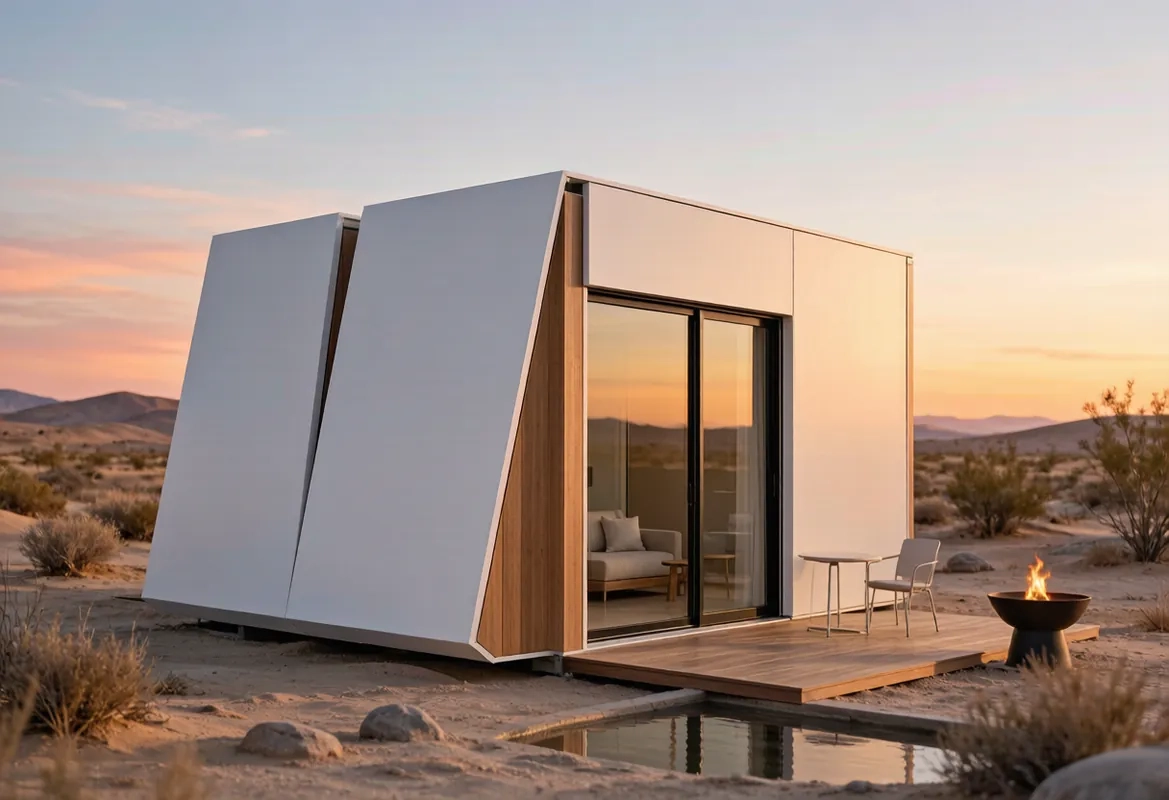
How to Install a Capsule Home in 3 Days: A Step-by-Step Guide
From site prep to first guest — the exact sequence our install crews follow on every deployment.
Read article →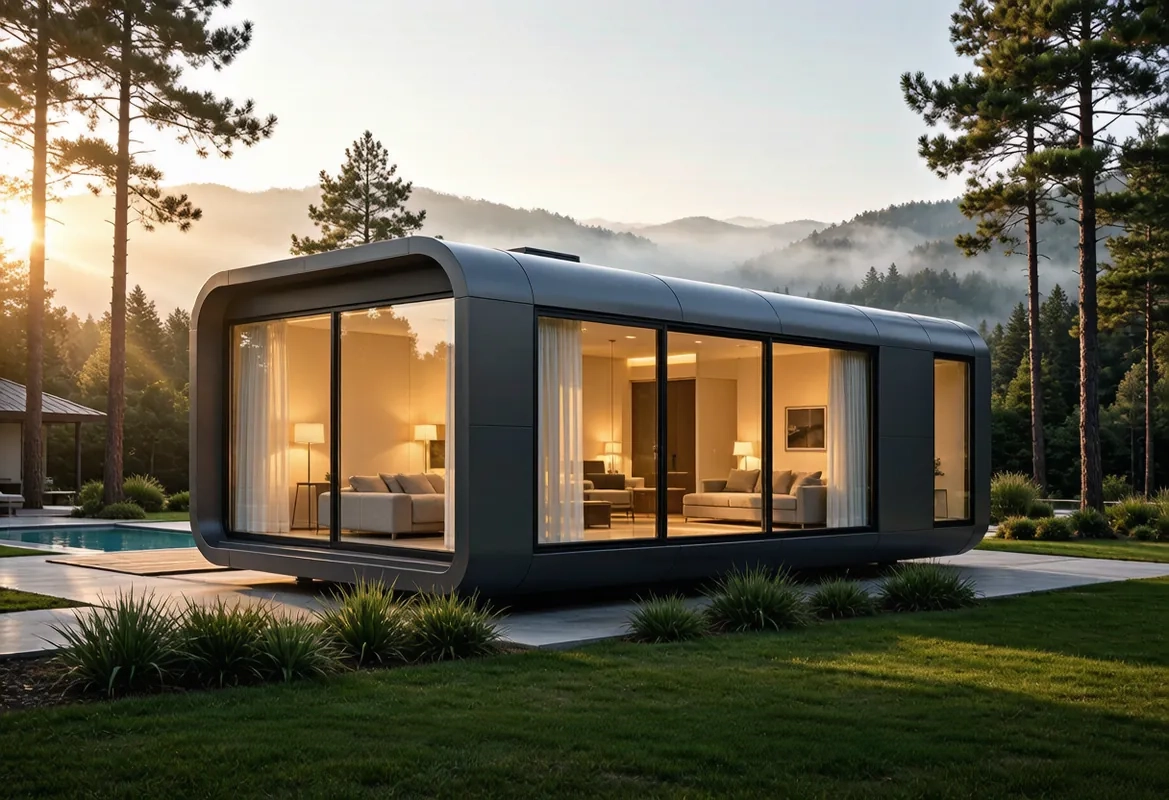
Real Owners, Real Numbers: Success Stories
How a lakeside resort, a Spanish glamping site and a Singapore dealer hit their targets.
Read stories →Talk to the Factory
Ready to Ride the 2026 Wave?
Get the latest catalog, pricing tiers and a layout sketch for your land — straight from the engineering team.