Dark-Sky and Astro-Tourism: A Niche Fit for Capsule Homes
Why dark-sky destinations are a natural fit for capsule home accommodation - glazing, remote siting, low-impact operation, and what operators need to plan for.
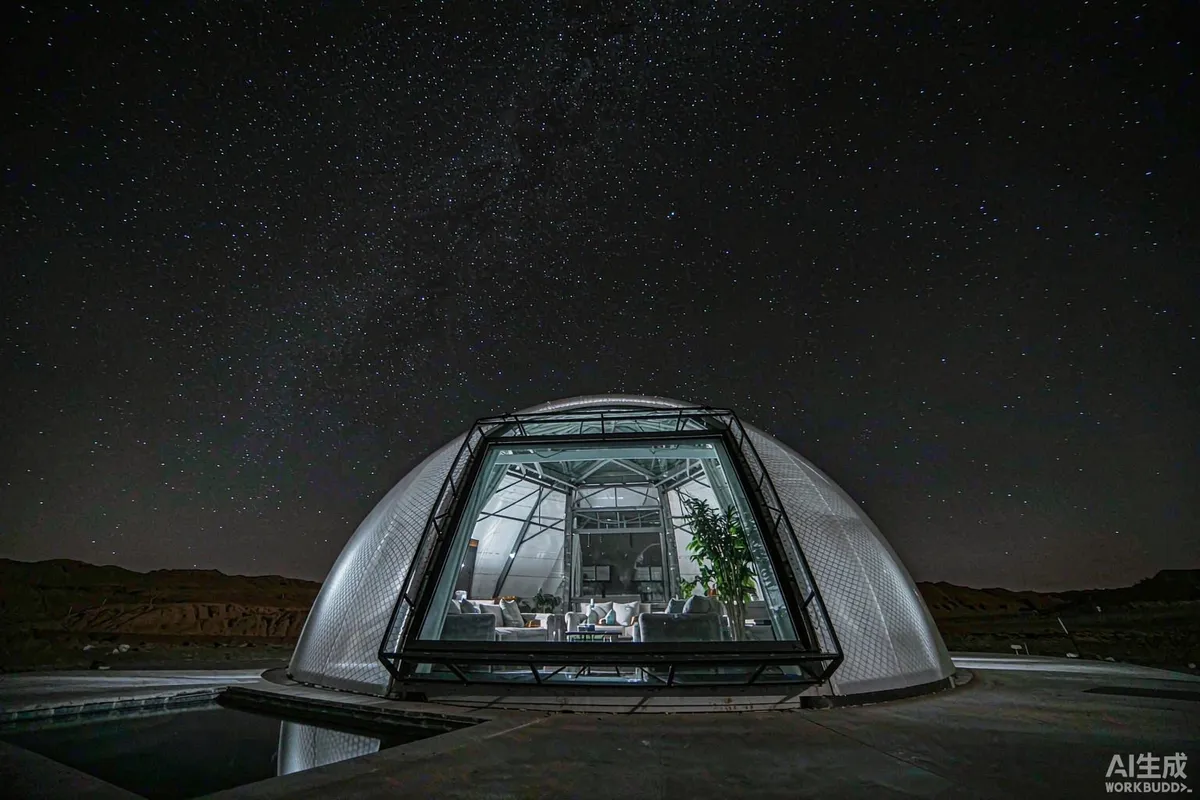
Interest in dark-sky travel has been building for several years, driven by the simple fact that genuinely dark places are becoming rarer and more valued. For accommodation operators, the appeal is straightforward: guests travelling for the night sky stay longer, travel further, and are less price-sensitive than the average weekend booking. Capsule homes fit this niche unusually well because of three properties they already have - large glazing oriented at the view, the ability to operate on remote sites, and a compact footprint that keeps light and land disturbance low. None of that happens automatically, though. A dark-sky concept succeeds or fails on lighting discipline and on planning for remoteness.
Why the Match Works
The overlap between what dark-sky visitors want and what a capsule home offers is closer than for most accommodation types.
- Glazing is the product. Panoramic panels and skylights turn the sky into the main feature without adding anything to the unit.
- Remote siting is feasible. Factory-built units delivered to prepared supports suit sites that would be expensive to build on conventionally.
- Low impact is inherent. A small footprint and a compact service requirement disturb less ground and less habitat.
- The arrival experience is memorable. A well-lit, well-sited unit against a dark sky photographs differently from a conventional cabin, and that image drives direct bookings.
- Off-grid capability aligns. Dark skies are, by definition, far from development - which is also where grid connection is weakest.
The commercial logic is strongest where the sky is the reason for the trip rather than an amenity. That distinction should shape everything from the listing copy to the furniture layout.
Lighting Discipline Is the Whole Product
A dark-sky operation is judged on its lighting. It is also the area where most concepts quietly fail, because the lighting that makes a site safe and attractive is exactly the lighting that destroys the experience.
| Lighting element | Common mistake | What works better |
|---|---|---|
| Pathway lighting | Bright, upward-spreading bollards along every route | Low-output, downward-shielded fittings, spaced, on a short route network |
| Unit exterior | Decorative up-lighting on the facade | Minimal, shielded, warm-coloured light at the entrance only |
| Interior spill | Full interior lighting with no window covering, visible for miles | Zoned interior lighting and the ability to close off the glazed side |
| Signage | Illuminated signs left on all night | Unlit or very low-output signage, or a switch-off after check-in |
| Vehicle routes | Headlights sweeping across the site on arrival | A defined approach, low speed, and parking oriented away from units |
| Controls | Manual switches that guests leave on | A simple, clearly labelled way to turn non-essential lighting off |
Warm colour temperature, shielding and low mounting height are the three recurring themes. Getting them right requires deciding, early, that the site will look under-lit by conventional standards - which is precisely the point. Where a site sits near an observatory or within a designated dark-sky area, there may be specific expectations or commitments attached to the location; confirm these before finalising any lighting design. Requirements may vary by application, market and applicable standard.
Designing the Unit Around the Sky
Small specification choices make the difference between a unit with a nice view and a unit designed for this market.
- Orient the glazing at the darkest horizon, not necessarily at the daytime view - they are often the same, but not always.
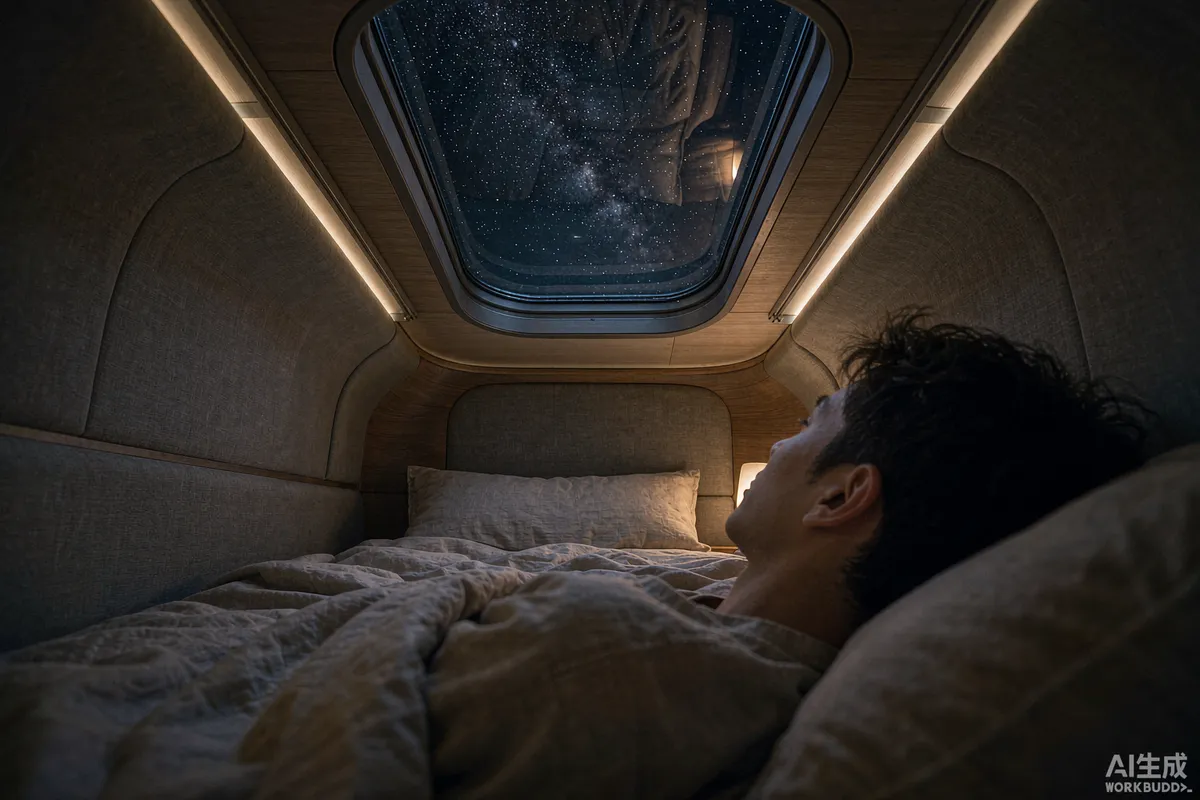
- Consider a skylight over the bed, which lets a guest view without leaving the unit and works in cold weather.
- Provide effective window coverings so that sleep is possible in summer when darkness is short.
- Keep interior lighting dimmable and zoned, so a guest can move around without ending the night.
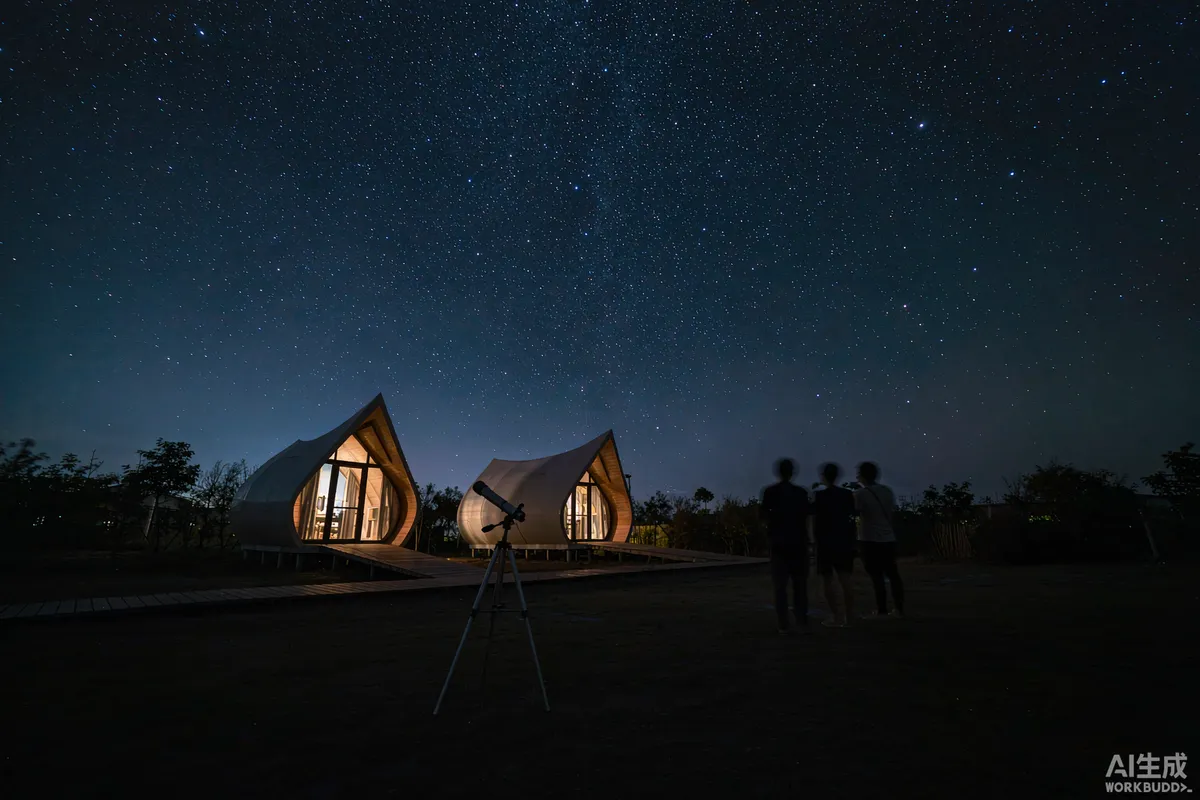
- Plan an outdoor viewing position - a small deck, a level area, or a clear space away from the unit's own light.
- Provide storage for outdoor clothing and equipment, because guests arrive with more of it than usual.
- Think about red-light options for reading outside without affecting night vision, if the concept supports it.
Operating Remotely
Dark sites are remote sites, and remoteness shows up in operations long before it shows up in the booking.
- Access. Approach roads that are acceptable in daylight and dry weather may not be in darkness or winter. Test the route at night before opening.
- Connectivity. Assume it will be weak. Provide clear offline information and confirm what the guest should do if they cannot reach you.
- Power and water. Off-grid or weak-grid sites need the same design discipline as any remote installation, with capacity sized for the stay pattern.
- Arrivals after dark. Most guests will arrive in darkness. Wayfinding, the final approach and the entry sequence need to work without a phone signal or a host present.
- Emergencies. Write down the response plan for the nearest medical facility, and give the guest the same information.
- Staffing. Decide whether anyone is on site overnight, and if not, what the escalation path is.
Seasonality and Weather Risk
The product depends on something the operator cannot control. That needs to be handled in the guest's expectation, not discovered on arrival.
- Be honest in the listing about cloud cover and about the best seasons for viewing.
- Give the unit a second reason to book - landscape, walking, solitude - so a cloudy stay is still a good stay.
- Consider what the experience is in the rainy or overcast season, and whether the rate should reflect it.
- Provide something to do indoors: a small reference book, a plan of the night sky for the month, comfortable seating with a view.
Operators who over-promise clear skies generate the same reviews as any other operator who over-promises. Under-promise and the clear night becomes a bonus rather than an entitlement.
Marketing Without Overclaiming
Dark-sky language is easy to misuse. A site is not automatically a dark-sky destination because it is rural.
- Describe what the guest will actually experience, in specific terms: what is visible, from where, and when.
- Use photographs taken on site at night rather than stock imagery - experienced guests recognise the difference immediately.
- Do not imply designation, certification or partnership that does not exist. Where a formal designation applies, state exactly what it is and who awarded it.
- Name the nearest sources of light pollution honestly if they are visible from the site.
The niche rewards accuracy. Travellers who seek out dark skies tend to research carefully, and they are the most likely segment to notice a claim that does not hold up - and the most likely to say so publicly.
Is It Right for Your Site?
Three questions give a quick answer.
- Is the sky genuinely dark from the unit, and can it stay that way given your own lighting needs?
- Can you operate reliably at that distance, including arrivals after dark and winter access?
- Is there a second reason to visit, so the business is not entirely weather-dependent?
Where all three are yes, the concept is worth building properly. Where one is missing, the same unit will usually perform better marketed on landscape, solitude and design - all of which a capsule home delivers without depending on the weather at all.
More from the Blog

Capsule Home Cost Guide: What You Really Pay in 2026
EXW, shipping, install and the hidden line items — a transparent breakdown of total landed cost.
Read article →
How to Install a Capsule Home in 3 Days: A Step-by-Step Guide
From site prep to first guest — the exact sequence our install crews follow on every deployment.
Read article →
Real Owners, Real Numbers: Success Stories
How a lakeside resort, a Spanish glamping site and a Singapore dealer hit their targets.
Read stories →Talk to the Factory
Ready to Ride the 2026 Wave?
Get the latest catalog, pricing tiers and a layout sketch for your land — straight from the engineering team.