Writing a Cancellation and Weather Policy for a Capsule Home Rental
How to structure a cancellation policy for a capsule rental: refund tiers, defining genuine weather events, operator-caused closures, and applying exceptions consistently under pressure.
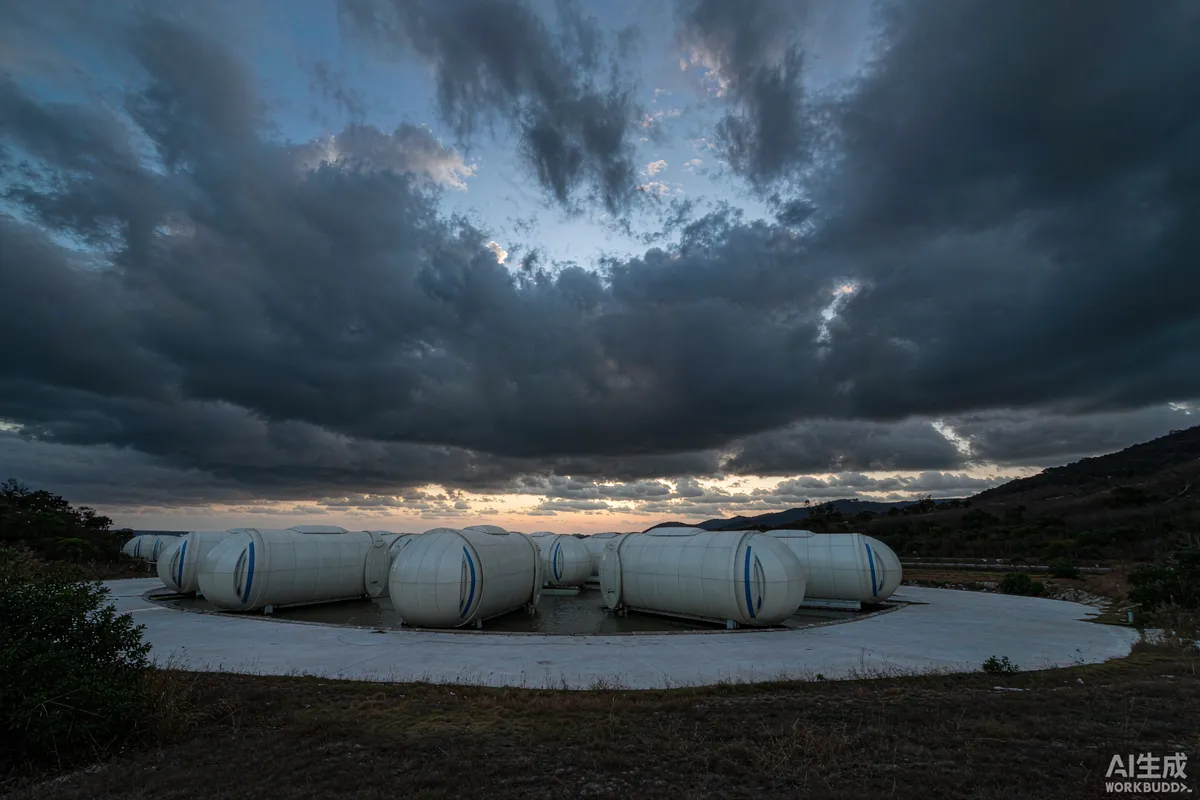
Weather disputes rarely come from the weather. They come from a policy that was never written down, or one that is written so loosely that two people read it differently under pressure. A capsule home rental needs a cancellation policy that answers three questions plainly: what happens if the guest cancels, what happens if the operator cannot provide the unit, and what happens when bad weather makes the stay unpleasant but still possible. Write the answers before the first booking rather than during the first storm. This article describes common policy structure; it is not a statement of legal position, and requirements may vary by application, market and applicable standard.
Separate the Three Scenarios
Most disputes arise because one policy is asked to cover three different situations. They deserve separate clauses.
- Guest-initiated cancellation. The guest decides not to come. Usually a personal reason, sometimes weather they have read about.
- Operator-initiated cancellation. You cannot deliver the unit - damage, a failed system, a site closure, or access made impossible.
- Impaired stay. The guest arrives, but something relevant is unavailable or conditions are worse than expected.
| Scenario | Who bears the loss | Typical remedy |
|---|---|---|
| Guest cancels well ahead | Neither, largely | Full or near-full refund, less unrecoverable costs |
| Guest cancels close to arrival | Shared | Partial refund, since a late slot is unlikely to resell |
| Operator cancels | Operator | Full refund, plus reasonable rebooking assistance |
| Impaired stay | Negotiated | Partial refund or credit proportionate to what was lost |
| Access impossible due to weather | Depends on whose route failed | Refund or rebooking; see below |
Defining Weather Without Arguing About It
"Bad weather" means nothing until you define it, and guests in different climates bring different baselines. Two definitions do most of the work.
- Official trigger. An named event, a published warning from a national meteorological service, or an official road closure notice. Using an external authority removes the argument about whether conditions qualified.
- Access trigger. The route is impassable for a normal vehicle, or the operator has closed the route. This covers snow, flooding and high wind more honestly than a wind speed does.
Avoid tying the policy to specific measurements you would then have to prove. A guest cannot verify your anemometer, and you cannot verify theirs. Point instead at published warnings and at whether a standard vehicle can reach the site.

Choose Tiers, Then Publish Choices Collectively
Most small operators settle on tiers by time remaining before arrival, because it is easy to explain and easy to apply without judgement calls.
- Flexible. Full refund up to a short cutoff, often a few days. Maximises bookings, shifts all the risk to you.
- Moderate. Full refund to a longer cutoff, partial thereafter. The common middle ground.
- Firm. Partial refund only, with a narrow full-refund window. Protects revenue when slots cannot be resold, but suppresses conversion.
Whichever you choose, state it in days rather than hours, in local time, and on the booking page rather than only in the confirmation. A guest who discovers the policy after cancelling has already formed a view about fairness, and that view tends to be written down publicly.
Refund, Credit, or Rebooking
A refund is not the only remedy, and often not the one either side prefers. Offering a choice costs little and resolves disputes faster.
- Refund where the cancellation was yours, or where the guest could not reasonably have reached you.
- Rebooking where dates are flexible and you would rather keep the revenue than return it.
- Credit where the guest cancelled late for personal reasons and you are being generous rather than obliged.
Make credit genuinely attractive - valid long enough to use, transferable within reason, and not restricted to your slowest month. Credit that cannot realistically be redeemed is read as a refusal, and it produces the same review as one.
Apply It Consistently, and Write Down Why
Consistency is the thing that protects you when a decision is challenged. One exception that is not recorded becomes a precedent the next guest quotes back at you.
- Keep a short log: date, booking, which clause applied, and outcome.
- Note the reason whenever you deviate from the published tiers.
- Give whoever answers messages authority to apply the standard clauses without escalation.
- Escalate only genuine edge cases, and decide them quickly.
- Review quarterly - a policy that produces constant exceptions is mispriced rather than unlucky.

Special Cases Worth Pre-deciding
These come up regularly enough to be worth a line in the policy rather than a judgement call each time.
- Utility failure during a stay. Decide what portion of a night is refunded if heating, water or power is lost, and for how long before it applies.
- Closure of the access route by a third party. Who refunds when a road or ferry operator stops running?
- Early departure. Whether leaving early triggers any refund at all, stated plainly.
- No-shows. Treated as late cancellation or separately, but stated.
- Booking channel differences. If third-party platforms impose their own terms, say which terms apply where they overlap.
Consumer protection rules, distance-selling rules and accommodation-specific regulations differ substantially between markets, and some jurisdictions override contractual terms regardless of what a booking page states. Confirm your policy against local requirements and applicable platform rules before publishing. Requirements may vary by application, market and applicable standard.
How to Say It
Finally, wording. A policy read during a dispute should sound like it was written by someone who expected this to happen.
- Lead with what the guest gets, not what they forfeit.
- Use concrete dates rather than "at least" and "up to" where possible.
- State who to contact and within what period.
- Avoid legalistic padding; it reads as an attempt to hide something even when it is not.
- Keep the whole thing to a screen, and link it from the confirmation rather than burying it.
Fair refunds cost a fraction of the revenue a reputation for disputes costs. The operators who handle this well are not those who never refund - they are those whose guests knew the answer before they had to ask.
Pricing against the Policy You Chose
A cancellation policy is a commercial decision before it is a legal one. A generous tier attracts bookings it would otherwise lose and transfers some of the risk onto the operator; a firm tier protects revenue and suppresses conversion. Neither is correct in the abstract, but they do have to agree with each other, and mismatches show up quickly.
- A flexible policy is a pricing input. If a meaningful share of bookings will cancel without penalty, that expected loss belongs in the nightly rate rather than absorbed as a surprise.
- A firm policy has a conversion cost. Guests comparing similar units will often choose the more flexible option, particularly for stays booked far ahead.
- Seasonality changes the right answer. High-demand weeks can carry a firmer tier than shoulder dates, though stating that clearly is essential.
- Longer bookings deserve their own terms. A month-long stay cancelled a week out is a very different event from a two-night weekend.
- Review it against actual cancellations annually. If the pattern differs predictably from what the policy assumed, change one or the other.
Whichever combination you settle on, publish it in one place and keep it stable. Changing terms between listing and booking is what turns a commercial decision into a dispute, and customers notice changes made in the middle of a busy season more than almost anything else an operator does.
More from the Blog

Capsule Home Cost Guide: What You Really Pay in 2026
EXW, shipping, install and the hidden line items — a transparent breakdown of total landed cost.
Read article →
How to Install a Capsule Home in 3 Days: A Step-by-Step Guide
From site prep to first guest — the exact sequence our install crews follow on every deployment.
Read article →
Real Owners, Real Numbers: Success Stories
How a lakeside resort, a Spanish glamping site and a Singapore dealer hit their targets.
Read stories →Talk to the Factory
Ready to Ride the 2026 Wave?
Get the latest catalog, pricing tiers and a layout sketch for your land — straight from the engineering team.