Who Is Buying Capsule Homes in 2027? Five Buyer Segments
From resort operators to remote workers to site accommodation, the buyer mix is widening. What each segment asks for and why it shapes specification.
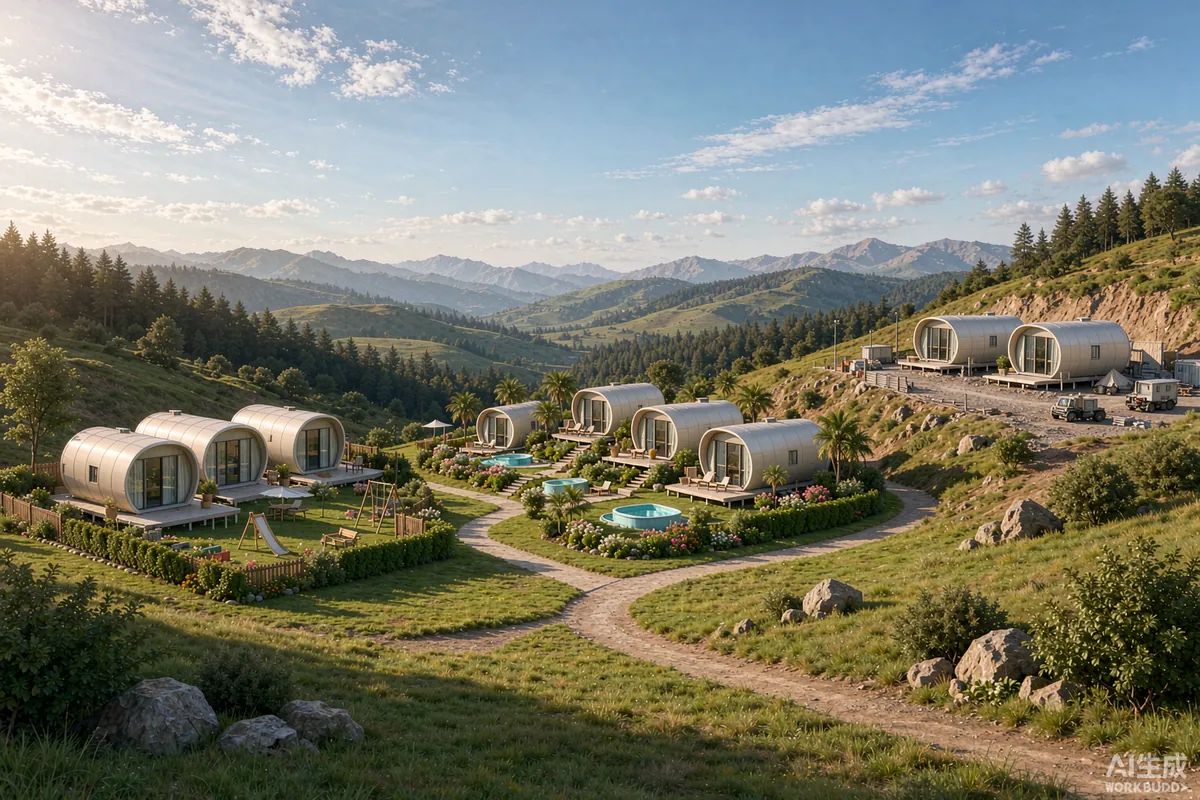
The capsule home market is no longer a single buyer. A few years ago most enquiries came from one place - resort and glamping operators looking for something photogenic. The enquiry mix now includes landowners building a second dwelling, remote workers, site accommodation managers, and resellers holding display stock. Each segment asks different questions, wants different options, and judges value differently. Knowing which one you are - or which one you are selling to - changes what you should specify.
The Short Answer
Five segments dominate current demand: accommodation operators, private landowners, remote-work and studio buyers, project and workforce accommodation, and dealers or resellers. Operators optimise for turnaround and durability; landowners for comfort and permitting; remote workers for services and connectivity; site managers for transportability and density; dealers for lead time, consistency and margin. The product is similar; the specification is not.
Segment 1: Accommodation Operators
Resorts, glamping sites and holiday parks. This group buys in quantity and thinks in operating terms rather than in features.
- What they ask. How fast can it be turned around, how does the interior wear, what does maintenance cost per year, and does it photograph well?
- What they specify. Hard-wearing finishes, blackout capability, easy-clean surfaces, consistent layouts across units, and exterior lighting for arrivals.
- What they get wrong. Buying a specification designed for owner occupation and discovering the wear pattern after one season.
For this group the unit is revenue equipment. Anything that reduces turnaround time or extends the refurbishment interval is worth more than a cosmetic upgrade.
Segment 2: Private Landowners
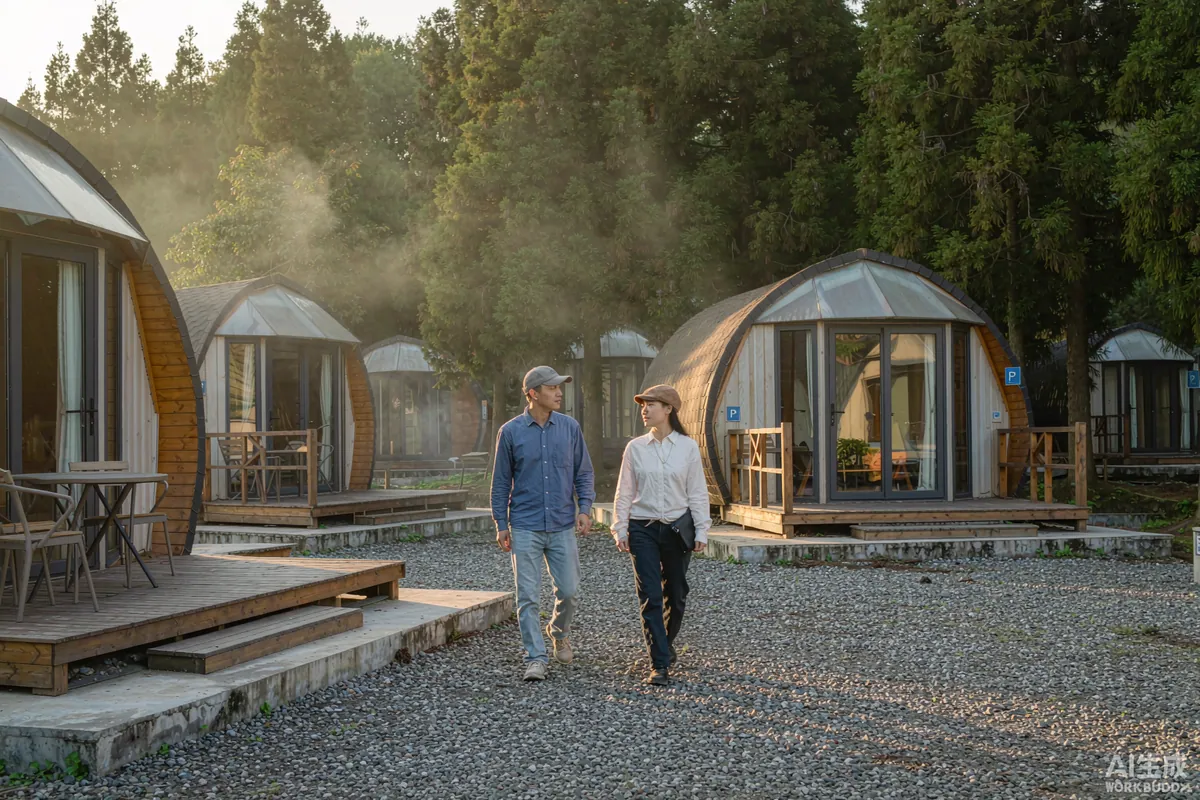
Owners placing a unit on land they already hold - as a second dwelling, a guest space, or a place to stay while building. This is the fastest-growing segment in several markets and the one most affected by local classification.
- What they ask. Will it be permitted here, how much site work is involved, and how does it compare with a conventional build?
- What they specify. Insulation and glazing appropriate to year-round use, a proper wet room, storage, and finishes that feel domestic rather than commercial.
- What they get wrong. Ordering before confirming the permit path, and discovering that the foundation or the services were the expensive part.
The decisive question for this group is classification, and it should be answered before any specification conversation. Requirements may vary by application, market and applicable standard.
Segment 3: Remote Work and Studio Buyers
People buying a workspace rather than a home - a garden office, a studio, a consulting room. Small in unit count but influential, because this group is vocal about the details that matter.
- What they ask. Can I get reliable connectivity, is it comfortable for eight hours, and can I fit a desk and storage?
- What they specify. Electrical provision sized for real equipment, lighting that works for screens, heating that responds quickly, and acoustic performance.
- What they get wrong. Assuming the internet will simply work, and under-specifying the electrical supply.
Connectivity is the single most common failure in this segment, and it is a site issue rather than a product issue.

Segment 4: Project and Workforce Accommodation
Contractors, energy and resource projects, and seasonal operations that need beds on the ground by a fixed date. This group buys on logistics.
- What they ask. Can it get to the site, how many people can it house to the applicable standard, and can it move when we move?
- What they specify. Durable interiors, blackout and quiet for shift workers, demountable foundations, and demountable service connections.
- What they get wrong. Underestimating the services infrastructure, which is a project in its own right at any scale.
For this segment, transportability is a financial feature: it turns the purchase from a site cost into a reusable asset.
Segment 5: Dealers and Resellers
Regional distributors, park operators who resell, and businesses holding display stock. They buy differently because they sell on.
- What they ask. What is the lead time, is the specification consistent between units, and what support comes with it?
- What they specify. A small range of well-chosen configurations rather than endless options, good documentation, and spare parts availability.
- What they get wrong. Over-customising early stock, which makes it harder to sell to the next customer.
Consistency is underrated here. A reseller with three identical units can sell them faster than one with three unique ones, because buyers want to see what they are getting.
What Is Actually Changing
Five shifts show up consistently across these segments:
- Specification questions are getting more specific. Buyers ask about build-ups, glazing and anchoring rather than about finishes.
- Documentation is now a buying criterion. Serial references, maintenance schedules and spare parts lists are being requested at quotation stage.
- Connectivity and electrical provision moved up the list. Remote work and monitoring made them specification items rather than afterthoughts.
- Relocatability is being planned for, not discovered. Buyers choose demountable foundations and accessible connections from the start.
- Energy provision moved to the factory. Solar and battery are increasingly requested as a build option rather than a retrofit.
What This Means If You Are Buying
Work out which segment you are in before you compare models, because the right answer differs. If you are an operator, spend on durability and turnaround. If you are a landowner, resolve classification first and spend on the envelope. If you are a remote-work buyer, spend on services and connectivity. If you are a site manager, spend on transportability. If you are a dealer, spend on consistency and documentation.
Then tell the supplier which one you are. A specification conversation that starts from the use case produces a better unit than one that starts from a model list.
How Segments Differ on Order Size and Lead Time
The segments also behave differently at the point of ordering, and understanding that helps you plan rather than react. Operators typically order in batches against a programme, which means lead time is a scheduling constraint rather than a preference - they need the units before a season starts, and a slip has a revenue cost. Landowners usually order a single unit and are more flexible on timing, but they are the group most likely to be delayed by something outside the factory: a permit decision, a foundation contractor, or access works.
Site accommodation buyers have the hardest deadline and the least flexibility, because the beds are needed by a date the rest of the project depends on. Dealers plan furthest ahead, ordering display stock to arrive before their selling season rather than after an order is won. Knowing which pattern you are in changes what you should ask for: a firm date and a contingency if your deadline is fixed, or a specification review window if your timing is flexible.
The Takeaway
The market widened, and with it the range of sensible specifications. The buyers who get the best outcomes are the ones who identify their segment early, ask questions specific to it, and treat documentation, services and transportability as part of the specification rather than as paperwork. That is true in 2027 for the same reason it was true before: the unit is the easy part, and everything around it decides the result.
More from the Blog
Capsule Home Cost Guide: What You Really Pay in 2026
EXW, shipping, install and the hidden line items — a transparent breakdown of total landed cost.
Read article →
How to Install a Capsule Home in 3 Days: A Step-by-Step Guide
From site prep to first guest — the exact sequence our install crews follow on every deployment.
Read article →
Real Owners, Real Numbers: Success Stories
How a lakeside resort, a Spanish glamping site and a Singapore dealer hit their targets.
Read stories →Talk to the Factory
Ready to Ride the 2026 Wave?
Get the latest catalog, pricing tiers and a layout sketch for your land — straight from the engineering team.