The Budget Line Items People Forget When Planning a Capsule Park
A realistic budget structure for a capsule home park: the line items beyond the unit price - site works, services, access, permits, freight, crane, contingency and working capital.
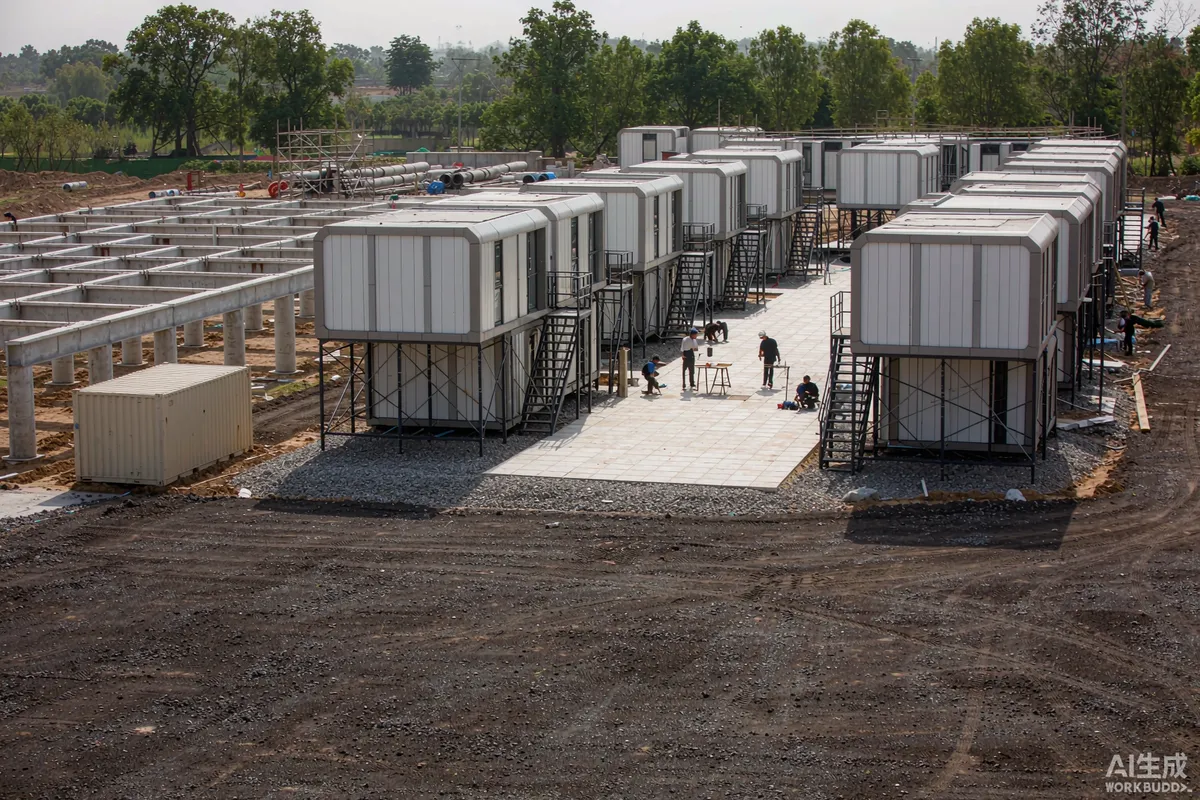
Most first-time park budgets start from the unit price, multiply it, and add something for groundwork. The result is usually optimistic by a significant margin, and the shortfall appears at the worst possible moment - when the units are built, the site is half prepared, and the money is nearly gone.
The unit is a manufactured product with a reasonably predictable price. Almost everything around it is site-specific, and those are the items that move. Building the budget from the ground up rather than from the unit down produces a much more honest number.
The Structure That Works
Separate the budget into the parts that behave differently. Each has its own risk profile and its own tendency to overrun.
| Group | Contains | Tendency |
|---|---|---|
| Units | Manufacture, specification options, spares | Predictable once specified; changes are the risk |
| Freight and logistics | Inland transport, port handling, ocean freight, customs, duties, final delivery | Volatile; depends on route and timing |
| Site works | Access roads, clearance, drainage, levelling, supports or foundations | The most common source of overrun |
| Services | Power, water, drainage or treatment, data, lighting | Often underestimated, particularly the incoming supply |
| Installation | Crane, crew, lifting gear, commissioning | Depends heavily on access |
| Compliance and professional | Permits, surveys, design, inspections, legal | Varies widely by market |
| Fit-out and opening | Furnishings, appliances, linen, signage, systems, marketing | Adds up faster than expected per unit |
| Working capital | Operating cash before revenue stabilises | The item most often absent entirely |
Working capital is the one that sinks otherwise viable projects. A park can be built and opened on time and still fail in year one because there was no cash to operate through the first low season.
Site Works: Where Overruns Come From
If you are going to overrun anywhere, it is here. Ground conditions are discovered, not assumed.
- Investigate the ground before committing. A survey is far cheaper than a redesign.
- Access roads cost more than people expect, particularly the sub-base and drainage.
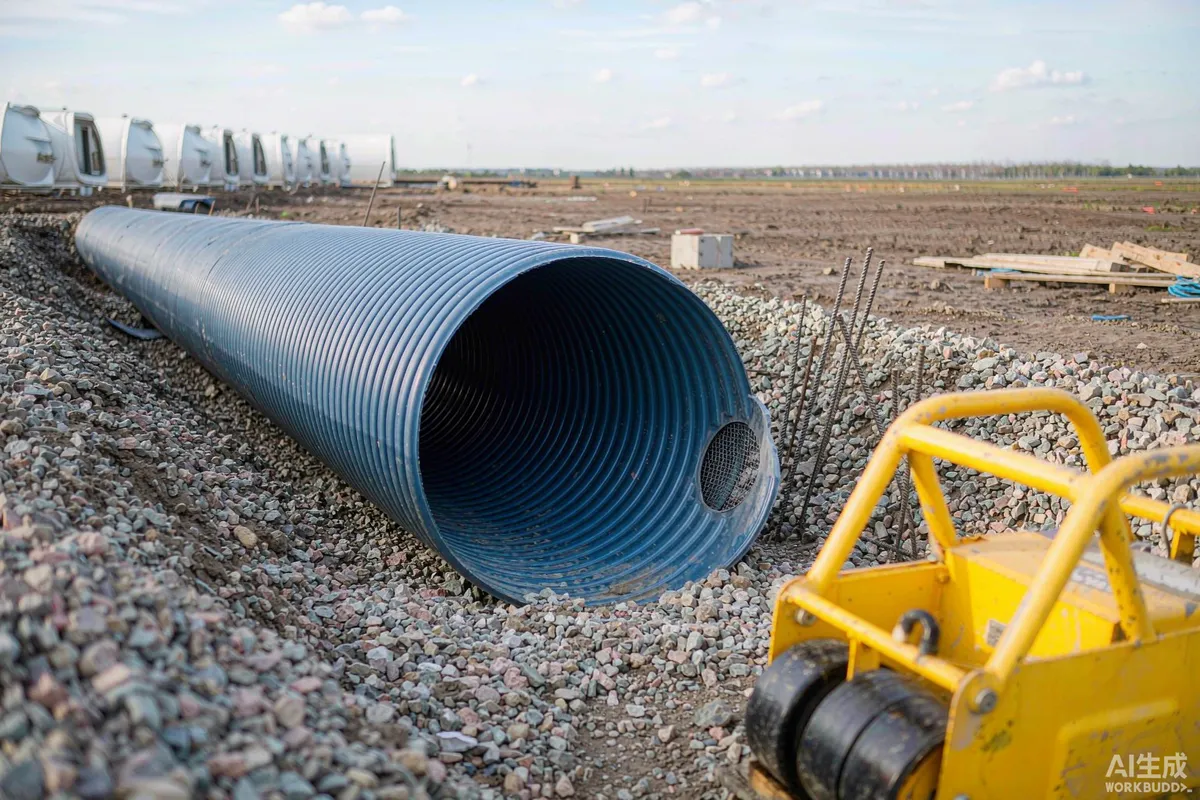
- Drainage and surface water - the item most often left out of the first draft entirely.
- Levelling and retaining on a sloping site, including disposal of spoil.
- Tree and vegetation work, including any protection of what stays.
- Support or foundation work, which depends entirely on what the ground turns out to be.
- Making good after construction, which is always needed and rarely budgeted.
- Weather delay, which costs standing time rather than materials.
Ask specifically about surface water. Sites that look flat on a plan can hold water in exactly the place you wanted to put a unit, and drainage installed afterwards is more expensive than drainage designed in.
Services: The Incoming Supply Is the Constraint
On-site services are straightforward to estimate. What catches people out is the connection to the outside world.
- New or upgraded electricity connection - utility cost, and a lead time that can exceed your build programme.
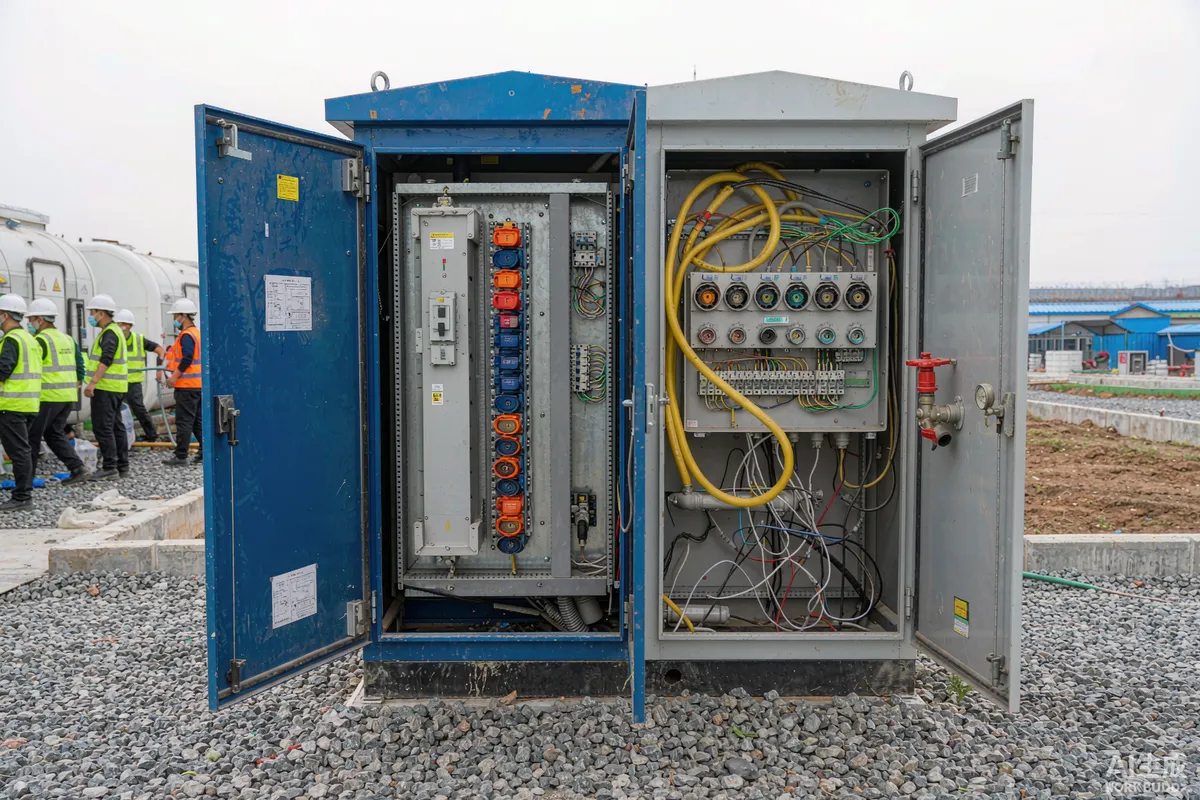
- Distribution within the site - sub-mains, boards, earthing, protection.
- Water supply - mains connection, storage, or treatment, depending on location.
- Drainage or sewage treatment - and whether the site can drain by gravity at all.
- Data and connectivity - including whether the site has usable coverage.
- External lighting and its cabling, which is civils work as much as electrical.
- Temporary site services during construction - power and water for the build itself.
Establish the incoming electricity capacity as early as you can. Everything downstream depends on it, and it is the item with the longest lead time and the least flexibility.
Freight, Customs and Final Delivery
Logistics are often assumed to be included in a unit price. Sometimes they are, sometimes they are not, and the boundary between the two should be established in writing.
- What the quoted price actually includes - ex-works, to port, to destination, or installed.
- Inland transport at both ends.
- Port and handling charges that sit outside the freight rate.
- Customs clearance, duties and taxes, which vary by market and classification.
- Final-mile delivery, which can be a large share of the total on a difficult site.
- Crane and installation crew, including standby time if anything slips.
- Insurance in transit, and what it covers.
- Exchange rate movement where payment is in a different currency.
Ask for the delivery terms in plain language and then write them into your own budget in your own currency. Ambiguity here is where budgets quietly break.
Compliance, Professional Fees and Time
These vary more by location than any other category, which is exactly why they get underestimated - people budget from what they have read about elsewhere.
- Planning, permitting and any associated application fees.
- Surveys - topographical, ground, ecological, utility.
- Design and engineering for site works and services.
- Legal costs on land agreements, leases and contracts.
- Inspections and certifications required before opening.
- Your own time, which is real and usually uncounted.
- The cost of delay, if a decision takes longer than planned.
Fit-Out: The Per-Unit Costs That Multiply
Each individual item looks small. Multiplied by the number of units, and then by a spares allowance, it is not small.
- Furniture and soft furnishings, plus a replacement cycle.
- Appliances not included with the unit.
- Linen and towels, at a par level of several sets per unit.
- Kitchenware and consumables for self-catering.
- Signage and wayfinding.
- Access, key management and any monitoring system.
- Booking and property management systems, including setup.
- Photography and launch marketing.
- Spare parts stock, which is cheap at first order and slow later.
Linen par levels are the classic omission. A unit needs several complete sets to survive a same-day turnover, and buying them in an emergency at opening week is expensive.
Contingency and Working Capital
Two separate provisions, often merged or omitted.
- Construction contingency - a percentage of the site works and services, sized to how well you know the ground.
- Price contingency - for freight and currency movement over a long programme.
- Working capital - enough to operate through to stable occupancy, including staffing, utilities, maintenance and marketing.
- A repair and replacement reserve from the first month, not from whenever there is surplus.
Rule of thumb that holds up: if your budget has no line for working capital, it is not a business plan, it is a construction budget.
Phasing to Manage Cash
A phased build is not only a risk-management decision - it is a financing decision, and often the difference between a project that opens and one that stalls.
- Open with fewer units and let early revenue fund later phases where possible.
- Complete all site infrastructure in phase one, including roads, drainage and services, because retrofitting infrastructure through an operating park is disruptive.
- Sequence so each phase is independently bookable rather than dependent on the next.
- Avoid opening half a park with half a facility - guests do not distinguish between phases.
- Keep the site works tidy between phases, since a park that looks unfinished reviews as unfinished.
- Beware the second-season trap, where phase two is funded from a first season that underperformed.
- Price the phases separately so a decision to slow down does not require repricing the whole project.
The discipline is to complete everything that is invisible in the first phase, and let the visible units follow as cash allows. Guests never see the drainage; they always see the mud.
A Budget Checklist
- Budget built from the ground up, not from the unit price up.
- Ground investigation completed before committing to site work costs.
- Incoming utility capacity confirmed, with lead time in the programme.
- Drainage and surface water explicitly included.
- Delivery terms understood in writing, with duties and final mile separated.
- Crane and crew costed, including standby.
- Per-unit fit-out multiplied out, with linen par levels and spares.
- Contingency and working capital as separate, named lines.
- A named owner for each line, and the budget reviewed monthly.
Costs, taxes, duties and the professional requirements attached to development vary widely between markets. Requirements may vary by application, market and applicable standard. Treat every figure in this article as a category to investigate locally rather than as a number to use.
More from the Blog

Capsule Home Cost Guide: What You Really Pay in 2026
EXW, shipping, install and the hidden line items — a transparent breakdown of total landed cost.
Read article →
How to Install a Capsule Home in 3 Days: A Step-by-Step Guide
From site prep to first guest — the exact sequence our install crews follow on every deployment.
Read article →
Real Owners, Real Numbers: Success Stories
How a lakeside resort, a Spanish glamping site and a Singapore dealer hit their targets.
Read stories →Talk to the Factory
Ready to Ride the 2026 Wave?
Get the latest catalog, pricing tiers and a layout sketch for your land — straight from the engineering team.