Backup Power Planning for a Capsule Home During an Outage
How to plan backup power for a space capsule home: what must stay on,how much capacity you need, transfer and safety basics, and the guest instructions that prevent most outage complaints.
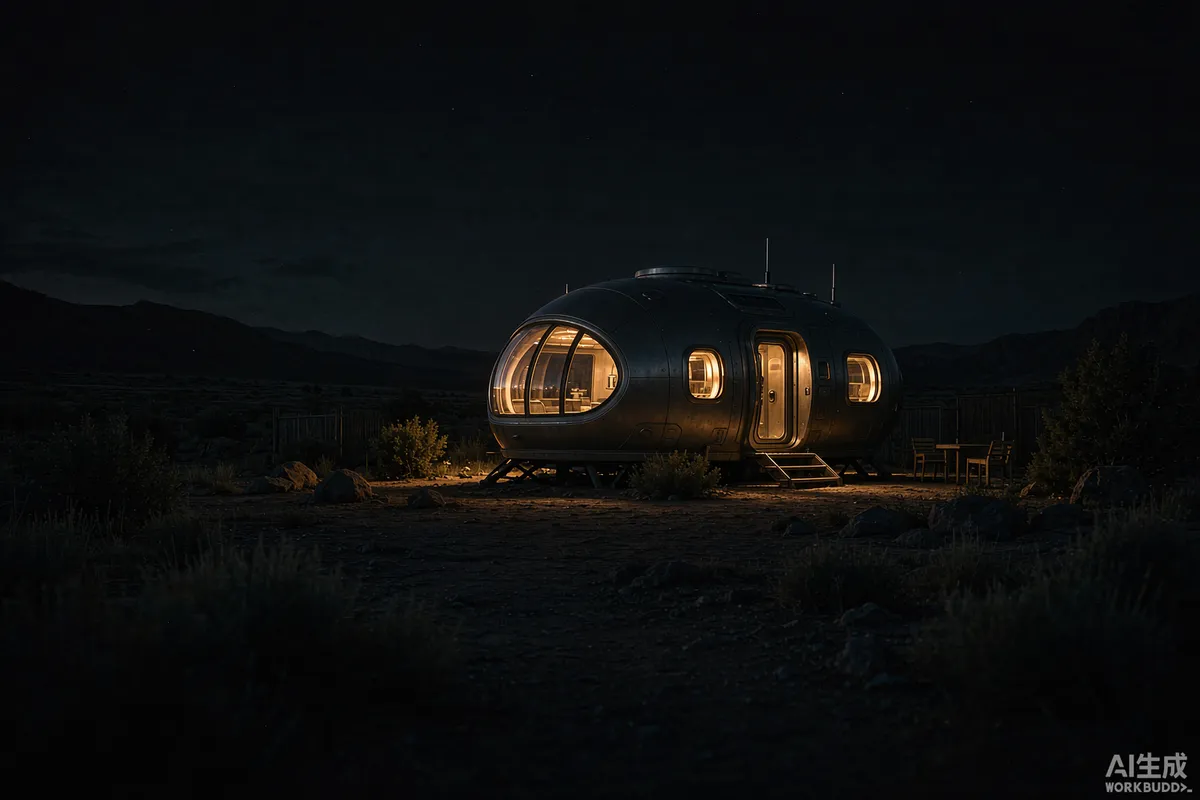
A backup power plan for a capsule home should start with a short list of what must stay on, not with a product. In a compact, well-insulated, electrically served unit the critical loads are usually lighting at the entry, a communication route, refrigeration, water pressure if you are on a pumped supply, and enough heating or cooling to keep the unit habitable for the expected outage duration. Once that list is fixed, capacity follows from measured draw and expected hours - and the whole plan becomes a specification you can actually buy against. Requirements may vary by application, market and applicable standard.
Separate "Must Stay On" from "Nice to Have"
Backup capacity is expensive per kilowatt-hour, so the first job is to cut the list honestly.
- Must stay on: entry and bathroom lighting, a phone charging point, the router or communication device, the refrigerator, and smoke or safety devices that require mains power.
- Conditional: pumped water supply, heating or cooling, ventilation, electric cooking, and any medical equipment a guest may declare.
- Can go off: high-power appliances, most sockets, exterior feature lighting, and anything that only exists for comfort.
Writing the list down does two useful things: it keeps the backup system affordable, and it becomes the basis of the note you give guests so they know what to expect rather than discovering it.
Estimate Capacity from Measured Draw, Not from Nameplates
A nameplate rating is a maximum, not a typical draw, and sizing from nameplates produces an oversized and expensive system. Measure instead.
| Step | What to do | Why it matters |
|---|---|---|
| 1. List critical loads | Write each item and whether it runs continuously or intermittently | Intermittent loads like a fridge compressor dominate the peak but not the average |
| 2. Measure the draw | Use a plug-in meter over 24 hours of normal occupancy | Gives a real duty cycle instead of a guess |
| 3. Note the surge | Identify anything with a motor or compressor start current | Starting current, not running current, is what trips an undersized inverter |
| 4. Choose the duration | Decide the outage length you are designing for | Two hours and two days are entirely different systems |
| 5. Add margin | Allow for battery ageing and cold-weather performance | Capacity falls over time and in low temperatures |
An insulated capsule with modest heating demand and no electric cooking will usually sit at the small end of the backup range. Add electric heating, an induction hob or a pumped water supply and the requirement moves quickly.
Choose the Backup Approach
Three approaches cover most situations, and they are not mutually exclusive.
- Portable power station. Silent, indoor-rated, simple to operate and easy for staff to swap between units. Best for short outages and for keeping communication and lighting alive.
- Fixed battery with automatic transfer. Higher capital cost, no guest action required, and it can support a broader set of loads. Needs a defined installation and a commissioning check.
- Generator. Longest runtime and highest output, with noise, fuel storage, ventilation and maintenance obligations. Suited to whole-site backup rather than to a single unit.
For a rental fleet, the decision often splits: a small automatic or plug-in backup in each unit for guest-facing continuity, and a site-level generator for prolonged outages affecting water pumps, reception or multiple units.
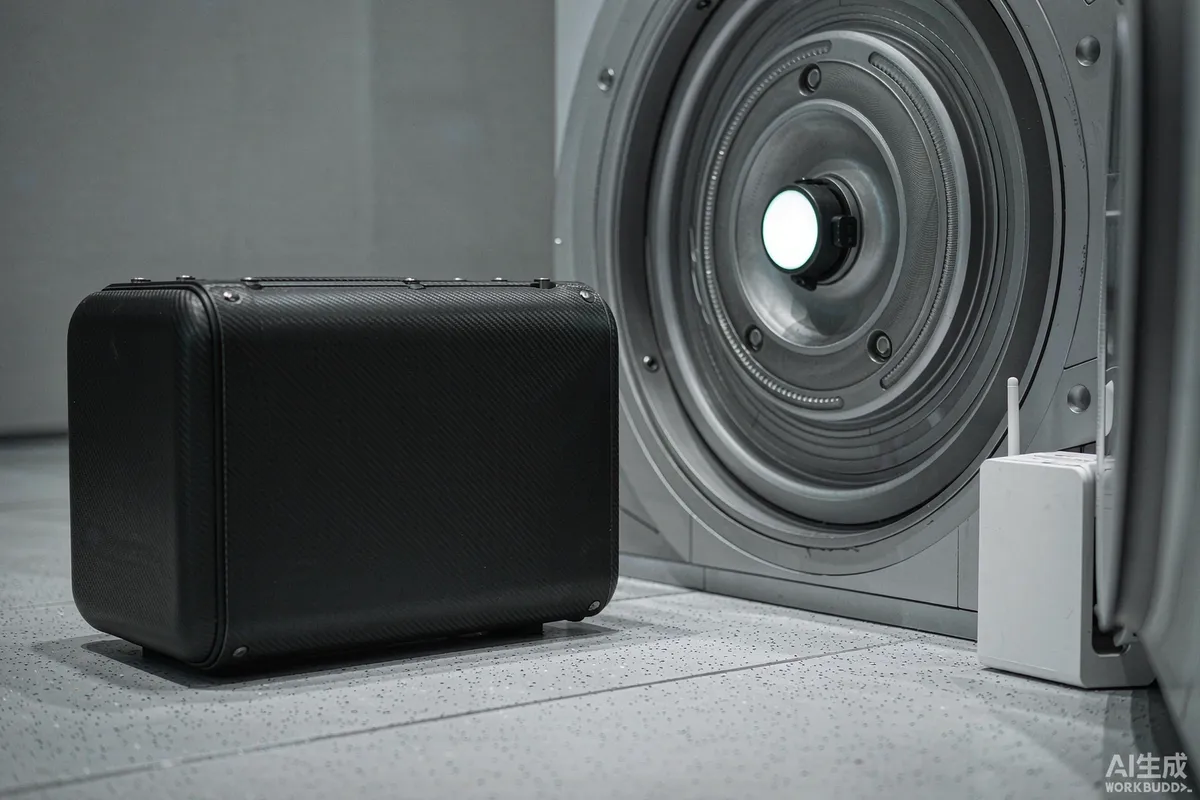
Safety and Installation Boundaries
Backup power is where good intentions create real hazards. Some boundaries are worth stating plainly.
- Do not back-feed the building. Connecting a generator or inverter into a socket or fixed wiring without an approved transfer arrangement can energise the supply network and endanger utility workers.
- Transfer switching is a professional job. Any arrangement that changes how the unit is supplied should be designed and installed by a qualified electrician.
- Generators go outdoors. Exhaust and carbon monoxide risks do not belong inside or in an enclosed space, and fuel storage has its own requirements.
- Follow the manufacturer's instructions. Charging temperature range, ventilation clearances and permitted loads are not optional.
- Keep safety devices powered. Whatever else is shedding load, devices that protect occupants should remain supplied.
Confirm the applicable electrical installation rules and any accommodation-specific requirements with a qualified professional in your market. Requirements may vary by application, market and applicable standard.
What an Outage Actually Costs a Rental Operator
The direct cost of an outage is usually small - a refunded night or a small goodwill gesture. The indirect costs are larger and easier to overlook.
- A review written in the dark. A guest who could not see, charge a phone or use the bathroom will describe the failure vividly, and that description outlasts the outage by years.
- A cancelled second night. Guests who lose confidence leave early, and the following night is rarely resold at short notice.
- Staff time at the wrong hour. Unplanned callouts, messages and reassurance consume far more time than a scheduled test.
- Food spoilage and laundry rework. A refrigerator that warms up, or a water pump that stops mid-stay, creates follow-on work.
- Reputation in the local market. In a small destination, word travels to other operators as well as to guests.
Set against that, a modest backup provision covering lighting, communication and refrigeration is usually inexpensive relative to a single avoided incident. The point is not to run the unit normally during an outage; it is to keep the guest safe, informed and comfortable enough that the stay is remembered for the right reasons.
Write the Guest Note Before You Need It
Most outage complaints are not about the outage; they are about not knowing. One short card in the unit, and one line in the pre-arrival message, changes the outcome.
- Say what stays on. Lighting here, phone charging here, fridge keeps running.
- Say what will not. Naming the things that stop prevents a guest cycling breakers trying to restore them.
- Say what to do. One contact number, and whether to stay put or check out.
- Say roughly how long. Even an estimate is better than silence; update it if it changes.
- Ask guests not to run high-power appliances during backup operation, and explain why in one sentence.
Testing and Maintenance
A backup system that has never been exercised will fail on the night it is needed. Put it on the same calendar as every other safety-related check.
- Test quarterly. Run the critical loads on backup for a set period and record whether it lasted as expected.
- Check state of charge. For fixed systems, confirm the battery is actually at full charge after the test.
- Inspect cables and connections. Look for heat damage, loose plugs and damaged sheathing.
- Replace consumables on schedule. Batteries, fuel and filters all age whether or not they are used.
- Record the test. Date, duration, loads, result. Patterns only show up in writing.
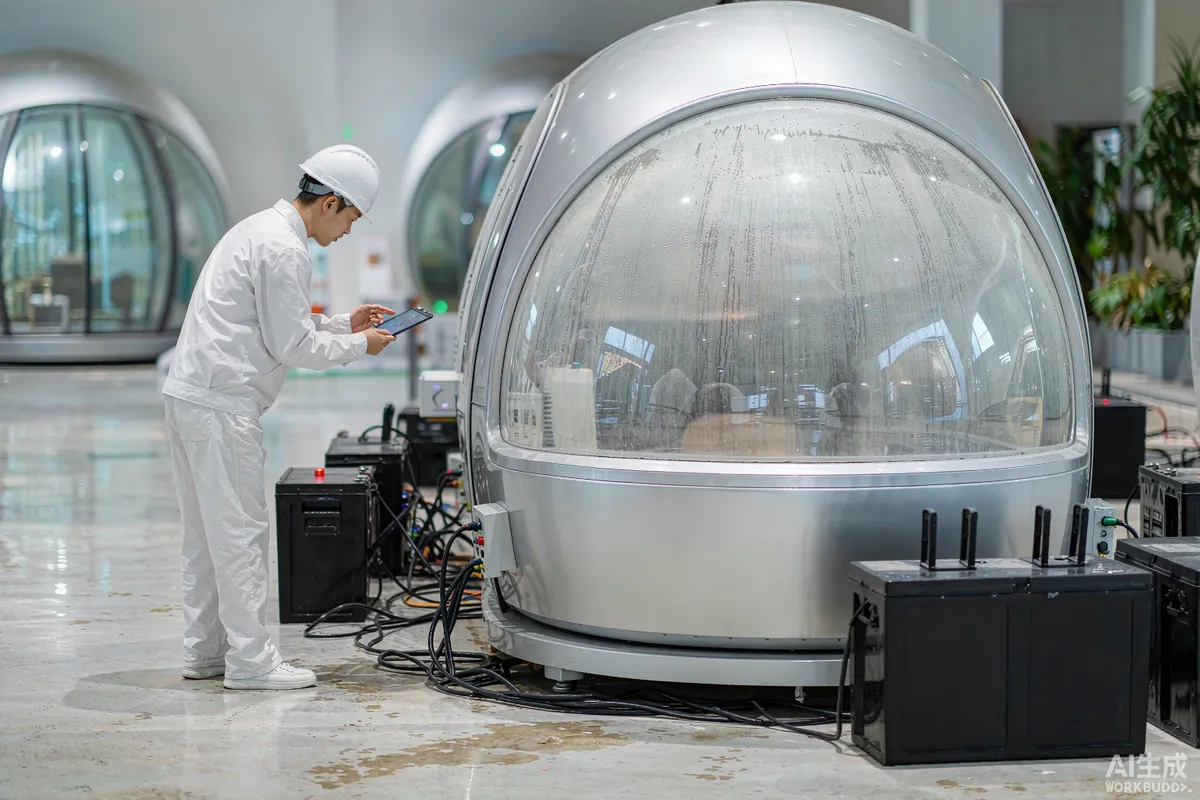
When Outages Are Frequent
If the supply is unreliable rather than occasionally interrupted, the problem is no longer backup - it is specification. In that case it is worth revisiting:
whether heating and cooking should depend on electricity at all; whether a larger stored-water or gravity-fed arrangement reduces pump dependence; and whether site-level generation is a better capital decision than per-unit batteries.
Start with the load list, measure the draw, and buy against a stated duration. That sequence keeps the system affordable, keeps guests informed, and keeps the safety boundaries intact.
More from the Blog

Capsule Home Cost Guide: What You Really Pay in 2026
EXW, shipping, install and the hidden line items — a transparent breakdown of total landed cost.
Read article →
How to Install a Capsule Home in 3 Days: A Step-by-Step Guide
From site prep to first guest — the exact sequence our install crews follow on every deployment.
Read article →
Real Owners, Real Numbers: Success Stories
How a lakeside resort, a Spanish glamping site and a Singapore dealer hit their targets.
Read stories →Talk to the Factory
Ready to Ride the 2026 Wave?
Get the latest catalog, pricing tiers and a layout sketch for your land — straight from the engineering team.