Ancillary Revenue: What Else a Capsule Park Can Sell Beyond the Night
How capsule home parks build revenue beyond the nightly rate - welcome hampers, firewood, equipment hire, experiences, transport and local partnerships - and what actually works.
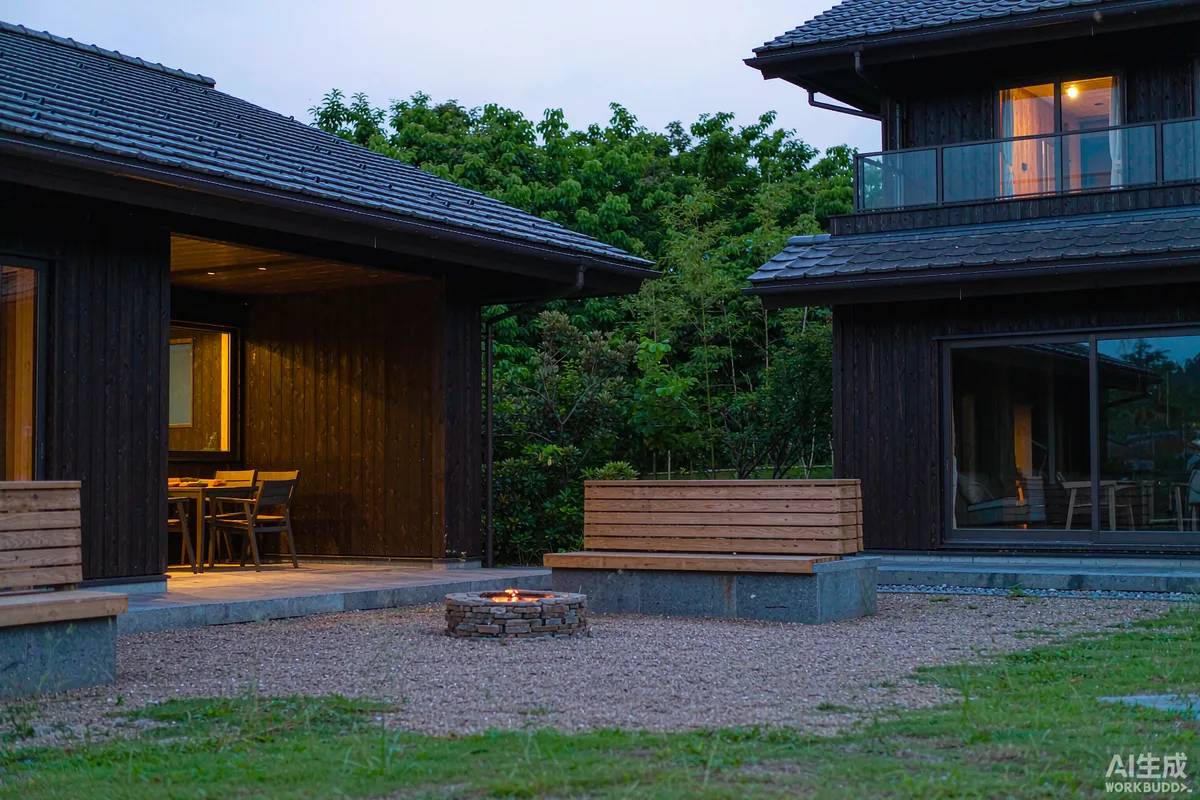
The nightly rate is the headline number, and it tends to absorb all the attention. But on many small parks, secondary revenue is the difference between a season that covers the loan and one that does not. It is also where a compact, well-designed site has an advantage: guests staying in a distinctive unit are already in the mood to spend on the experience around it.
The mistake is trying everything at once. Each additional offer adds operational load - stock, handling, cleaning, complaints - and a poorly executed extra can damage the very review you were hoping to improve. Choose a small number that fit the site and the staff you actually have.
Where Ancillary Revenue Comes From
Most of what works falls into a handful of categories. The right ones depend on location, length of stay and who your guests are.
| Category | Examples | Operational load |
|---|---|---|
| Arrival provisions | Welcome hamper, breakfast box, local produce, coffee | Medium - stock, storage, dietary handling |
| Consumables on site | Firewood, kindling, charcoal, ice, drinking water | Low to medium - storage and restocking |
| Equipment hire | Bikes, kayaks, paddleboards, snowshoes, binoculars | High - maintenance, safety, liability, cleaning |
| Experiences | Guided walk, stargazing session, sauna slot, outdoor bath | High - staffing and scheduling |
| Convenience | Late check-out, early arrival, extra linen, transport | Low - mostly scheduling |
| Local partnerships | Commission on a restaurant, activity or spa booking | Low - relationship and tracking |
| Practical extras | EV charging, laundry, pet package, luggage storage | Varies - often already partly built |
A useful filter: does this require a person at a specific time? Anything that does is a staffing commitment, not a product, and should be judged as one.
Start With What Guests Already Ask For
The best first additions are the things guests are already requesting by message. You have the data - it is in your inbox.
- Log every request over a season: firewood, late checkout, more coffee, a taxi number, somewhere to eat.
- Rank by frequency, not by margin. The request that comes up every week is the product to build first.
- Convert the request into an offer that a guest can see and buy before arrival.
- Then price it. A request you currently fulfil for free has a value you are not capturing.
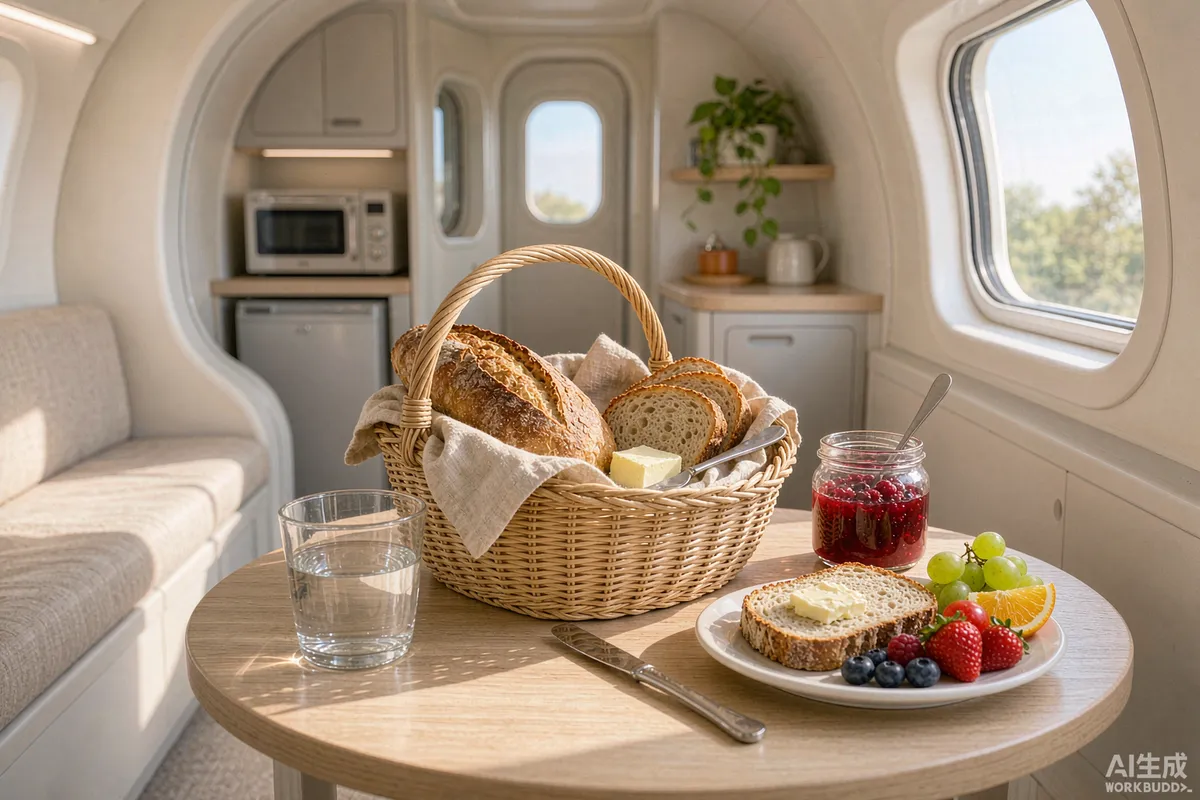
This is why the hamper and the late check-out are such common first steps: they are already happening informally, and formalising them costs almost nothing.
Pricing and Presentation
Guests rarely object to paying; they object to feeling managed. The difference is presentation and whether the price feels proportionate.
- Show prices before arrival, in the pre-arrival message and the welcome folder.
- Offer choices at a few levels rather than one option that may feel obligatory.
- Present as an invitation - "available if you would like it" rather than an add-on at check-out.
- Avoid charging for essentials. Heating, hot water and Wi-Fi should be part of the night.
- Bundle where it helps - a fire pit pack of wood, kindling and lighter is easier to sell than three items.
- Be consistent across units and across the season; inconsistent charging generates complaints.
The line to hold is between experience and necessity. Guests accept paying for a hamper or a kayak; they react badly to paying for a heater or a towel.
Equipment Hire: Attractive and Demanding
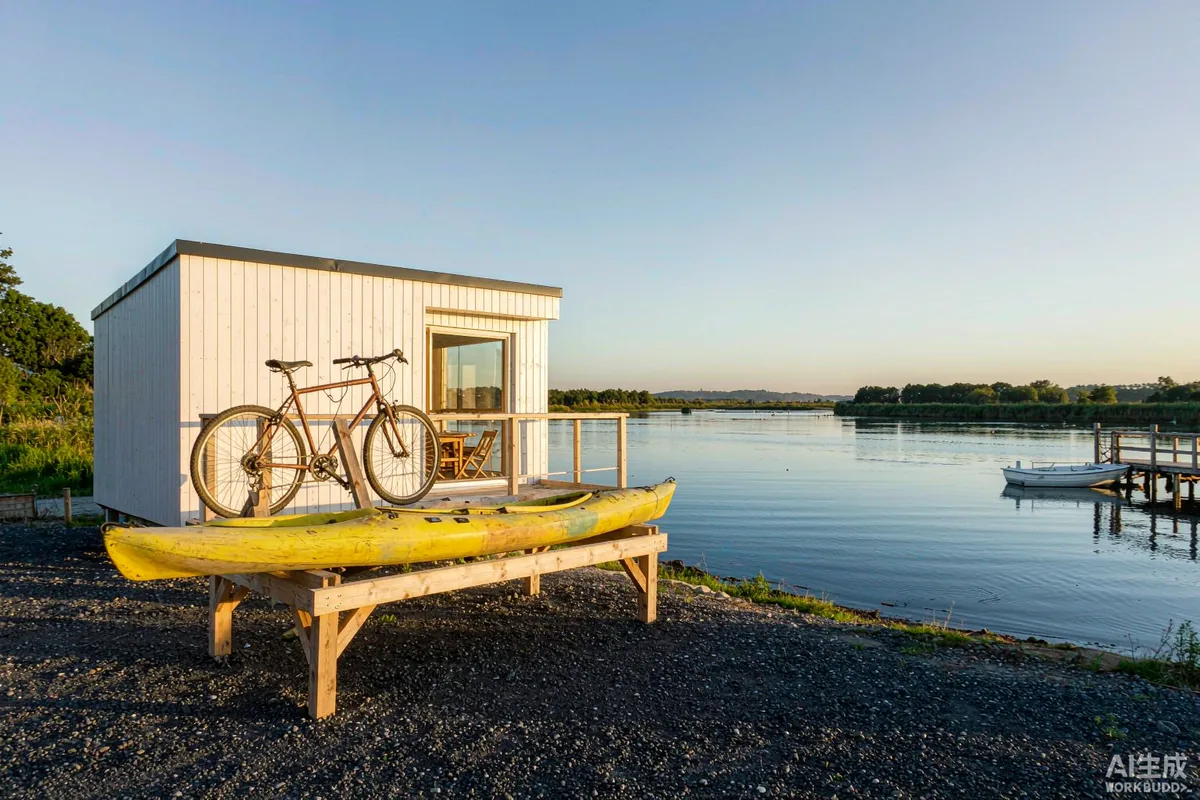
Hire looks like free money on a spreadsheet and is the item most often regretted. It is not that it cannot work - it is that it carries obligations people underestimate.
- Maintenance between every use - cleaning, drying, checking, repairing.
- Safe storage that does not clutter the guest's space or the site.
- Safety briefing and fit - particularly for anything on water.
- Liability and insurance, which should be confirmed before you buy anything.
- Weather cancellations and the resulting refund conversations.
- Replacement cycles - equipment in guest use wears far faster than expected.
A partnership with a local operator often beats owning the equipment. The guest gets a proper service, you get a referral arrangement, and somebody else maintains the fleet.
Local Partnerships
This is the highest-leverage category for a small park, because it adds offer without adding workload.
- Approach two or three local businesses - a restaurant, an activity provider, a spa, a farm shop.
- Ask for a guest rate or a booking arrangement rather than a large commission.
- Keep the recommendation curated. Six good partners are worth more than a directory.
- Be transparent with guests about any commercial arrangement.
- Track referrals properly, otherwise the arrangement quietly dissolves.
- Review annually. A partner whose standards slip reflects directly on you.
Where a partnership is genuinely good, it also improves the stay - which shows up in reviews in a way a hamper never will.
Convenience Offers Guests Actually Buy
These carry almost no operational load and are consistently among the best performers.
- Late check-out, where the turnover schedule allows it - sell it only when you can honour it.
- Early arrival under the same condition.
- Extra linen or towel sets for longer stays.
- A pet package - bed, bowls, towel - for sites that welcome dogs.
- Transport to and from a station or trailhead.
- Laundry access on longer-stay sites.
- A celebration setup, which guests will pay a surprising amount for when it is offered discreetly.
The condition on all of these is that the promised thing must actually be available. A late check-out that cannot be honoured because housekeeping arrived is worse than not selling it.
Measuring Whether It Works
Ancillary revenue should be measured on more than gross takings, because some offers cost more to run than they earn.
- Attach rate - what proportion of bookings take the offer.
- Contribution, not revenue - after stock, waste and staff time.
- Time cost - how many staff minutes each order consumes.
- Effect on reviews - some offers generate complaints that cost more than they earn.
- Effect on the core product - does it distract from the nightly rate?
Run a small number for one season, measure honestly, and drop what does not work. The portfolio should end up with three or four offers that suit the site, not a list of fifteen.
Seasonality and Length of Stay
Which extras sell depends heavily on when guests come and how long they stay, so a single year-round offer list usually underperforms.
- Two-night weekend stays favour convenience and arrival provisions - a hamper, firewood, a late check-out.
- Week-long stays favour laundry, extra linen, equipment hire and local experience partnerships.
- Shoulder and off-season is where a bundled offer can lift occupancy rather than spend per guest.
- Winter sites sell consumables - firewood, hot drinks, blankets, a drying service for wet kit.
- Summer sites sell equipment and shade-related comfort rather than heating-related items.
- Review the list seasonally rather than leaving an offer visible that makes no sense in the current month.
An offer that is wrong for the season does not merely fail to sell - it signals that nobody is paying attention, which guests notice in other ways too.
A Short Checklist
- Season of guest requests logged and ranked by frequency.
- Two or three offers chosen, matched to actual staffing.
- Prices shown before arrival and stated consistently.
- Essentials excluded from charging.
- Hire arrangements checked for maintenance, storage and liability.
- Local partners approached, curated and tracked.
- Contribution measured after stock and time, reviewed at season end.
Commercial arrangements, liability positions, licensing and consumer disclosure requirements may vary by application, market and applicable standard. Confirm what applies to your site with a qualified local professional before offering any chargeable extra.
More from the Blog

Capsule Home Cost Guide: What You Really Pay in 2026
EXW, shipping, install and the hidden line items — a transparent breakdown of total landed cost.
Read article →
How to Install a Capsule Home in 3 Days: A Step-by-Step Guide
From site prep to first guest — the exact sequence our install crews follow on every deployment.
Read article →
Real Owners, Real Numbers: Success Stories
How a lakeside resort, a Spanish glamping site and a Singapore dealer hit their targets.
Read stories →Talk to the Factory
Ready to Ride the 2026 Wave?
Get the latest catalog, pricing tiers and a layout sketch for your land — straight from the engineering team.