Allergen Deep Cleaning Between Capsule Home Stays
A compact sealed unit concentrates dust, pet dander and pollen. What to do at every changeover, what belongs in a periodic deep clean, and how to handle pet stays without losing the next guest.
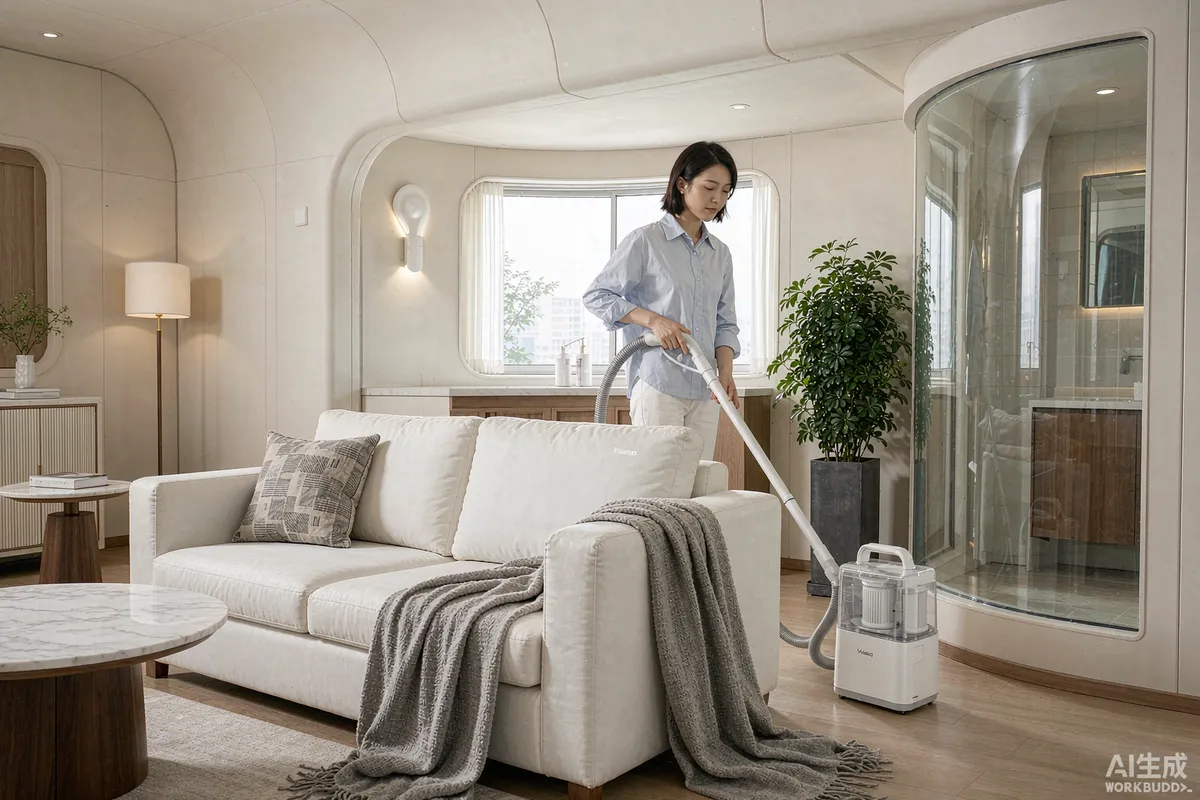
A capsule home is compact, well sealed and heavily furnished relative to its volume. Those qualities make it comfortable and also mean that dust, pet dander, pollen and cooking residue concentrate faster than in a larger, draughtier building. Guests with allergies notice immediately, and they are the ones most likely to say so publicly. The good news is that a small unit is quick to clean properly once you know where the load sits - the work is about sequence and about a few specific items, not about cleaning harder.
Where Allergens Actually Accumulate
Cleaning effort is usually spent on surfaces that guests see. Allergen load sits elsewhere.
- Bedding and pillows. The highest-value target in any unit, and the one most likely to trigger a reaction.
- Upholstered seating. Fabric holds dander and dust that vacuuming alone will not fully remove.
- Soft floor coverings. Rugs hold more than hard floors by a wide margin.
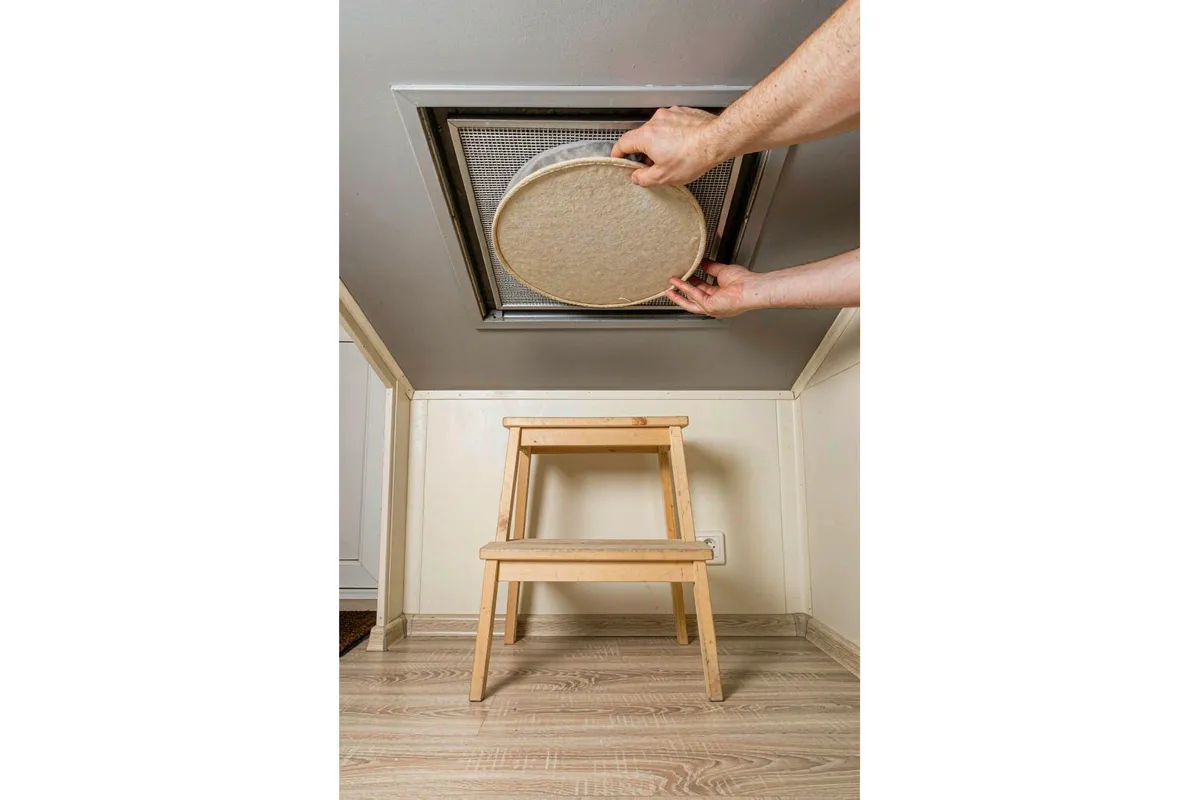
- Ventilation filters and grilles. Recirculated air carries what the filter caught.
- Curtains and blinds. Frequently missed, and directly in the airflow path near glazing.
- Under and behind furniture. Out of sight, and where a vacuum that never moves furniture leaves it.
The practical implication: hard flooring, washable protectors and fewer soft surfaces reduce the workload permanently. Where a unit is being specified, that decision is worth more than any cleaning product.
Every Changeover
These tasks take minutes each and cover the majority of what a sensitive guest will react to.
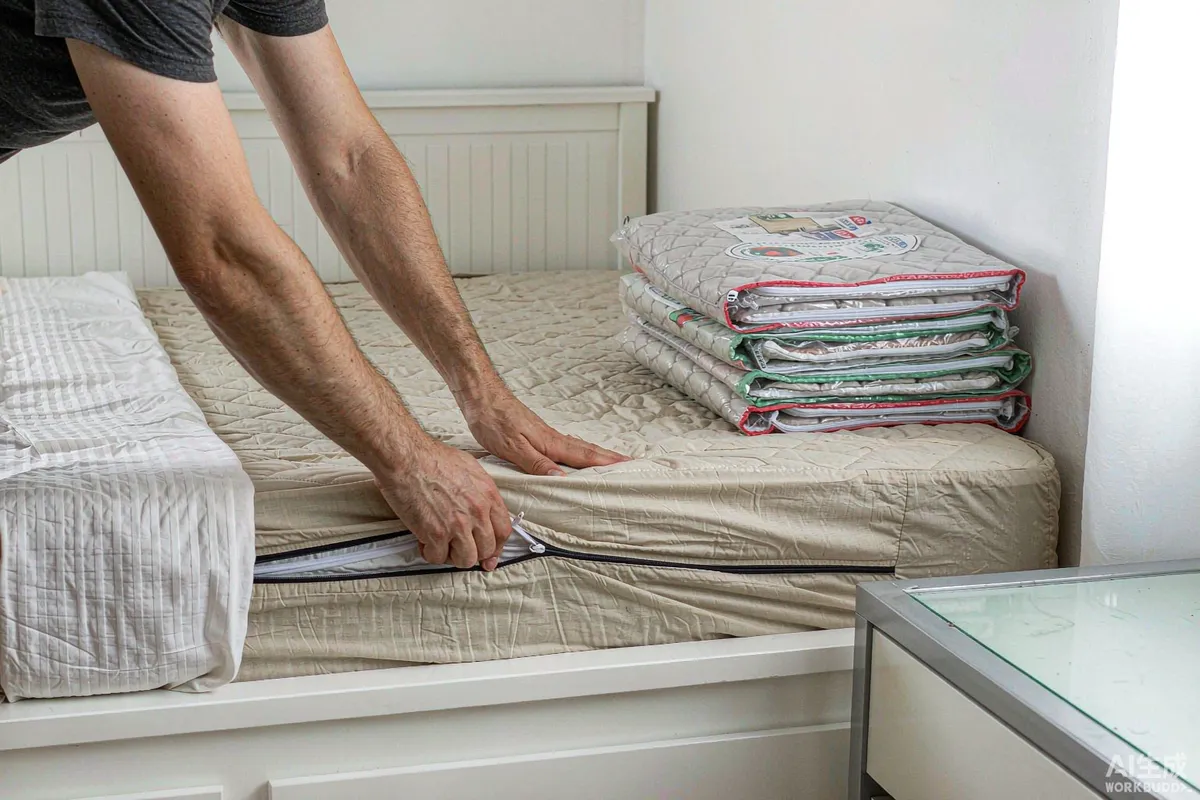
- Strip and replace all bedding including protectors, not just sheets.
- Vacuum upholstery and soft furnishings with a filtered machine rather than brushing, which redistributes rather than removes.
- Vacuum floors including edges and under furniture that can be moved easily.
- Wipe hard surfaces with a damp cloth rather than dry dusting, which lifts dust into the air and lets it settle again.
- Run mechanical ventilation during and after cleaning to exchange air rather than recirculate it.
- Check the filter indicator where one exists, and note it if replacement is near.
Periodic Deep Clean
Some tasks cannot happen in a changeover window. Schedule them and record when they were done.
| Task | Sensible interval | Why |
|---|---|---|
| Wash mattress and pillow protectors on a hot cycle | Every few changeovers, per maker's guidance | Protectors are the last barrier before the mattress itself |
| Deep clean upholstery | Quarterly, or after any pet stay | Fabric holds residue a surface vacuum misses |
| Clean curtains, blinds and tracks | Quarterly | In the airflow path and rarely touched |
| Replace or clean ventilation filters | Per manufacturer interval | A loaded filter recirculates what it captured |
| Clean behind and under fixed furniture | Quarterly | The place dust accumulates undisturbed |
| Wash or replace cushions and throws | Seasonally | Often the least-washed items in a unit |
| Check for moisture or musty odour | Every deep clean | Odour usually means a moisture source, not a cleaning gap |
On washing temperature and process: follow the textile maker's guidance and the machine instructions rather than assuming hotter is better. Some fabrics and protectors are damaged by temperatures or products that others tolerate, and a ruined protector is not an improvement.
Handling Pet Stays Without Losing the Next Guest
Pet-friendly is a commercial decision with an operational cost, and the cost is mostly time. Units that accept pets need a distinct protocol rather than a slightly longer standard clean.
- Block extra time at changeover. A rushed clean after a pet stay is what produces complaints.
- Use a dedicated set of cleaning cloths so dander is not carried between units on fabric.
- Vacuum with a filtered machine over all soft surfaces, twice if needed, and include the skirting and the underside of furniture.
- Wash protectors and any throws after every pet stay rather than on the standard cycle.
- Inspect and clean the area beside the bed and sofa, where animals usually settle.
- Schedule a buffer where possible between a pet stay and a guest who has requested an allergen-free unit.
Fragrance: Less Is Better
The instinct when a unit smells stale is to add scent. For a sensitive guest this usually makes things worse, and it can also mask a problem that needed solving.
- Strongly scented products, diffusers and plug-ins are a common trigger in their own right.
- Find and remove the odour source rather than covering it - often a damp item, a blocked drain or a filter.
- Ventilate thoroughly; fresh air is more effective and less provocative than any product.
- Avoid fabric softener on towels and bedding: it reduces absorbency and leaves residue behind.
- Keep the unit neutral. "Smells clean" should mean nothing in particular.
Documentation and Guest Communication
- Keep a simple checklist per unit, signed or initialled, including the periodic tasks with dates.
- Record pet stays explicitly, so the protocol follows them rather than relying on memory.
- If a guest reports an allergic reaction, log what was done and review the protocol - it is usually informative.
- State accurately what the unit offers. A "pet-free unit" claim has to be true and enforced, not aspirational.
- Never claim a unit is allergen-free. What you can honestly describe is the protocol and how seriously it is applied.
That last point matters both commercially and ethically. Guests with significant allergies make decisions based on what you tell them, and an overstated claim is worse than none. Describe the routine, apply it consistently, and let guests decide - and where a guest has a serious medical condition, invite them to discuss their requirements directly before booking rather than relying on the listing. Requirements may vary by application, market and applicable standard.
The Moisture Connection
Allergen control and moisture control are the same problem viewed from different angles. A sealed compact unit generates water vapour from cooking, showers and breathing, and anything that stays damp supports the growth that causes the musty smell guests report.
- Run extract ventilation during and after wet activities rather than afterwards alone, and check it is actually removing air rather than just making noise.
- Never store linen or cleaning cloths damp. A closed cupboard with a damp bundle produces the odour that gets blamed on the building.
- Check under beds and behind furniture during the deep clean for condensation staining, particularly against external walls and cold glazing edges.
- Keep a low background temperature in cool periods, since warm surfaces resist condensation.
- Investigate any persistent odour rather than treating it. Repeated deep cleaning of the same symptom usually means a moisture source that cleaning cannot reach.
Setting Up the Kit
Much of whether the protocol happens comes down to whether the right things are within reach. A standard kit per unit or per cleaning trolley removes most of the improvisation.
- A filtered vacuum suitable for fabric and hard floors, with working seals and a filter checked weekly.
- Microfibre cloths in two colours so bathroom and general cloths never mix, laundered rather than reused dry.
- Mattress and pillow protectors as spares held in the unit store, so one can be swapped immediately rather than laundered.
- A spare set of filters of the correct specification, since a filter that is due but unavailable is a filter that stays in place.
- A written checklist carried with the kit, listing every changeover task in the order they are done.
Finally, verify rather than assume. A short review once a season - watching one clean start to finish, checking the filter, and looking where the vacuum cannot reach - will tell you whether the written protocol is the one actually being followed. The distance between those two things is where most problems live.
More from the Blog

Capsule Home Cost Guide: What You Really Pay in 2026
EXW, shipping, install and the hidden line items — a transparent breakdown of total landed cost.
Read article →
How to Install a Capsule Home in 3 Days: A Step-by-Step Guide
From site prep to first guest — the exact sequence our install crews follow on every deployment.
Read article →
Real Owners, Real Numbers: Success Stories
How a lakeside resort, a Spanish glamping site and a Singapore dealer hit their targets.
Read stories →Talk to the Factory
Ready to Ride the 2026 Wave?
Get the latest catalog, pricing tiers and a layout sketch for your land — straight from the engineering team.