After-Sales Service for Capsule Homes: What a Partner Needs in Place
Selling capsule homes is only half the business. Here is the service capability - spares, response, training, records - that keeps a dealer or operator credible.
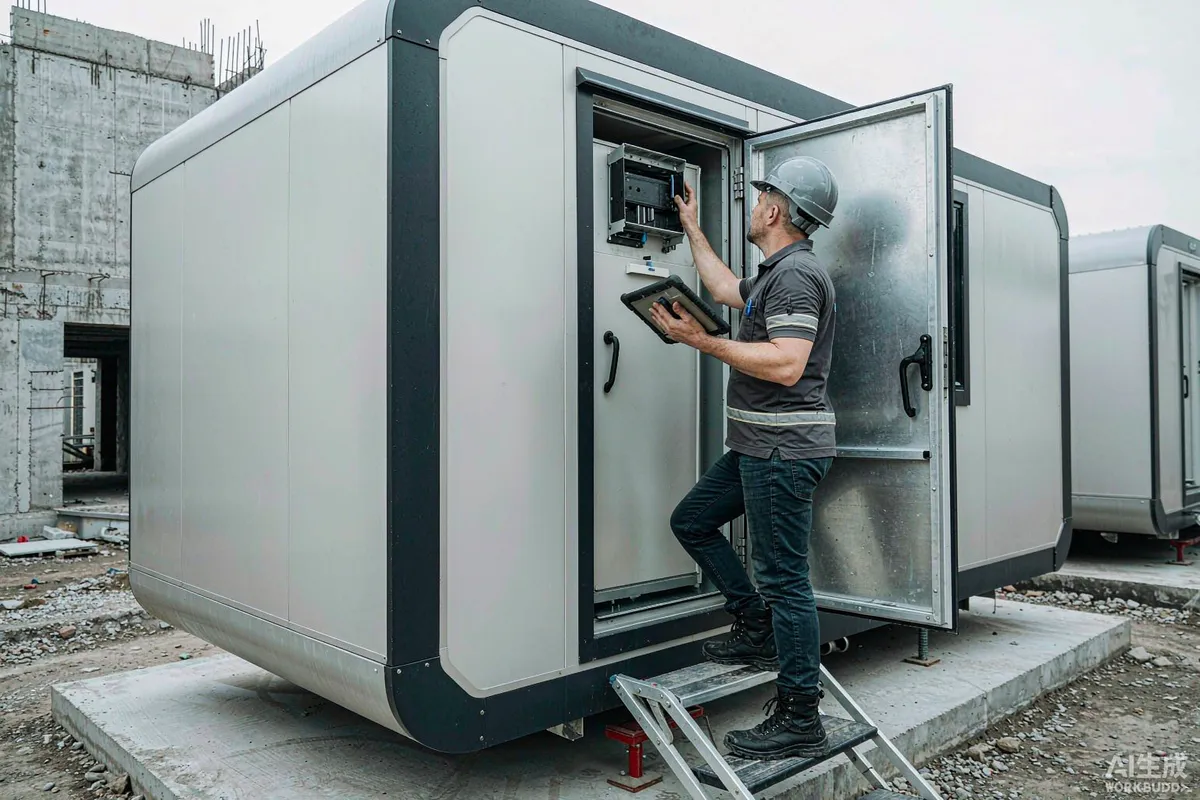
Anyone can sell a capsule home once. What determines whether a dealership or rental operation grows is what happens in month fourteen, when a door lock fails, a filter needs changing, or an owner has a question they cannot answer themselves. After-sales service is the part of the business that is easiest to postpone and hardest to improvise. It is also, in practice, what generates the second order and the referral.
The Short Answer
Build four capabilities before you need them: a defined spares stock sized to the installed base, a response process with stated timeframes, at least one trained technician who knows the product properly, and a service record per unit. Add a clear escalation route to the factory for anything beyond local competence. None of these is expensive to set up, and all of them are expensive to assemble under pressure.
What Service Actually Includes
After-sales work on a factory-finished unit divides into three bands, and each needs a different response.
- Routine and consumable. Filter changes, seal checks, cleaning of grilles, bulb replacement, software reset. Predictable and schedulable.
- Wear and failure. Door hardware, locks, hinges, seals, appliances, pumps. Random, and usually the reason for an urgent call.
- Damage and modification. Impact damage, storm damage, owner alterations, and anything structural. Requires assessment rather than a standard fix.
Writing the bands down matters because they have different economics. Routine work is planned and cheap. Failure work is urgent and needs stock. Damage work needs judgement and often a quotation rather than a quick visit.
Spares: What to Stock and How Much
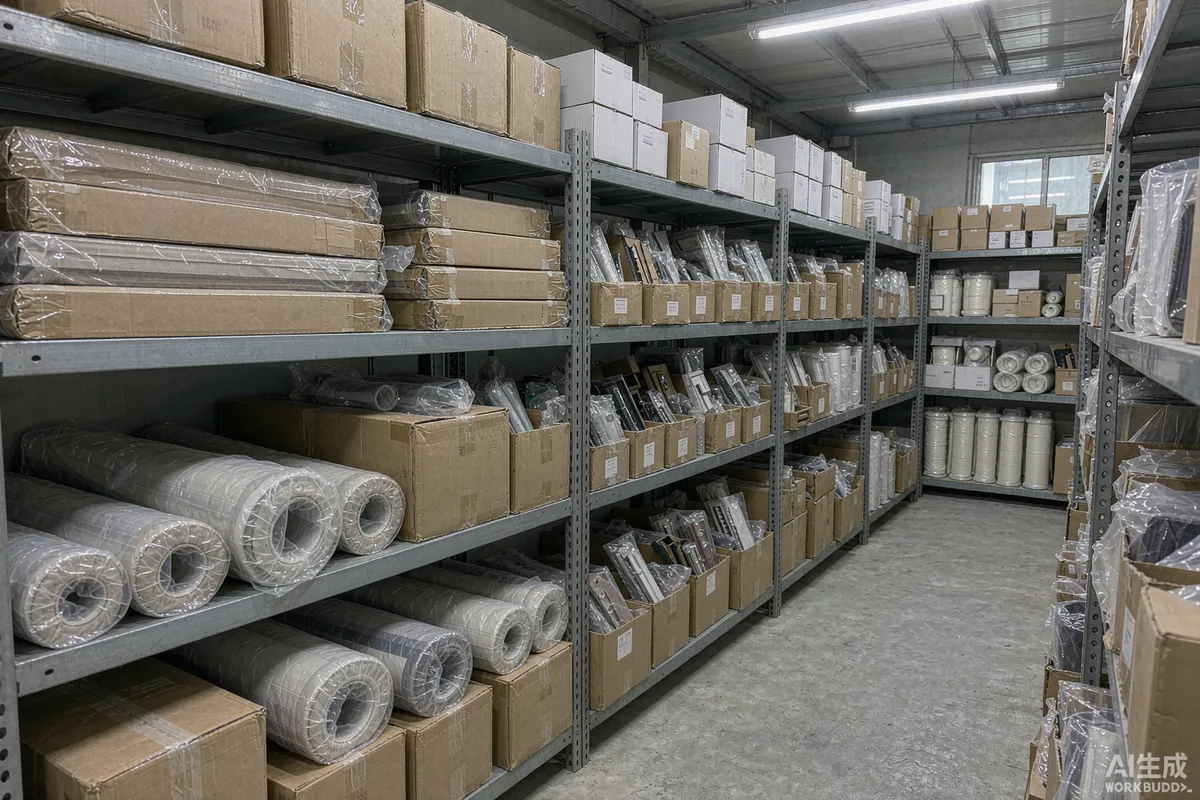
The instinct is to stock everything, which ties up capital in slow-moving parts. The better approach is to stock by failure likelihood and by consequence.
| Category | Stock depth | Reasoning |
|---|---|---|
| Door and window hardware | Deep | High wear, high visibility, quick to fit |
| Seals and gaskets | Moderate | Age and weather dependent, cheap to hold |
| Filters | Deep if ventilation is filtered | Consumable with a known change interval |
| Lighting and control components | Moderate | Occasional failure, easy to replace |
| Appliances | One spare per type for large fleets | Swapping restores service immediately, repair follows |
| Glazing modules | Usually order-on-demand | Bulky, expensive, low failure rate |
| Structural and envelope parts | Order-on-demand | Rare, and usually assessed on site first |
Two rules help. First, stock deeper for parts that are common across every unit - which is the strongest practical argument for fleet standardization. Second, know the factory lead time for everything you do not stock, and state it honestly to the customer rather than guessing.
The Response Process
A service operation without a defined process produces inconsistent outcomes even with good technicians. A workable process is short.
- Log the call with unit identifier, date, symptom and photographs where possible.
- Triage remotely. Many issues are resolved by guidance on the phone, which saves a visit and is appreciated.
- Classify: safety issue, loss of function, or cosmetic. Safety issues come first, always.
- State a timeframe and keep it. A realistic commitment met beats an optimistic one missed.
- Attend with the likely parts, based on the triage.
- Record what was done, including parts used and serial numbers.
- Follow up briefly after the visit.
- Review recurring issues monthly. Repetition points to a specification problem, not a service problem.
Safety matters deserve an explicit rule: if a unit may be unsafe - electrical, gas, structural or fire-related - it should be taken out of service until it is assessed, and the customer told plainly. That single rule protects everyone involved.
Training: The Capability That Cannot Be Bought Quickly
A technician who knows one product well is worth more than a general handyman who knows it approximately. Training should cover the specific things that are not obvious from general trade knowledge.
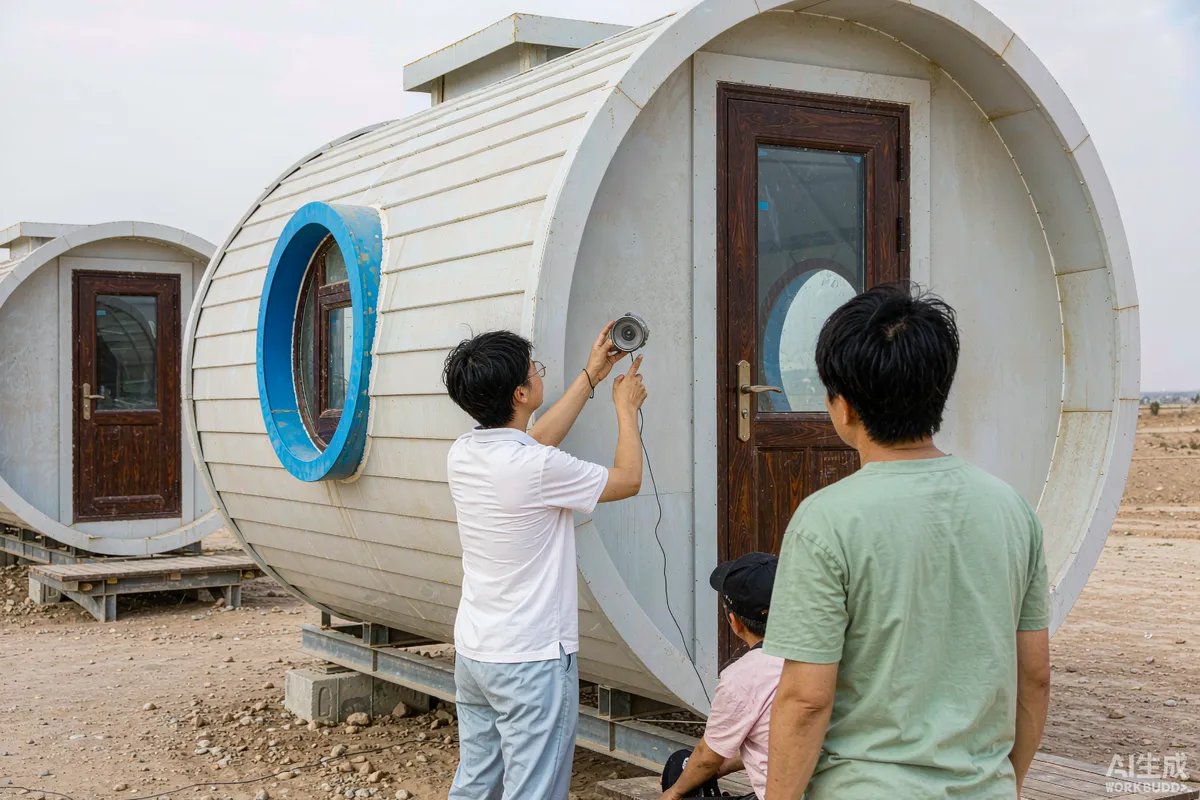
- Service access points and how to open them without damage.
- Electrical layout and protection, and safe isolation procedure.
- Water system layout, including drain-down and refilling.
- Seal and glazing handling, which is where cosmetic damage most often happens.
- Control and ventilation interfaces, including filter access.
- What not to touch, and when to escalate to the factory.
Keep a written service manual per model and revision, and update it when the product changes. A manual that describes last year's unit is worse than no manual, because it is trusted.
Records: Per Unit, Not Per Job
Records should be organised by unit, so that anyone can see the whole history of one physical asset in one place.
- Unit identifier, model, trim, build date and delivery date.
- Installation record, including foundation and anchoring details.
- Service history with dates, work performed and parts used.
- Known issues and their resolution.
- Photographs before and after significant work.
- Warranty status and expiry.
These records do more than support the customer. They tell you which components are actually failing in the field, which is the most useful input to your next purchasing decision - and the strongest evidence in a warranty discussion.
Handling a Warranty Claim Well
Warranty is where a service operation is judged, and most of the difficulty comes from process rather than from the fault itself.
- Know the terms in writing - what is covered, for how long, and what is excluded. Ambiguity here becomes conflict later.
- Record the evidence immediately: photographs, dates, unit identifier and a description in the customer's own words.
- Do not discard the failed part. It is often the evidence a claim depends on.
- Separate warranty from goodwill. Where something is not covered but the relationship matters, say so plainly rather than blurring the two.
- Decide quickly. A slow answer damages the relationship more than a negative one.
- Close the loop by telling the customer the outcome and the reason for it.
- Track claims by component. A repeating claim is a product issue, and it belongs in the next purchasing conversation.
Handled well, a warranty claim is also a sales moment. An owner whose problem is resolved quickly and honestly is often more likely to order again than one who never had a problem at all, because they have now seen the business work under pressure.
Working With the Factory
A distributor or operator does not need to solve everything alone, and should not try to. A good factory relationship has a defined shape.
- A named technical contact and a stated response route.
- Parts supply arrangements with known lead times.
- Documentation - manuals, wiring information, parts lists - supplied with the units and kept current.
- Training for technicians, particularly when a model changes.
- A clear warranty process: what is covered, how a claim is made, and what evidence is needed.
- Escalation for anything structural or recurring.
Haishu supplies A Series units as factory-finished turnkey dwellings and supports dealer partners with the documentation and parts supply that a local service operation depends on. The practical advice for a new partner is to ask about these arrangements before the first order rather than after the first warranty call - the answers tell you a great deal about how the relationship will work.
The Takeaway
Stock by failure likelihood, define a response process with honest timeframes, train someone properly, and keep records per unit. Escalate to the factory what belongs with the factory. Set all of this up while the first units are being delivered, and the fourteenth month is a routine service visit rather than a crisis.
More from the Blog

Capsule Home Cost Guide: What You Really Pay in 2026
EXW, shipping, install and the hidden line items — a transparent breakdown of total landed cost.
Read article →
How to Install a Capsule Home in 3 Days: A Step-by-Step Guide
From site prep to first guest — the exact sequence our install crews follow on every deployment.
Read article →
Real Owners, Real Numbers: Success Stories
How a lakeside resort, a Spanish glamping site and a Singapore dealer hit their targets.
Read stories →Talk to the Factory
Ready to Ride the 2026 Wave?
Get the latest catalog, pricing tiers and a layout sketch for your land — straight from the engineering team.